
Main Courses
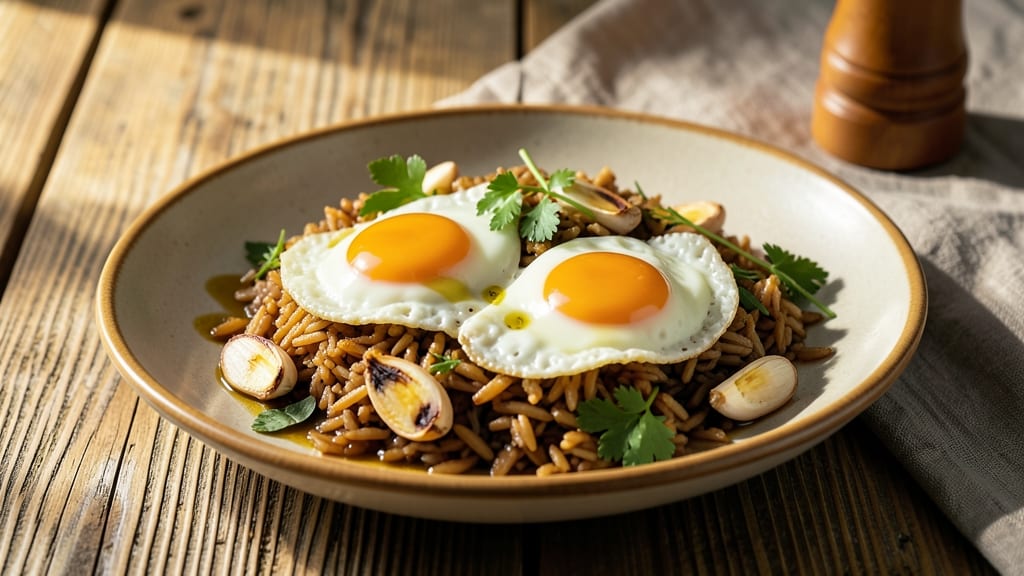
This brown rice and egg recipe transforms simple ingredients into a balanced, protein-packed meal that's both comforting and nutritious. The nutty, chewy texture of perfectly cooked brown rice pairs beautifully with fluffy eggs, creating a dish that's satisfying yet light enough for any day.
What makes this recipe stand out is the combination of whole grains and high-quality protein, making it a staple for health-conscious cooks who still crave flavor.
The secret to achieving restaurant-quality results at home lies in the technique: toasting the brown rice before cooking enhances its natural nuttiness, while gently poaching or scrambling the eggs preserves their tender texture.
Whether you prefer classic scrambled eggs with sautéed garlic or a modern twist like miso-glazed eggs over sesame-infused rice, this recipe adapts effortlessly to your taste. Ready in just 20 minutes, it's the perfect solution for a quick yet wholesome dinner.
Ingredients for brown rice and egg
Restaurant-quality brown rice and eggs start with these carefully chosen ingredients for nutty grains and tender eggs.
| Ingredient | Amount | Notes |
|---|---|---|
| Long-Grain Brown Rice 🌾 | 1 cup | Uncooked, rinsed thoroughly |
| Large Eggs 🥚 | 4 whole | Room temperature for even cooking |
| Extra-Virgin Olive Oil 🫒 | 2 tbsp | For toasting rice and cooking eggs |
| Water 💧 | 2 cups | Filtered preferred for flavor |
| Vegetable Broth 🍲 | 1 cup | Low-sodium for balanced flavor |
| Garlic Cloves 🧄 | 3 cloves | Minced for aromatic depth |
| Shallots 🧅 | 2 whole | Finely diced, or sub red onion |
| Fresh Thyme Leaves 🌿 | ¼ cup | Or 1 tsp dried thyme |
| Sea Salt 🧂 | 1 ½ tsp | Diamond Crystal preferred |
| Black Peppercorns 🌶️ | ½ tsp | Freshly cracked for texture |
| Sesame Seeds 🌰 | 1 tbsp | Toasted for garnish |
| Fresh Parsley 🌿 | ¼ cup | Chopped for bright finish |
| White Miso Paste 🍶 | 1 tbsp | Optional for umami depth |
The brown rice forms the foundation—jasmine or long-grain varieties from Whole Foods Market or Trader Joe's yield the best texture. Rinse it thoroughly before cooking to remove excess starch, which prevents gumminess. For the eggs, pasture-raised from your local farm delivers superior flavor and texture compared to conventional. The garlic and shallots should be freshly minced (not jarred) to avoid bitterness, and thyme adds an earthy aroma that complements both the rice and eggs beautifully. If you're aiming for that restaurant-quality finish, toast the sesame seeds in a dry pan until golden for maximum flavor.
No fresh thyme? Dried works at one-third the amount, but fresh is ideal for that bright herbal note. Substitute shallots with red onion if needed—just increase to 3 whole for equivalent flavor. For those avoiding miso, a splash of soy sauce or extra vegetable broth adds umami without altering the dish's vegetarian nature. The vegetable broth can be homemade (simmered with carrot, celery, and onion) or a high-quality store-bought version like Imagine or Pacific Foods. If your eggs are cold, place them in warm water for 5 minutes before cooking to ensure even doneness—a pro technique that makes all the difference in texture.
Store cooked brown rice in an airtight container in the fridge for up to 4 days, though it's best enjoyed within 2 days for optimal texture. The eggs should be cooked fresh, but you can prepare the rice ahead and reheat it gently with a splash of water. For meal prep, portion the rice into individual containers and store the eggs separately to be cooked as needed. The miso paste keeps indefinitely in the pantry, while fresh herbs should be wrapped in damp paper towels and stored in a sealed bag for up to 5 days. This dish reheats beautifully—just add a splash of water or broth when warming to restore moisture.
Why You'll Love This Recipe
- No-Fuss Stovetop Magic: I swear by this method—just brown rice, water, and a splash of broth. No fancy tools, no waiting for a rice cooker. Toss everything in one pot, simmer, and let it do its thing while you crack eggs into a bowl.
- Umami-Packed Bite: That crispy fried egg on top of warm, nutty brown rice? The olive oil adds a silky richness, and the broth makes the rice taste deeper than plain grains. It’s simple, but the flavor? Ridiculously satisfying.
- Lunchbox Hero: Between us, this is my go-to for meal prep. Cold rice and a soft-boiled egg? Perfect for work lunches. Or fry the egg fresh—hot rice, runny yolk, and that chewy brown rice texture? My kids beg for it.
- Pantry Staple Power: Brown rice and eggs are cheap, and this recipe stretches them further. Leftovers reheat beautifully, and I’ve served it for breakfast, lunch, or a quick dinner. Honestly, it’s the kind of meal that makes grocery shopping feel less stressful.
Step-by-step instructions for perfect brown rice and eggs
This method delivers chewy brown rice with fluffy eggs—textures and flavors that complement each other beautifully.
Toast and Cook the Brown Rice
Heat the 2 tablespoons extra-virgin olive oil in a medium saucepan over medium heat. Add the 1 cup long-grain brown rice and stir for 2 minutes until the grains become translucent at the edges. This toasting step enhances nutty flavor and prevents clumping.
Add the 2 cups water, 1 cup vegetable broth, 1.5 teaspoons sea salt, and 0.5 teaspoon black peppercorns. Bring to a boil, then reduce heat to low, cover tightly, and simmer for 45 minutes. Avoid peeking—steam escape extends cooking time. The rice is done when tender but still slightly chewy, with liquid fully absorbed.
Sauté Aromatics for the Eggs
While the rice cooks, heat 1 tablespoon extra-virgin olive oil in a nonstick skillet over medium-low heat. Add the 2 whole shallots and 3 cloves garlic cloves, cooking for 3-4 minutes until softened but not browned. Stir in the 0.25 cup fresh thyme leaves and cook for 30 seconds until fragrant.
Remove the pan from heat and stir in the 1 tablespoon white miso paste until fully dissolved. This step builds umami depth that pairs perfectly with the eggs. Keep the aromatics warm while you prepare the eggs.
Cook the Eggs to Fluffy Perfection
Crack the 4 whole large eggs into a bowl, season lightly with salt and pepper, and whisk until just combined. Heat the same skillet (no need to add more oil) over low heat until warm but not smoking. Pour in the eggs and let them sit undisturbed for 2-3 minutes until the edges set but centers remain runny.
Gently tilt the pan to let uncooked egg flow toward the edges, creating even cooking. When the eggs are 80% set but still custardy in the center, remove from heat. Cover the skillet with a lid for 1 minute to finish cooking gently.
Assemble and Garnish
Divide the cooked brown rice among 4 plates, creating a base for the eggs. Spoon the egg mixture over the rice, allowing the runny centers to cascade naturally. Distribute the sautéed shallot-garlic-thyme mixture evenly among the plates.
Garnish each serving with 1 tablespoon toasted sesame seeds and 1 tablespoon chopped fresh parsley. The sesame adds nutty crunch while the parsley provides fresh brightness. Serve immediately while the eggs are warm and the rice retains its chewy texture.
Pro Tips For Making Brown Rice And Egg
- TOAST THE RICE FIRST: Before adding liquid, dry-toast the brown rice in olive oil over medium heat for 2-3 minutes—just until you smell that nutty aroma. I learned this the hard way: skipping this step makes the rice taste flat and undercooked, no matter how long you simmer it later.
- USE COLD EGGS FOR CRISPY WHITES: Crack eggs directly into cold, lightly oiled water (or broth) instead of room-temperature eggs. The cold water keeps the whites tight and the yolks intact, giving you perfectly formed eggs that stay crispy when fried later—no rubbery mess here.
- DON’T SKIP THE BROTH BATH: Replace half the water with vegetable broth in the rice cooking liquid—even if you’re not a broth snob. The extra umami depth makes the rice taste richer, and you won’t need to season it like crazy afterward. (Yes, even if you’re using low-sodium broth.)
- FRIED EGGS IN RESIDUAL HEAT: After cooking the rice, let the pot sit off the heat for 5 minutes with the lid on—trapped steam keeps the rice moist. Then, use that same pot (just wipe it clean) to fry your eggs over medium-low. The residual heat from the rice helps maintain even cooking without burning the eggs.
Troubleshooting this recipe
Rice Too Mushy?
Overcooked brown rice loses its chewy texture and turns mushy—a common issue when rice sits too long on heat or absorbs excess liquid. To fix this, reduce the water by ¼ cup next time and check for doneness 5 minutes early.
The rice should be tender but still hold its shape when pressed with a fork. If already overcooked, stir in 1 teaspoon toasted sesame oil to add richness and mask the texture. 🌾
Eggs Overcooked or Rubbery?
Eggs cooked too quickly on high heat become dry and rubbery. The key is low, steady heat—never rush them. For perfect fluffiness, cook eggs over low heat and cover the pan for the last 1-2 minutes to trap steam.
If your eggs turn out tough, whisk in 1 tablespoon heavy cream or water before serving to restore moisture.
Rice Stuck to Pan?
Brown rice can stick if the pan isn’t properly seasoned or if you use too much oil. Always use a nonstick or well-seasoned cast-iron skillet and heat it until smoking hot before adding oil.
If rice sticks during cooking, gently loosen it with a wooden spoon while adding liquid. For stubborn clumps, add 2 tablespoons water and simmer uncovered for 2-3 minutes to steam them free.
Uneven Cooking in Eggs?
Unevenly cooked eggs happen when heat isn’t distributed properly. Use a nonstick skillet and ensure the pan is preheated evenly—test by flicking water droplets, which should sizzle and dance. If one side cooks faster, reduce heat slightly and tilt the pan to let uncooked egg flow toward the edges.
For extra insurance, whisk eggs with 1 tablespoon cold water before cooking to slow setting.
Rice Too Dry After Cooking?
Brown rice can dry out if left uncovered or reheated improperly. To prevent this, cover the pot tightly while cooking and let it steam off heat for 5 minutes after cooking.
When reheating, add 1-2 tablespoons water or broth per cup of rice and steam over low heat for 2-3 minutes. For extra moisture, drizzle with 1 teaspoon olive oil before serving.
Miso Paste Clumps?
Miso paste can form lumps if not dissolved properly. To avoid this, mix it with a splash of warm water or broth before adding to the pan. Stir vigorously for 30 seconds to ensure a smooth, creamy consistency.
If clumps form during cooking, remove the pan from heat and whisk vigorously to break them apart. This ensures even umami distribution in every bite. 🍶
Nutrition facts
Frequently asked questions
Can I use white rice instead of brown rice?
While you can substitute white rice, you'll lose the nutty flavor and extra fiber that make brown rice special. For a similar texture, use jasmine or basmati white rice and reduce cooking time by about 5 minutes—it cooks faster than brown rice. If you want to keep the whole-grain benefits, stick with brown rice!
How do I make this recipe spicier?
Add heat by stirring in ½ teaspoon red pepper flakes with the garlic and shallots, or top with chopped jalapeños and a squeeze of lime. For smoky depth, swap thyme for ½ teaspoon smoked paprika when sautéing the aromatics. Adjust to taste—start with less if you're sensitive to spice!
Can I prepare this ahead of time?
Cook the brown rice 1 day ahead and store it in an airtight container in the fridge. Reheat gently with 1 tablespoon water per cup of rice over low heat for 2-3 minutes. Cook the eggs fresh to maintain their fluffy texture, but you can prep the miso-garlic mixture ahead and store it in the fridge for 3 days.
What's the best way to cook the eggs differently?
Try soft-boiled eggs for a runny yolk that pairs perfectly with the chewy rice—simmer 4 eggs in water for 6 minutes then peel and place on top. For a Japanese twist, make tamagoyaki (sweet rolled omelet) using 3 eggs + 1 tbsp sugar, cooked in thin layers. Both methods add exciting textures to your dish!
Why does my brown rice turn out gummy?
Gummy rice usually means you didn't rinse it well before cooking or used too much water. Always rinse brown rice 3-4 times until the water runs clear, and use the 1:2 rice-to-liquid ratio specified in the recipe. If it's already gummy, stir in 1 teaspoon toasted sesame oil to add richness and mask the texture.