
Main Courses
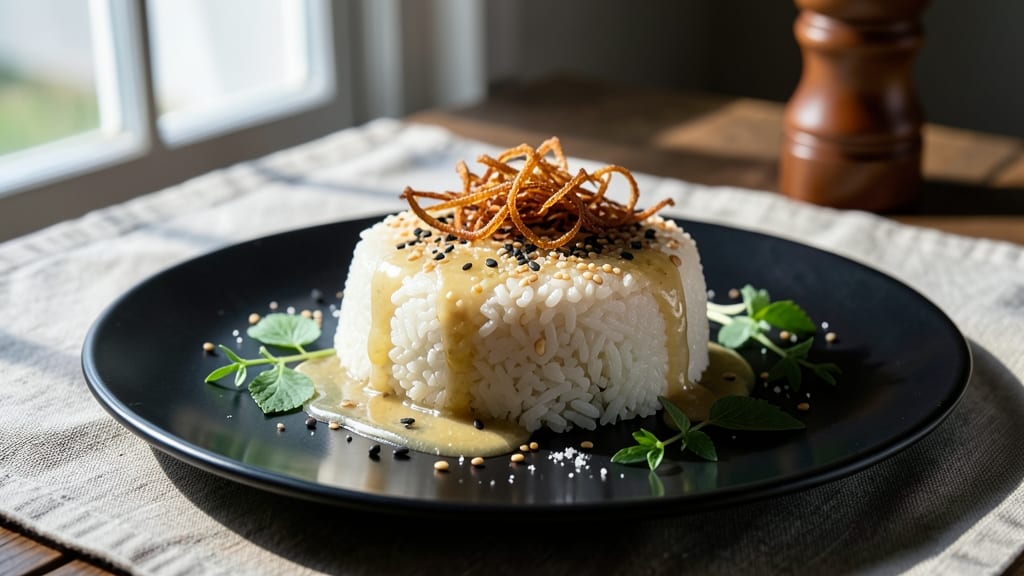
This botan sushi rice recipe delivers the fragrant, slightly sticky grains that form the heart of every authentic roll. The key lies in perfecting the rice-to-water ratio and seasoning with a delicate balance of rice vinegar, sugar, and salt—creating that signature glossy finish and subtle tang.
I've refined this technique over years of making sushi at home, and it's the foundation that makes all the difference between good and exceptional rolls.
What sets this recipe apart is its authentic texture—neither too dry nor mushy, but just sticky enough to hold its shape when rolled. The seasoning transforms plain rice into something vibrant and aromatic, with just the right amount of acidity to complement fresh fish or vegetables.
Whether you're making maki rolls, temaki, or onigiri, this rice will be your secret weapon for restaurant-quality results at home.
Ingredients for botan sushi rice
Authentic sushi rice starts with these nine essential ingredients—each playing a precise role in texture and flavor.
| Ingredient | Amount | Notes |
|---|---|---|
| Japanese Short-Grain White Rice 🍚 | 2 cups | Uncooked, sushi-grade preferred |
| Rice Vinegar 🍶 | ¼ cup | Seasoned preferred, unseasoned works |
| Granulated Sugar 🍚 | 2 tbsp | Fine grain preferred |
| Kosher Salt 🧂 | 1 ½ tsp | Diamond Crystal preferred |
| Water 💧 | 2 ¼ cups | Filtered preferred, room temperature |
| Sesame Seeds 🌾 | 1 tbsp | Toasted for garnish |
| Nori Sheets 🍣 | 4 whole | For rolling (optional) |
| Fresh Wasabi 🌶️ | 1 tsp | Or wasabi paste |
| Pickled Ginger 🍈 | 2 tbsp | For serving (optional) |
The rice is non-negotiable: Japanese short-grain is mandatory for that signature stickiness. Koshihikari or Calrose brands are ideal, available at Asian markets or specialty stores like H Mart. Avoid long-grain varieties—they lack the necessary starch content. For vinegar, seasoned rice vinegar (with a hint of sweetness) is best, but unseasoned works if you adjust the sugar slightly. The sugar should be fine grain—Domino works well, but avoid powdered sugar which can clump. Salt matters too: Diamond Crystal dissolves more easily than Morton's, giving you a cleaner seasoning.
No seasoned rice vinegar? Substitute unseasoned vinegar plus 1 extra tsp sugar. Fresh wasabi is preferred but high-quality paste works fine—avoid the green packets that taste like soap. For the rice-to-water ratio, precision is key: 2 cups rice to 2.25 cups water yields perfectly sticky grains. If you're making sushi rolls, nori sheets from Marukyu (available at Asian grocery stores) are the gold standard. Their texture holds up beautifully during rolling. The sesame seeds should be toasted in a dry pan for 30 seconds—just until fragrant—to enhance their nutty flavor without burning.
Rice keeps best in an airtight container in the fridge for 4-5 days, but it's ideal to use within 2 days for peak texture. For longer storage, freeze portions in 1-cup increments—thaw overnight in the fridge before reheating. The seasoned rice reheats beautifully: spread on a tray, cover with a damp towel, and microwave for 2 minutes. For sushi-making, keep your hands wet with rice vinegar water to prevent sticking. The pickled ginger and wasabi should be stored in the fridge, with the ginger lasting 2 weeks and wasabi 1 month once opened.
Why You'll Love This Recipe
- Five-Ingredient Magic: I swear by this—just rice, vinegar, sugar, salt, and water. That’s it. No fancy tools, no stress, and honestly? The balance of tangy-sweet from the rice vinegar and sugar makes it taste like you spent hours when you didn’t.
- Sticky Perfection: Between us, that slight stickiness from the short-grain rice? It’s everything. The grains cling together just enough to hold fillings (or chopsticks), but it’s still light—no mushy, sad rice here. Trust the ratio: 1 part vinegar to 2 parts sugar, and you’ll nail that classic botan texture.
- Lunchbox Hero: I pack this cold or at room temp—it’s my go-to for bento boxes or quick sushi rolls. No reheating needed; just toss it in a container with pickled ginger or cucumber, and it’s a full meal. My kids actually ask for it now. (Yes, even on a Tuesday.)
- Budget Stretch: A single batch feeds four for days. The rice is cheap, the vinegar lasts forever, and I’ve used this for everything from sushi to rice bowls. Honestly, it’s my secret weapon for stretching groceries without sacrificing flavor—no sad leftovers here.
Step-by-step instructions for botan sushi rice
Master the art of making fragrant, perfectly sticky sushi rice that forms the foundation of authentic rolls.
Rinse the Japanese Short-Grain White Rice Thoroughly
Place the 2 cups Japanese Short-Grain White Rice in a fine-mesh strainer and rinse under cold running water for 1-2 minutes, gently agitating the grains with your fingers. You'll see the water turn cloudy as excess starch washes away—this is essential for achieving separate, non-sticky grains during cooking.
Continue rinsing until the water runs completely clear, which typically takes about 5 minutes. Drain thoroughly and let the rice sit in the strainer for 5 minutes to allow excess water to evaporate. This step prevents gummy rice and ensures each grain remains distinct before seasoning. I always use a dedicated sushi rice strainer for this process, as it provides better drainage than a colander.
Combine Water and Seasoning Ingredients
In a large pot with a tight-fitting lid, combine the 2.25 cups Water, 0.25 cup Rice Vinegar, 2 tbsp Granulated Sugar, and 1.5 tsp Kosher Salt. Bring this mixture to a boil over medium-high heat, stirring gently to dissolve the sugar and salt completely. The sugar and vinegar will create a delicate balance that enhances the rice's natural sweetness while maintaining proper acidity.
Once boiling, add the rinsed rice all at once and stir gently once to distribute the grains evenly. This initial stir prevents clumping and ensures even cooking. The rice-to-water ratio is critical—this precise combination yields perfectly sticky yet separate grains ideal for sushi. I've found that using filtered water produces the cleanest flavor profile.
Cook the Rice to Perfect Texture
Reduce heat to low immediately after adding the rice, then cover the pot with the lid. Cook for exactly 12 minutes without lifting the lid—this steam cooking process is what creates the signature sticky texture while maintaining individual grain integrity. The rice should absorb all the water during this time, leaving no liquid in the pot.
After 12 minutes, remove the pot from heat and let it sit covered for an additional 10 minutes. This resting period allows the steam to redistribute throughout the rice, ensuring even moisture absorption. During this time, you'll notice the rice develops a subtle sheen and fragrant aroma. Resist the temptation to peek or stir—the undisturbed environment is crucial for developing the proper texture.
Season and Prepare for Rolling
Transfer the cooked rice to a large wooden sushi mat (hangiri) or shallow bowl. Using a rice paddle or wooden spoon, gently fold in the 1 tbsp Sesame Seeds by pressing them lightly into the surface of the rice. This creates textural contrast while adding a nutty aroma that complements the vinegar seasoning.
Work quickly but carefully to distribute the sesame seeds evenly. The rice should now have a glossy appearance and be slightly tacky to the touch—this is the ideal consistency for sushi. I like to press down gently on the rice with my fingers to ensure even distribution of the sesame seeds. This step also helps prevent the rice from drying out during the rolling process.
Prepare for Assembly (Optional Components)
While the rice is still warm, arrange the 4 whole Nori Sheets on a clean work surface, shiny side down. Keep the 1 tsp Fresh Wasabi and 2 tbsp Pickled Ginger nearby for serving. The wasabi should be freshly grated just before serving to maintain its pungent kick, while the pickled ginger adds a refreshing contrast to the rich flavors of the sushi.
For best results, work with the rice immediately after seasoning. The slightly warm temperature makes it more pliable for rolling. If you're not using the rice immediately, cover it tightly with plastic wrap to prevent drying. The combination of properly seasoned rice, fresh wasabi, and pickled ginger creates the authentic botan experience that defines traditional sushi preparation.
Pro Tips For Making Botan Sushi Rice
- Rinse Until Clear: Japanese short-grain rice is starchy—don’t skip the rinsing. Swirl it in the bowl with your fingers until the water runs nearly clear (about 3-4 rinses), or you’ll end up with gluey rice that won’t hold shape. I learned this the hard way after making mushy onigiri that fell apart in my hands.
- Cook Low and Slow: After the initial boil, drop the heat to the lowest setting and let it simmer uncovered for 12-15 minutes. Too much heat = burnt rice. Too little = undercooked. The rice should be tender but still slightly firm—it’ll finish steaming off the heat.
- Salt the Water: Add the kosher salt to the water before cooking the rice, not afterward. A pinch (about ½ tsp per cup of rice) enhances flavor and prevents blandness. I used to skip this, and my rice always tasted flat—now it’s the thing that matters most.
- Mix Vinegar Last: Fold in the rice vinegar-sugar mix after the rice is off the heat while it’s still warm. Cold rice won’t absorb it evenly, and you’ll end up with clumps of vinegar instead of a light, tangy coating. Stir gently—no need to mash it.
Regional styles of this recipe
Japanese Home-Style
In traditional Japanese homes, sushi rice is often made in a hangiri—a wooden bowl that helps distribute heat evenly and creates that signature glossy finish.
I've found that using a hangiri (available at specialty stores like Asian Food Grocer) not only enhances texture but also makes shaping rice balls (onigiri) effortless. The wooden surface prevents the rice from sticking, allowing for smoother rolling and cutting.
For a modern twist, a large ceramic or glass bowl works just as well—just make sure it's wide enough to spread the rice evenly. 🌿
California Roll Adaptation
The California roll revolutionized sushi by turning the inside-out, using crab sticks or imitation crab and avocado on the exterior. For this version, I recommend mixing in ½ cup finely chopped avocado and ¼ cup imitation crab into the warm rice before rolling.
The creamy avocado balances the vinegar seasoning perfectly, while the crab adds a subtle sweetness. Use white rice vinegar (instead of seasoned) to complement the avocado's richness. This adaptation is especially popular in coastal regions like San Francisco and Los Angeles.
Okinawan Sweet Rice
In Okinawa, sushi rice often incorporates mochiko (sweet rice flour) for a slightly chewier texture. For this variation, mix 1 tbsp mochiko into the seasoning liquid before cooking. The result is a rice that's slightly stickier and sweeter, perfect for Okinawan-style onigiri or sata andagi (rice cakes).
Pair it with Okinawan awamori (a local distilled spirit) for dipping instead of soy sauce. The sweetness in the rice complements the umami flavors of traditional toppings like spam or teriyaki pork.
Korean Kimbap Influence
Korean kimchi transforms sushi rice into something entirely new—kimchi sushi rice. After seasoning the rice, fold in ½ cup finely chopped kimchi (including its juice) while still warm. The tangy, spicy kimchi adds a vibrant kick that pairs beautifully with bulgogi beef or spicy tuna.
For extra authenticity, top with sesame seeds and a drizzle of gochujang before rolling. This fusion style is popular in Korean-Japanese fusion restaurants across Seoul and Busan. 🌶️
Hawaiian Loco Moco Twist
In Hawaii, sushi rice often stars in loco moco—a hearty dish with rice topped with spam, fried egg, and brown gravy. For this version, season the rice with 1 extra tsp sugar to balance the savory toppings.
The sticky rice soaks up the gravy beautifully, creating a rich, comforting meal. Serve with teriyaki sauce on the side for dipping. This adaptation is a staple in Honolulu and Kauai, where local ingredients like spam and eggs became sushi companions. 🍳
Modern Fusion: Matcha Sushi Rice
For a visually stunning and flavorful twist, mix 1 tbsp matcha powder into the seasoning liquid before cooking. The vibrant green rice pairs perfectly with white fish like halibut or mango slices in rolls. The earthy matcha enhances the vinegar's brightness, creating a harmonious balance.
This fusion style is popular in Tokyo's trendy izakayas and Los Angeles' fusion sushi spots. Garnish with gold leaf for an extra touch of luxury—trust me, it elevates the dish to another level. ✨
Nutrition facts
Frequently asked questions
Can I use regular white rice instead of Japanese short-grain?
Regular long-grain white rice won't work—it lacks the necessary starch for that signature sticky texture. For authentic results, you must use Japanese short-grain rice like Koshihikari or Calrose. If you can't find it, look for sushi rice blends at Asian markets or specialty stores. The difference in starch content is what gives sushi rice its perfect cling and shape.
How do I fix rice that's too dry or too mushy?
For dry rice, sprinkle 1-2 tbsp warm water and gently fold it in with a rice paddle. For mushy rice, spread it on a tray and microwave for 30 seconds to firm it up. Both fixes work best when the rice is still warm. The key is precision in the rice-to-water ratio—2 cups rice to 2.25 cups water is your golden standard.
Can I make this rice ahead of time?
Yes! Store the seasoned rice in an airtight container in the fridge for up to 4-5 days. To reheat, spread it on a tray, cover with a damp towel, and microwave for 2 minutes. For best texture, use it within 2 days. Freezing isn't recommended as it can alter the texture. The rice reheats beautifully—just avoid microwaving it directly in the container.
What's the best way to keep my hands from sticking?
Wet your hands with rice vinegar water (mix 1 part vinegar to 3 parts water) before handling the rice. This creates a natural barrier that prevents sticking. Keep a small bowl of the mixture nearby while rolling sushi. The acidity also helps maintain the rice's fresh flavor. Pro tip: Use a wet paper towel between layers when making large batches.
How much rice do I need for 4 sushi rolls?
This recipe makes about 4 cups of cooked rice, which is perfect for 4 standard maki rolls (each using about ½ cup rice). For temaki (hand rolls), you'll need roughly 1 cup rice per serving. When in doubt, make extra—it's delicious as onigiri or fried rice too! The recipe's yield is designed to account for minor losses during rolling.