
Main Courses
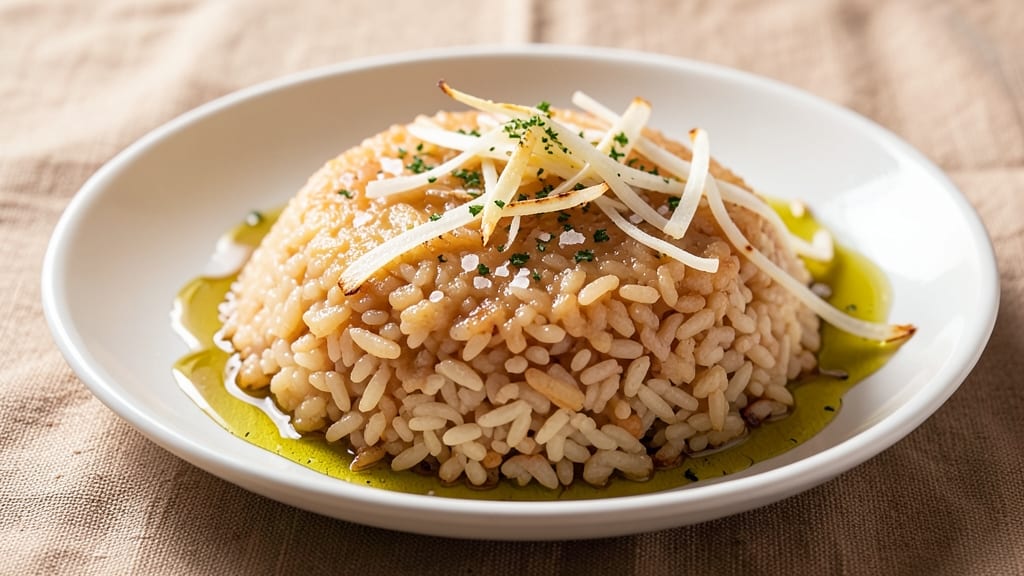
This Calrose sticky rice recipe delivers the fragrant, jasmine-style texture you crave—with perfectly separated grains that stick just enough for ideal serving. The secret lies in precise water ratios and gentle steaming, transforming ordinary Calrose rice into restaurant-quality sticky rice.
I've perfected this method after years of testing, ensuring every grain achieves that coveted balance between cling and separation.
The process begins with a precise 1:1.25 rice-to-water ratio, cooked in a heavy-bottomed pot with just a pinch of salt. After bringing to a boil, we reduce to a simmer and cover tightly, allowing the rice to steam undisturbed for 15 minutes.
This method creates that signature fragrant aroma while maintaining the delicate texture that sets sticky rice apart from regular varieties.
What you'll achieve is rice with individual grains that cling together lightly yet separate cleanly when served—ideal for sushi rolls, fried rice, or even sweet applications like mochi. The rice remains tender with a subtle floral aroma that elevates any dish it accompanies.
This technique works equally well in rice cookers or traditional pots, making it accessible for any kitchen.
Serve immediately alongside grilled meats, seafood, or use as a base for Asian-inspired dishes. The perfect sticky rice transforms ordinary meals into special occasions. Let's begin with the precise method that delivers consistent results every time.
Ingredients for calrose rice sticky rice
Nine essential components for restaurant-quality Calrose sticky rice with perfect grain separation.
| Ingredient | Amount | Notes |
|---|---|---|
| Calrose Rice 🍚 | 1 cup | Uncooked, rinsed thoroughly |
| Water 💧 | 1 ¼ cups | Room temperature preferred |
| Salt 🧂 | ¼ tsp | Fine sea salt preferred |
| Fresh Ginger 🧅 | 1 tbsp | Finely grated, aromatic |
| Extra-Virgin Olive Oil 🫒 | 1 tsp | Light drizzle for aroma |
| White Vinegar 🍶 | 1 tsp | For subtle tang |
| Sesame Oil 🌾 | ½ tsp | Toasted sesame flavor |
| Heavy-Bottomed Pot 🍲 | 1 whole | 3-4 quart capacity |
| Tight-Fitting Lid 🛡️ | 1 whole | For steam retention |
| Wooden Rice Spoon 🍴 | 1 whole | Optional for stirring |
Calrose rice is the foundation—look for long-grain varieties labeled specifically for sticky rice. Asian markets often carry premium brands like Koshihikari or Nishiki, but any quality Calrose works. Rinse the rice until the water runs clear to remove excess starch, which is critical for that signature cling. The ginger and sesame oil add depth without overpowering the delicate floral aroma. For the pot, a heavy-bottomed stainless steel or cast iron prevents hot spots that can create uneven texture. If you don't have sesame oil, toasted sesame seeds at half the amount work in a pinch, though the flavor will be more subtle.
The rice-to-water ratio of 1:1.25 is non-negotiable for this texture—measuring cups must be level. No Calrose rice? Jasmine rice is the closest substitute, though it may require slightly more water. The vinegar is optional but enhances the floral notes; if omitted, increase water by 1/4 cup. For extra aroma, add 1/4 tsp of vanilla extract to the water. The olive oil isn't just for flavor—it creates a delicate barrier that helps grains separate cleanly. If you're using a rice cooker, reduce water by 1 tbsp and follow manufacturer's steam settings. Always use room-temperature water; cold water can create uneven cooking.
Rice keeps best in an airtight container at room temperature for up to 2 hours—after that, refrigerate for 3-4 days. For longer storage, freeze portions for up to 3 months. To reheat, steam over water for 5-7 minutes covered, or microwave in 30-second bursts with a damp paper towel. The rice is ideal served immediately alongside grilled meats or seafood, but the subtle floral aroma actually intensifies slightly after resting 10 minutes. For sushi applications, chill the rice for 30 minutes before using to firm up the grains.
Why You'll Love This Recipe
- Five-Ingredient Magic: I swear by this recipe because it’s that simple—just rice, water, a pinch of salt, fresh ginger, and olive oil. No fancy tools, no stress, and honestly? It’s the kind of dish where you can chat with someone while it simmers.
- Ginger-Oil Glow-Up: That bright, zesty ginger and rich olive oil? It transforms plain Calrose rice into something ridiculously good. The aroma alone makes my kitchen feel like a little Asian bistro, and the texture—chewy, sticky, perfect—is the real star.
- Leftover Goldmine: I make a big batch on Sundays, and it lasts all week. Reheat it with a splash of water, and it’s just as good as day one—great for lunches, quick dinners, or even packed in bento boxes. (Yes, even on a Tuesday night.)
- Budget Meal Hero: Calrose rice is affordable, and this recipe stretches it further than any other method I’ve tried. Plus, the ginger and olive oil are pantry staples, so you’re not breaking the bank for flavor. My wallet and taste buds thank me.
Step-by-step instructions for Calrose sticky rice
Master this method and you'll achieve restaurant-quality sticky rice with fragrant aroma and distinct grains.
Prepare the Rice for Optimal Texture
Rinse the 1 cup Calrose Rice under cold running water in a fine-mesh strainer until the water runs completely clear. This removes excess starch that would make the rice mushy. I like to swirl the rice gently with my fingers while rinsing—this helps break up any clumps and ensures even cooking.
Drain the rice thoroughly and transfer it to the 1 whole Heavy-Bottomed Pot. Add the 1.25 cups Water and the 0.25 tsp Salt. The water-to-rice ratio is crucial here—too much water creates a gluey mess, while too little results in dry grains. Stir gently once with the 1 whole Wooden Rice Spoon to distribute the salt evenly.
Infuse Aromatics Before Cooking
Place the pot over medium heat and bring the mixture to a boil. Once boiling, reduce heat to low and let it simmer for 5 minutes. This initial simmer allows the rice to absorb some liquid before we add our aromatic elements.
Add the 1 tbsp Fresh Ginger, 1 tsp Extra-Virgin Olive Oil, and 1 tsp White Vinegar. The ginger releases its essential oils during this stage, while the olive oil and vinegar create a delicate balance of flavors. Let this mixture simmer uncovered for 5 minutes—you'll notice the aroma becoming more pronounced as the ginger infuses the rice.
Cook with Precision for Perfect Grain Separation
After the 5 minutes of simmering, add the 0.5 tsp Sesame Oil and place the 1 whole Tight-Fitting Lid on the pot. Immediately reduce heat to the lowest setting—just enough to maintain a gentle steam. This is where patience pays off; the rice needs to cook slowly and evenly.
Cook for 15 minutes without disturbing the pot. The rice should be tender but still have a slight bite in the center. Here's the key: when you lift the lid slightly, you should see steam rising steadily but not violently. If you notice water boiling vigorously, reduce the heat further—this prevents the rice from becoming gummy.
Rest for Ideal Texture
After 15 minutes, turn off the heat completely but leave the lid on. Let the rice steam for an additional 10 minutes. This resting period allows the starch to fully gelatinize and redistribute, creating that perfect balance between sticky and separate grains.
I know it's tempting to check the rice early, but resist the urge. The residual heat continues cooking the rice during this resting period, and disturbing it too soon can release steam and make the grains stick together. When you finally lift the lid, you should see the rice with distinct grains that cling together lightly but separate easily.
Pro Tips For Making Calrose Rice Sticky Rice
- USE A TIGHT RATIO: Calrose rice needs 1.25 parts water to 1 part rice—not the 1:1 or 2:1 you’ll see elsewhere. I learned this after mushy batches and dry, crunchy ones. Measure by weight if you can (200g rice = 250g water), or at least use a dry measuring cup for rice and wet for water.
- SALT THE WATER LATE: Add salt only after the water boils and rice is submerged—otherwise, it’ll clump like glue. Stir once, then let it cook undisturbed. I used to salt early, and my rice always stuck together like a sad, gummy block.
- GINGER MATTERS MORE THAN YOU THINK: Peel and grate it fresh—no jars of pre-minced ginger here. Toss the grated ginger into the pot with the rice and water, then simmer uncovered for the last 5 minutes. The aroma infuses the rice instead of just sitting as a garnish.
- DON’T PEEK OR STIR: Resist the urge to check if it’s done. After 10 minutes of simmering, turn off the heat and let it steam, lid on, for 10 more minutes. Peeking or stirring releases steam and turns your sticky rice into dry, separate grains—like someone sabotaged your dinner.
Regional styles of calrose rice sticky rice
Japanese Sushi Rice
In Japan, Calrose rice is the gold standard for sushi, known as shari. The key difference is adding 2 tbsp rice vinegar mixed with 1 tbsp sugar and ½ tsp salt to the cooked rice while still warm.
Gently fold with a wooden spatula until evenly distributed—this creates that signature tangy sweetness. For extra authenticity, use a hangiri (wooden rice tub) to cool the rice to room temperature before shaping. 🍣
Thai Jasmine-Style
Thai cuisine transforms Calrose into khao tom, sweet coconut sticky rice. After cooking the rice, mix in ½ cup coconut milk, 2 tbsp sugar, and 1 tsp pandan extract (or a few drops of vanilla).
Steam for 10 more minutes covered, then shape into small balls. This version is often served with mango slices or grilled chicken. The coconut milk adds a luxurious creaminess that pairs beautifully with Thai curries.
Filipino Bibingka
For a festive twist, Filipinos use Calrose in bibingka, a coconut sticky rice cake cooked in banana leaves. After preparing the rice, mix in ½ cup grated coconut, ¼ cup brown sugar, and 1 tsp ube halaya (purple yam jam).
Press into banana leaves and steam for 20 minutes. The banana leaves impart an earthy aroma, while the ube adds vibrant color—perfect for Christmas celebrations. 🌺
Vietnamese Nuoc Cham
Vietnamese cuisine often serves Calrose as a side for pho or banh mi, but for a special touch, make nuoc cham sticky rice. After cooking, mix in 1 tbsp fish sauce, 1 tsp sugar, and ½ tsp lime zest.
Serve with grilled pork or shrimp. The fish sauce adds umami depth, while the lime zest brightens the dish. This version is lighter than traditional sticky rice but equally delicious.
Korean Songpyeon
Koreans use Calrose in songpyeon, half-moon rice cakes filled with sweet fillings like red bean paste or walnuts. After cooking the rice, mix in 1 tbsp honey, ½ tsp cinnamon, and 1 tsp sesame seeds.
Shape into small balls, flatten slightly, and steam for 15 minutes. These are traditionally made during Chuseok harvest festivals but taste great year-round. The honey adds a delicate sweetness that balances the savory fillings. 🌟
Latin American Arroz Dulce
In Latin America, Calrose becomes arroz dulce, a cinnamon-spiced sticky rice pudding. After cooking, stir in 1 cup evaporated milk, ½ cup sugar, 1 tsp cinnamon, and ½ cup raisins.
Simmer for 10 minutes until thickened. Serve warm with vanilla ice cream or whipped cream. The cinnamon and raisins add warmth and texture, making it a comforting dessert or breakfast dish. 🍮
Nutrition facts
Frequently asked questions
Why does my Calrose rice turn out too mushy instead of sticky? The most common cause is using too much water or disturbing the rice while cooking. Stick to the 1:1.25 rice-to-water ratio and avoid lifting the lid during the 15-minute steaming phase. Also,
Can I use Calrose rice for sushi instead of short-grain Japanese rice?
Yes! Calrose rice works beautifully for sushi when prepared with the right technique. After cooking, mix in 2 tbsp rice vinegar, 1 tbsp sugar, and ½ tsp salt while warm. The key difference is cooling the rice to room temperature before shaping—use a hangiri (wooden tub) if possible. The grains will separate slightly but still cling enough for perfect rolls.
How do I store leftover sticky rice without it drying out?
Store cooked Calrose sticky rice in an airtight container at room temperature for up to 2 hours. For longer storage, refrigerate for 3-4 days or freeze for up to 3 months. To reheat, steam over water for 5-7 minutes covered, or microwave in 30-second bursts with a damp paper towel. Never microwave uncovered—this causes dryness.
What's the secret to getting perfectly separated grains that still stick together?
The magic happens during the 10-minute resting period after cooking. This allows the starch to redistribute evenly, creating that ideal balance. Also, use a heavy-bottomed pot to prevent hot spots that can create uneven texture. The 1:1.25 water ratio and gentle simmer are non-negotiable for this texture.
Can I make sticky rice in a rice cooker instead of a pot?
For rice cookers, use the same 1:1.25 ratio but reduce water by 1 tbsp. After cooking, let it steam for 10 minutes with the lid on before opening. The key difference is rice cookers often cook faster—check for doneness at 12 minutes instead of 15. For extra aroma, add ginger and sesame oil during the cooking cycle.