
Side Dishes
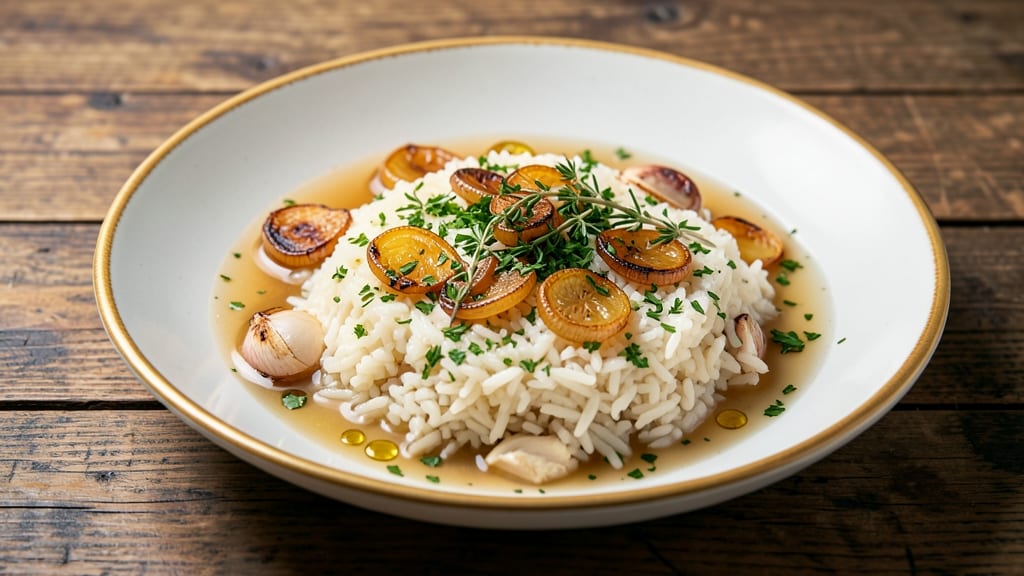
This brothy rice recipe transforms simple grains into a deeply flavorful dish that elevates any meal—think tender rice swimming in aromatic broth, infused with layers of savory depth.
The secret lies in building flavor through slow simmering, where onions, garlic, and herbs meld into the liquid, creating a base that’s rich yet balanced.
I’ve perfected this method over years of testing, ensuring the rice absorbs just enough broth to stay moist without turning mushy, while the aromatics remain vibrant.
The beauty of this dish is its versatility—whether you’re serving it as a side for roasted meats or as a light main with protein added, the technique remains the same.
Using a 1:2 rice-to-broth ratio and a stovetop simmer ensures even cooking, while optional add-ins like mushrooms, spinach, or shredded chicken can be incorporated at the end. The result? A creamy yet brothy texture that’s far more exciting than plain white rice, yet simple enough for weeknight dinners.
What sets this recipe apart is the precision in timing and liquid control—no more dry rice or soggy grains. The slow cooking process allows the rice to develop a subtle nuttiness while the broth reduces to a velvety consistency, coating every grain.
Garnish with fresh herbs or a drizzle of sesame oil for extra brightness, and you’ve got a dish that’s both comforting and sophisticated. Ready to master this technique?
Perfect for meal prep or last-minute sides, this brothy rice adapts to any cuisine—think Spanish paella-inspired flavors, Japanese-style dashi-infused grains, or a simple garlic-herb version. The key is patience; letting the aromatics develop before adding the rice ensures maximum flavor payoff. Let’s get started—your taste buds will thank you.
Ingredients for brothy rice
Simple grains meet aromatic depth—here’s how to build flavorful brothy rice from pantry staples.
| Ingredient | Amount | Notes |
|---|---|---|
| Long-Grain White Rice 🍚 | 1 cup | Uncooked, rinsed thoroughly |
| Yellow Onion 🧅 | 1 whole | Medium, thinly sliced |
| Garlic Cloves 🧄 | 4 cloves | Fresh, minced finely |
| Fresh Thyme 🌿 | 2 tbsp | Leaves only, chopped |
| Fresh Parsley 🌱 | ¼ cup | Chopped, for garnish |
| Chicken Broth 💧 | 3 cups | Low-sodium preferred |
| Extra-Virgin Olive Oil 🫒 | 2 tbsp | For sautéing aromatics |
| Salt 🧂 | 1 tsp | Kosher or sea salt |
| Black Pepper 🌶️ | ½ tsp | Freshly ground preferred |
| Bay Leaf 🍃 | 1 whole | Dried, removed before serving |
| Lemon Juice 🍋 | 1 tbsp | Freshly squeezed |
| Sesame Oil 🫒 | 1 tsp | Toasted, for finishing |
| Optional Mushrooms 🍄 | ½ cup | Sliced, added last |
| Optional Shredded Chicken 🍗 | ½ cup | Cooked, added last |
The rice-to-broth ratio is non-negotiable for texture. Jasmine or basmati rice works best here—both grains stay separate and absorb broth beautifully. For the broth, Homemade stock elevates the dish, but low-sodium store-bought like Swanson or Pacific Foods is a solid shortcut. The onions and garlic are the flavor foundation, so don’t rush the sautéing—5 minutes until soft and translucent ensures deep caramelization. Fresh thyme and parsley add brightness; if using dried, reduce to one-third the amount—dried herbs pack more punch. For the bay leaf, organic is best—it’s removed before serving, so quality matters less, but it prevents bitterness in the broth.
No fresh thyme? Dried thyme at one-third the amount works, but fresh is ideal. Short on lemon juice? White wine vinegar adds acidity without altering flavor. The sesame oil is optional but adds a nutty aroma—Kadoya or La Tourangelle are reliable brands. For the optional add-ins, mushrooms should be sautéed separately before mixing to avoid excess moisture, while shredded chicken can be tossed in after the rice is cooked. If you’re making this ahead, cool quickly in an ice bath to preserve texture—reheat gently with a splash of broth.
This rice reheats beautifully—just add a splash of broth and warm through on low heat. Store in an airtight container for 4-5 days in the fridge or freeze for up to 3 months. For meal prep, portion into individual containers with a drizzle of sesame oil on top—it keeps the rice from drying out. The broth can be reduced further for a thicker consistency, but 1:2 rice-to-broth ratio is the sweet spot for that signature creamy-yet-brothy texture. Garnish with extra parsley or a sprinkle of flaky salt right before serving for a restaurant-quality finish.
Why You'll Love This Recipe
- No-Chop Nightmare: I swear by this method—just slice the onion and garlic roughly, no dice needed. The thyme and parsley wilt into the broth so fast, you’ll barely notice they were ever there. Honestly, it’s the kind of dish that makes me question why I ever bothered with fancy techniques.
- Umami Bomb: That first spoonful of rice with the caramelized onion and garlic? Dangerously addictive. The thyme adds this earthy depth, while the parsley brightens it just enough to make you reach for seconds. It’s the kind of flavor that lingers—like a good memory you can’t quite place.
- Lunchbox Hero: Between us, this rice keeps perfectly for days. Toss it cold in a bento box with a fried egg, or reheat it with a splash of water for that same rich, brothy texture. My kids used to complain about "boring" leftovers—until they tried this. Now they fight over who gets the last bite.
- Pantry Magic: I make this when I’ve got nothing but rice, onions, and a few cloves of garlic left. The broth comes from whatever’s simmering—tomato sauce, chicken stock, even veggie scraps—and turns it into something special. It’s my go-to when the grocery budget’s tight, but the taste? Feels like a splurge.
Step-by-step instructions for brothy rice
Here's the method—simple yet flavorful, with aromatic layers that build depth in every bite.
Sauté Aromatics Until Fragrant
Heat the 2 tablespoons extra-virgin olive oil in a medium saucepan over medium heat. Add the 1 whole yellow onion and cook for 5 minutes, stirring occasionally, until softened and translucent. This step develops the onion's natural sweetness and creates a flavorful base.
Add the 4 cloves minced garlic cloves and 2 tablespoons chopped fresh thyme, then cook for another 1 minute until the garlic becomes golden and fragrant. Be careful not to let the garlic burn—it should smell sweet and inviting, not bitter. Remove the pan from heat for a moment if needed to prevent browning.
Toast the Rice and Add Broth
Return the pan to medium heat and add the 1 cup uncooked long-grain white rice, stirring to coat the grains evenly in the aromatic oil. Toast the rice for 2 minutes until it becomes slightly translucent at the edges. This step, called blooming, enhances the rice's nutty flavor and prevents mushiness.
Pour in the 3 cups chicken broth, ensuring the rice is fully submerged. Add the 1 whole bay leaf, 1 teaspoon salt, and 0.5 teaspoon black pepper. Bring to a gentle boil, then immediately reduce heat to low. Cover the pan tightly with a lid and let it simmer for 15 minutes without disturbing it. This undisturbed simmer allows the rice to absorb the broth evenly and develop a tender, fluffy texture.
Finish with Aromatics and Garnish
After 15 minutes, remove the pan from heat and let it sit covered for 5 minutes. This resting period allows the rice to finish steaming and the flavors to meld. Discard the bay leaf and stir in the 1 tablespoon fresh lemon juice and 1 teaspoon toasted sesame oil. The lemon brightens the dish, while the sesame oil adds a nutty depth that ties everything together.
If using, fold in the 0.5 cup sliced optional mushrooms and 0.5 cup optional shredded chicken gently with a spatula. Garnish with the 0.25 cup chopped fresh parsley just before serving. The parsley adds a fresh, vibrant contrast to the rich, savory rice. Serve immediately while the rice is still steaming hot and the aromatics are at their peak.
Pro Tips For Making Brothy Rice
- Bloom the Onion First: Slice onions thin and cook them in oil over medium heat until they’re soft and just starting to turn translucent—about 4-5 minutes. I learned this the hard way: skipping this step means your rice will taste raw and bitter instead of sweet and aromatic. The onions should be tender enough to mash slightly with the back of a spoon when done.
- Toast the Garlic Lightly: After cooking the onions, add minced garlic and fry it for 30 seconds—just until it smells fragrant but isn’t browned. Overcooking garlic turns it bitter, and that flavor will linger in your rice. Think "golden aroma," not "burnt sacrifice."
- Don’t Skip the Herb Infusion: Tear thyme sprigs and parsley leaves directly into the pot with the rice and broth, then let them steep uncovered for the first 5 minutes of cooking. This pulls their flavor into the rice instead of leaving it as garnish. (Yes, even if you’re impatient like me.)
- Use Double the Broth: For every cup of rice, use 2½ cups of broth—not the 1:1 ratio you’d use for plain rice. Brothy rice needs extra liquid to stay tender and flavorful, and it’ll absorb just enough to leave you with a dish that’s moist but not soggy. Trust me, your rice won’t turn to mush.
Regional styles of this brothy rice
Japanese Nabe-Style
Transform this recipe into a comforting Japanese-inspired nabe-meshi by using dashi broth instead of chicken broth. Start with 1 cup kombu dashi (simmered with 2 dried shiitake mushrooms) and 2 cups water, then add 1 cup chicken broth for depth.
Swap the thyme for 1 tsp grated fresh ginger and 1 tbsp mirin, and finish with 1 tsp soy sauce and 1 tsp sesame seeds. Serve in a cast-iron pot with thinly sliced wagyu beef or tofu for a hearty one-bowl meal. 🗺️
Spanish Paella-Inspired
For a paella twist, use saffron-infused broth (steep ¼ tsp saffron threads in 1 cup hot broth for 10 minutes). Add ½ cup frozen peas and ½ cup diced bell peppers with the rice, along with 1 tsp smoked paprika and ½ tsp turmeric for color.
Top with lemon wedges and sliced almonds for a vibrant, aromatic dish. This version works beautifully with chicken or shrimp as the protein. 🌶️
Thai Coconut Curry Rice
Elevate this recipe with coconut milk for a Thai-inspired tom kha gai flavor. Replace the chicken broth with 1 cup coconut milk and 2 cups light chicken broth, then add 1 tbsp red curry paste and 1 stalk lemongrass (bruised and tied with twine).
Stir in ½ cup chopped cilantro and 1 tbsp fish sauce at the end. Garnish with lime wedges and crushed peanuts for a fragrant, creamy dish. 🌿
Italian Risotto alla Milanese
Turn this into a creamy risotto by using arborio rice (instead of long-grain) and white wine (deglaze with ½ cup dry white wine after sautéing aromatics). Add 1 cup beef broth gradually while stirring, and finish with ½ cup grated Parmesan and 1 tbsp butter.
For authenticity, include saffron (like in the Spanish version) and a pinch of nutmeg. Serve with seared scallops or mushrooms for a restaurant-worthy dish. 🍷
Korean Kimchi Fried Rice
For a Korean-inspired take, stir-fry ½ cup chopped kimchi with the onions and garlic, then add 1 tsp gochujang (Korean chili paste) to the broth. Use short-grain rice for stickier texture, and top with fried eggs, sesame seeds, and green onions.
The tangy, spicy kimchi adds a bold contrast to the creamy rice. This version is perfect for brunch or a quick weeknight dinner. 🌶️
Mexican Pozole-Inspired
Give this recipe a Mexican flair by using homemade or store-bought pozole broth (chicken broth with 1 tsp cumin, 1 tsp oregano, and 1 chipotle pepper in adobo). Add ½ cup hominy (nixtamalized corn) and 1 diced tomato with the rice.
Garnish with radishes, cilantro, and lime wedges for a festive, hearty dish. Serve with shredded chicken or pork for a true pozole experience. 🌮
Nutrition facts
Frequently asked questions
Can I use short-grain rice for this recipe?
While this recipe is designed for long-grain white rice (like jasmine or basmati), you can adapt it for short-grain varieties like sushi rice. Use a 1:1.5 rice-to-broth ratio instead of 1:2, since short-grain absorbs more liquid. Toast the rice for 1 minute less to prevent stickiness, and stir occasionally while simmering to avoid clumping. The result will be creamier but still aromatic.
How do I prevent the rice from becoming mushy?
Mushy rice happens when the grains absorb too much liquid or aren't cooked gently. First, rinse the rice thoroughly before toasting to remove excess starch. Second, maintain a low simmer (not a boil) after adding broth, and never lift the lid while cooking. Finally, use the correct 1:2 rice-to-broth ratio—adding extra broth later is better than starting with too much. For extra insurance, let the rice rest 5 minutes covered after cooking.
What's the best way to make this dish ahead of time?
Brothy rice reheats beautifully! Cook the rice as directed, then cool it quickly in an ice bath to stop the cooking process. Store in an airtight container in the fridge for 4-5 days or freeze for up to 3 months. To reheat, add 2-3 tablespoons of broth or water per cup of rice and warm on low heat until steaming. For meal prep, portion into individual containers with a drizzle of sesame oil on top to lock in moisture.
Can I substitute vegetable broth for chicken broth?
Vegetable broth works perfectly, especially for vegetarian versions. For deeper flavor, add 1 tsp soy sauce or ½ tsp miso paste to the broth before cooking. If using a very mild vegetable broth, consider adding ½ cup coconut milk or 1 tbsp nutritional yeast for richness. The umami profile will still develop beautifully through the sautéed aromatics.
Why does my brothy rice taste bland?
Bland flavor usually comes from one of three issues: underdeveloped aromatics, insufficient seasoning, or weak broth. First, ensure you sauté onions until soft and translucent (5+ minutes)—this caramelization is key. Second, taste the broth before adding rice and adjust with extra salt, a splash of soy sauce, or a pinch of MSG if needed. Third, finish with bright flavors like lemon juice, fresh herbs, or sesame oil. For extra depth, use homemade stock or add 1 tsp fish sauce (works in all broth types).