
Side Dishes
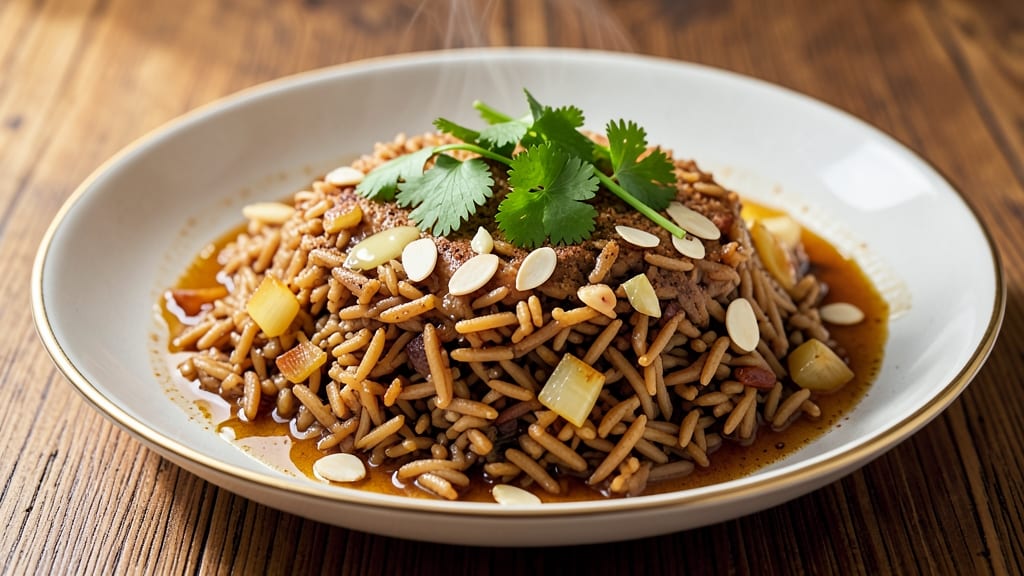
Brown basmati rice pilaf transforms simple grains into a fragrant, nutty side dish that elevates any meal. The key lies in toasting whole spices until aromatic—cinnamon, cumin, and cardamom—before layering them with onions, garlic, and brown basmati rice. This method builds depth of flavor while ensuring the grains stay fluffy and separate, never mushy. Perfect for weeknight dinners or holiday feasts, this one-pot recipe delivers restaurant-quality texture with minimal effort.
What sets this pilaf apart is the balance of nutty brown rice and aromatic spices, cooked slowly in broth until tender yet firm. The result is a dish with golden edges, fragrant steam, and grains that hold their shape beautifully.
Whether served alongside roasted chicken or as a vegetarian centerpiece, this pilaf brings warmth and sophistication to your table. Ready in under 45 minutes, it’s the ideal side for cooks who want flavor without fuss.
Ingredients for brown basmati rice pilaf
Simple spices and aromatic grains create this fragrant, nutty pilaf that elevates any meal effortlessly.
| Ingredient | Amount | Notes |
|---|---|---|
| Brown Basmati Rice 🍚 | 1 ½ cups | Unrinsed for nutty flavor |
| Chicken Broth 💧 | 3 cups | Low-sodium preferred |
| Yellow Onion 🧅 | 1 whole | Diced into small pieces |
| Garlic Cloves 🧄 | 4 cloves | Minced finely |
| Ground Cumin 🌿 | 1 tsp | Toasted for depth |
| Ground Cinnamon 🌶️ | ½ tsp | Freshly ground preferred |
| Ground Cardamom 🌿 | ¼ tsp | Whole pods crushed first |
| Extra-Virgin Olive Oil 🫒 | 2 tbsp | For toasting spices |
| Salt 🧂 | ¾ tsp | Kosher or sea salt |
| Black Pepper 🌶️ | ½ tsp | Freshly ground |
| Unsalted Butter 🧈 | 2 tbsp | Cubed for finishing |
| Fresh Parsley 🌿 | ¼ cup | Chopped for garnish |
The spices make or break this pilaf. Whole cardamom pods need crushing with a mortar and pestle for maximum flavor—don't skip this step. For the best cumin and cinnamon, spice market bulk bins are ideal, but the grocery store versions work fine if they're fresh. Look for vibrant color and strong aroma; if your spices smell dull, they've lost potency. The brown basmati rice should be unrinsed to preserve its nutty flavor—unlike white basmati, rinsing removes the bran layer that gives it that signature taste. I always grab my rice from Whole Foods or Trader Joe's for consistent quality, but any reputable brand will do.
No cardamom? Allspice at half the amount works in a pinch, though it won't be identical. Fresh parsley wilting? Dried parsley at one-third the quantity gets you close, but fresh is ideal for that bright finish. The chicken broth can be substituted with vegetable broth for a vegetarian version, though the flavor profile will differ slightly. For extra richness, swap half the broth for coconut milk. The olive oil should be extra-virgin—regular olive oil lacks the fruity notes that complement the spices. And if you're feeling fancy, toasted almond slices make a stunning garnish that adds crunch.
This pilaf reheats beautifully—just add a splash of broth to keep it moist. Store leftovers in an airtight container for up to 5 days in the fridge, though it's best enjoyed within 3 days for peak texture. For meal prep, double the recipe and freeze portions in single-serving containers. When reheating from frozen, add an extra splash of broth to compensate for moisture loss. The flavors actually deepen overnight, so this dish tastes even better the next day—perfect for making ahead for gatherings.
Why You'll Love This Recipe
- No-Fuss Stovetop Magic: I swear by this method—just toast the onions and garlic in a pot, add the rice, broth, and cumin, then let it simmer. No fancy equipment, no stress, and the rice cooks itself to that perfect nutty crunch. (Yes, even if you’re still in your pajamas at 6:30 PM.)
- Cumin-Kissed Comfort: That earthy cumin and garlic blend is ridiculously good—warm, slightly smoky, and just enough to make you reach for seconds. The brown basmati soaks up the broth without getting mushy, so every bite has that satisfying texture.
- Weeknight Workhorse: Between us, this is my go-to when I need to feed the family fast. Double the batch on Sunday, and you’ve got lunch Monday through Wednesday—toss it with roasted veggies, shredded chicken, or just eat it straight from the pot. No sad leftovers here.
- Budget Meal, Big Payoff: Brown rice is cheaper than white, and chicken broth stretches farther than you’d think. A single bag of basmati and a jar of broth cover so many meals—plus, the cumin costs pennies but makes it taste like a restaurant dish. (My wallet thanks me every time.)
Step-by-step instructions for brown basmati rice pilaf
This method delivers perfectly nutty, fluffy grains with aromatic spices in one pot.
Sauté Aromatics Until Fragrant
Heat the 2 tablespoons extra-virgin olive oil in a medium pot over medium heat. Add the 1 whole yellow onion that's been diced into small pieces and cook for 5-6 minutes until softened and translucent. The onions should release their natural moisture but not brown.
Add the 4 cloves garlic cloves that have been minced finely and cook for 30 seconds until fragrant. Here's where the magic begins - stir in the 1 teaspoon ground cumin, 0.5 teaspoon ground cinnamon, and 0.25 teaspoon ground cardamom. Toast these spices for 30 seconds until you can smell their warm, earthy aromas filling your kitchen. This step builds the pilaf's signature flavor foundation.
Toast the Rice for Nutty Depth
Add the 1.5 cups brown basmati rice to the pot and stir to coat it evenly with the spices and oil. Toast the rice for 2-3 minutes until you can smell its nutty aroma - this is crucial for developing the rice's natural flavors. The grains should look slightly translucent at their edges.
Pour in the 3 cups chicken broth and bring the mixture to a gentle boil. Once boiling, immediately reduce heat to low and cover the pot completely with a tight-fitting lid. This creates a steam bath that prevents the rice from drying out during cooking. The broth should just cover the rice - if it's too low, add a splash of water.
Simmer Until Rice Absorbs Liquid
Cook the rice for 35-40 minutes on low heat. You'll know it's ready when the rice has absorbed all the liquid and the bottom of the pot is completely dry. This is the most critical step - don't peek or lift the lid during cooking as this releases steam and can make the rice dry.
After 35 minutes, check the rice by pressing down gently with a wooden spoon. The grains should be tender but still have a slight bite. If they're not quite done, continue cooking for another 5 minutes. The rice should be fluffy and separate - if it's still too moist, uncover and cook for an additional 2-3 minutes on low heat.
Finish with Butter and Garnish
Once the rice is perfectly cooked, remove it from heat and let it sit covered for 5 minutes. This resting period allows any remaining steam to distribute evenly throughout the grains. Stir in the 2 tablespoons cubed unsalted butter and 0.75 teaspoon salt until melted and incorporated.
Gently fold in the 0.25 cup chopped fresh parsley and 0.5 teaspoon black pepper. The parsley adds a bright finish that cuts through the rich spices. Serve immediately while still hot, fluffing the rice gently with a fork before each serving to maintain its perfect texture.
Pro Tips For Making Brown Basmati Rice Pilaf
- Toast the Spices: Heat that ground cumin in the dry pot for 30 seconds before adding oil—it’ll wake up the aroma and make your whole dish smell like a spice market. I used to skip this, and the flavor just felt flat.
- Rinse Rice Twice: Cold water, two quick rinses, and a good swirl to remove starch—this prevents gummy rice later. Brown basmati needs this more than white because of its higher starch content, and you’ll notice the difference in texture.
- Simmer, Don’t Boil: Once the broth covers the rice, drop the heat to a bare simmer—no rolling bubbles. I’ve burned through three batches before learning this; low and slow keeps the grains intact and the broth flavor absorbed.
- Sauté Onions Low: Cook the onions on medium-low until soft, not browned—you want sweetness, not bitterness. High heat caramelizes them too fast, and that’s a flavor train wreck in a pilaf. Patience here saves the dish.
Best sauces and condiments for these flavors
Creamy Coconut Sauce
Swap out the broth for 2 cups light coconut milk instead of chicken broth to create a luscious, tropical-inspired pilaf. Toast the spices as directed, then add 1 cup vegetable broth along with the coconut milk to maintain proper liquid balance.
The result is a fragrant, slightly sweet pilaf with a velvety texture that pairs beautifully with grilled shrimp or roasted vegetables. For extra richness, stir in 1 tablespoon lime zest at the end. 🥥
Lemon-Herb Yogurt Drizzle
Finish your pilaf with a bright, tangy drizzle that cuts through the nutty spices. Mix ½ cup plain Greek yogurt with 1 tablespoon fresh lemon juice, 1 teaspoon minced fresh dill, and a pinch of salt.
Spoon this over the pilaf just before serving—it adds a cooling contrast that makes every bite feel fresh. This works especially well with the vegetarian version using vegetable broth. 💛
Spiced Tomato Jam
For a sweet-savory twist, prepare a quick tomato jam by simmering 1 cup diced tomatoes with 1 teaspoon sugar, ½ teaspoon smoked paprika, and a pinch of salt until thickened (about 10 minutes).
Stir this into the finished pilaf for a jammy, caramelized depth. The acidity from the tomatoes balances the spices beautifully, creating a complex flavor profile that’s perfect for hearty winter meals. 🍅
Garlic Aioli Swirl
Elevate your pilaf with a bold garlic aioli swirl that adds creaminess and depth. Blend ½ cup mayonnaise with 2 minced garlic cloves, 1 teaspoon lemon juice, and a pinch of salt until smooth.
Drizzle this over the pilaf before serving, then gently swirl with a fork to create marbled patterns. The aioli’s richness complements the nutty rice while adding a luxurious touch. 🧄
Herbed Butter Finish
Replace the plain butter with herbed butter for an extra layer of flavor. Mix 2 tablespoons softened unsalted butter with 1 teaspoon chopped fresh thyme, 1 teaspoon chopped fresh rosemary, and a pinch of salt.
Stir this into the pilaf at the end for an aromatic, herby finish that pairs perfectly with roasted meats or as a standalone vegetarian dish. The herbs brighten the spices and add a sophisticated touch. 🌿
Mango-Habanero Salsa
For a spicy-sweet contrast, top your pilaf with a fresh mango-habanero salsa. Combine ½ cup diced mango, 2 tablespoons finely diced red onion, 1 tablespoon chopped cilantro, ½ teaspoon minced habanero pepper, and a squeeze of lime juice.
The heat from the habanero balances the pilaf’s richness, while the mango adds a tropical sweetness that’s unexpected yet delicious. 🌶️
Nutrition facts
Frequently asked questions
Why should I use brown basmati rice instead of white?
The bran layer in brown basmati rice adds a rich, nutty flavor and extra texture that white rice can't match. Plus, it's packed with fiber and nutrients while still delivering that signature fluffy texture when cooked properly. The toasting step brings out these flavors even more than white rice would.
Can I make this pilaf without cardamom?
Yes! If you're missing cardamom, use ¼ teaspoon allspice or ½ teaspoon cinnamon instead. The dish will still taste amazing—it just won't have that distinctive floral note. For extra depth, add a pinch of nutmeg or clove to compensate for the missing spice complexity.
What's the best way to prevent mushy rice?
Never lift the lid while cooking, and use a tight-fitting lid to trap steam. After cooking, let it rest covered for 5 minutes before fluffing. If the rice seems undercooked, uncover and cook for another 2-3 minutes on low heat—this helps evaporate excess moisture without drying it out.
How can I make this vegetarian?
Swap the chicken broth for vegetable broth and add ½ cup toasted almonds or cashews for protein. For extra flavor, stir in 1 teaspoon turmeric with the spices. The dish works beautifully with roasted vegetables or as a standalone main course with a yogurt sauce.
Can I make this ahead of time?
This pilaf tastes even better the next day. Store leftovers in an airtight container for up to 5 days in the fridge. When reheating, add a splash of broth to restore moisture. For meal prep, double the recipe and freeze portions in single-serving containers—just thaw overnight in the fridge before reheating.