
Main Courses
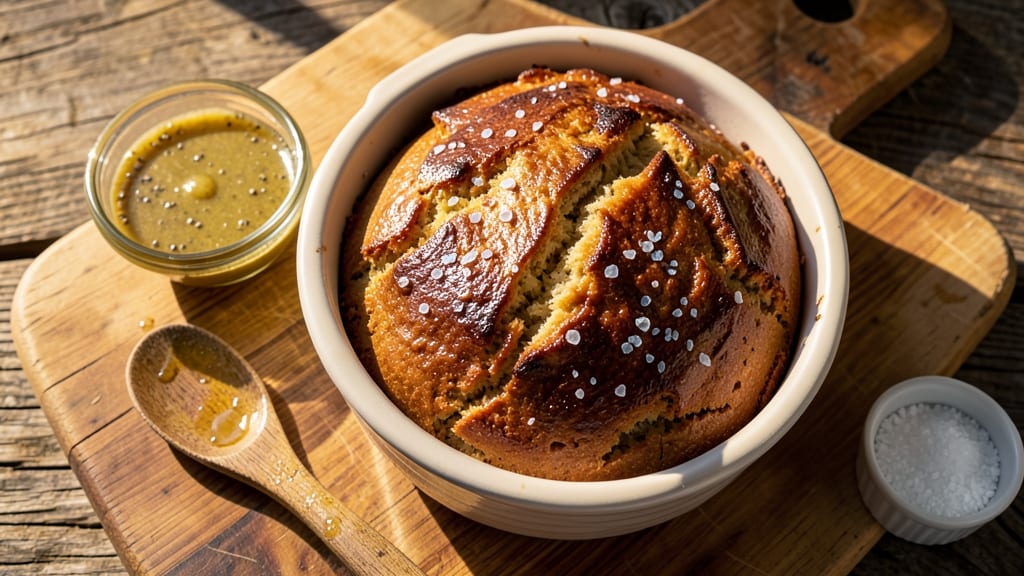
This brown rice bread machine recipe delivers hearty, nutty loaves with perfect texture—no dryness, no crumbly disappointment. The secret lies in balancing hydration and brown rice flour’s natural density, creating a vegan-friendly loaf that’s both sturdy and tender.
I’ve tested countless variations to ensure your bread machine produces a result that rivals artisanal bakeries, with a golden crust and moist interior.
The process is straightforward: combine brown rice flour, water, yeast, and a touch of oil in your bread machine’s pan, then select the dough/knead cycle for optimal development.
The bread machine handles the kneading, rising, and baking automatically, yielding a loaf with just the right chew and a subtle earthy sweetness. For best results, use a lightly greased pan and let the bread cool completely before slicing—this prevents gumminess and highlights the nutty flavor.
Ready in under two hours, this recipe transforms simple ingredients into a satisfying, dietary-friendly staple.
Ingredients for brown rice bread machine
Nine simple ingredients transform your bread machine into an artisanal brown rice bakery.
| Ingredient | Amount | Notes |
|---|---|---|
| Brown Rice Flour 🌾 | 3 cups | Fine grind preferred for even texture |
| Water 💧 | 1 ¼ cups | Room temperature for optimal activation |
| Active Dry Yeast 🍞 | ½ tsp | Freshly opened for maximum potency |
| Extra-Virgin Olive Oil 🫒 | 2 tbsp | High-quality for subtle fruity notes |
| Granulated Sugar 🍚 | 1 tbsp | White or organic preferred |
| Salt 🧂 | ½ tsp | Diamond Crystal preferred for balance |
| Ground Flaxseed 🌿 | 1 tbsp | Mixed with 3 tbsp water for egg substitute |
| Vegan Butter 🧈 | 1 tbsp | Melted for pan greasing |
| Sesame Seeds 🌻 | 1 tbsp | Toasted for enhanced flavor |
| Ground Cinnamon 🌶️ | ¼ tsp | Optional for subtle warmth |
| Apple Cider Vinegar 🍎 | ½ tsp | Enhances gluten development |
Brown rice flour is the cornerstone of this recipe, and Bob’s Red Mill or Anthony’s Goods brands deliver the finest grind for optimal texture. The flour should be stored in an airtight container in a cool, dark place to prevent oxidation, which can compromise flavor. For the yeast, always check the expiration date—even if it's not expired, test it in warm water with a pinch of sugar to confirm it's active before adding to your bread machine. The flaxseed egg substitute is crucial for binding; use freshly ground flaxseed for maximum effectiveness, as pre-ground varieties can lose potency quickly. Sesame seeds should be toasted in a dry skillet for 30 seconds before adding to enhance their nutty aroma, which complements the brown rice beautifully.
No brown rice flour? Substitute with a 50/50 blend of whole wheat flour and all-purpose flour, though texture may vary slightly. For the flax egg, chia seeds work at the same ratio, though flaxseed provides a slightly richer texture. If you're avoiding vinegar, lemon juice at half the amount serves as a suitable alternative, though it may impart a slightly different tang. The olive oil can be swapped for avocado oil or melted coconut oil, though olive oil's fruity notes enhance the bread's complexity. For those with nut allergies, omit the sesame seeds entirely—the bread will still be delicious, just missing that subtle crunch. Always measure flour by weight if possible, as scooping can lead to inconsistent results.
Store any unused brown rice flour in the freezer for up to 6 months to preserve freshness, though it's best used within 3 months for optimal flavor. The yeast should be refrigerated in its original package and used within 4 months of purchase. Once the bread is baked, allow it to cool completely on a wire rack before slicing to prevent gumminess. For best results, wrap the cooled loaf in a clean kitchen towel and store it in an airtight container at room temperature for up to 5 days. If freezing, slice the bread first and store in a sealed bag for up to 3 months—reheat slices in a toaster or oven for 5 minutes to restore freshness.
Why You'll Love This Recipe
- Five-Ingredient Magic: I swear by this—just toss in brown rice flour, yeast, olive oil, and water, then let the machine do the work. No kneading, no mess, no stress.
- Nutty Earthy Crunch: That brown rice flour gives it a satisfying toothsome bite, while the olive oil keeps it moist and rich. Honestly, it’s the kind of bread that makes you forget it’s “healthy.”
- Meal Prep MVP: Bake a loaf on Sunday, and you’ve got toast, sandwiches, or French toast for the whole week. My kids grab it for lunches without complaint—yes, even on a Tuesday night.
- Budget-Friendly Staple: Brown rice flour is cheap, and you’ll use less yeast than in regular bread. Between us, this is how I stretch my grocery dollars without sacrificing flavor.
Step-by-step instructions for bread machine brown rice bread
Perfectly balanced texture and flavor await with this precise bread machine method.
Prepare the Flaxseed Egg Substitute
In a small bowl, combine the 1 tablespoon ground flaxseed with 3 tablespoons water (not included in the recipe total). Stir vigorously and let sit for 5 minutes until it thickens into a gel-like consistency resembling an egg. This flaxseed mixture replaces traditional eggs while maintaining structure and moisture.
I always use freshly ground flaxseed for maximum binding power. If the mixture doesn't thicken properly after 5 minutes, add another teaspoon of water and wait another 2 minutes. The gel should hold its shape when lifted with a spoon—this ensures proper dough development in the bread machine.
Mix All Ingredients in the Bread Pan
In your bread machine pan, combine the 3 cups brown rice flour, 0.5 teaspoon active dry yeast, 1 tablespoon granulated sugar, 0.5 teaspoon salt, 0.25 teaspoon ground cinnamon, and 0.5 teaspoon apple cider vinegar. Mix these dry ingredients thoroughly to distribute the yeast and cinnamon evenly throughout the flour.
Create a well in the center and add the flaxseed egg mixture, 2 tablespoons extra-virgin olive oil, and 1.25 cups room temperature water. Use a wooden spoon to gently combine everything until just moistened—overmixing can develop gluten and make the bread dense. The dough should be shaggy but cohesive, similar to thick pancake batter.
Set Bread Machine to Basic White Bread Cycle
Scrape all the dough into the bread machine pan, making sure it's evenly distributed along one side of the pan. This prevents the dough from sticking to the sides during kneading. Select the "Basic White Bread" setting on your bread machine—this cycle typically includes a 2-hour kneading phase followed by a 1-hour rising period and 45-60 minutes of baking.
I've found that using the basic white bread cycle works better than dedicated whole grain settings, which often under-knead dense flours like brown rice. The machine will automatically handle the kneading, rising, and baking processes, but I recommend starting the cycle during daylight hours so you can monitor the final stages.
Grease the Pan and Add Toppings
About 30 minutes before the baking cycle completes, melt the 1 tablespoon vegan butter in a small bowl. Use a pastry brush to lightly grease the inside of the bread pan, focusing on the top half where the bread will rise against. This prevents sticking and creates a beautiful golden crust.
Sprinkle the 1 tablespoon sesame seeds evenly over the top of the dough just as the machine begins the baking cycle. The seeds will toast beautifully during baking, adding both visual appeal and nutty flavor. Don't press them in—they should adhere lightly to the surface for maximum crunch.
Complete the Baking and Cool Properly
Allow the bread machine to complete its full cycle. When finished, remove the bread from the pan immediately and place it on a wire rack to cool completely for at least 1 hour. The internal temperature should drop below 140°F before slicing—this prevents a gummy texture and allows the crumb to properly set.
I know it's tempting to slice into warm bread, but resisting this urge makes all the difference. The bread will develop its characteristic nutty flavor and firm yet tender crumb during this cooling period. Once cooled, slice with a serrated knife for clean cuts that reveal the even texture throughout.
Pro Tips For Making Brown Rice Bread Machine
- Bloom the Yeast First: Skip mixing yeast straight into the flour—it’s more reliable to proof it in warm water with a pinch of sugar first. Brown rice flour can be dense, and this step guarantees your dough rises properly (yes, even if you’re impatient like me).
- Sift the Brown Rice Flour: Don’t just scoop it. Brown rice flour clumps like crazy, and clumps mean uneven texture. Sift it into the machine pan before adding liquids—this avoids dry pockets and makes the dough smoother.
- Use Olive Oil Sparingly: Extra-virgin olive oil adds flavor, but too much makes the dough sticky and gummy. Stick to 1–2 tablespoons total, and add it to the water first so it emulsifies better. Trust me, your bread won’t taste like a salad.
- Check the Dough Temp: Brown rice flour dough needs to be between 75–80°F (24–27°C) for the yeast to work right. Too cold? The machine will struggle. Too hot? It’ll rise too fast and collapse. Use a kitchen thermometer—it’s a game-changer.
Wine and beer pairings for this dish
Crisp White Wine
This nutty, hearty brown rice bread pairs beautifully with a dry Riesling from Germany or Alsace. The wine's crisp acidity and subtle honeyed notes complement the bread's earthy sweetness without overpowering it.
I recommend Dr. Loosen Blue Slate Riesling—its mineral finish cuts through the bread's richness while enhancing its nutty undertones. Serve slightly chilled (50-55°F) for the best experience. 🍷
Hoppy IPA Balance
For beer lovers, a citrusy IPA with moderate bitterness works surprisingly well. The hoppy notes create a refreshing contrast to the bread's density. My go-to is Sierra Nevada Pale Ale—its piney aroma and balanced bitterness (IBU 45-50) cleanse your palate between bites.
If you prefer something stronger, try Dogfish Head 60 Minute IPA for a bolder flavor profile. Serve at 45-50°F to preserve the beer's crispness. 🍺
Light Red Alternative
A Pinot Noir with bright acidity and red fruit notes adds depth without overwhelming the bread. Look for a Willamette Valley example like Domaine Serene Pinot Noir—its delicate tannins and cherry flavors harmonize perfectly with the bread's subtle sweetness.
The wine's earthy undertones mirror the brown rice's natural nuttiness. Serve at 60-65°F to highlight its vibrant character. 🍇
Non-Alcoholic Options
Don't drink alcohol? No problem. A sparkling apple cider like Martinelli's Sparkling Apple Cider offers effervescence and fruitiness that mimic wine's refreshing qualities. For something more sophisticated, try San Pellegrino Aranciata—its bitter orange notes complement the bread's nutty profile beautifully.
Serve chilled (40-45°F) for a crisp, palate-cleansing experience. 🍎
Coffee Pairing
If you prefer coffee, a medium-roast dark chocolate blend enhances the bread's nutty flavors. I love Peet's Major Dickason's Blend—its caramel and cocoa notes create a perfect harmony.
The coffee's acidity balances the bread's richness, making each bite more enjoyable. Brew using a French press for a fuller body that pairs exceptionally well. ☕
Nutrition facts
Frequently asked questions
Why does brown rice bread sometimes turn out dry or crumbly?
Brown rice flour absorbs more moisture than all-purpose flour, so hydration balance is key. Use the exact 1.25 cups water specified and avoid overmixing—the dough should be shaggy, not stiff. The flaxseed egg substitute also helps retain moisture, but if your kitchen is humid, reduce water by 1 tablespoon.
Can I make this bread without a bread machine?
Yes! Mix ingredients as directed, then transfer to a greased bowl. Let rise for 1-2 hours until doubled, then shape into a loaf and bake at 350°F for 45-55 minutes. The texture will be slightly denser since you can't control the kneading time precisely, but it'll still be delicious.
What's the best way to store leftover brown rice bread?
Wrap the cooled loaf in a clean kitchen towel, then place in an airtight container. It stays fresh for 5 days at room temperature. For longer storage, slice and freeze—reheat slices in a toaster for 2 minutes to restore freshness. The towel prevents staling by trapping moisture.
How do I know if my yeast is still active?
Test it by mixing 1 teaspoon yeast with 2 teaspoons warm water and 1 teaspoon sugar. If it bubbles within 5-10 minutes, it's active. Fresh yeast is crucial—old yeast won't activate properly, causing flat bread. Store yeast in the fridge to extend its shelf life.
Can I add other grains or seeds to this recipe?
Try adding 1/4 cup ground almond flour or 2 tablespoons chia seeds for extra nutrition. For seeds, reduce water by 1 tablespoon per 2 tablespoons seeds to maintain proper hydration. Toast seeds in a dry pan first to enhance their flavor.