
Main Courses
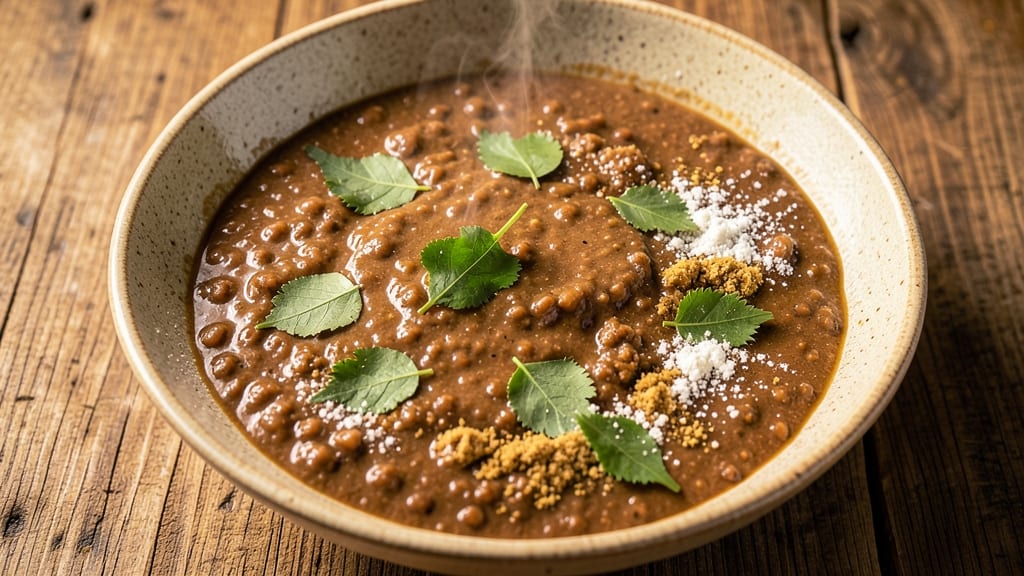
This brown rice dosa batter recipe transforms traditional South Indian cooking with crispy, fermented layers that pack a nutritious punch. The secret lies in balancing brown rice's earthy texture with fermented tanginess, creating dosas that are lighter yet equally satisfying as classic versions.
Fermentation develops the signature crispiness while enhancing digestibility—no compromises on flavor or health.
By the time you flip the first golden-brown dosa, you’ll taste the perfect harmony of fermented tang, crispy edges, and tender centers—all achieved with simple ingredients and a foolproof fermentation process.
Whether served with coconut chutney or sambar, these dosas bring restaurant-quality texture to your home kitchen while keeping the meal vegan and wholesome. The batter’s versatility also means you can experiment with fillings like spiced potatoes or grated vegetables for added depth.
Ingredients for brown rice dosa batter
Simple whole grains and aromatic spices create crispy, fermented dosa perfection every time.
| Ingredient | Amount | Notes |
|---|---|---|
| Brown Rice 🌾 | 1 cup | Uncooked, medium grain preferred |
| Urad Dal (Black Gram) 🌱 | ½ cup | Split, skinless dal for fermentation |
| Rice Flour 🌾 | ½ cup | White rice flour for crispiness |
| Water 💧 | 2 ½ cups | Filtered or spring water preferred |
| Salt 🧂 | ½ tsp | Fine sea salt for balance |
| Curry Leaves 🌿 | ¼ cup | Fresh, finely chopped leaves |
| Green Chilies 🌶️ | 2 whole | Fresh, slit lengthwise |
| Asafoetida (Hing) 🌿 | ⅛ tsp | Pinch for authentic flavor |
| Coconut Oil 🫒 | 1 tbsp | For cooking dosas, virgin preferred |
| Lemon Juice 🍋 | 1 tbsp | Freshly squeezed for tang |
| Cumin Seeds 🌱 | ½ tsp | Toasted lightly for aroma |
| Fresh Coriander Leaves 🌿 | ¼ cup | Chopped for garnish |
The brown rice is the heart of this recipe—look for medium-grain varieties at Whole Foods or Indian grocery stores for the best texture. Urad dal is non-negotiable for that signature crispiness; skip the pre-split versions if possible. Rice flour from Bob's Red Mill or Indian specialty stores ensures the right crispy edge. For curry leaves, fresh is essential—dried won't cut it here. Green chilies should be firm and vibrant; if they're soft, reduce the quantity by half. Asafoetida (hing) is available at Indian markets or online—MDH brand is widely trusted.
No urad dal? Substitute with 0.25 cup more rice flour and 0.25 cup chickpea flour for a similar texture. Dried curry leaves (at half the amount) won't replicate the fresh flavor, but they'll work in a pinch. Lemon juice can be swapped for apple cider vinegar if you're out, but fresh is always better. Cumin seeds can be omitted if you dislike their aroma, but they're key for that authentic South Indian taste. Pre-fermented dosa mixes exist, but making your own from scratch guarantees better fermentation and crispiness—trust me on this.
The batter ferments best at room temperature (75-80°F) for 8-12 hours. If your kitchen is cooler, extend fermentation to 14-16 hours. Store leftovers in an airtight container in the fridge for up to 3 days, but ferment again for 4-6 hours before using. Coconut oil for cooking adds a subtle sweetness—use virgin for the best flavor. Garnish with fresh coriander right before serving to keep it vibrant. The batter thickens as it ferments, so add a splash of water if it becomes too stiff before cooking.
Why You'll Love This Recipe
- Here’s what sold me: I make a big batch on Sundays, store it in the fridge for five days, and still get perfect dosas. No fermentation headaches, no last-minute scrambling. Just grab, cook, eat. My kids’ school lunches? Suddenly way more exciting than sandwiches.
- No-Soaking Needed: I’ll admit, I used to dread the overnight soak for regular dosa batter. But this version? Just soak the brown rice for four hours—set a timer, forget about it. The urad dal still needs a quick rinse, but that’s it. Minimal effort, maximum payoff.
- Nutty, Earthy Depth: That brown rice brings a whole new flavor game. The batter has this warm, toasty richness from the rice flour and urad dal that regular dosa just can’t match. Plus, the slight crunch from the brown rice? It’s like a little surprise in every bite—no one expects it, but everyone loves it.
- Meal Prep MVP: Here’s what sold me: I make a big batch on Sundays, store it in the fridge for five days, and still get perfect dosas. No fermentation headaches, no last-minute scrambling. Just grab, cook, eat. My kids’ school lunches? Suddenly way more exciting than sandwiches.
Step-by-step instructions for fermenting brown rice dosa batter
Here's how to create a perfectly fermented batter that delivers crispy, fluffy dosas every time.
Soak the Brown Rice and Urad Dal Separately
Place the 1 cup brown rice and 0.5 cup urad dal (black gram) in separate bowls. Cover each with water—2 cups for the rice and 1.5 cups for the dal—and let them soak for at least 6 hours or overnight. The rice should absorb water and become pliable, while the dal will soften noticeably. I always soak them separately because the dal ferments faster and needs more hydration to develop its signature tang.
After soaking, drain the rice and dal thoroughly using a fine-mesh strainer. Press gently to remove excess water—this prevents a watery batter later. The rice should feel moist but not wet, and the dal should hold together when squeezed. This step is crucial for achieving the right fermentation balance and crispy texture in your dosas.
Grind the Soaked Ingredients into a Smooth Batter
Transfer the drained rice and dal to a wet grinder or high-powered blender. Add 0.5 tsp salt, 0.25 cup finely chopped curry leaves, 2 slit green chilies, and 0.125 tsp asafoetida (hing). Grind first into a coarse paste, then gradually add 2.5 cups water while grinding until you achieve a smooth, lump-free batter. The consistency should be slightly thicker than crepe batter—it should coat the back of a spoon but still flow easily.
Here's the thing—don't rush this step. The batter should be completely smooth with no gritty texture. If using a blender, work in batches to ensure even grinding. The urad dal gives the batter its signature protein-rich texture, while the brown rice adds that signature crispiness when cooked. Taste the batter at this stage—it should be mildly tangy from the dal and slightly sweet from the rice.
Ferment the Batter for Optimal Rise
Transfer the batter to a clean, wide-mouthed container. Cover it with a damp cloth (this prevents a skin from forming while allowing fermentation). Let it ferment at room temperature for 8-12 hours—the ideal spot is near your oven where it's warm but not hot. You'll know it's ready when the batter doubles in volume, develops a slightly sour smell, and small bubbles form on the surface. This fermentation process creates the light, fluffy texture that makes dosas so special.
I've found that fermenting for exactly 10 hours gives me the perfect balance—enough tang without over-fermenting. If your kitchen is cooler, extend the fermentation time slightly. The batter should be noticeably lighter in color and have a pleasant, tangy aroma. If it smells strongly alcoholic or has a sharp odor, it's over-fermented—start fresh with a new batch.
Prepare the Batter for Cooking
Once fermented, give the batter a quick stir to redistribute any settled ingredients. Add 0.5 cup rice flour, 0.5 tsp toasted cumin seeds, 1 tbsp lemon juice, and 1 tbsp coconut oil. Mix thoroughly until the rice flour is fully incorporated and the batter becomes slightly thicker. The lemon juice brightens the flavor while the coconut oil adds richness to the crispy layers. Let the batter rest for 15-20 minutes before cooking—this allows the flavors to meld.
Here's where the magic happens: the rice flour creates that signature crispy exterior while keeping the interior soft. Taste the batter again—it should be tangy, slightly sweet, and properly seasoned. If it needs more salt, add it now. The batter should be spreadable but not too thin. If it's too thick, add 1-2 tablespoons water to achieve the perfect consistency for pouring thin, even dosas.
Pro Tips For Making Brown Rice Dosa Batter
- Soak Urad Dal Separately: Brown rice takes forever to soften, but urad dal needs a shorter soak—about 4-5 hours max. If you mix them together, the dal will turn mushy while the rice stays hard. Save time by soaking urad dal in a separate bowl with double the water, then drain and rinse before combining.
- Grind in Batches: I learned this the hard way—overloading your grinder with brown rice and urad dal together makes a gummy, uneven batter. Split the urad dal first (it grinds faster), then add rice flour in small batches while grinding. The batter should look like thick pancake batter, not glue.
- Rest the Batter: Skipping the rest is the fastest way to end up with dense, chewy dosas. After grinding, let the batter sit covered for at least 2 hours—ideally overnight. The starches settle, and the batter becomes lighter. Pro move: Add a splash of warm water if it’s too thick after resting.
- Use Warm Water for Fermentation: Cold water slows fermentation, and brown rice batter needs a little help. Replace half the water with warm (not hot) water when mixing the batter. This kickstarts fermentation faster, giving you fluffier dosas in half the time—especially useful if you’re short on prep hours.
Wine and beer pairings for this recipe
Light White Wine
For this crisp, fermented dosa, I recommend a dry Indian white wine like Chenin Blanc from the Karnataka region—its citrusy notes complement the tangy batter beautifully. A Sauvignon Blanc from New Zealand also works wonderfully, with its bright acidity cutting through the richness of coconut oil.
Avoid oaky wines like Chardonnay, as they’ll clash with the delicate flavors. Serve slightly chilled for the best experience. 🍷
Crisp Lager Beer
A light, crisp lager like Kingfisher (India’s classic) or Peroni (Italian pilsner) balances the dosa’s earthy brown rice with refreshing carbonation. The subtle malt sweetness in lagers pairs perfectly with the fermented tang.
For a local twist, try Bangalore Union—its clean finish won’t overpower the dish. Avoid heavy stouts or IPAs, which would dominate the delicate flavors. 🍺
Spiced Rum Cocktail
For a festive touch, mix 1.5 oz dark rum (like Bacardi Superior) with 0.5 oz lime juice and a dash of Angostura bitters. Serve over ice with a sprinkle of toasted cumin—this cocktail’s warmth mirrors the dosa’s crispy edges.
The rum’s caramel notes enhance the brown rice’s nuttiness. Garnish with a curry leaf for an authentic South Indian flair. 🌶️
Herbal Infusions
If you prefer non-alcoholic, try hibiscus iced tea (commonly called karkade)—its tartness mirrors the lemon juice in the batter. Or steep fennel seeds in hot water for a licorice-like infusion that pairs beautifully with urad dal’s earthiness. Both options refresh the palate between crispy bites. ✨
Nutrition facts
Frequently asked questions
Why does brown rice dosa batter need extra rice flour?
The 0.5 cup rice flour creates the signature crispy layers while keeping the interior soft. Brown rice alone doesn't develop enough crispiness when cooked, so the white rice flour acts as a texture enhancer—think of it as the secret to that perfect crunch!
Can I make this batter without a wet grinder?
Yes! Use a high-powered blender in batches, adding 2-3 tablespoons water between pulses to prevent overheating. For extra smoothness, strain the batter through a fine-mesh sieve after blending. The key is patience—don't rush the grinding process or you'll end up with grittiness.
What if my batter doesn't ferment properly?
If the batter smells sour or alcoholic after 12 hours, it's over-fermented. For under-fermented batter (no bubbles after 10 hours), add 1 tsp yogurt or 0.5 tsp baking soda to kickstart fermentation. Keep the container warm (try placing it near your oven) and check every 2 hours.
How do I prevent my dosas from sticking to the pan?
Heat your non-stick or cast-iron pan on medium-high heat until hot (test with a drop of water—it should sizzle). Use 1 tbsp coconut oil per dosa and spread it evenly. The batter should sizzle immediately—if it bubbles too much, your pan isn't hot enough. A well-seasoned pan makes all the difference!
Can I make this batter ahead of time?
Prepare the batter up to 2 days in advance and store it in an airtight container in the fridge. When ready to cook, let it sit at room temperature for 1-2 hours to come to room temp, then add 1 tbsp lemon juice to refresh the fermentation. The flavor actually improves with a day's rest!