
Main Courses
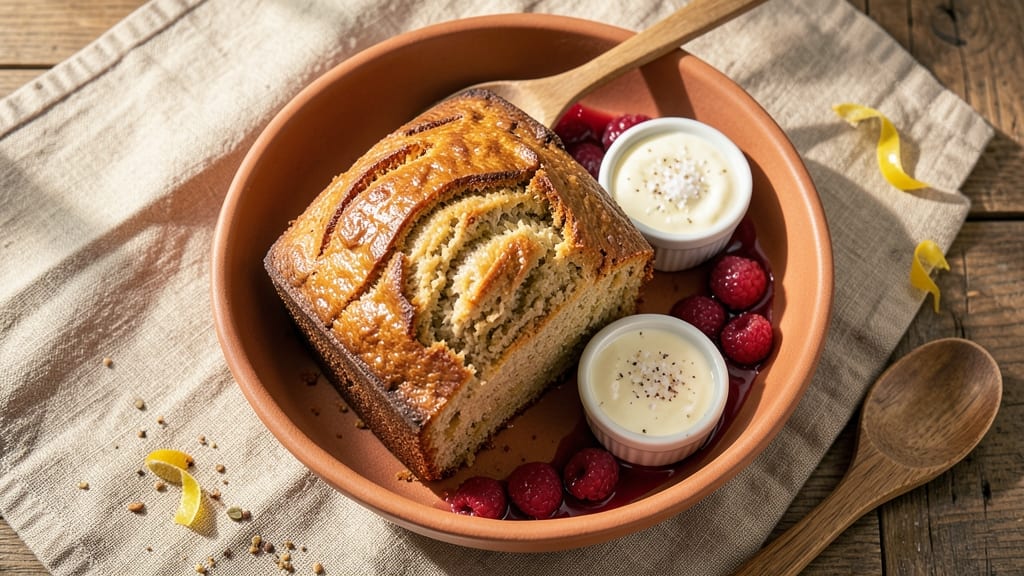
This brown rice flour bread machine recipe transforms your kitchen into an artisan bakery with minimal effort. The nutty depth of brown rice flour creates a loaf that's lighter than traditional whole-grain breads, yet packed with fiber and protein.
My version uses a simple mix of flours and a precise hydration ratio to ensure a crusty exterior and tender crumb—no kneading required.
The beauty of this recipe lies in its adaptability: gluten-free options are possible with xanthan gum, and you can boost flavor with seeds or herbs. Your bread machine handles all the work while you focus on the final touches—like brushing the loaf with olive oil for extra shine.
Perfect for those seeking wholesome, easy-to-digest bread without sacrificing texture or taste.
Ingredients for brown rice flour bread machine
Simple, wholesome ingredients for a bread machine masterpiece with nutty depth and perfect texture.
| Ingredient | Amount | Notes |
|---|---|---|
| Brown Rice Flour 🌾 | 2 ½ cups | Finely milled for best texture |
| All-Purpose Flour 🌾 | 1 ½ cups | White or whole wheat blend |
| Extra-Virgin Olive Oil 🫒 | ½ cup | Cold-pressed for flavor |
| Water 💧 | 1 ½ cups | Room temperature preferred |
| Non-Dairy Milk 🥛 | ½ cup | Almond or oat milk works best |
| Granulated Sugar 🍯 | 2 tbsp | Or maple syrup for vegan option |
| Active Dry Yeast 🍞 | 2 ¼ tsp | Ensure expiration date is fresh |
| Salt 🧂 | 1 ½ tsp | Fine sea salt preferred |
| Ground Flaxseed 🌿 | 1 tbsp | For omega-3 boost |
| Sesame Seeds 🌰 | 1 tbsp | Optional for crunchy top |
| Vegan Olive Oil 🫒 | 1 tbsp | For brushing final loaf |
| Xanthan Gum 🌾 | ¼ tsp | Gluten-free option only |
Brown rice flour is the star here—Bob's Red Mill or Anthony's Goods are my go-tos for consistent texture. If you can't find it locally, Amazon has great options, but check reviews for fineness. The all-purpose flour balances the nuttiness—stick with a white flour for lighter texture, but whole wheat works too if you want extra fiber. Yeast is non-negotiable for rise, so check expiration dates—old yeast won't activate properly. For the flaxseed, grind it fresh if possible (or buy pre-ground), and store it in the fridge to prevent rancidity. Sesame seeds add crunch but aren't essential—skip them if you're gluten-free without xanthan gum.
No brown rice flour? Substitute with white rice flour at the same amount, but texture will be slightly denser. Running short on olive oil? Avocado oil or melted coconut oil works in a pinch. The non-dairy milk can be swapped for water, but you'll lose that slight richness. For sweetness, maple syrup or agave work perfectly—just reduce liquid by 1 tbsp if using. The xanthan gum is only needed if you're gluten-free; otherwise, skip it entirely. If your bread machine has a 'whole grain' setting, use it—it adjusts kneading time for denser flours.
Store the flour blend in an airtight container for up to 3 months to prevent moisture absorption. The yeast packet should be refrigerated after opening for up to 2 weeks. Once baked, this loaf stays fresh for 3-4 days at room temperature, wrapped in a cloth. For longer storage, slice and freeze portions—3 months in a sealed bag. The sesame seeds? Toast them lightly before sprinkling for extra flavor, but don't burn them or they'll taste bitter. Brush the warm loaf with olive oil while still in the pan for that restaurant-quality shine.
Why You'll Love This Recipe
- No-Fuss Mixing: I swear, this dough comes together in five minutes—just toss the flours, oil, and milk in the bread machine’s bowl. No kneading, no mess, no stress. The brown rice flour gives it a subtle nuttiness that’s impossible to resist.
- Nutty Crust Magic: That crispy exterior? The brown rice flour and olive oil team up for a golden crust with a hint of toasted grain flavor—like a cross between sourdough and a warm, buttery roll. Honestly, it’s the kind of bread that makes you pause mid-bite.
- Meal Prep MVP: Slice it fresh, toast it later. This bread holds up perfectly for days, whether you’re packing lunches or reheating slices in the toaster. The non-dairy milk keeps it soft without going stale—my go-to for busy mornings.
- Budget-Friendly Staple: Brown rice flour is cheaper than specialty flours, and you’re using pantry basics. A loaf costs me pennies but feels like a bakery buy—especially when I stretch it into sandwiches, croutons, or even breadcrumbs for weeknight dinners.
Step-by-step instructions for brown rice flour bread machine recipe
Let's create a nutty, artisanal-style loaf using your bread machine's magic.
Mix the Wet and Dry Ingredients
In a large mixing bowl, combine the 1.5 cups all-purpose flour and 2.5 cups brown rice flour. Add the 2.25 teaspoons active dry yeast, 1.5 teaspoons salt, and 0.25 teaspoon xanthan gum to the dry ingredients. Whisk everything together until there are no visible flour streaks—this ensures even distribution of the gluten-free binder.
In a separate small bowl, whisk together the 1.5 cups water, 0.5 cup non-dairy milk, 0.5 cup extra-virgin olive oil, and 2 tablespoons granulated sugar until fully combined. This creates a smooth liquid base that will hydrate the flours perfectly. Pour the wet mixture into the dry ingredients and stir with a wooden spoon until a shaggy dough forms. You'll notice the brown rice flour makes the dough denser than traditional bread dough.
Add Flaxseed and Knead in the Bread Machine
Sprinkle the 1 tablespoon ground flaxseed over the dough and gently fold it in with your hands. The flaxseed adds a subtle nutty flavor and boosts the bread's nutritional profile. Transfer the dough to your bread machine pan and give it a quick scrape to remove any stray bits from the bowl.
Set your bread machine to the "Basic White Bread" setting—this cycle typically includes a 2-hour kneading phase followed by a 1-hour rising period and 45-60 minutes of baking. The machine will handle all the hard work, but it's important to let the dough knead completely so the gluten develops properly (even with gluten-free alternatives). If your machine has a "gluten-free" setting, select that instead.
Brush and Seed the Finished Loaf
Once the bread machine completes its cycle, remove the loaf from the pan and place it on a wire rack to cool for 10-15 minutes. The bread will still be warm, and the crust will be slightly crispy but not fully hardened. While it cools, brush the top generously with 1 tablespoon vegan olive oil using a pastry brush. This step adds moisture and enhances the bread's texture.
Sprinkle the 1 tablespoon sesame seeds evenly over the oiled top, pressing them gently so they adhere. The seeds will add a delightful crunch and visual appeal. Let the bread cool completely before slicing—this prevents a gummy interior. The nutty aroma from the brown rice flour will be especially pronounced as it cools.
Store and Enjoy Your Artisan-Light Loaf
Once fully cooled, wrap the loaf in a clean kitchen towel or plastic wrap and store it at room temperature for up to 3 days. For longer storage, slice the bread and freeze individual portions between parchment paper. When ready to eat, toast the slices for 2-3 minutes until golden brown—this brings out the bread's nutty depth and creates a satisfying crunch.
This bread pairs beautifully with soups, spreads, or simply on its own with a pat of vegan butter. The combination of brown rice flour and all-purpose flour creates a lighter texture than 100% brown rice bread while maintaining that distinctive nutty flavor. Each slice delivers a satisfying chew and subtle sweetness from the sugar and olive oil.
Pro Tips For Making Brown Rice Flour Bread Machine
- SIFT THE FLOUR FIRST: Brown rice flour is heavy and clumpy—don’t just dump it in. Sift it through a fine-mesh sieve twice before mixing with all-purpose flour, then whisk the blend vigorously to break up any remaining lumps. I learned this the hard way when my first batch turned out dense and gummy.
- WEIGH YOUR LIQUIDS: That non-dairy milk and water combo is crucial—don’t eyeball it. Brown rice flour absorbs moisture differently than wheat flour, so use a kitchen scale for precision (aim for about 120-140g total liquid per 2 cups flour blend). My first loaf collapsed because I guessed, and the second one rose perfectly.
- KNEAD LESS, REST MORE: Brown rice flour bread needs minimal kneading—just until the dough comes together. Overworking it makes gluten relax, leading to a dense crumb. Let the dough rest in the bread machine’s bowl for the full recommended time (usually 5-10 minutes after mixing) before starting the cycle. Patience here guarantees a lighter texture.
- OIL THE BOWL WELL: Skip the greased pan trick—coat the entire inside of the bread machine bowl with a thin layer of extra-virgin olive oil before adding the dough. This prevents sticking and helps the bread release cleanly. (Yes, even if your machine claims it’s nonstick—brown rice flour is stubborn.) A damp paper towel pressed onto the dough’s surface before baking also helps.
Troubleshooting great brown rice flour bread machine
Dense Dough Issues
If your dough feels too sticky or dense, reduce the water by 1 tablespoon next time. Brown rice flour absorbs more moisture than all-purpose flour, so start with 1.4 cups water if your dough feels gummy.
I’ve found that using room-temperature ingredients helps too—cold liquids can make the dough even stickier. If the dough sticks to the pan, lightly grease it with vegan olive oil before adding the dough. 🌾
Poor Rise or Flat Loaf
A flat loaf usually means the yeast didn’t activate properly. Double-check your yeast’s expiration date—old yeast loses potency. If your kitchen is cold (68°F or below), try warming the water slightly (100°F) to help the yeast wake up faster.
For extra rise, add ½ teaspoon apple cider vinegar to the wet ingredients—it enhances gluten development and improves structure. Let the dough rise in a warm spot if your bread machine doesn’t have a proofing phase. 🍞
Grainy Texture
Brown rice flour can create a gritty texture if not finely milled. I recommend Bob’s Red Mill or Anthony’s Goods for smooth results. If you’re using a coarser flour, sift it before mixing to break up clumps.
For an even finer texture, blend the flour briefly in a food processor before measuring. If the bread still feels grainy, add 1 extra tablespoon of all-purpose flour to the dry mix next time. 🌰
Burnt Crust
Overly dark crusts happen when the bread dries out too quickly. Brush the loaf with vegan olive oil while it’s still warm in the pan—this adds moisture and prevents burning. For extra protection, tent the loaf with foil during the last 15 minutes of baking.
If your bread machine’s crust setting is too high, reduce it by 25°F for a lighter color. A lightly oiled pan also helps create an even crust. 🔥
Machine Errors
Modern bread machines can be finicky with dense doughs. If your machine stops mid-cycle, check for dough sticking to the sides—scrape it down gently with a spatula.
Some machines struggle with brown rice flour’s weight; if yours does, reduce the kneading time by 10 minutes and increase the baking time by 5 minutes. Always use the gluten-free setting if available—it adjusts for denser flours.
If your machine has a weight limit, don’t exceed it or the motor may overheat. ⚡
Nutrition facts
Frequently asked questions
Can I make this bread 100% brown rice flour?
While possible, I don't recommend it for bread machine baking. Pure brown rice flour loaves tend to be dense and crumbly without all-purpose flour's structure. For a lighter texture, stick with the 2:1 ratio (brown rice to all-purpose) in this recipe. If you want to experiment, try replacing 1 cup of the all-purpose flour with white rice flour for better rise.
How do I adjust this recipe for gluten-free baking?
Add 0.5 teaspoons xanthan gum to the dry ingredients and use the gluten-free setting on your bread machine. The xanthan gum mimics gluten's binding properties. For even better texture, reduce the water by 1 tablespoon since gluten-free flours absorb differently. Let the dough knead longer if your machine allows—2 hours minimum.
Why does my bread smell nutty but taste bland?
The nutty aroma comes from brown rice flour, but flavor needs enhancement. Boost taste by adding 1 teaspoon onion powder or ½ teaspoon garlic powder to the dry ingredients. For richness, replace 2 tablespoons of water with vegan buttermilk (mix 2 tbsp vinegar + 2 tbsp non-dairy milk). A sprinkle of everything bagel seasoning on top before baking also helps.
Can I substitute brown rice flour with other whole grains?
Yes! Try buckwheat flour (1:1 ratio) for a deeper earthy flavor, or sorghum flour for a lighter texture. For a sweeter bread, replace ½ cup brown rice flour with white rice flour. Just note that different flours have unique hydration needs—start with 1.4 cups water if using substitutions. Always sift flours to prevent graininess.
How do I store leftovers to prevent staling?
Wrap cooled slices in parchment paper and store in an airtight container with a silicone gel packet to retain moisture. For longer freshness (5-7 days), freeze slices between parchment layers. To revive stale bread, warm slices in a 200°F oven for 5 minutes with a damp towel on top. For extra crunch, toast frozen slices directly from the freezer.