
Main Courses
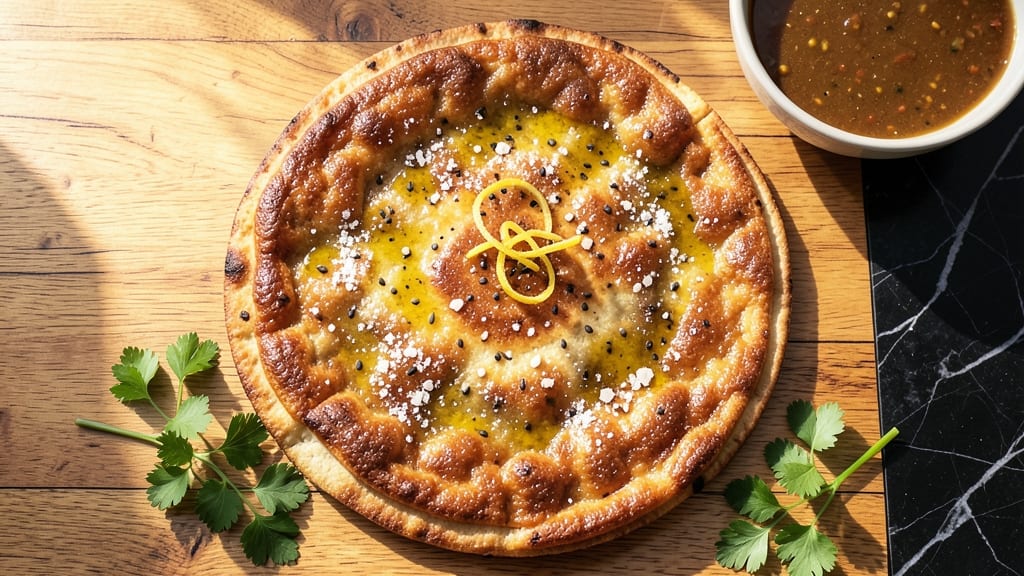
This brown rice flour flatbread recipe delivers the perfect balance of nutty flavor and lightweight texture, ideal for wraps, sides, or dipping. The secret lies in the flour's subtle earthiness and the dough's flexibility, which creates a naturally tender yet sturdy loaf without eggs or dairy.
I developed this recipe to offer a vegan-friendly alternative that holds up to bold fillings while staying easy to customize.
The result is a flatbread with a golden, slightly crisp exterior and a soft, pliable interior—perfect for stuffing with vegetables, proteins, or simply using as a crusty side.
Unlike traditional flatbreads, this version relies on simple ingredients like water, oil, and a pinch of salt, making it both budget-friendly and adaptable. Whether you're wrapping a sandwich or serving with hummus, the nutty depth of the brown rice flour adds a unique twist to every bite.
Ingredients for brown rice flour flatbread
Six simple ingredients transform into golden, nutty flatbreads perfect for wraps or sides.
| Ingredient | Amount | Notes |
|---|---|---|
| Brown Rice Flour 🌾 | 2 ½ cups | Unbleached, finely milled preferred |
| Warm Water 💧 | 1 ¼ cups | 105°F for ideal dough formation |
| Extra-Virgin Olive Oil 🫒 | ¼ cup | High quality, fruity variety |
| Granulated Sugar 🍚 | 1 tbsp | Balances nutty flavor profile |
| Salt 🧂 | 1 ½ tsp | Diamond Crystal preferred |
| Instant Yeast 🍞 | ½ tsp | Active dry works at half amount |
| Ground Fennel Seed 🌿 | ½ tsp | Enhances nutty depth (optional) |
| Sesame Seeds 🌰 | 1 tbsp | Toasted for extra crunch |
| Nutritional Yeast 🧀 | 1 tbsp | Adds cheesy umami flavor |
The brown rice flour is the star here—opt for unbleached varieties from Bob's Red Mill or Anthony's Goods for the best texture. Warm water is critical; 105°F ensures proper gluten development without overworking the dough. For the olive oil, California avocado oil works beautifully too, though it lacks the fruity depth of extra-virgin. The yeast should be freshly opened—check expiration dates, as old yeast won't activate properly. If you can't find ground fennel seed, dried oregano at half the amount provides a similar earthy note, though not identical.
No instant yeast? Active dry yeast at half the quantity works, but remember to proof it first. The sesame seeds can be swapped for poppy seeds or crushed pistachios for a different flavor profile. Nutritional yeast is non-negotiable for the umami depth—Bragg brand is widely available and consistently high quality. For a sweeter variation, increase the sugar to 2 tablespoons and add 1 teaspoon cinnamon. The dough should be pliable but not sticky; if too dry, add 1 teaspoon water at a time until it reaches the right consistency.
Flatbreads keep beautifully for 3 days in an airtight container at room temperature, though they're best enjoyed fresh. For longer storage, wrap tightly in parchment paper and freeze for up to 3 months. Reheat in a 375°F oven for 5-7 minutes to restore crispness. These reheat exceptionally well—perfect for meal prep. The nutty flavor actually deepens slightly after baking, so don't be surprised if leftovers taste even better.
Why You'll Love This Recipe
- Five-Ingredient Magic: I swear by this—just flour, water, oil, a pinch of sugar, and salt. No yeast, no waiting, no fancy tools. Honestly, it’s the kind of recipe that makes me feel like a home cook and a minimalist genius at the same time.
- Nutty-Sweet Crisp: That touch of sugar caramelizes just enough to give it a subtle sweetness, while the brown rice flour adds a warm, earthy depth. Toast it in a dry pan for 30 seconds, and you’ve got that crispy edge with a chewy center—ridiculously good with curry, hummus, or even just butter.
- Packable Perfection: Between us, these flatbreads are my lunchbox lifesaver. They reheat like a dream (wrap in foil, warm in a dry pan) and won’t turn soggy in your bag. I make a batch on Sundays, and they’re still my go-to by Friday—no sad, limp sandwich bread here.
- Pantry Staple Power: Brown rice flour is already in my cupboard, and the rest? Things I use weekly. No specialty trips, no breaking the bank. Plus, they freeze beautifully—just toss them in a bag, and you’ve got a backup for any meal, from breakfast wraps to dinner sides. Solid. Reliable. My secret weapon.
Step-by-step instructions for brown rice flour flatbread
Here's the precise method to create tender, nutty flatbread with perfect elasticity.
Combine Dry Ingredients for Optimal Texture
In a large mixing bowl, whisk together the 2.5 cups brown rice flour, 1 tbsp granulated sugar, 1.5 tsp salt, 0.5 tsp instant yeast, 0.5 tsp ground fennel seed, 1 tbsp nutritional yeast, and 1 tbsp sesame seeds. The fennel seed adds subtle depth while the nutritional yeast contributes a cheesy umami note that balances the flour's natural nuttiness.
Use a whisk or fork to break up any flour clumps completely. This ensures even distribution of all ingredients throughout the dough. The sugar and salt work together to enhance flavor while controlling fermentation speed. If using active dry yeast instead of instant, mix it with the warm water first before combining with dry ingredients.
Incorporate Wet Ingredients for Smooth Dough
Create a well in the center of the dry ingredients and pour in the 0.25 cup extra-virgin olive oil and 1.25 cups warm water (measured at 105°F). The olive oil provides essential fat for tenderness while the warm water activates the yeast and hydrates the flour properly.
Using a wooden spoon or dough whisk, gradually incorporate the wet ingredients into the dry mixture, stirring from the center outward. You're aiming for a shaggy dough that comes together but remains slightly sticky. Overmixing at this stage develops gluten prematurely, which can make the flatbread tough. The dough should resemble thick pancake batter in consistency.
Knead and Rest for Gluten Development
Turn the dough onto a lightly floured surface and knead gently for 3-4 minutes using the palm-heel method. The brown rice flour requires minimal handling to avoid developing excessive gluten. You'll know it's ready when the dough forms a smooth, slightly tacky ball that doesn't stick excessively to your hands.
Place the dough in a lightly oiled bowl, cover with a damp kitchen towel, and let it rest at room temperature for 30 minutes. This resting period allows the gluten to relax and the yeast to begin fermentation. The dough should puff slightly and develop small bubbles on the surface when ready. If working in a cool kitchen, you may need to extend this rest to 45 minutes for optimal results.
Divide and Shape for Even Cooking
After resting, divide the dough into 6 equal portions (about 2 ounces each) using a kitchen scale or by eyeballing equal-sized balls. Roll each portion into a smooth ball and flatten slightly with your palm. The goal is to create uniform thickness for even cooking.
Using a rolling pin, roll each ball into a ¼-inch thick circle, about 6 inches in diameter. Brown rice flour flatbread benefits from gentle handling—press down firmly but avoid excessive pressure that could compress the structure. Keep any unused dough covered with a damp towel while you shape the remaining pieces.
Cook Until Golden and Puffed
Heat a clean skillet over medium-high heat until hot but not smoking. Add one flatbread and cook for 2-3 minutes until the edges begin to lift and small bubbles form on the surface. The flatbread should develop golden brown spots in patches rather than cooking uniformly.
Flip carefully using a thin spatula and cook the other side for another 1-2 minutes until golden brown and puffed in spots. The interior should remain soft and slightly chewy, not fully cooked through. Transfer to a clean kitchen towel to keep warm while you cook the remaining flatbreads. The combination of olive oil and residual moisture creates that signature tender yet slightly crisp exterior.
Pro Tips For Making Brown Rice Flour Flatbread
- Mix the Dough Like a Pasta Maker: Brown rice flour is dense—don’t just stir it like pancakes. Use a fork to break up lumps first, then switch to your hands (or a dough whisk if you’re impatient) and knead for 2-3 minutes until it pulls away from the bowl. I learned this the hard way when my first batch turned out gummy because I skipped the kneading.
- Heat the Pan Until It Smokes: Cast iron or stainless steel only—get it hot. A quick way to test: flick a drop of water on the pan; it should sizzle and evaporate instantly. Cold pans = soggy flatbreads. I was skeptical until I tried it—now I never skimp on the heat.
- Salt the Water, Not the Dough: Dissolve the salt in the warm water first (about ½ teaspoon). Adding it later leaves uneven pockets of saltiness. Also, if your flour tastes bitter, it’s old—swap it for freshly ground brown rice flour if possible.
- Press Flat with a Rolling Pin—Then Flip Fast: Roll the dough to ⅛-inch thickness, but don’t press too hard or it’ll crack. When ready to cook, slide it onto the pan with a spatula—then flip it immediately. My first batch stuck like glue because I hesitated; now I time the flip like it’s a pancake.
Wine and beer pairings for these flavors
Crisp White Wine
For these nutty, earthy flatbreads, I always reach for a dry Italian white wine like Vermentino or Pinot Grigio from Alto Adige. The bright acidity and citrus notes cut through the brown rice flour's richness while complementing the fennel and sesame flavors.
Serve chilled at 45-50°F—this temperature highlights the wine's crispness against the warm flatbread. 🍷
Light Lager Pairing
A crisp German pilsner such as Warsteiner or Spaten works beautifully with the flatbread's nutty profile. The malt-forward sweetness balances the earthiness, while the carbonation cleanses your palate between bites.
For a lighter option, try a Belgian witbier like Stella Artois Wit—its coriander and orange peel notes enhance the fennel's anise-like qualities.
Herbal Beer Options
If you prefer beer, an English bitter with herbal notes, such as Fuller's ESB, pairs wonderfully. The subtle hop bitterness contrasts the flatbread's richness, while the malt sweetness complements the nutritional yeast's umami.
Avoid overly hoppy IPAs—they can overpower the delicate flavors. A light wheat beer like Blue Moon also works, especially if you've added extra cinnamon to your dough.
Dessert Wine Twist
For a sweet contrast, serve with a dry Riesling from Germany or Austria. The wine's honeyed apple and mineral notes harmonize with the flatbread's nutty depth, creating a surprising yet balanced pairing. Chill it to 48-52°F—this temperature range enhances its aromatic complexity. 🍇
Non-Alcoholic Pairings
For a refreshing non-alcoholic option, try sparkling water with lemon—the effervescence and citrus cut through the richness. Alternatively, a chilled hibiscus iced tea (brewed with Adagio Teas hibiscus blend) adds a tart, floral note that pairs beautifully with the sesame seeds.
Serve over ice for a crisp, refreshing contrast to the warm flatbread.
Nutrition facts
Frequently asked questions
Can I make this flatbread without yeast?
Yes! For a quick version, replace the yeast with 1.5 teaspoons baking powder and 1 teaspoon baking soda. Mix the dry ingredients first, then add wet ingredients and cook immediately—these flatbreads will be thinner and crispier but still delicious. The texture will be more like a crepe than a traditional flatbread.
How do I store leftovers to keep them fresh?
Store flatbreads in an airtight container at room temperature for up to 3 days. For longer storage, wrap them tightly in parchment paper and freeze for 3 months. To reheat, warm in a 375°F oven for 5-7 minutes or toast in a dry skillet over medium heat for 1-2 minutes per side. The oven method restores crispiness best.
What's the best way to adjust the flavor if I don't like fennel?
Skip the fennel seed entirely and boost other flavors instead. Try adding 1 teaspoon dried rosemary or ½ teaspoon smoked paprika for depth, or swap the sesame seeds for poppy seeds or crushed cardamom. The nutritional yeast will still provide that cheesy umami, so you won't lose the savory base. The brown rice flour's nuttiness remains the star!
Can I use this flatbread for dipping instead of wraps?
These flatbreads are perfect for dipping. Serve warm with garlic yogurt sauce, spicy harissa, or hummus. The nutty flavor pairs beautifully with creamy or tangy dips. For extra fun, brush the flatbread with garlic-infused olive oil before serving to enhance flavor and texture.
Why did my flatbread turn out dense instead of light?
Overmixing the dough or using cold water can create dense flatbreads. Ensure your water is 105°F and knead only for 3-4 minutes—brown rice flour develops gluten differently than wheat flour. Also, check your yeast is fresh (it should foam within 5 minutes when mixed with warm water). If the dough feels too dry, add 1 teaspoon water at a time until pliable.