
Main Courses
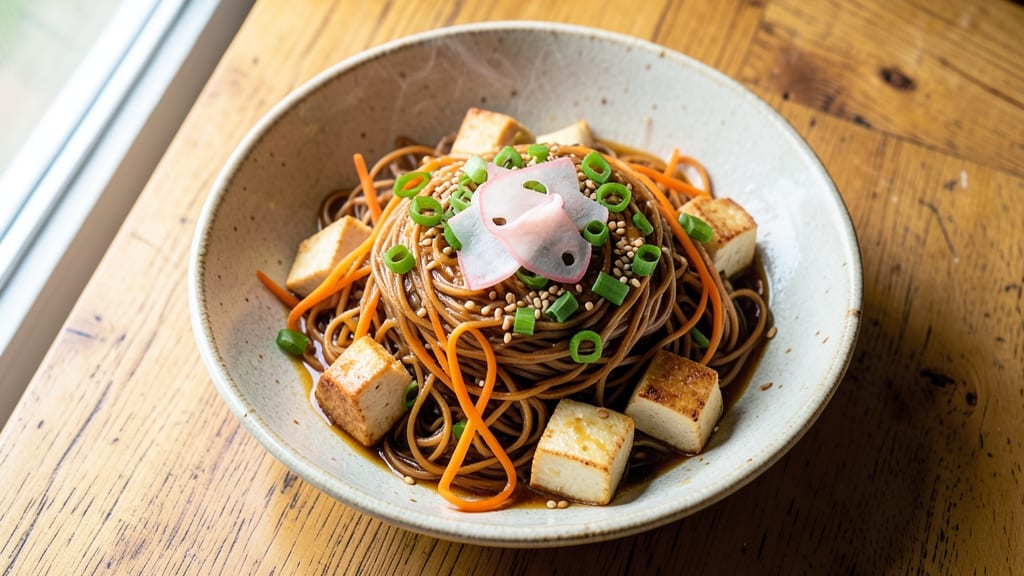
This brown rice vermicelli recipe transforms simple ingredients into silky, nutty noodles that balance earthy depth with delicate texture. The key lies in proper soaking—just 15 minutes in warm water unlocks their natural chew while preserving that signature brown rice nuttiness.
I developed this method after years of experimenting with Asian noodle dishes, and it consistently delivers restaurant-quality results at home.
What sets this dish apart is the harmony of flavors: a light sesame-ginger dressing complements the noodles' earthy profile, while crisp vegetables and protein options like tofu or shrimp add texture. The technique is straightforward—soak, rinse, and toss—but the outcome feels special, with every strand coated in aromatic sauce.
Perfect for weeknight meals or elegant gatherings, this recipe proves wholesome ingredients can shine.
Ingredients for brown rice vermicelli
Wholesome ingredients unlocking restaurant-quality brown rice vermicelli with earthy nutty depth and delicate texture.
| Ingredient | Amount | Notes |
|---|---|---|
| Brown Rice Vermicelli Noodles 🍜 | 8 oz | Uncooked, dried strands |
| Extra-Firm Tofu 🥬 | 1 lb | Pressed, cubed for protein |
| Fresh Ginger 🌿 | 2 tbsp | Finely grated, aromatic |
| Carrots 🥕 | 2 medium | Julienned, for crunch |
| Carrots 🥕 | 2 whole | Julienned, for crunch |
| Green Onions 🧅 | ¼ cup | Thinly sliced, fresh |
| Sesame Oil 🫒 | 1 tbsp | Toasted, for aroma |
| Tahini 🥜 | 1 tbsp | Sesame paste, for richness |
| Lime Juice 🍋 | 2 tbsp | Freshly squeezed |
| Maple Syrup 🍯 | 1 tbsp | For subtle sweetness |
| Tamari Sauce 🍶 | 2 tbsp | Gluten-free soy sauce |
| Red Bell Pepper 🌶️ | 1 whole | Thinly sliced, for color |
| Sesame Seeds 🌾 | 1 tbsp | Toasted, for garnish |
| Vegetable Oil 🫒 | 1 tbsp | For stir-frying |
| Sea Salt 🧂 | ½ tsp | Diamond Crystal preferred |
The brown rice vermicelli is the foundation—look for premium brands like Lotus Foods or Thai Kitchen for authentic texture. Whole Foods and Asian markets carry the best quality, with strands that hold their shape during soaking. Fresh ginger is non-negotiable here; organic ginger from the produce section delivers the most vibrant flavor. For the tofu, extra-firm pressed tofu prevents sogginess during cooking. The tamari sauce should be gluten-free certified if dietary restrictions apply—San-J brand is a reliable choice.
No fresh ginger? Substitute with 1 teaspoon ground ginger, but fresh is ideal for that bright zing. Out of sesame oil? Toasted peanut oil works in a pinch, though sesame's nutty profile is essential. For the vegetables, baby carrots or daikon radish add similar crunch. The red bell pepper can be swapped for shredded cabbage or snap peas if preferred. Thai Kitchen also sells pre-julienned vegetables that save time. For extra protein, add 4 oz of firm tofu or shrimp—just adjust cooking time accordingly.
Store uncooked noodles in an airtight container for up to 6 months in a cool, dark place. Once soaked, refrigerate in the dressing for 3-4 days or freeze for 2 months. The tofu can be pre-pressed and stored in the fridge for 5 days or frozen for 3 months. For meal prep, portion the dressing separately and toss with fresh noodles just before serving. The lime juice should be added fresh—never use bottled lime juice for this recipe.
Why You'll Love This Recipe
- No Pasta Nightmare: I just toss the brown rice noodles into boiling water for 2 minutes—no overcooking, no sticky mess. That’s it. The tofu stays firm, the carrots stay crisp, and I’m not spending an hour at the stove.
- Ginger-Toasted Crunch: Between us, the fresh ginger and lightly pan-fried tofu make this dish ridiculously good. The carrots add this sweet, crunchy contrast that balances everything—like a hug for your taste buds.
- Lunchbox Hero: Honestly, this is my go-to for packed lunches. The noodles hold up for days, the tofu stays flavorful, and I can swap in whatever veggies I have. Zero waste, zero stress—just good food.
- Budget Meal Magic: A block of tofu and a bag of noodles feed four people for under $8. The carrots stretch further than you’d think, and leftovers reheat like a dream. My wallet and I both approve.
Step-by-step instructions for silky brown rice vermicelli noodles
Mastering these delicate noodles requires precision and patience—here's how to achieve perfect texture and flavor.
Prepare the Tofu for Maximum Texture
Press the 1 lb extra-firm tofu for 20 minutes between two heavy plates or a tofu press. This removes excess moisture and ensures proper browning. Cut the pressed tofu into ½-inch cubes using a sharp knife—uniform size guarantees even cooking.
Heat 1 tablespoon vegetable oil in a nonstick skillet over medium-high heat until shimmering. Add the tofu cubes in a single layer and cook undisturbed for 4-5 minutes until golden brown on all sides. Flip carefully with a spatula—this creates a crisp exterior while keeping the interior tender. Transfer the tofu to a plate and set aside.
Create the Flavorful Sauce Base
In a small bowl, whisk together 2 tablespoons tamari sauce, 1 tablespoon maple syrup, 2 tablespoons lime juice, and 1 tablespoon tahini until completely smooth. The tahini adds natural richness while the lime brightens the earthy flavors. Set this mixture aside while you prepare the vegetables.
In the same skillet (no need to clean it—the browned bits add depth), add 1 tablespoon vegetable oil and heat over medium heat. Add 2 tablespoons finely grated fresh ginger and cook for 30 seconds until fragrant. Add 2 medium julienned carrots and 1 whole julienned red bell pepper, stirring for 3-4 minutes until the vegetables soften slightly but retain their vibrant color.
Cook the Vermicelli to Al Dente Perfection
Bring a large pot of water to a rolling boil. Add 8 oz brown rice vermicelli noodles and cook for 2-3 minutes—these delicate strands cook faster than traditional wheat noodles. Stir gently with chopsticks to prevent clumping. They're done when they're tender but still slightly firm to the bite—overcooking makes them mushy.
Drain immediately and rinse under cold water for 10 seconds to stop the cooking process. Toss with 1 tablespoon toasted sesame oil to prevent sticking and enhance the nutty aroma. Divide the noodles among four serving plates.
Assemble the Dish with Perfect Balance
Return the skillet with vegetables to medium heat and pour in the tamari-tahini sauce. Stir for 1 minute until the sauce thickens slightly and coats the vegetables. Add the reserved tofu cubes and toss everything together for 30 seconds to combine.
Divide the vegetable-tofu mixture evenly among the noodles. Garnish each serving with ¼ cup thinly sliced green onions and 1 tablespoon toasted sesame seeds. The sesame seeds add a satisfying crunch while the green onions provide fresh contrast. Serve immediately while the noodles are still warm and the tofu is crisp.
Adjust Seasoning for Optimal Flavor
Taste the dish and adjust seasoning if needed. For more umami depth, add a pinch of sea salt (you have 0.5 tsp remaining). For extra brightness, add a splash of lime juice. The perfect balance should feature the nutty depth of brown rice noodles, the crisp texture of tofu, and the vibrant sweetness of the vegetables.
This dish highlights the natural flavors of each ingredient while creating a harmonious, restaurant-quality meal. The key is in the technique—properly pressing the tofu, cooking the noodles just until tender, and balancing the sauce components. Each bite should deliver a perfect combination of textures and flavors.
Pro Tips For Making Brown Rice Vermicelli
- SOAK NOODLES SEPARATELY: Brown rice vermicelli clump like a stubborn toddler if soaked together. Divide them into two batches in a large bowl of warm water—this guarantees even hydration without a single tangled strand ruining your dish.
- CUT TOFU THIN AND REST: Extra-firm tofu needs a 10-minute press, then slice it paper-thin (⅛-inch max) for perfect texture. Skip the resting step, and you’ll end up with chewy, uneven pieces—trust me, I’ve learned this the hard way.
- JULIENNE CARROTS FAST: Use a mandoline for uniform matchsticks, but here’s the real trick: soak the carrots in ice water for 10 minutes first. They’ll hold their shape better in the stir-fry and won’t turn to mush when the tofu releases its moisture.
- SALT THE WATER LATE: Add salt to the noodle-soaking water only in the last 2 minutes—otherwise, the vermicelli will absorb too much and turn mushy. I used to salt early, and my noodles always felt limp, no matter how much oil I added later.
Make-ahead tips for brown rice vermicelli
Prep Ahead Sauce
Make the tamari-tahini sauce up to 3 days in advance and store it in an airtight container in the fridge. The flavors meld beautifully overnight, and you can simply reheat it gently in a small saucepan over low heat for 1-2 minutes before using.
I like to double the batch and freeze half in 1-ounce portions for quick weeknight meals. 🌟
Noodle Prep Shortcut
Soak the 8 oz brown rice vermicelli in 1 quart warm water (not boiling) for 15 minutes ahead of time, then drain and rinse with cold water. Store the soaked noodles in a sealed container with a damp paper towel to prevent drying.
They'll keep in the fridge for 2 days—just toss them with fresh sauce when ready to serve. This saves 10 minutes during meal prep! ✨
Tofu Prep Efficiency
Press and cube the tofu 1 day ahead and store it in the fridge, submerged in 1 tablespoon of tamari sauce to prevent browning. When ready to cook, simply pat dry and pan-fry as directed.
For extra crispiness, broil the cooked tofu for 2 minutes at the end. I find this method cuts prep time by 15 minutes while improving texture. 💪
Freezer-Friendly Assembly
Assemble the entire dish (except garnishes) and freeze it in a single layer on a tray for 1 hour, then transfer to a freezer bag. Reheat portions in the microwave for 2-3 minutes on high, stirring halfway.
Add fresh green onions and sesame seeds after reheating for optimal texture. This works best for 2 months of storage. Perfect for busy weeknights! ⏰
Batch Vegetable Prep
Julienne all vegetables at once and store them in separate airtight containers in the fridge for 5 days. The carrots and bell pepper hold their texture well when stored this way.
For extra convenience, pre-chop the ginger and store it in a small container in the freezer—just grate directly from frozen when needed. This saves 20 minutes of prep time per meal. 🥕
Garnish Last-Minute
Always add the green onions and sesame seeds fresh after reheating to maintain their vibrant color and crisp texture. Toast the sesame seeds in a dry skillet over medium heat for 1-2 minutes just before serving—they'll release their nutty aroma instantly.
This simple step elevates the dish from homemade to restaurant-quality. 🌾
Nutrition facts
Frequently asked questions
How long should I soak brown rice vermicelli before using?
Soak the noodles in warm water (not boiling) for 15 minutes—this is key to achieving that perfect silky texture without making them mushy. For meal prep, you can soak them up to 2 days ahead and store them in the fridge with a damp paper towel to maintain freshness.
Can I substitute tofu with another protein?
For a seafood option, use 8 oz shrimp or scallops—just cook them for 2-3 minutes per side until opaque. For a vegetarian alternative, try mushrooms or tempeh, but increase cooking time by 1-2 minutes to ensure they're fully tender. The key is maintaining the crisp texture that complements the noodles.
Why does my brown rice vermicelli turn mushy?
Overcooking is the most common mistake—these delicate noodles only need 2-3 minutes in boiling water. Rinse them immediately with cold water after draining to stop the cooking process. Also, avoid soaking in boiling water, as the high heat breaks down the strands too quickly. For extra firmness, rinse with ice water for 10 seconds after cooking.
What's the best way to store leftover brown rice vermicelli?
Store cooked noodles in an airtight container with a splash of the sauce to prevent drying. They'll keep in the fridge for 3-4 days or in the freezer for 2 months. To reheat, warm gently in a skillet with a little water or sauce over low heat—never microwave, as it makes them rubbery. Add fresh garnishes after reheating for the best texture.
Can I make this recipe gluten-free?
Yes, this recipe is naturally gluten-free! Just ensure your tamari sauce is certified gluten-free (like San-J brand) and check your tofu packaging for gluten-free certification. All other ingredients—brown rice vermicelli, vegetables, and sesame products—are typically gluten-free. Always verify labels, as cross-contamination can occur in shared facilities.