
Main Courses
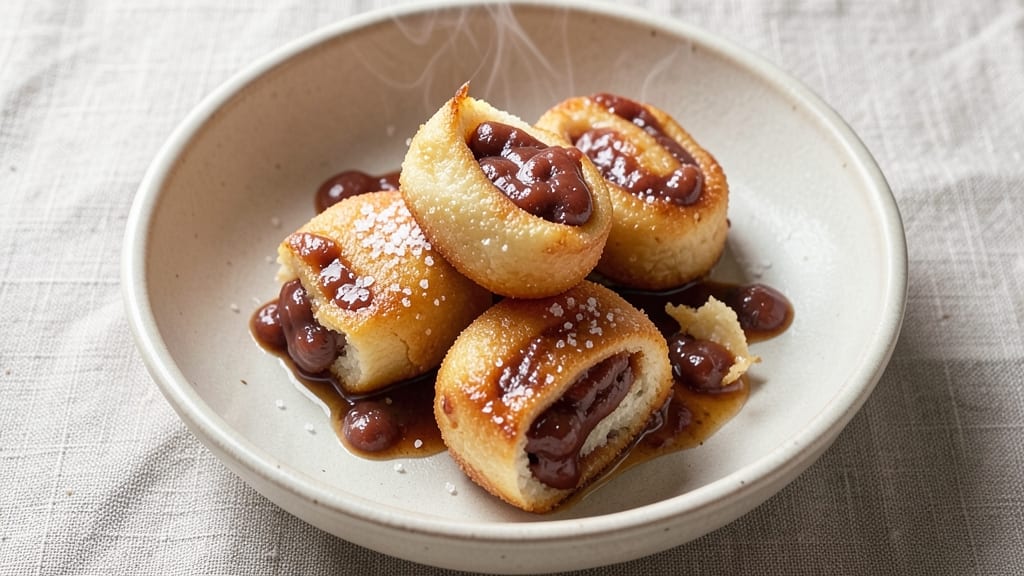
This bungeoppang recipe with rice flour delivers the perfect balance of crispy exterior and fluffy interior—just like your favorite Korean street vendor makes. The secret lies in the rice flour batter, which transforms into delicate, golden-brown fish-shaped cakes when steamed in traditional molds.
Every bite reveals a surprise filling of sweet red bean paste, creating that magical contrast of textures and flavors.
What sets this recipe apart is the precise technique for achieving that signature crispy shell while keeping the center tender. With just a few simple ingredients and the right steaming method, you'll create restaurant-quality bungeoppang that's perfect for special occasions or nostalgic snacking.
The aroma alone will transport you to bustling Korean markets where these treats are freshly made.
Ingredients for bungeoppang recipe rice flour
Core ingredients for authentic bungeoppang—rice flour creates the crispy shell while red bean paste delivers classic sweetness.
| Ingredient | Amount | Notes |
|---|---|---|
| Rice Flour 🌾 | 1 ½ cups | Glutinous rice flour preferred |
| Sweet Red Bean Paste 🍡 | 1 cup | Anko or store-bought variety |
| Granulated Sugar 🍚 | ¼ cup | Fine granulated for even texture |
| Water 💧 | 1 ¼ cups | Room temperature preferred |
| Vegetable Oil 🫒 | 2 tbsp | For greasing molds |
| Baking Powder 🧂 | ½ tsp | Fine grain for lightness |
| Salt 🧂 | ¼ tsp | Fine sea salt |
| Cornstarch 🌾 | 1 tbsp | For crispy exterior |
| Bungeoppang Molds (Fish-Shaped) 🐟 | 4 whole | Traditional metal molds preferred |
The rice flour is non-negotiable—glutinous rice flour gives that signature chewy-yet-crispy texture. Korean markets or Asian grocery stores carry it in bulk, but Bob's Red Mill also sells it online. For the red bean paste, store-bought anko saves time, but homemade is ideal if you're ambitious. The sugar should be fine granulated—Domino brand works well. If you can't find traditional fish-shaped molds, small silicone molds will work as a substitute, though the shape won't be authentic.
No rice flour? Sweet rice flour or a 50/50 blend with all-purpose flour can work in a pinch, though texture will differ. Substituting the red bean paste? Sweet potato paste or mashed sweetened condensed milk mimics the sweetness, but lacks traditional flavor. The baking powder and salt are standard—Aluminum-free baking powder is best for even rising. For the oil, vegetable or canola oil works, but toasted sesame oil adds subtle depth if you're feeling adventurous. The cornstarch is crucial for that signature crisp—don't skip it.
Store uncooked batter in an airtight container for 3 days or freeze for 1 month. Once steamed, bungeoppang are best eaten fresh, but reheat in a steamer for 2-3 minutes to restore crispiness. For make-ahead prep, steam a batch and freeze—reheat with a quick steam to revive texture. The molds should be cleaned thoroughly between uses to prevent sticking.
Why You'll Love This Recipe
- No-Fuss Dough: I swear, this rice flour dough comes together faster than ordering takeout. Just mix, shape, and fry—no rolling pins or fancy techniques required.
- Sweet Crunch Magic: That crispy exterior with gooey sweet bean paste inside? It’s the kind of contrast that makes you close your eyes and sigh. The sugar caramelizes just enough to stick to your fingers (and that’s a good thing).
- Party in a Bite: Between us, these are my go-to for birthdays, picnics, or just because. They’re easy to pack, share, or eat straight from the pan—no plates needed.
- Budget Baked Goods: Rice flour and sugar are cheap staples, and a little oil goes a long way. I make a batch, freeze extras, and still have treats for weeks without breaking the bank.
Step-by-step instructions for bungeoppang recipe with rice flour
Mastering these precise techniques guarantees perfectly crispy bungeoppang with a delicate interior every time.
Prepare the Bungeoppang Dough
In a large mixing bowl, combine the 1.5 cups rice flour, 0.5 tsp baking powder, 0.25 tsp salt, and 1 tbsp cornstarch. This dry blend forms the structural foundation for your rice cakes. Use a whisk to thoroughly aerate the mixture, breaking up any flour clumps - this ensures even texture throughout the dough.
Create a well in the center and pour in the 1.25 cups water and 0.25 cup granulated sugar. Gently mix with a spatula until just combined, being careful not to overwork the mixture. The dough should form a soft, slightly sticky ball that clings together when pressed. If it feels too dry, add 1 teaspoon water at a time until it reaches the proper consistency - you want it pliable but not wet enough to stick to your fingers.
Knead and Rest the Dough
Transfer the dough to a clean, lightly floured surface and knead gently for 2-3 minutes using the palm of your hand. The goal is to develop just enough gluten to create structure without making the texture tough. You'll know it's ready when the dough becomes smooth and elastic, with no visible dry spots remaining.
Divide the dough into 4 equal portions (about 2.5 ounces each) and roll each into a smooth ball. Place them on a plate, cover with plastic wrap, and let rest at room temperature for 30 minutes. This resting period allows the gluten to relax and the flour to fully hydrate, which is crucial for achieving that signature crispy exterior when steamed.
Prepare the Molds and Stuffing
Lightly grease the 4 whole bungeoppang molds with 1 teaspoon vegetable oil each, using a small brush or your finger. This prevents sticking and ensures easy release when the cakes are done. The molds should be completely dry before adding the dough to prevent steam from escaping during cooking.
Take one dough ball and flatten it slightly with your palm. Place 2 tablespoons sweet red bean paste in the center of the mold's cavity. This amount fills each fish-shaped mold perfectly without overflowing. Gently wrap the dough around the filling, pressing lightly to seal any gaps. The dough should completely encase the filling while maintaining a smooth exterior surface.
Steam to Perfect Crispiness
Bring a large pot of water to a rolling boil and place a steamer basket inside. Arrange the filled molds on the steamer rack, ensuring they're spaced evenly to allow proper steam circulation. Cover and steam over medium-high heat for 12-15 minutes. You'll know they're done when the exterior becomes deep golden brown and the dough pulls away cleanly from the mold edges.
Here's the critical moment: Remove the steamed bungeoppang from the molds immediately and let them cool on a wire rack for 5 minutes. This brief cooling period allows the exterior to set while keeping the interior soft and pillowy. If you open them too soon, the delicate structure may collapse. The finished cakes should have a crispy, crackly exterior that gives way to reveal the warm, sweet red bean filling inside.
Pro Tips For Making Bungeoppang Recipe Rice Flour
- STEAM AT 170°F: I learned this the hard way—bungeoppang needs a gentle steam bath, not a boiling one. Use a pot with about 1 inch of water and a steamer basket, then monitor the temperature with a thermometer. Too hot, and your rice flour dough turns gummy; too cool, and it won’t set properly. (Yes, even if you’re impatient like me.)
- SIFT THE FLOUR FIRST: Clumps in your rice flour batter are the fastest way to ruin a batch. Sift it through a fine-mesh sieve before mixing with water—this guarantees a smooth, airy texture. I skip this step sometimes, and the dough always feels heavier. Not worth the risk.
- DON’T OVERFILL THE MOLD: Stuffing the bungeoppang molds too tightly leads to messy, uneven shapes when you unwrap them. Fill them about 70% full with the red bean paste, then top with dough that’s just enough to seal—no more. Overpacking makes the dough burst when steaming, and nobody wants a sticky mess.
- CHILL THE DOUGH 30 MINUTES: This isn’t the prettiest method, but it’s the tastiest. After mixing your rice flour batter, let it rest in the fridge for at least 30 minutes before shaping. The gluten relaxes, the dough holds together better, and the final texture is lighter. I was skeptical until I tried it—now I never skip it.
Essential equipment for bungeoppang recipe rice flour
Traditional Molds
Authentic bungeoppang require fish-shaped metal molds—these create the signature shape and crispy texture. I recommend Korean specialty stores or Amazon for quality options like the Sungwoo brand (about $20 for a 4-pc set).
The metal conducts heat evenly, ensuring perfect browning. If you can't find them, silicone fish-shaped molds work as a budget-friendly alternative, though they won't conduct heat as effectively. 🐟
Steamer Essentials
A large-capacity steamer with a tight-fitting lid is non-negotiable—look for one with a minimum 10-inch diameter to accommodate all 4 molds. My go-to is the OXO Good Grips 10-inch steamer (around $25), which distributes steam evenly.
For even better results, use a double steamer (like the Norpro 12-inch) to prevent water droplets from making the exterior soggy. Always ensure your steamer has at least 2 inches of water below the rack.
Mixing Tools
Use a whisk for aerating the dry ingredients—this prevents lumps in the rice flour batter. I prefer a balloon whisk for its flexibility. For kneading, a lightly floured surface (like a marble slab or silicone mat) keeps the dough from sticking.
A digital kitchen scale (like the OXO Good Grips) ensures precise dough portions—each ball should weigh 2.5 ounces for perfect balance between crispiness and fillings.
Heat Control Tools
Monitor steam temperature with a candy thermometer—ideal steaming occurs at 205-210°F. My Thermoworks Thermapen is my top pick for accuracy. For even heat distribution, place molds 1 inch apart on the steamer rack.
If your stove has uneven heat zones, use a stove diffuser (like the Mauviel) to balance the temperature across the burner. 🔥
Cooling Accessories
A wire cooling rack prevents soggy bottoms by allowing air circulation. I use a collapsible stainless steel rack (like the Norpro) that fits over my cutting board. For quick cooling, a small handheld fan (like the Vornado) speeds up the process without over-drying the exterior.
Store finished bungeoppang in an airtight container with parchment paper between layers to maintain crispiness for up to 2 days at room temperature.
Nutrition facts
Frequently asked questions
Can I substitute regular flour for rice flour in this recipe?
Regular all-purpose flour won't work—the delicate texture of bungeoppang requires glutinous rice flour for that signature crispy-yet-chewy quality. For a compromise, try a 50/50 blend of rice flour and all-purpose flour, but expect a slightly denser result. The rice flour's natural stickiness is essential for trapping steam and creating that crackly exterior.
How do I fix dough that's too sticky or too dry?
If your dough feels too sticky, add 1 teaspoon rice flour at a time until it's pliable but not wet. For dry dough, mix in 1 teaspoon water gradually. The ideal consistency should hold together when pressed but not stick to your fingers. Overworking the dough can make it tough, so knead gently for just 2-3 minutes total.
What if I don't have fish-shaped molds?
No problem! Use small silicone molds (like mini fish shapes or even round ones) for a similar effect. For a completely different look, try mini muffin tins or even ice cube trays—just adjust steaming time to 8-10 minutes for smaller sizes. The key is ensuring your molds are heat-safe and allow steam circulation.
Can I make bungeoppang ahead of time?
Yes! Steam a batch and let cool completely, then store in an airtight container with parchment between layers. They'll stay fresh for 2 days at room temperature. For longer storage, freeze them for up to 1 month. To revive, steam for 2-3 minutes—the exterior will crisp up again while keeping the filling warm.
What's the secret to getting that perfect crispy exterior?
The magic happens in three steps: proper dough resting (30 minutes), even steaming (medium-high heat), and immediate cooling on a rack. The cornstarch in the recipe is also key—it creates that crackly texture. Never skip the cooling step, or the exterior will soften. For extra crispiness, steam for 1-2 minutes longer than needed, then cool immediately.