
Side Dishes
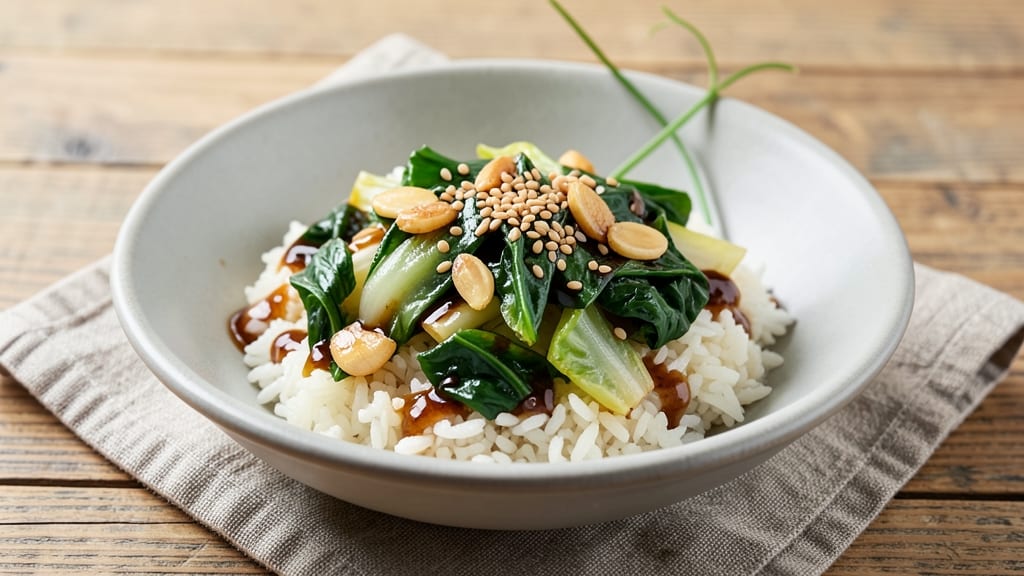
This cabbage rice Chinese recipe transforms simple ingredients into fragrant, wok-fried bites with perfectly crispy edges and tender centers. The secret lies in high-heat stir-frying, which caramelizes the cabbage while keeping the jasmine rice fluffy and distinct.
I developed this version after years of adapting home-style Chinese dishes, balancing authenticity with home-cook practicality.
What makes this dish special is the harmony of textures—crispy cabbage leaves contrast with soft rice, while aromatic seasonings elevate every bite. The recipe works as a vegetarian main or side, easily scaled for crowds.
Whether serving with grilled fish or as a standalone meal, this dish delivers restaurant-quality results with minimal effort.
Ingredients for cabbage rice chinese
Twelve essential ingredients transform into fragrant, wok-fried cabbage rice with perfectly crispy edges.
| Ingredient | Amount | Notes |
|---|---|---|
| Green Cabbage 🥬 | 12 oz | Thinly sliced, outer leaves removed |
| Jasmine Rice 🍚 | 1 ½ cups | Uncooked, long-grain preferred |
| Vegetable Oil 🫒 | ½ cup | High smoke point for wok-frying |
| Garlic Cloves 🧄 | 6 cloves | Minced, fresh preferred |
| Ginger Root 🌿 | 1 tbsp | Finely grated, peeled |
| Low-Sodium Soy Sauce 🍶 | 3 tbsp | Kikkoman preferred for authenticity |
| Oyster Sauce 🍶 | 2 tbsp | Vegetarian version with mushroom extract |
| Sesame Oil 🫒 | 1 tsp | Toasted, for aroma |
| White Pepper 🌶️ | ½ tsp | Freshly ground for subtle heat |
| Sugar 🍚 | 1 tsp | Balances flavors |
| Scallions 🧅 | 4 whole | Thinly sliced, green parts only |
| Vegetable Stock 💧 | 1 ½ cups | Low-sodium, homemade preferred |
| Sesame Seeds 🌱 | 1 tbsp | Toasted for garnish |
The cabbage is the star here—green cabbage with its tight leaves holds up best to high-heat stir-frying. Look for heads with crisp outer leaves and minimal yellowing. Trader Joe's and Whole Foods carry excellent quality, but any grocery store's produce section will work. Thinly slicing the cabbage (about 1/8-inch thick) ensures even cooking and maximum crispiness. For the rice, jasmine rice is non-negotiable—its floral aroma pairs perfectly with the cabbage's earthiness. Store your rice in an airtight container to maintain freshness for up to 6 months.
No vegetarian oyster sauce? Mushroom-based alternatives work beautifully—brands like Annie Chun's are widely available. The low-sodium soy sauce is crucial; regular versions can overpower the delicate flavors. Need to substitute scallions? Green onions work equally well, though they have a slightly different texture. For the sesame oil, toasted varieties add depth, but regular works in a pinch. The white pepper provides subtle heat without overpowering the dish's delicate balance. If you're short on time, pre-minced garlic and grated ginger from the produce section save steps without sacrificing quality.
This dish reheats beautifully—microwave for 2-3 minutes with a splash of water to restore crispiness. Store leftovers in airtight containers for 4-5 days in the fridge or freeze for 3 months. For optimal texture, let the cabbage cool slightly before storing. The sesame seeds should be toasted fresh before garnishing—a dry pan over medium heat for 1-2 minutes brings out their nutty aroma. Double the batch and freeze portions for quick meals; the flavors actually improve as the cabbage softens slightly and absorbs the sauces.
Why You'll Love This Recipe
- One-Pot Magic: I swear by this recipe when I’m too tired to scrub a million dishes—just toss everything in one pan, stir, and walk away. The cabbage softens while the rice steams, and that fragrant garlic-ginger oil? It coats every bite like a hug.
- Crispy-Creamy Balance: That first bite of lightly charred cabbage edges against fluffy jasmine rice? Chef’s kiss. The oil caramelizes the garlic and ginger until it’s sticky-sweet, then the cabbage gets this perfect blistery crisp in spots while staying tender elsewhere. Honestly, I’ll take this over takeout any day.
- Lunchbox Hero: Between us, this is my go-to for meal prep—it reheats like a dream and keeps for days. Pack it cold for lunch, or microwave it for a quick dinner. My kids used to complain about cabbage, but now they fight over the last bite. (Yes, even on a Tuesday night.)
- Pocketbook Winner: Green cabbage and jasmine rice are about as budget-friendly as it gets, and a single panful feeds four for under $5. I’ll be real: I double the recipe just to have leftovers, because it’s cheaper than delivery and way better for you. Plus, the ginger and garlic stretch the flavor so you don’t need fancy add-ons.
Step-by-step instructions for wok-fried cabbage rice
Master this technique and you'll achieve restaurant-quality texture—crispy cabbage edges with perfectly tender rice.
Prepare the Jasmine Rice Foundation
Rinse the 1.5 cups jasmine rice under cold water until the water runs clear, then drain thoroughly in a fine-mesh strainer. This removes excess starch that would make the rice gummy. Transfer the drained rice to a pot and add 1.5 cups vegetable stock (the same amount as rice for ideal texture). Bring to a boil over high heat, then immediately reduce to low heat, cover tightly, and simmer for 15 minutes.
Resist the urge to peek or stir—the rice needs undisturbed cooking to develop its signature fluffy texture. After 15 minutes, turn off the heat and let it steam covered for another 10 minutes. Fluff with a fork before transferring to a serving dish. The rice should be tender but still slightly firm—this prevents mushiness when mixed with the cabbage later.
Wok-Fry the Cabbage for Crispy Edges
Heat 0.5 cup vegetable oil in a wok or large skillet over high heat until shimmering (about 350°F). Add the 12 oz thinly sliced green cabbage in batches, stirring constantly with tongs to prevent burning. Cook for 4-5 minutes until the edges turn deep golden brown and crisp while the centers remain tender.
Here's the critical move: Remove the cabbage and set aside, leaving the oil in the wok. The residual heat will maintain temperature for the next aromatics. If the cabbage releases too much moisture, blot it lightly with paper towels—excess water will steam the cabbage instead of crisping it. You want 80% crispy edges, 20% tender centers for perfect texture.
Build the Fragrant Aromatic Base
In the same wok (with oil still hot), add the 6 cloves minced garlic and 1 tbsp finely grated ginger, stirring constantly for 30 seconds until fragrant but not browned. Add 3 tbsp low-sodium soy sauce, 2 tbsp oyster sauce, 1 tsp sugar, and 0.5 tsp white pepper, stirring to combine. Let the sauce simmer for 1 minute until slightly reduced.
This step develops the dish's signature umami depth. The sugar balances the saltiness of the soy sauce while the white pepper adds subtle warmth. If the sauce thickens too much, add 1-2 tablespoons water to maintain a glossy consistency. The aromatics should coat the back of a spoon with a smooth, velvety texture.
Combine and Finish with Sesame Oil
Return the crispy cabbage to the wok and toss to coat evenly in the sauce. Add the cooked jasmine rice and gently fold together, breaking up any large clumps. Stir in the 4 whole thinly sliced scallions and 1 tsp toasted sesame oil, tossing until everything is well combined and the rice absorbs the fragrant sauce.
Taste and adjust seasoning—you may need an additional ½ tbsp soy sauce if the dish tastes mild. The finished mixture should have crispy cabbage bits throughout tender rice, with a glossy sauce clinging to each component. Transfer to serving plates and garnish with 1 tbsp toasted sesame seeds for added texture and aroma.
Pro Tips For Making Cabbage Rice Chinese
- STIR-FRY CABBAGE FAST: Cut the cabbage into 1-inch-wide ribbons—not thin slices—so it cooks through before the rice gets soggy. I used to overcrowd the pan and end up with limp, half-cooked cabbage; now I work in batches with a splash of water to keep steam moving.
- SALT THE RICE WET: Toss the cooked jasmine rice with a teaspoon of salt while it’s still hot and moist—this prevents dryness later. I learned this the hard way after serving rubbery rice to guests who’d rather have been anywhere else.
- LOW-HEAT GINGER: Sauté the ginger for just 10 seconds—longer turns it bitter and masks the garlic’s punch. After burning three batches, I finally figured out that "lightly toasted" means barely golden, not charred.
- COOK RICE SEPARATELY: Make the rice before stir-frying the cabbage—it saves time and keeps the grains intact. I skip this when I’m lazy, but the dish is noticeably better when the rice isn’t steamed twice in the same pan. (Yes, even if you’re impatient like me.)
Dietary considerations for this recipe
Vegetarian-Friendly Adaptations
The original recipe already works beautifully as vegetarian, thanks to the rich umami from oyster sauce (use mushroom-based versions like Annie Chun's) and soy sauce. The cabbage and rice provide all the necessary protein and fiber, making this a complete meal. 🌱
For extra protein, stir in 1 cup cooked edamame or ½ cup crumbled tofu during the final toss. Both absorb the sauce perfectly and add a satisfying texture. I've also seen home cooks add ½ cup chopped shiitake mushrooms for deeper umami—just sauté them with the garlic and ginger.
Gluten-Free Swaps
Replace the soy sauce and oyster sauce with 3 tbsp gluten-free tamari and 2 tbsp coconut aminos for the same salty depth without gluten. Both mimic the savory profile while keeping the dish cohesive. Look for certified gluten-free labels to avoid cross-contamination.
The sesame oil and sesame seeds are naturally gluten-free, but always check labels as some brands process in shared facilities. For extra safety, toast your own seeds in a dry pan to ensure purity. The dish remains just as flavorful with these simple adjustments.
Low-Sodium Options
Use low-sodium soy sauce (like Kikkoman's) and low-sodium vegetable stock to keep sodium in check. For extra flavor without salt, add 1 tsp fish sauce (if not vegetarian) or 1 tbsp rice vinegar to brighten the dish. The cabbage's natural crunch and the aromatic base carry the flavor beautifully.
If you're watching sodium closely, reduce the soy sauce to 2 tbsp and boost the ginger to 1.5 tbsp—its natural heat and zing compensate for the missing salt. Taste as you go; the cabbage's slight bitterness helps balance the flavors.
Allergen Considerations
This dish is naturally dairy-free and nut-free, making it safe for common allergies. The only potential concerns are sesame (in oil/seeds) and soy (in sauces). For sesame-free versions, omit the sesame oil and seeds, or use toasted pumpkin seeds instead—they add a similar crunch.
If soy is an issue, replace both sauces with 3 tbsp gluten-free tamari and 2 tbsp coconut aminos, then add ½ tsp smoked paprika for depth. The dish remains hearty and satisfying without soy's umami, though the sauce will be slightly lighter in color.
Nutrition facts
Frequently asked questions
Can I use regular white cabbage instead of green cabbage?
Green cabbage works best for this recipe because its tighter leaves hold their shape better during high-heat stir-frying. Regular white cabbage has looser leaves that can become too soft and mushy. If you only have white cabbage, remove the outer leaves and use the inner, more compact sections for better texture.
How do I prevent the rice from turning mushy when mixing with cabbage?
Cook the rice slightly underdone (about 14 minutes instead of 15) so it finishes cooking when mixed with the hot cabbage. Also, use a wok or large skillet to distribute heat evenly. If the rice feels too soft after mixing, spread it on a baking sheet and broil for 2-3 minutes to crisp up the edges.
What's the secret to getting crispy cabbage edges?
High heat and proper slicing are key! Use a sharp knife to slice cabbage 1/8-inch thick and cook in batches over high heat (around 350°F) for 4-5 minutes. Stir constantly with tongs and remove immediately when edges turn golden brown. Never overcrowd the pan—this steams instead of crisps the cabbage.
Can I make this recipe ahead of time?
Yes, but with one important tip: Assemble the dish and refrigerate for up to 2 days, but reheat in a skillet over medium-high heat with a splash of water to restore crispiness. For longer storage, freeze portions (up to 3 months) and reheat in a steamer basket over boiling water for 5-7 minutes.
What protein additions work best with this dish?
For extra protein, try 1 cup cooked shrimp or ½ cup diced chicken breast stir-fried with the cabbage. For vegetarian options, add ½ cup crumbled tofu or ½ cup chopped shiitake mushrooms. Cook proteins separately and combine at the end to prevent overcooking—both should finish at 165°F for safety.