
Desserts
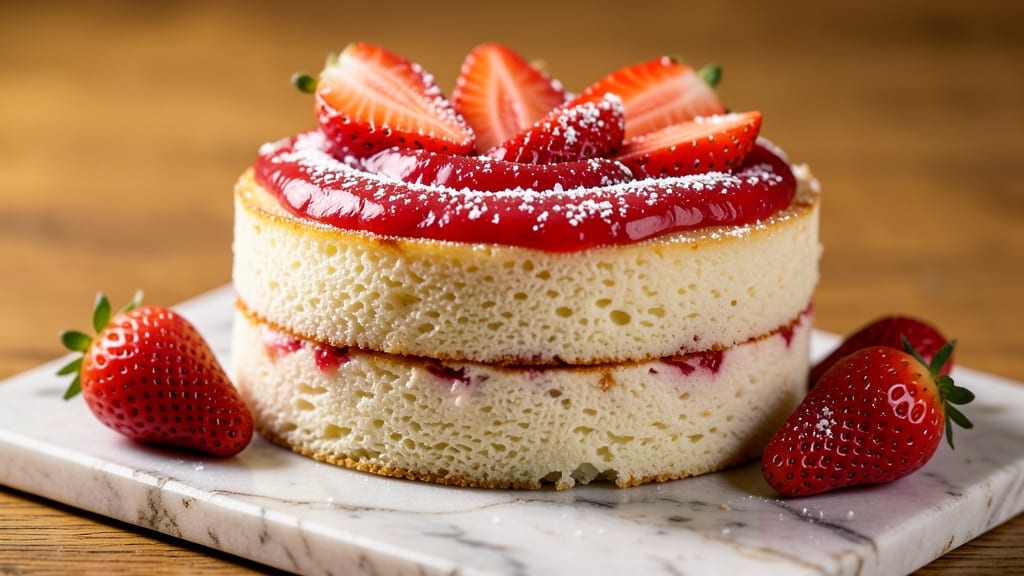
A gluten-free rice flour cake delivers the perfect solution for those seeking moist, crumb-free desserts without sacrificing texture or flavor. This recipe transforms rice flour—a staple in gluten-free baking—into a tender, velvety cake that rivals traditional wheat-based versions.
The secret lies in balancing moisture and structure, ensuring every slice stays rich and satisfying.
What sets this recipe apart is its versatility—ideal for dietary restrictions yet adaptable to cultural variations like Japanese mochi cake or Southeast Asian kueh. The key ingredients include rice flour, eggs (or flaxseed substitutes for vegan options), and a touch of baking powder to maintain lift.
With precise measurements and gentle folding, you’ll achieve a cake that’s light yet sturdy, with a delicate crumb that melts in your mouth.
By the time it emerges from the oven, your cake will boast a golden-brown top and a moist interior that defies expectations for gluten-free baking. The absence of crumbs means each bite is pure, velvety indulgence—perfect for celebrations or everyday treats.
Whether you’re accommodating dietary needs or exploring new textures, this recipe delivers professional results at home.
Pair it with fresh fruit, a dusting of powdered sugar, or a drizzle of caramel for added elegance. The possibilities are endless, but the foundation remains the same: a foolproof method for gluten-free cakes that never compromise on moisture or taste. Let’s get baking!
Ingredients for cake made with rice flour
Rice flour transforms into a velvety gluten-free cake with these twelve essential ingredients.
| Ingredient | Amount | Notes |
|---|---|---|
| White Rice Flour 🍚 | 2 cups | Fine grind, gluten-free certified |
| Large Eggs 🥚 | 4 whole | Room temperature for even mixing |
| Granulated Sugar 🍬 | 1 ½ cups | Superfine preferred for smooth texture |
| Unsalted Butter 🧈 | 1 cup | Softened, full-fat for moisture |
| Milk 🥛 | 1 cup | Whole milk for richness |
| Vanilla Extract 🌿 | 2 tsp | Pure, high-quality extract |
| Baking Powder 🍞 | 1 ½ tsp | Double-acting for proper rise |
| Salt 🧂 | ½ tsp | Fine sea salt for balance |
| Powdered Sugar 🍬 | ¼ cup | For dusting finished cake |
| Fresh Strawberries 🍓 | 1 lb | Hull-free, sliced for garnish |
| Lemon Juice 🍋 | 1 tbsp | Freshly squeezed for brightness |
| Xanthan Gum 🧪 | ¼ tsp | Ensures proper structure |
The rice flour is non-negotiable—opt for Bob's Red Mill or King Arthur brands for the finest texture. Fine grind is critical; coarser varieties yield a denser crumb. Costco or Whole Foods bulk sections often carry premium options. For the butter, Plugrá or Land O'Lakes unsalted provide optimal moisture, while the eggs should be large, room-temperature for perfect emulsification. Organic Valley or Pasture-Raised eggs enhance flavor subtly but aren't mandatory. The vanilla extract? McCormick Pure or Nielsen-Massey deliver consistent quality without artificial aftertaste.
No fresh strawberries? Raspberries or blueberries work equally well—just adjust the amount to match weight. Substituting the milk? Coconut milk adds richness but may alter texture slightly; almond milk works but requires an extra 1 tbsp xanthan gum for structure. The baking powder must be double-acting—Clabber Girl or Diamond Crystal are reliable choices. For a vegan version, replace eggs with 4 tbsp flaxseed meal + 10 tbsp water (let sit 5 minutes). The powdered sugar can be swapped for confectioners' sugar from Domino if unavailable, though it may contain anti-caking agents.
Store the rice flour in an airtight container in a cool, dark place for up to 6 months. Fresh strawberries should be refrigerated in a paper towel-lined container and used within 3 days of purchase. The prepared batter can be refrigerated for 24 hours before baking, though it's best used immediately. Once baked, the cake keeps 3 days at room temperature or 1 week refrigerated. For longer storage, slice and freeze individual portions for up to 3 months—thaw at room temperature before serving.
Why You'll Love This Recipe
- No-Fuss Mixing: I swear by this recipe because it’s one bowl, no sifting, no fuss—just whisk eggs, fold in rice flour, and let the butter melt into that tender crumb. The rice flour blends like a dream, no lumps, no stress.
- Moist Magic: That butter-milk combo? It keeps this cake impossibly light, almost like a cross between pound cake and a cloud. Honestly, it’s the kind of texture that makes you forget it’s gluten-free.
- Crowd-Pleaser Twist: Serve it warm with a drizzle of honey for breakfast, slice it chilled for dessert, or pack it in lunchboxes—it’s my go-to for birthdays, potlucks, or when I need something that won’t flop. (Yes, even on a Tuesday night.)
- Budget-Friendly Staples: Rice flour and eggs are pantry basics, and this recipe stretches further than most—leftovers stay fresh for days, or I freeze slices for quick treats. It’s my secret weapon when I’m low on cash but still want something special.
Step-by-step instructions for a gluten-free rice flour cake
Mastering this recipe delivers a tender, crumb-free texture that rivals traditional cakes.
Prepare the Strawberry Compote
Begin by combining the 1 lb fresh strawberries with the 1 tbsp lemon juice in a small saucepan. This acidity helps preserve the fruit's vibrant color and prevents browning. Mash the strawberries lightly with a fork, leaving some texture for visual appeal. Cook over medium-low heat for 5-7 minutes until the mixture reduces slightly and releases its natural juices—you'll see the liquid thicken just enough to coat the back of a spoon.
The compote should be smooth but not completely puréed, retaining some berry texture. Strain through a fine-mesh sieve if you prefer a silky consistency, or leave it slightly chunky for rustic appeal. Remove from heat and let cool completely before using. This step ensures the strawberries contribute moisture and flavor without making the cake too wet during baking.
Mix Dry Ingredients for Structure
In a medium bowl, whisk together the 2 cups white rice flour, 1.5 tsp baking powder, 0.5 tsp salt, and 0.25 tsp xanthan gum. The xanthan gum is critical here—it mimics gluten's binding properties, giving the cake structure without crumbs. Sift the ingredients through a fine-mesh sieve to aerate the flour and eliminate any lumps, which prevents a dense final texture.
Set aside the dry mixture. The rice flour's fine grind ensures a smooth batter, but it lacks the elasticity of wheat flour. The xanthan gum compensates by creating a network that holds the cake together while maintaining moisture. Keep this mixture at room temperature to avoid condensation when combining with wet ingredients later.
Cream Butter and Sugar for Moisture
In a stand mixer fitted with the paddle attachment, beat the 1 cup softened unsalted butter and 1.5 cups granulated sugar on medium speed for 3-4 minutes. The butter should become pale and fluffy, nearly doubling in volume. This step incorporates air, which lightens the cake's texture and traps moisture during baking.
Here's the thing—rice flour cakes can dry out quickly, so this creaming process is essential. Scrape down the sides of the bowl occasionally to ensure even mixing. The sugar should dissolve completely into the butter, creating a smooth base. If the mixture feels grainy, sift the sugar again before proceeding. Stop mixing once the butter-sugar blend is light and airy.
Combine Wet Ingredients Gently
Add the 4 whole large eggs, one at a time, mixing on low speed after each addition until fully incorporated. The eggs provide structure and richness, but overmixing can develop gluten-like properties in the rice flour, leading to a tough texture. After the eggs are combined, add the 1 cup milk and 2 tsp vanilla extract, mixing just until smooth.
Next, gradually fold in the cooled strawberry compote using a spatula. This prevents the batter from becoming too dense from the fruit's liquid. The batter should be thick but pourable—similar to a thick pancake batter. If it feels too stiff, add 1-2 tablespoons of milk to loosen it. The goal is a homogeneous mixture without streaks of fruit or flour.
Fold in Dry Ingredients and Bake
With the mixer on low speed, gradually add the dry ingredients to the wet mixture. Mix only until combined—overmixing activates the xanthan gum too much, which can make the cake gummy. The batter will thicken noticeably as the flour absorbs the liquid. Stop mixing as soon as no dry spots remain.
Pour the batter into a 9-inch round cake pan lined with parchment paper and lightly greased with butter. Spread evenly and smooth the top with a spatula. Bake in a preheated 350°F oven for 35-40 minutes, or until a toothpick inserted into the center emerges clean. The cake should spring back slightly when pressed gently in the center.
Cool and Finish with Powdered Sugar
Remove the cake from the oven and let it cool in the pan for 10 minutes. Then transfer it to a wire rack to cool completely. This gradual cooling prevents cracking, which is common with gluten-free cakes due to their delicate structure. Once fully cooled, dust the top generously with the 0.25 cup powdered sugar using a fine-mesh sieve for an elegant finish.
The cake should have a moist, velvety crumb with no dry or crumbly texture. Slice it into 4 equal servings and serve at room temperature. The strawberry compote adds natural sweetness and acidity, balancing the cake's richness. For extra presentation, garnish with fresh strawberry slices on the side.
Pro Tips For Making Cake Made With Rice Flour
- Sift the Flour Twice: Rice flour clumps like it’s holding a grudge—give it a quick double-sift through a fine-mesh sieve before mixing. I learned this the hard way when my first batch turned out denser than a brick, and now my cakes rise smoother every time.
- Whisk Eggs Until Ribbon-Thick: Don’t just beat the eggs—whisk them until they form a slow, glossy ribbon when the whisk is lifted. This adds lightness rice flour cakes desperately need, or you’ll end up with a sad, gummy center. (Yes, even if you’re impatient like me.)
- Melt Butter Slowly: Warm the butter in the microwave in 20-second bursts, stirring between each, until fully melted but not hot. Dumping it straight from the fridge into warm batter can trigger premature curdling, and nobody wants a lumpy rice flour cake.
- Bake at 325°F, Not Higher: Rice flour burns faster than a ghost in sunlight—stick to 325°F and check for doneness at 25 minutes. The edges might look set, but the center plays hard to get. A toothpick should come out clean, or you’re risking a gummy mess.
Wine and beer pairings for these flavors
Light White Wine Pairing
For this delicate rice flour cake, a crisp Sauvignon Blanc from New Zealand or Loire Valley is my go-to choice. The wine’s bright acidity and citrus notes—think lime, green apple, and fresh herbs—cut through the cake’s richness while complementing the strawberry compote’s natural sweetness.
Look for a bottle with 12-13% ABV to balance the cake’s subtle texture without overpowering it. Chill to 45-50°F for optimal contrast. 🍷
Sparkling Wine for Celebration
Celebratory occasions call for Prosecco or Cava, both of which add a festive effervescence. The gentle bubbles cleanse your palate between bites, making the cake’s velvety texture even more luxurious. Opt for a dry or brut style—avoid sweet versions that clash with the cake’s natural sweetness.
A chilled 11-12% ABV Prosecco from Italy or a Spanish Cava with almond and green apple notes works beautifully. Serve in flutes to enhance the experience.
Rosé for Versatility
A dry rosé from Provence or Spain offers a versatile pairing that bridges the cake’s moisture and the fruit’s acidity. Choose a rosé with strawberry and citrus undertones—these mirror the strawberry compote while adding a floral complexity.
A 12-13% ABV rosé, chilled to 48-50°F, enhances the cake’s delicate crumb without dominating. This is my top pick for casual gatherings where variety is key. 🍓
Beer Pairings for Bold Flavors
For beer lovers, a wheat beer like Blue Moon or a Belgian witbier such as Hoegaarden provides a refreshing contrast. The beer’s citrus and spice notes complement the strawberry while the effervescence balances the cake’s richness.
Avoid heavy stouts or lagers—they can overpower the delicate texture. Serve the beer ice-cold (38-40°F) to highlight its crispness. 🍺
Non-Alcoholic Options
For a non-alcoholic pairing, sparkling apple cider or a ginger-infused iced tea works wonders. The cider’s tartness and effervescence mirror the cake’s acidity, while the tea’s ginger and citrus add a zesty kick.
Chill both to 40-45°F for the best experience. These options are perfect for family gatherings or health-conscious guests.
Nutrition facts
Frequently asked questions
Why does rice flour cake turn out denser than wheat flour cakes?
Rice flour lacks gluten's elastic structure, so it needs extra moisture and binders like xanthan gum or eggs to stay light. The recipe uses 2 cups rice flour with 0.25 tsp xanthan gum and 4 eggs to compensate. Underbaking by 2-3 minutes also prevents dryness while maintaining tenderness.
Can I substitute rice flour for other gluten-free flours?
While almond flour or coconut flour work, they alter texture dramatically. Almond flour adds richness but may make the cake crumbly, while coconut flour requires 3x more liquid. For best results, stick with rice flour—it's neutral and absorbs moisture evenly.
How do I fix a rice flour cake that cracked while baking?
Cracking often happens from overmixing or rapid cooling. To prevent it: don't overfill the pan (use 9-inch round), and avoid opening the oven door early. If it cracks, slice carefully and serve with extra powdered sugar or fruit topping to mask it.
Is this recipe suitable for vegan baking?
<
Yes! Replace eggs with 4 tbsp flaxseed meal + 10 tbsp water (let sit 5 minutes to gel). Use coconut milk instead of dairy milk, and ensure your vanilla extract is vegan-certified. The texture remains moist but may be slightly denser.
Can I make this cake ahead of time?
Bake the cake 1 day ahead and store wrapped at room temperature. For longer storage, slice and freeze portions for up to 3 months. Thaw at room temperature before serving to preserve moisture. The flavors actually improve overnight!