
Main Courses
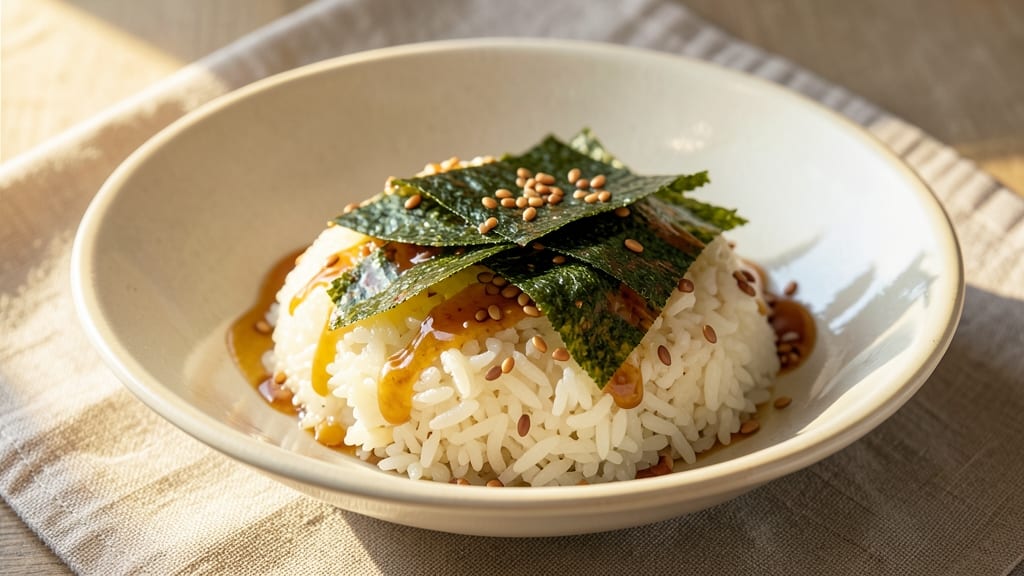
This California sushi rice recipe delivers the short-grain perfection needed for authentic, fusion-style rolls that balance traditional Japanese techniques with West Coast creativity.
The secret lies in the seasoning—just the right mix of rice vinegar, sugar, and salt transforms plain sushi rice into a sticky, flavorful base that holds fillings like avocado, crab, or smoked salmon without falling apart.
What sets this apart is the California twist: think creamy fillings, tempura crunch, and bold toppings that make every roll a showstopper. Whether you're crafting classic rolls or modern bowls, this rice is the foundation that turns simple ingredients into restaurant-quality sushi—no experience required. Let’s get started.
Ingredients for california sushi rice
Short-grain rice, vinegar, and sugar create the perfect foundation for fusion-style sushi rolls.
| Ingredient | Amount | Notes |
|---|---|---|
| Japanese Short-Grain Rice 🍚 | 1 ½ cups | Uncooked, rinsed thoroughly |
| Rice Vinegar 🍶 | ⅓ cup | Seasoned preferred for depth |
| Granulated Sugar 🍚 | 2 tbsp | Fine grain preferred |
| Kosher Salt 🧂 | 1 ½ tsp | Diamond Crystal preferred |
| Sesame Seeds 🌾 | 1 tbsp | Toasted for aroma |
| Fresh Nori Strips 🍣 | 4 whole | For garnish, optional |
| Avocado 🥑 | ½ whole | Sliced for California rolls |
| Smoked Salmon 🐟 | 4 oz | Sliced thin for garnish |
| Fresh Crab Meat 🦀 | 4 oz | Lump preferred |
| Extra-Virgin Olive Oil 🫒 | 1 tsp | For drizzling |
| Fresh Wasabi 🌶️ | 1 tsp | Adjust to taste |
| Pickled Ginger 🍋 | 2 slices | For serving |
| Soy Sauce 🍶 | ¼ cup | For dipping sauce |
| Water 💧 | 1 ½ cups | Filtered preferred |
The rice is non-negotiable—Japanese short-grain is essential for that signature stickiness. Koshihikari or Calrose brands deliver the best texture. Rinse the rice three times until the water runs clear to remove excess starch. For the vinegar, seasoned rice vinegar adds subtle sweetness, but plain works too. Sugar should be fine-grained to dissolve evenly, and Diamond Crystal kosher salt dissolves more cleanly than table salt. Toast your sesame seeds in a dry pan for 30 seconds—the aroma elevates everything.
No seasoned rice vinegar? Plain rice vinegar plus 1 tsp sugar works in a pinch. Substitute avocado with cucumber or mango for variety. For smoked salmon, lox or nova are interchangeable. If crab is unavailable, imitation crab or extra avocado maintains texture. The olive oil should be extra-virgin—cheap oils can taste bitter. Wasabi is optional but recommended; store-bought paste works if fresh isn't available. For the dipping sauce, reduce the soy sauce slightly to intensify flavor.
Rice keeps 2-3 days in the fridge, covered tightly with plastic wrap pressed directly on the surface. Reheat gently in a steamer or microwave with a damp paper towel. The smoked salmon and crab should be stored separately and added fresh when serving. Prep fillings ahead but assemble rolls last-minute to prevent sogginess. For leftovers, freeze rice in portions—thaw overnight in the fridge before reheating. The nori strips stay fresh for 1 week in the pantry, while pickled ginger lasts 2 weeks once opened.
Why You'll Love This Recipe
- Here’s what sold me: that perfect balance of sweet, salty, and umami. The vinegar cuts through the rice’s stickiness, while the sugar keeps it bright, and the sesame seeds? They give it this nutty warmth that makes every mouthful feel like a little vacation.
- Five-Ingredient Magic: I swear by this—just rice, vinegar, sugar, salt, and sesame seeds. No fancy gadgets, no last-minute grocery runs. The rice soaks up that tangy-sweet dressing like a dream, and the sesame seeds add this little crunch that makes it feel special.
- Taste Like a Bite of Sunshine: Here’s what sold me: that perfect balance of sweet, salty, and umami. The vinegar cuts through the rice’s stickiness, while the sugar keeps it bright, and the sesame seeds? They give it this nutty warmth that makes every mouthful feel like a little vacation.
- Lunchbox Hero: Between us, this rice is my go-to for meal prep. Toss it cold in bento boxes with cucumber, avocado, or even canned tuna—it stays fresh for days. My kids (yes, even the picky one) actually eat it because it’s not "boring" rice. Win.
Step-by-step instructions for California sushi rice
Mastering this foundational technique ensures your rolls stay cohesive and flavorful every time.
Rinse the Japanese Short-Grain Rice Thoroughly
Place the 1.5 cups Japanese short-grain rice in a fine-mesh strainer and rinse under cold running water for 30 seconds. Swirl the rice gently with your fingers to loosen any starch. Drain completely, then repeat this process 3-4 times until the water runs completely clear. This critical step removes excess surface starch that would otherwise make your rice gummy.
I like to do this over the sink to avoid wasting water. The goal is to create rice with individual grains that remain distinct yet cling together perfectly when seasoned. After the final rinse, let the rice drain in the strainer for 5 minutes before transferring it to your cooking vessel. This resting period ensures even cooking and prevents a mushy texture.
Cook the Rice to Perfect Al Dente
In a heavy-bottomed pot with a tight-fitting lid, combine the drained rice with the 1.5 cups water. Bring to a boil over medium-high heat, then immediately reduce to the lowest possible simmer. The moment the water returns to a gentle boil after adding the rice, set a timer for 10 minutes without lifting the lid.
After 10 minutes, remove the pot from heat and let it sit completely undisturbed for 15 minutes. This resting period allows the steam to finish gelatinizing the starches, resulting in rice that's perfectly tender with a slight bite. The grains should be separate but cling together when pressed gently with your fingers. If you peek too early, you'll disrupt this crucial process and end up with unevenly cooked rice.
Season the Rice with the Signature California Sushi Dressing
While the rice steams, prepare the seasoning mixture by combining the 0.33 cup rice vinegar, 2 tablespoons granulated sugar, and 1.5 teaspoons kosher salt in a small bowl. Whisk until the sugar and salt are completely dissolved. I prefer to use seasoned rice vinegar here for added depth of flavor, but plain vinegar works in a pinch.
Once the rice has rested, transfer it to a large wooden or glass bowl. Gently fold in the vinegar mixture using a rice paddle or large spoon, being careful not to mash the grains. The rice should be evenly moistened but still maintain its distinct grains. Sprinkle the 1 tablespoon toasted sesame seeds over the surface and gently fold them in. The aroma from the toasted seeds will infuse throughout the rice as it cools.
Cool and Prepare for Assembly
Spread the seasoned rice evenly in a single layer on a large baking sheet or tray. Cover loosely with plastic wrap and let it cool to room temperature, about 20-30 minutes. This cooling step is essential for handling the rice without it sticking to your fingers or rolling sheets. The rice should be cool enough to touch but still slightly warm when you're ready to assemble your rolls.
While the rice cools, prepare your garnishes: slice the 0.5 whole avocado into thin strips, arrange the 4 whole fresh nori strips on a clean surface, and portion the 4 ounces smoked salmon and 4 ounces fresh crab meat. The California roll tradition calls for these ingredients to be placed inside the roll rather than on top, creating a visually striking presentation with the vibrant green avocado peeking through.
Pro Tips For Making California Sushi Rice
- Rinse Rice Thoroughly: Skip the lazy rinse—give that short-grain rice a good scrub in cold water until it runs almost clear. I learned this the hard way: sticky rice ruins California rolls faster than you can say "avocado smear." Drain well, but don’t wring it out—just let it sit for 30 minutes before cooking.
- Cook Rice to Perfection: Use a 1:1.1 rice-to-water ratio and bring it to a full rolling boil first. Then reduce to the lowest heat possible—this isn’t the time to hover over the stove. After 10 minutes, turn off the heat and let it steam, covered, for another 10. The rice will finish cooking in the residual heat—no mushy, gluey mess.
- Mix Dressing Last: Toss the warm rice with the sesame seeds first, then fold in the vinegar-sugar-salt dressing. Cold rice absorbs flavors better, and the seeds stick to the grains instead of sinking to the bottom. (Yes, even if you’re impatient like me—just let it cool 5 minutes before mixing.)
- Toast Seeds Dry: Heat the sesame seeds in a dry pan over medium-low for 1-2 minutes until they’re just golden and fragrant. Skip the oil—it makes them greasy, and you’ll end up with rice that tastes like a sushi shop’s backup plan. Sprinkle them over the rice while it’s still warm so they cling.
Wine and beer pairings for california sushi rice
Crisp White Wine Pairings
For California sushi rolls, I always reach for a dry Riesling or Sauvignon Blanc—both cut through the creamy avocado and rich crab while highlighting the rice's delicate vinegar notes.
A New Zealand Sauvignon Blanc with its citrus and herbal undertones is my go-to; try Cloudy Bay Sauvignon Blanc for a reliable option. The slight acidity refreshes your palate between bites, balancing the umami from smoked salmon. 🍷
Light-Bodied Reds
If you prefer red wine, opt for a Pinot Noir with enough acidity to stand up to the dish. Look for California Sonoma Coast Pinot Noir—it has bright cherry notes that complement the earthy nori without overpowering the delicate flavors.
Avoid heavy Cabernets; they'll clash with the rice's subtle seasoning. Serve slightly chilled (55°F) to enhance its crispness.
Craft Beer Selections
A Japanese-style lager like Sapporo or Asahi Super Dry mirrors the clean, crisp profile of the rice. For something more adventurous, try a Belgian witbier—the coriander and citrus notes in Hoegaarden elevate the avocado's creaminess. Avoid hoppy IPAs; their bitterness can overwhelm the dish's delicate balance. 🍺
Sake for Traditionalists
For an authentic touch, serve dry junmai sake chilled (40-45°F). The Dassai brand's crisp profile enhances the rice's vinegar seasoning while complementing smoked salmon.
For a sweeter option, Nigori sake adds a subtle sweetness that pairs beautifully with the creamy fillings. Pour into small cups for an elegant presentation.
Non-Alcoholic Options
For mocktails, I blend sparkling yuzu soda with a splash of rice vinegar and a pinch of salt—it mimics the dish's tangy-sweet balance. Alternatively, green tea iced tea (chilled Jasmine tea) provides a refreshing contrast. Serve in a tall glass with ice for that California beach vibe.
Nutrition facts
Frequently asked questions
Can I substitute white rice for Japanese short-grain rice?
Not for this recipe! Japanese short-grain rice has the perfect balance of stickiness and texture that holds rolls together beautifully. White rice lacks the necessary starch content and will fall apart when rolled. If you absolutely must substitute, try sushi rice or Calrose rice—they're specifically cultivated for this purpose.
How do I prevent my California rolls from falling apart?
Start with perfectly seasoned, cool rice that's not too wet or dry. Press the fillings tightly into the center of your nori sheet, then roll firmly but gently. Use a bamboo rolling mat for even pressure. The key is to seal the edges completely—moisten them with a bit of water if needed. Chill the rolls for 10-15 minutes before slicing to help them hold together.
What's the difference between California rolls and traditional sushi?
California rolls are inside-out rolls with rice on the outside and fillings inside (like avocado and crab), while traditional sushi typically has raw fish on top. The California style also incorporates Western ingredients like cream cheese and tempura crunch. This rice recipe works for both styles—just adjust your fillings!
Can I make this rice ahead of time?
Yes! Cooked rice keeps well in an airtight container in the fridge for 3-4 days or frozen for 1 month. Reheat gently in a steamer or microwave with a damp paper towel to restore moisture. The seasoning may intensify slightly when reheated, so adjust with a splash of rice vinegar if needed.
What are some vegan-friendly fillings for California rolls?
Try mashed avocado with cucumber, shredded carrots, or pickled radishes. For protein, use marinated tofu, tempura-fried mushrooms, or avocado with a sprinkle of nori. The rice seasoning works perfectly with these plant-based options—just omit the smoked salmon or crab.