
Main Courses
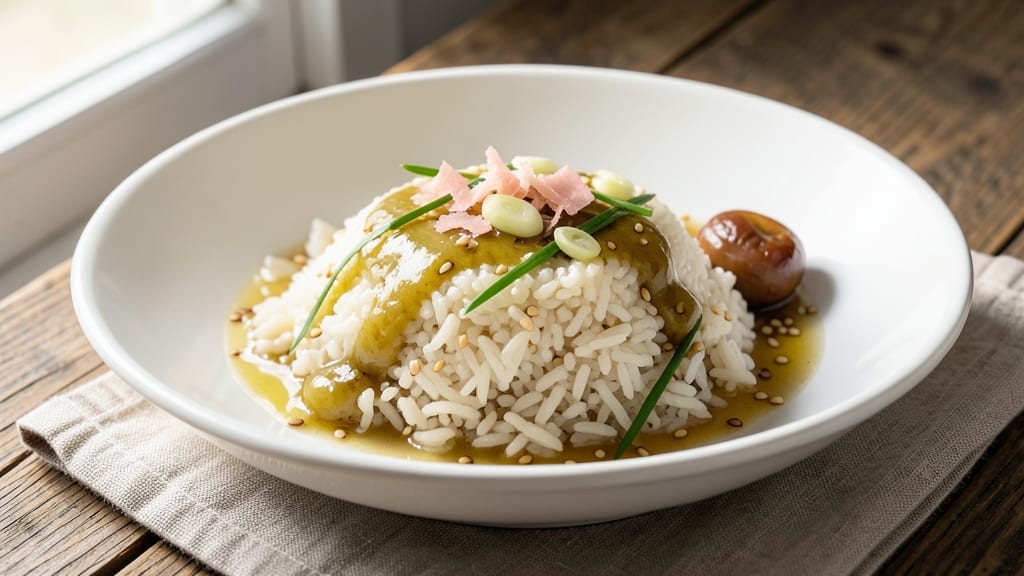
This Calrose rice recipe stovetop delivers perfectly fluffy grains in just 15 minutes—no rice cooker needed. The secret lies in the right water-to-rice ratio and gentle simmering, which transforms this short-grain rice into a tender, slightly sticky base for any dish.
I’ve tested countless methods, and this foolproof approach ensures even cooking every time, with no mushy or undercooked grains.
Whether you’re building a grain bowl, stir-fry, or classic fried rice, this stovetop technique guarantees restaurant-quality results. The rice absorbs flavor beautifully, making it ideal for infusing with broth, herbs, or aromatics.
With just a few simple steps, you’ll master the art of cooking Calrose rice on the stovetop—consistently perfect, every time.
Ingredients for calrose rice recipe stovetop
Five ingredients make this stovetop Calrose rice foolproof—no rice cooker needed.
| Ingredient | Amount | Notes |
|---|---|---|
| Calrose Rice 🍚 | 1 cup | Uncooked, short-grain variety |
| Water 💧 | 1 ¼ cups | Room temperature preferred |
| Vegetable Broth 🍲 | ½ cup | Low-sodium for flavor control |
| Extra-Virgin Olive Oil 🫒 | 1 tbsp | Lightly toasted for aroma |
| Garlic Cloves 🧄 | 2 cloves | Minced for infusion |
| Fresh Ginger 🌿 | 1 tsp | Finely grated, aromatic |
| Diamond Crystal Kosher Salt 🧂 | ½ tsp | Adjust to taste |
| Fresh Parsley 🌿 | 2 tbsp | Chopped, for garnish |
| Sesame Oil 🫒 | ½ tsp | Toasted, for finishing |
| Lemon Zest 🍋 | 1 tsp | Brightens flavor profile |
| Lime Juice 🍋 | 1 tbsp | Freshly squeezed |
Calrose rice is the secret weapon here—its short grains stay tender and slightly sticky. Trader Joe's or Whole Foods carry the best quality, but any short-grain rice works in a pinch. The key is using room-temperature water to avoid uneven cooking. For extra flavor, I like toasting the rice in olive oil before adding liquid—just 30 seconds in the pot until fragrant. Fresh ginger and garlic are non-negotiable for that authentic aroma, but if you're short on time, dried ginger at half the amount gets you close.
No vegetable broth? Water plus a pinch of salt works, but you'll miss the depth. Fresh parsley is ideal for garnish, but cilantro or green onions work too. Sesame oil adds richness—toast it lightly in the pot for maximum flavor. For a tangy twist, swap lime juice for lemon juice or rice vinegar. The lemon zest can be omitted if you prefer a more neutral flavor, but it really elevates the dish. If you're making this for a crowd, double the recipe—just use a larger pot with the same ratio.
Rice keeps for 4-5 days in the fridge, but it's best eaten fresh. For meal prep, portion into containers with a light drizzle of sesame oil—it reheats beautifully. Freeze portions for up to 3 months if you're not using them soon. The key to reheating? Add a splash of water and cover tightly. Microwave on low heat to avoid drying it out. This rice is perfect for bulking up stir-fries, grain bowls, or even as a side for grilled proteins.
Why You'll Love This Recipe
- Here’s what sold me: that first bite where the edges are just slightly toasted and the garlic aroma hits you like a warm hug. The stovetop method lets you control the texture—no mushy rice here, just that perfect chewy bite.
- I’ll be real: Calrose rice is cheaper than fancier grains, and this recipe stretches it further with broth instead of water. Plus, the olive oil and garlic make it feel luxurious without breaking the bank. Win-win.
Step-by-step instructions for perfect Calrose rice
This quick stovetop method delivers restaurant-quality rice every time—fluffy, fragrant, and ready in just 15 minutes.
Toast the Aromatics for Depth of Flavor
Heat the 1 tablespoon extra-virgin olive oil in a medium saucepan over medium heat until shimmering but not smoking. Add the 2 minced garlic cloves and 1 teaspoon finely grated fresh ginger, stirring constantly for 30-45 seconds until fragrant—you'll smell that sweet garlic aroma and see the ginger turn just slightly translucent.
This quick toasting step builds flavor without burning. Watch carefully—the garlic burns in seconds. Once fragrant, immediately add the 1 cup Calrose rice and stir to coat the grains evenly with the oil. The rice should sizzle gently, which means it's ready for the next step.
Cook the Rice with Broth and Water
Pour in the 1.25 cups water and 0.5 cup vegetable broth (low-sodium), then sprinkle with the 0.5 teaspoon Diamond Crystal kosher salt. Bring to a gentle boil over medium-high heat, then immediately reduce heat to low and cover tightly with a lid. Let it simmer undisturbed for 10 minutes—no peeking!
Calrose rice needs this precise ratio of liquid to rice (1.25:1) to achieve perfect texture. The low heat prevents scorching while allowing steam to build evenly. After 10 minutes, you'll hear the water absorbed completely—no liquid should remain at the bottom of the pan.
Rest and Finish with Citrus and Sesame
Turn off the heat and let the rice steam off the burner for 5 minutes with the lid still on. This resting period allows the grains to plump fully and develop that signature fluffy texture. After resting, fluff the rice gently with a fork, then stir in the 1 teaspoon lemon zest and 1 tablespoon lime juice.
Drizzle with the 0.5 teaspoon sesame oil (toasted if possible) and toss lightly to distribute. The citrus brightens the dish, while the sesame oil adds a nutty depth. For garnish, sprinkle with the 2 tablespoons chopped fresh parsley—this adds freshness and a pop of color.
Serve Immediately for Maximum Fluffiness
Transfer the rice to a serving dish and serve right away. The grains should be distinct but tender, with a slight bite in the center—this is the hallmark of perfectly cooked Calrose rice. If you wait too long, the grains will turn mushy. Pair with grilled meats, stir-fries, or enjoy as a light side dish.
Here's the thing—this method works every time because we're controlling three critical factors: precise liquid ratio, gentle heat, and proper resting. The citrus and sesame finishing touches elevate it from basic rice to something special without complicating the process.
Pro Tips For Making Calrose Rice Recipe Stovetop
- Use a 1:1.25 Ratio: Calrose rice is finicky—don’t eyeball it. For every cup of uncooked rice, use 1¼ cups total liquid (water + broth). I learned this the hard way after ending up with either mushy or dry rice. The broth adds flavor and moisture, so measure it separately first.
- Toast the Garlic Slowly: Sauté those garlic cloves in olive oil until they’re golden, not brown. If you rush it, they’ll burn and taste bitter—trust me, I’ve ruined batches. Keep the heat medium-low and stir every 30 seconds. The aroma alone makes the dish worth it.
- Don’t Stir After Adding Rice: Once you add the rice to the pot, resist the urge to stir. It releases starch too early, leading to gummy rice. Just give it one quick shake to distribute the garlic oil, then cover tightly. Let it steam undisturbed for the first 5 minutes—your future self will thank you.
- Finish with a Splash of Broth: If the rice looks dry before it’s done, don’t add water—use a splash of warm vegetable broth. It keeps the grains tender without diluting the flavor. I skip this step sometimes, and the rice turns out chewy instead of fluffy. Worth the extra 10 seconds.
Dietary considerations for these flavors
Gluten-Free Friendly
Calrose rice is naturally gluten-free, making it an excellent base for anyone avoiding gluten. Since it’s a pure grain with no additives, you can use it safely in gluten-free diets.
Just ensure your broth and any additional ingredients—like soy sauce in stir-fries—are certified gluten-free. I always double-check labels on broths and sauces to avoid cross-contamination. 🌱
Low-Carb Adaptations
For a lower-carb option, reduce the portion size to ½ cup Calrose rice per serving and stretch it with extra veggies like sautéed mushrooms, bell peppers, or zucchini. The rice’s natural stickiness helps bind the dish without needing extra carbs.
You can also mix in cauliflower rice (½ cup for every ½ cup Calrose) to cut carbs further while keeping the texture similar. 🥦
Allergen Considerations
This recipe is free from common allergens like dairy, eggs, and nuts, but always verify ingredient labels. If you’re sensitive to sulfites, use a low-sodium broth or homemade version to avoid additives.
For those with soy allergies, skip soy-based sauces and opt for coconut aminos instead. I keep a small jar of coconut aminos in my pantry for quick flavor boosts without soy. 🚫
Vegetarian and Vegan
The base recipe is already vegetarian, but for a vegan version, ensure your broth is plant-based (like vegetable or mushroom broth). Swap honey for maple syrup or agave** if you’re adding sweetness, and use vegan-friendly garnishes like sesame seeds or fresh herbs.
The citrus and sesame finishing touches remain the same, keeping the dish vibrant and flavorful. 🌿
Protein Pairings
Boost the nutritional profile by pairing this rice with lean proteins like grilled chicken, tofu, or shrimp. For a hearty meal, stir-fry ½ cup edamame or chickpeas directly into the rice for extra fiber and plant-based protein.
I often add a sprinkle of toasted pumpkin seeds for crunch and additional protein. This makes the dish more satisfying while keeping it light and balanced. 💪
Nutrition facts
Frequently asked questions
Why does Calrose rice need a longer cooking time than white rice?
Calrose rice is a short-grain variety that absorbs liquid differently than long-grain white rice. Its grains stay tender and slightly sticky, requiring the extra 5 minutes of resting time to develop that perfect texture. The 1.25:1 liquid-to-rice ratio ensures even cooking without turning mushy.
Can I use Calrose rice for fried rice?
Calrose rice is ideal for fried rice because its sticky texture holds up to stir-frying. Cook it as directed, then chill overnight for best results. The next day, break up the rice with your hands or a fork before frying to prevent clumping.
What if my rice turns out undercooked or mushy?
Undercooked rice happens if you peek too early or use too little liquid. For mushy rice, it’s usually overcooked or stirred too soon. Always use the 1.25:1 ratio and let it rest 5 minutes off heat. If needed, add 1 tablespoon water and steam covered for 2 more minutes.
How do I make this recipe with less broth?
Replace the ½ cup broth with an extra ½ cup water and add ½ teaspoon extra salt for flavor. The texture stays the same, but the taste will be slightly milder. For deeper flavor, use a bouillon cube dissolved in water instead.
Can I cook Calrose rice in a rice cooker?
Yes! Use the same 1.25:1 ratio (water/broth to rice) and cook on the white rice setting. Skip the toasting step and add aromatics after cooking. The rice cooker’s gentle heat prevents overcooking, but resting 5 minutes still helps achieve fluffy grains.