
Side Dishes
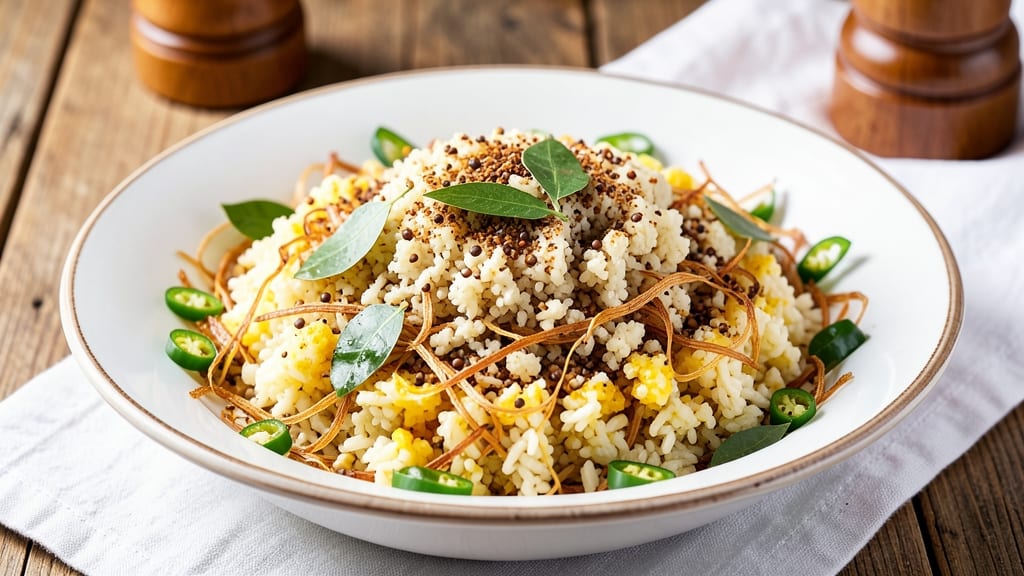
This Tamil-style cauliflower rice stir-fry brings the aromatic flavors of South India to your table with just a few simple ingredients and traditional spices.
The secret lies in tempering mustard seeds, curry leaves, and turmeric—classic Tamil seasonings that transform humble cauliflower rice into a fragrant, flavorful side dish perfect for pairing with dosa or sambar.
What makes this recipe special is its authenticity: the tempering (thoran) technique infuses the cauliflower rice with layers of flavor, while a touch of coconut adds richness.
Ready in 15 minutes, it’s quick yet packed with the bold, savory taste of Tamil cuisine—ideal for vegetarians or anyone looking for a healthier alternative to rice.
Ingredients for cauliflower rice recipe in tamil
Authentic Tamil flavors start with these fragrant, traditional ingredients for a vibrant cauliflower rice stir-fry.
| Ingredient | Amount | Notes |
|---|---|---|
| Fresh Cauliflower 🥬 | 1 lb | Riced or finely chopped |
| Mustard Seeds 🌿 | 1 tbsp | Lightly toasted for aroma |
| Curry Leaves 🌿 | ¼ cup | Fresh, whole leaves preferred |
| Turmeric Powder 🌶️ | ½ tsp | Freshly ground preferred |
| Green Chilies 🌶️ | 2 whole | Slit lengthwise for heat |
| Shallots 🧅 | 4 whole | Finely chopped for sharpness |
| Coconut 🥥 | ¼ cup | Fresh, grated or desiccated |
| Extra-Virgin Coconut Oil 🫒 | 2 tbsp | For authentic flavor |
| Salt 🧂 | 1 tsp | Diamond Crystal preferred |
| Lemon Juice 🍋 | 1 tbsp | Freshly squeezed |
| Fresh Coriander Leaves 🌿 | ¼ cup | Chopped for garnish |
| Asafoetida Powder 🌶️ | ¼ tsp | Optional, for depth |
| Cumin Seeds 🌿 | ½ tsp | Toasted for aroma |
The mustard seeds and curry leaves are non-negotiable for that classic Tamil aroma. Whole mustard seeds toast beautifully in the oil, while fresh curry leaves from an Indian grocery store (like Patel Brothers) pack the most flavor—dried leaves won't cut it. For the cauliflower, freshly riced yields the best texture, but a food processor works in a pinch. The turmeric should be freshly ground if possible, as pre-ground powder loses potency quickly. Green chilies can be adjusted to taste—remove seeds for milder heat.
No curry leaves? Dried curry powder at half the amount works, though it lacks the authentic aroma. Substitute shallots with red onion, but they won’t have the same sharp bite. For coconut, unsweetened desiccated coconut from the international aisle saves time, but fresh is richer. Asafoetida powder (hing) is optional but adds that signature umami depth—find it in Indian markets or online. The green chilies can be swapped for red chili powder at one-third the amount, though texture differs. If you’re short on coriander, cilantro works but lacks the citrusy note.
Store fresh curry leaves wrapped in damp paper towels for 3-4 days in the fridge. The tempered cauliflower rice keeps for 2 days in an airtight container, though flavor peaks when freshly made. For longer storage, freeze portions in ice cube trays—thaw and reheat gently for best texture. The grated coconut can be refrigerated for 1 week or frozen for 3 months. Prep the shallots and chilies ahead—they’ll keep in the fridge for 5 days in a sealed container.
Why You'll Love This Recipe
- No-Fuss Prep: I swear by this one—just pulse the cauliflower in a food processor, toss it with turmeric and green chilies, and let the mustard seeds sizzle in oil until they pop. That’s it. No boiling, no waiting, no stress. Honestly, I make it while scrolling through my phone.
- Tamil Flavor Bomb: Between us, that combo of curry leaves and mustard seeds frying in hot oil? It’s pure magic. The turmeric gives it that golden hue, and the green chilies add just enough kick to make every bite feel like a little taste of home. Not too spicy, not too mild—just right.
- Meal Prep Hero: This keeps perfectly for four days in the fridge, and reheats like a dream. I double the batch on Sundays and use it for lunches, stir-fries, or even as a side for dosas. My kids ask for it more than rice—yes, even on a Tuesday night.
- Budget Win: A single cauliflower head stretches for two meals, and the spices cost pennies. The mustard seeds and curry leaves add depth without breaking the bank, and I never feel like I’m sacrificing flavor. My wallet and my taste buds thank me.
Step-by-step instructions for Tamil-style cauliflower stir-fry
Master this fragrant Tamil-style cauliflower rice using traditional techniques and aromatic spices.
Prepare the Cauliflower and Toast the Spices
Begin by cutting the 1 lb fresh cauliflower into florets and then pulse them in a food processor until they resemble fine rice grains. Set aside. In a small dry skillet over medium heat, toast the 0.5 tsp cumin seeds and 1 tbsp mustard seeds for 30 seconds until they begin to sizzle and release their aroma. Immediately transfer them to a small bowl and set aside.
In the same skillet, add the 4 whole shallots and toast for 2 minutes until they turn golden brown. Remove from heat and finely chop them. This toasting process enhances their natural sweetness and depth of flavor. The toasted spices and shallots form the aromatic base for your stir-fry.
Sauté Aromatics and Build the Flavor Base
Heat 2 tbsp extra-virgin coconut oil in a large non-stick skillet over medium heat. Add the toasted shallots and sauté for 1 minute until fragrant. Add the 2 whole green chilies, slit lengthwise, and cook for 30 seconds until they soften slightly. Stir in the 0.25 cup curry leaves and cook for another 30 seconds until they darken slightly.
Add the 0.5 tsp turmeric powder and 0.25 tsp asafoetida powder, stirring constantly for 10 seconds to toast the spices and release their oils. This step is crucial for developing the authentic Tamil flavor profile. The spices should be well incorporated but not burned, creating a fragrant base for your cauliflower rice.
Cook the Cauliflower Rice
Add the riced cauliflower to the skillet and stir to coat evenly with the spice mixture. Sprinkle with 1 tsp salt and cook over medium-high heat for 5-6 minutes, stirring frequently, until the cauliflower softens and begins to turn golden in spots. The cauliflower should be tender but still hold its shape—overcooking will make it mushy.
Push the cauliflower to one side of the skillet and add the 0.25 cup grated coconut. Stir constantly for 1 minute until the coconut begins to toast and release its nutty aroma. Mix well with the cauliflower to distribute the coconut evenly. This step adds a subtle sweetness that balances the spices perfectly.
Finish with Lemon and Fresh Herbs
Remove the skillet from heat and stir in the 1 tbsp freshly squeezed lemon juice. This brightens the dish and cuts through the richness of the coconut. Add the 0.25 cup chopped fresh coriander leaves and toss gently to incorporate. The coriander adds a fresh, citrusy note that complements the aromatic spices.
Taste and adjust seasoning if needed—you may want to add a pinch more salt or a squeeze of lemon for balance. Serve immediately while the cauliflower rice is still hot and fragrant. This dish pairs beautifully with yogurt or a side of crispy papadums for a complete Tamil meal experience.
Pro Tips For Making Cauliflower Rice Recipe In Tamil
- Pulse Not Grind: Your food processor will turn cauliflower rice into a sad, mushy paste if you go full speed. Hit pulse 3-4 times at short intervals—stop when it looks like rice grains, not flour. I learned this the hard way when my first batch turned into a gluey mess.
- Bloom the Mustard: Skip the "just add it" approach—dry roast mustard seeds in oil for 10 seconds until they sizzle, then add curry leaves. This unlocks their flavor instead of letting them taste like raw seeds. (Yes, even if you're impatient like me.)
- Salt Before Turmeric: Add salt to the cauliflower rice before mixing in turmeric. The salt helps the turmeric bind better, giving that bright yellow color without clumping. I was skeptical until I tried it—now it’s non-negotiable.
- Sauté the Chilies: Don’t just chop green chilies—lightly fry them in oil for 30 seconds until they soften. This mellows the heat and adds a smoky depth that raw chilies can’t match. (Your future self will notice the difference.)
Storing and reheating this dish
Fridge Storage
Transfer your cooked cauliflower rice to an airtight container within 2 hours of cooking to preserve its texture and flavor. Store it in the fridge at 40°F or below for up to 2 days.
The spices and coconut will continue to meld, deepening the dish's aromatic profile over time. 🥬
Freezer Prep
For longer storage, portion the cauliflower rice into silicone ice cube trays or small airtight containers. Freeze for up to 3 months. When ready to eat, thaw overnight in the fridge and reheat gently to avoid drying out the texture.
I like to add a splash of water or coconut milk during reheating to restore moisture.
Reheating Methods
For best results, reheat in a skillet over medium-low heat with 1 tablespoon coconut oil for 3-4 minutes, stirring constantly. Avoid microwaving—it can make the cauliflower rubbery. If using the microwave, cover with a damp paper towel and heat in 30-second intervals until warmed through. 🔥
Reviving Texture
If your reheated cauliflower rice seems dry, stir in 1 teaspoon coconut milk or a squeeze of lemon juice to restore freshness. The acidity helps revive the flavors while adding brightness. For extra richness, sprinkle with toasted cumin seeds or a pinch of asafoetida powder before serving.
Meal Prep Tips
Prep all your spices and aromatics ahead of time—store chopped shallots, toasted cumin, and curry leaves in separate small jars in the fridge for up to 5 days.
This saves time when assembling your cauliflower rice later. I keep a batch of pre-toasted spices on hand for quick weeknight meals. ✨
Serving Suggestions
Serve reheated cauliflower rice alongside warm dosa or steamed rice for a complete Tamil meal. Garnish with extra fresh coriander and a drizzle of tempered coconut oil to enhance its restaurant-quality appeal. The dish also pairs beautifully with yogurt-based raitas or spicy sambar.
Nutrition facts
Frequently asked questions
Can I use frozen cauliflower rice for this Tamil recipe?
Yes, but thaw it completely first! Frozen cauliflower rice tends to release excess moisture, which can make your dish soggy. Spread it on a paper towel to dry for 5 minutes before cooking. For best texture, use freshly riced cauliflower—it absorbs flavors better and cooks more evenly.
What can I substitute if I don't have curry leaves?
Use ½ teaspoon dried curry powder instead, but the flavor won't be identical. For a closer substitute, try ½ teaspoon dried bay leaves (crushed) or 1 teaspoon fresh thyme leaves. The dish will still taste aromatic, though the unique curry leaf flavor is hard to replicate.
Is this cauliflower rice gluten-free?
Yes, this recipe is naturally gluten-free! All the ingredients—cauliflower, coconut, spices, and herbs—are gluten-free. Just double-check your coconut oil and salt brands to ensure they're certified gluten-free if you have celiac disease or severe gluten sensitivity.
How do I make this dish spicier?
Add ½ teaspoon red chili powder or 1 extra green chili (seeds in for maximum heat). For a smoky kick, sprinkle ¼ teaspoon smoked paprika at the end. If you love heat, toast ½ teaspoon black peppercorns with the mustard seeds for a peppery depth.
Can I make this dish without coconut?
Certainly! Replace the coconut with 1 tablespoon toasted cashews or 2 tablespoons grated carrots for a different texture. The dish will still be flavorful, though coconut adds that signature Tamil richness. For a dairy-free option, omit it entirely—just reduce the oil slightly to balance the dish.