
Main Courses
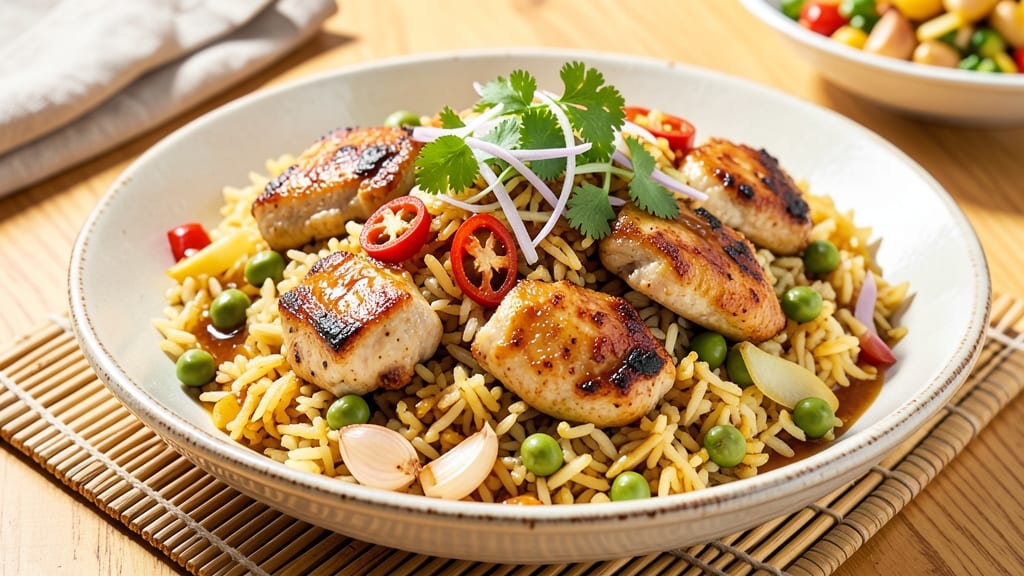
This Caribbean pelau rice recipe delivers a fragrant, one-pot masterpiece where tender meat and spices transform simple grains into a celebration of flavor. The secret lies in layering aromatic ingredients—ginger, garlic, thyme, and scotch bonnet—that infuse the rice with deep, complex warmth while keeping it perfectly tender.
Every bite carries the soul of Caribbean tradition, where rice isn’t just a side but the heart of the meal.
The beauty of pelau is its simplicity: one pot, minimal effort, yet restaurant-quality results. Chicken or fish simmers alongside rice and pigeon peas, absorbing the spiced broth until fall-apart tender. The dish balances richness and brightness, with just enough heat to linger.
Whether you're recreating a Sunday family feast or introducing Caribbean flavors to your table, this recipe delivers authenticity in every grain.
Ingredients for caribbean pelau rice
Aromatic spices, tender meat, and perfectly balanced grains create this Caribbean masterpiece.
| Ingredient | Amount | Notes |
|---|---|---|
| Long-Grain White Rice 🍚 | 2 cups | Uncooked, rinsed thoroughly |
| Boneless Chicken Thighs 🍗 | 1 ½ lb | Skin-on, cut into bite-sized pieces |
| Pigeon Peas (Gungo Peas) 🌱 | 1 cup | Dried, soaked overnight |
| Scotch Bonnet Peppers 🌶️ | 2 whole | Seeds removed for mild heat |
| Fresh Ginger Root 🧄 | 2 tbsp | Grated, aromatic |
| Garlic Cloves 🧄 | 6 cloves | Minced, pungent |
| Fresh Thyme Leaves 🌿 | ¼ cup | Chopped, vibrant |
| Vegetable Oil 🫒 | ½ cup | High smoke point |
| Chicken Broth 💧 | 2 ½ cups | Low-sodium preferred |
| Tomato Paste 🍅 | 2 tbsp | Smooth, concentrated |
| Allspice Berries 🌶️ | 1 tsp | Crushed, aromatic |
| Ground Cumin 🌿 | 1 tsp | Toasted, earthy |
| Kosher Salt 🧂 | 1 ½ tsp | Diamond Crystal preferred |
| Black Peppercorns 🌶️ | ½ tsp | Freshly cracked |
| Bay Leaves 🍃 | 2 whole | Dried, aromatic |
The pigeon peas are non-negotiable for authentic flavor—Caribbean markets or specialty stores carry them dried, but Trader Joe's often stocks them too. Look for vibrant, unblemished peas; avoid any with a musty smell. For the Scotch bonnet peppers, whole fruit markets or Latin grocery stores offer the freshest selection. If you can't find them, sub with habanero (seeds removed) or a mix of jalapeño and cayenne for milder heat. The ginger and garlic should be fresh—no powdered substitutes here. Toast the cumin seeds briefly in a dry pan before grinding to deepen their flavor, a technique used in professional Caribbean kitchens.
No pigeon peas? Substitute with black-eyed peas or lentils, but reduce the cooking time by 10 minutes. Fresh thyme unavailable? Dried works at one-third the amount, but toast it lightly first to revive its aroma. For the chicken, thighs stay juicier than breasts—bone-in, skin-on pieces are ideal, but boneless works in a pinch. The tomato paste can be swapped for a purée of fresh tomatoes, but reduce the broth by 0.5 cup to maintain balance. If you're vegetarian, replace the chicken with extra-firm tofu or chickpeas, adjusting the cooking time accordingly.
This dish tastes even better the next day as flavors meld—double the batch for leftovers. Store in an airtight container for up to 4 days in the fridge, or freeze for 3 months. The rice keeps perfectly for reheating, though a splash of broth restores moisture. For extra authenticity, serve with a side of fried plantains or coleslaw. The allspice and bay leaves can be removed before serving, but leave them in during cooking for maximum infusion.
Why You'll Love This Recipe
- One-Pot Magic: I swear by this recipe—just toss everything into one pot, add water, and let it simmer. No fancy layers, no stress, and the rice and chicken cook together until the thighs fall off the bone and the peas melt into the grain.
- Flavor Bomb: That ginger and Scotch bonnet combo? It’s like a spicy, citrusy hug in every bite. The pigeon peas add a nutty depth, and the chicken soaks up all the smoky, garlicky goodness—no bland rice here.
- Weeknight & Potluck Hero: I make this for lazy nights when I don’t want to slave over the stove, and it’s also my go-to for gatherings. Serve it with a side salad or some fried plantains—it’s hearty enough to feed a crowd but simple enough to prep ahead.
- Budget-Friendly Leftovers: Chicken thighs and rice are cheap, and this dish only gets better the next day. I’ll be real: my family fights over the leftovers, and I’ve stretched one batch into three meals with zero waste. Plus, the flavors deepen overnight—trust me.
Step-by-step instructions for Caribbean pelau rice
Master this one-pot technique for perfectly balanced pelau—where tender chicken, fragrant rice, and spiced pigeon peas meld into a single, harmonious dish.
Sear the Chicken for Deep Flavor
Heat the 0.5 cup vegetable oil in a heavy-bottomed pot over medium-high heat until shimmering. Add the 1.5 lb boneless chicken thighs, cut into bite-sized pieces, in a single layer. Let them sear undisturbed for 3-4 minutes until golden brown on one side—this creates a flavorful crust that infuses the entire dish.
Flip the chicken pieces and continue cooking for another 3-4 minutes until they're evenly browned. Remove them from the pot and set aside temporarily. The residual fat in the pot will form the foundation of your pelau's rich flavor profile. If the oil starts smoking excessively, reduce the heat slightly to maintain control without losing the sear.
Build the Aromatic Base
In the same pot, add the 2 tbsp tomato paste and stir to coat the bottom, scraping up any browned bits that cling to the surface. This step, called deglazing, captures all the caramelized chicken flavor that would otherwise be lost. Cook for 1 minute until the paste darkens slightly and becomes fragrant.
Add the 2 tbsp grated fresh ginger root, 6 cloves minced garlic cloves, 0.25 cup chopped fresh thyme leaves, 1 tsp crushed allspice berries, 1 tsp toasted ground cumin, 1.5 tsp kosher salt, and 0.5 tsp freshly cracked black peppercorns. Stir vigorously for 1-2 minutes until the spices release their essential oils and the mixture becomes deeply aromatic. You should smell the warm, earthy notes of cumin and allspice mingling with the bright citrus of thyme—this is where the pelau's signature complexity begins.
Toast the Pigeon Peas and Rice
Add the 1 cup soaked pigeon peas (gungo peas) and 2 cups long-grain white rice to the pot, stirring to coat them evenly with the aromatic spice mixture. Toast everything together over medium heat for 3-4 minutes, stirring frequently. The rice and peas should turn a beautiful golden hue as they absorb the flavors from the chicken and spices.
This toasting step is crucial—it develops the nutty, toasted notes in the rice and prevents a mushy texture. Watch carefully as the spices release their oils; if they start to darken too quickly, reduce the heat to medium-low to prevent burning. The goal is to create a flavorful crust on the grains without cooking them through.
Simmer the Pelau to Perfection
Pour in the 2.5 cups chicken broth and add the 2 whole bay leaves. Return the seared chicken pieces to the pot, spreading them evenly over the rice and peas. Bring the mixture to a gentle boil, then immediately reduce the heat to low. Cover the pot tightly with a lid and let it simmer for 30 minutes without disturbing it.
After 30 minutes, check the rice for doneness. It should be tender but still slightly firm in the center—pelau rice should have a delicate, almost creamy texture rather than being fully mushy. If the liquid has mostly absorbed but the rice needs more time, add 2-3 tablespoons of water or broth, cover again, and continue cooking for another 5-10 minutes. The chicken should be fork-tender, with juices running clear when pierced.
Rest and Fluff for Maximum Texture
Once the rice is tender and the liquid has been fully absorbed, remove the pot from heat. Let the pelau rest, covered, for 10 minutes. This resting period allows the flavors to meld and the rice to finish absorbing any remaining moisture, resulting in a more cohesive texture.
After resting, gently fluff the pelau with a fork, being careful not to break the grains. The rice should be tender but still hold its shape, with the chicken pieces distributed throughout. Taste and adjust the seasoning if needed—pelau benefits from a balance of saltiness, spice, and umami. Serve immediately, allowing each bite to deliver the perfect harmony of tender chicken, nutty rice, and earthy pigeon peas in every mouthful.
Pro Tips For Making Caribbean Pelau Rice
- Parboil Chicken First: Skip the raw chicken in the pot—parboil the thighs for 8-10 minutes until just cooked. This guarantees tender meat that absorbs the pelau’s rich flavors instead of turning rubbery while the rice simmers. (Yes, even if you’re impatient like me, resist the urge to rush this.)
- Toast the Pigeon Peas: Dry the gungo peas thoroughly, then toast them in oil for 2-3 minutes until fragrant. This removes bitterness and deepens their earthy flavor—like the difference between a dull dish and one that pops with character.
- Control the Scotch Bonnet: Wear gloves when handling the pepper, and add it last—just 1-2 minutes before serving. Too early, and the heat overpowers the dish; too late, and the rice stays bland. (Pro tip: Seed it first if you’re sensitive to spice.)
- Layer Rice and Liquid: After cooking the chicken and peas, spread the rice evenly in the pot, then pour the broth over it in stages, stirring lightly between each addition. This prevents clumping and ensures every grain gets infused with flavor—no mushy surprises here.
Creative variations of this dish
Jamaican Jerk Pelau
Transform your pelau into a fiery Jamaican feast by swapping the allspice for 2 tbsp jerk seasoning (I love Badia Jerk Seasoning from Caribbean markets).
Add 1 tbsp soy sauce and 1 tbsp brown sugar to the base, then stir in 1 chopped Scotch bonnet pepper (seeds in for extra heat). Use bone-in chicken thighs for deeper flavor, and finish with a sprinkle of fresh scallions before serving. 🌶️
Trinidadian Pepper Pelau
For a Trinidadian twist, replace the pigeon peas with ½ cup green peas and add 1 tbsp grated nutmeg and 1 tbsp curry powder to the spice blend. Use firm white fish like cod or snapper instead of chicken, and include 1 chopped green onion in the aromatics.
Simmer with ½ cup coconut milk at the end for a creamy finish. The nutmeg adds a warm, earthy depth that’s pure Trinidad.
Surinamese Spiced Pelau
Surinamese pelau shines with 1 tsp ground coriander and ½ tsp cinnamon in the spice mix, plus 1 tbsp tamarind paste (diluted in 2 tbsp water) added with the broth. Use ground turkey or beef chuck instead of chicken, and include ½ cup chopped bell peppers for sweetness.
Top with cilantro and lime wedges for brightness. This version is heartier and slightly sweeter, reflecting Surinam’s Dutch-Caribbean heritage.
Vegetarian Pelau
Skip the meat entirely and replace it with 1 can (15 oz) black beans (drained) and 1 cup diced sweet potato, added with the rice. Boost umami with 1 tbsp soy sauce and 1 tsp smoked paprika.
For protein, stir in ½ cup cooked lentils at the end. The sweet potatoes add natural sweetness that balances the spices beautifully. Serve with avocado slices for creaminess. 🌱
Seafood Pelau
Swap the chicken for 1 lb shrimp or firm white fish like mahi-mahi, added only in the last 10 minutes of cooking to prevent overcooking. Use ½ cup coconut milk instead of broth for richness, and add 1 tbsp lime zest to the spice blend.
Finish with chopped cilantro and lime wedges. This version is lighter but packed with oceanic freshness—perfect for a summer meal. 🦐
Slow-Cooker Pelau
For hands-off cooking, combine all ingredients in a 6-quart slow cooker and cook on LOW for 5-6 hours or HIGH for 3-4 hours. Add ½ cup water or broth if needed to prevent drying.
The slow cooker enhances the spices’ depth, making every bite more aromatic. This is ideal for busy weeknights—just press START and let it work its magic. ⏳
Nutrition facts
Frequently asked questions
What makes Caribbean pelau different from regular rice dishes?
Pelau is a one-pot wonder where rice, pigeon peas, and meat (or seafood) cook together in spiced broth, creating a flavorful, single-grain dish. Unlike separate sides, every bite delivers tender meat, nutty rice, and earthy peas in perfect harmony. The spices—allspice, thyme, and Scotch bonnet—infuse the rice directly, giving it a deeper, more complex flavor than plain rice dishes.
Can I substitute pigeon peas with other beans?
Yes! Use black-eyed peas or lentils in a pinch, but reduce cooking time by 10 minutes since they soften faster. For authenticity, though, pigeon peas (gungo peas) are key—they add a unique earthy sweetness that balances the spices. If unavailable, dried butter beans work too, but soak them overnight for best results.
Why does the recipe call for searing the chicken?
Searing creates a flavorful crust on the chicken that infuses the entire dish as it cooks. This step deepens the pelau’s richness by locking in juices and caramelizing the meat's surface. Skip it, and your pelau will taste more like stewed chicken than the aromatic, tender masterpiece it should be. Think of it as the secret to restaurant-quality flavor!
How do I adjust the heat level in pelau?
Remove the seeds from Scotch bonnet peppers for mild heat, or keep them for fiery spice. For extra kick, add a pinch of cayenne or habanero powder at the end. If the heat feels too intense, balance it with a splash of coconut milk or extra broth. Remember: Caribbean pelau can be mild or bold—it’s all about your preference!
Can I make pelau ahead of time?
Pelau tastes even better the next day as flavors meld. Store in an airtight container for up to 4 days in the fridge or 3 months frozen. Reheat gently with a splash of broth to restore moisture. Pro tip: Double the batch—leftovers make fantastic lunches or dinner reheats!