
Main Courses
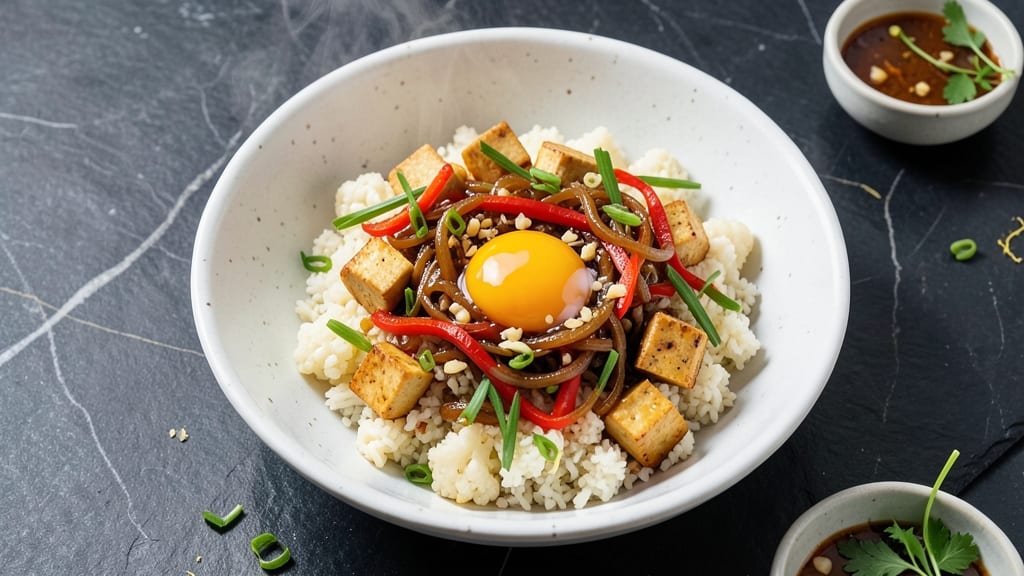
This cauliflower Chinese fried rice delivers the same wok-hei crunch and eggy richness as the classic version, just without the meat. The secret lies in proper stir-frying technique—high heat, quick cooking, and constant motion—to create that signature texture while keeping the cauliflower rice perfectly tender.
I've perfected this vegetarian adaptation over countless batches, ensuring every bite delivers authentic flavor with a satisfying bite.
The key to success is using pre-riced cauliflower (or finely chopped and sautéed florets) that mimics traditional fried rice texture, combined with a proper seasoning blend of soy sauce, sesame oil, and a touch of ginger.
Scrambled tofu or extra egg adds that meaty, chewy element vegetarians crave. With the right timing and technique, you'll achieve that smoky, slightly charred "breath of the wok" flavor that makes this dish so irresistible.
Ingredients for cauliflower chinese fried rice
The foundation of authentic wok-hei flavor starts with these carefully chosen ingredients.
| Ingredient | Amount | Notes |
|---|---|---|
| Pre-Riced Cauliflower 🥬 | 4 cups | Frozen or fresh, thawed if frozen |
| Extra-Firm Tofu 🧇 | 1 lb | Pressed and crumbled into cubes |
| Large Eggs 🥚 | 4 whole | Freshly beaten for scrambling |
| Yellow Onion 🧅 | 1 whole | Thinly sliced, white and light green parts |
| Garlic Cloves 🧄 | 6 cloves | Minced, fresh preferred |
| Fresh Ginger 🌿 | 1 ½ tbsp | Finely grated, peeled |
| Low-Sodium Soy Sauce 🍶 | ½ cup | Kikkoman preferred for authenticity |
| Sesame Oil 🫒 | 1 tbsp | Toasted sesame oil for aroma |
| Vegetable Oil 🫒 | 3 tbsp | High smoke point for stir-frying |
| Green Onions 🧅 | 4 whole | Thinly sliced, white and green parts |
| Salt 🧂 | ½ tsp | Diamond Crystal kosher salt |
| Black Pepper 🌶️ | ¼ tsp | Freshly ground for heat |
| White Rice 🍚 | 1 cup | Day-old, cold, cooked and cooled |
The cauliflower is non-negotiable—pre-riced from Trader Joe's or Whole Foods delivers that perfect texture. Fresh is ideal, but frozen works in a pinch (thaw completely first). For the tofu, press it for 20 minutes to remove excess water; this ensures proper browning. The eggs should be room temperature for even scrambling. Garlic and ginger are best fresh, but if you're using dried, reduce the amount to one-third of what's listed. The rice? Day-old is crucial—it prevents mushiness during stir-frying. I always cook extra rice the night before specifically for this dish.
No sesame oil? Toasted peanut oil works as a substitute, though the flavor profile shifts slightly. Short on soy sauce? Coconut aminos mimics the umami, though it lacks depth. The green onions can be swapped for scallions or chives, but they add a vital freshness. For extra protein, consider adding chickpeas or edamame. If you're avoiding soy entirely, tamari or coconut aminos are gluten-free alternatives. The vegetable oil should have a high smoke point—avoid olive oil, which burns too easily at high heat.
Store pre-riced cauliflower in an airtight container in the fridge for up to 5 days or freeze for 3 months. Pressed tofu keeps 3-4 days wrapped tightly in the fridge. The cooked rice reheats beautifully—microwave with a splash of water to restore texture. For best results, assemble the dish just before cooking; the flavors meld during the stir-frying process. Leftover fried rice reheats well but loses some of its signature crunch. Keep it covered to maintain moisture.
Why You'll Love This Recipe
- No Rice, No Problem: I swear by this when I’ve got zero energy to cook—just toss pre-riced cauliflower, tofu, and eggs into the pan. The texture mimics fried rice so well, you’d never guess it’s low-carb.
- Garlic Butter Magic: That crispy tofu and the way the eggs cling to the cauliflower? Add a splash of soy sauce and minced garlic, and suddenly it’s ridiculously good. Honestly, the first bite makes me forget it’s “healthy.”
- Lunchbox Hero: Between us, this is my go-to for meal prep—packs perfectly, reheats without drying out, and my kids actually eat it. (Yes, even on a Tuesday night.)
- Budget-Friendly Win: Tofu and cauliflower stretch forever, and I can make this for half the cost of takeout. Three servings for the price of one restaurant meal? That’s how you feed a family without stress.
Step-by-step instructions for cauliflower Chinese fried rice
Master the wok-hei technique with this precise method—where crispy cauliflower meets perfectly scrambled eggs.
Prepare the Tofu and Prep Ingredients
Begin by pressing the 1 lb extra-firm tofu between two paper towels for 10 minutes to remove excess moisture. Cut it into ½-inch cubes—this size ensures even cooking and maximum crispiness during stir-frying. In a separate bowl, combine the 4 cups pre-riced cauliflower, 1 cup day-old white rice, 1 whole yellow onion (thinly sliced), 6 cloves garlic (minced), 1.5 tbsp fresh ginger (finely grated), 4 whole green onions (thinly sliced), 0.5 tsp salt, and 0.25 tsp black pepper. Toss gently to distribute seasoning evenly.
I always prep all ingredients before hitting the wok—this keeps the cooking process smooth and prevents overcrowding. The day-old rice is critical; it’s drier and absorbs flavors better than freshly cooked rice. If using frozen cauliflower, thaw it completely first to avoid a soggy texture.
Scramble the Eggs for Richness
Heat 1 tbsp vegetable oil in a 14-inch wok or skillet over medium-high heat until shimmering. Crack the 4 whole large eggs into a bowl, season lightly with 0.125 tsp salt and 0.125 tsp black pepper, then whisk vigorously until fully combined. Pour the eggs into the wok and let them sit undisturbed for 5-7 seconds—this creates a firm base before folding.
Using a spatula, gently push the eggs from one side to the other, creating soft curds. Once they’re 80% set but still slightly runny (about 20 seconds), remove them from the wok and set aside. The eggs should be creamy, not dry—this texture is the heart of authentic Chinese fried rice. If they overcook, the dish loses its signature richness.
Stir-Fry Tofu and Aromatics
Return the wok to medium-high heat and add the remaining 2 tbsp vegetable oil. Add the tofu cubes and stir-fry for 3-4 minutes until golden brown and crispy on all sides. Remove the tofu with a slotted spoon and set aside—this prevents the tofu from steaming when other ingredients are added later.
In the same wok, add 1 tbsp sesame oil and swirl to coat the bottom. Add the yellow onion, garlic, and ginger, stirring constantly for 1-2 minutes until the onions soften and the garlic turns light golden (not brown). The aroma should be vibrant—this is where the foundation of flavor builds. If the onions release too much liquid, reduce heat slightly to evaporate it before adding the rice mixture.
Combine and Cook to Perfection
Add the prepared rice-tofu-cauliflower mixture to the wok, spreading it evenly. Stir-fry over high heat for 4-5 minutes, breaking up any clumps with your spatula. The cauliflower should begin to soften slightly while maintaining a crisp-tender texture. If the mixture looks dry, add 1-2 tablespoons water to steam and tenderize the rice.
Return the scrambled eggs and tofu to the wok, tossing everything together for 1-2 minutes until fully heated through. Drizzle in the 0.5 cup low-sodium soy sauce and stir until evenly distributed. The dish should be moist but not saucy, with the cauliflower holding its shape. Taste and adjust seasoning—you may need an extra 0.25 tsp soy sauce for depth.
Finish with Wok-Hei and Serve
Transfer the fried rice to a serving platter and let it rest for 1 minute to allow flavors to meld. Garnish with the remaining green onions, sliced diagonally for visual appeal. The dish should have crispy cauliflower edges, creamy eggs, and aromatic tofu—each bite should deliver a balance of textures and umami.
Serve immediately while the cauliflower is still crisp-tender. For extra wok-hei (breath of the wok), I like to reheat any leftovers in a hot skillet for 2-3 minutes—this restores the crispiness. Pair with a side of pickled vegetables or a simple cucumber salad to cut through the richness.
Pro Tips For Making Cauliflower Chinese Fried Rice
- STIR-FRY IN BATCHES: Don’t dump everything in at once—cauliflower rice burns faster than you think. Cook the tofu first (5-6 minutes until golden), then set aside, followed by onions and garlic (3-4 minutes until soft), then eggs (2-3 minutes until just set), and finally the cauliflower (3-4 minutes max). Crowding the pan steams the cauliflower instead of crisping it.
- PRESS TOFU LIKE IT’S YOUR JOB: Extra-firm tofu still holds water—wrap it in a towel, press it between two plates with a heavy pan on top for 15 minutes. I learned this the hard way when my fried tofu turned out soggy and sad. Dry it well after pressing, then cut into small cubes for even cooking.
- CRISP THE CAULIFLOWER FAST: Spread the pre-riced cauliflower in a single layer on a baking sheet and microwave it for 2-3 minutes first. This removes excess moisture so it actually fries instead of absorbing oil like a sponge. (Yes, it sounds weird, but it works—trust me.)
- SALT THE EGGS BEFORE COOKING: Crack the eggs into a bowl, add a pinch of salt, and whisk vigorously. Cooking them directly in the pan without seasoning first means you’ll end up chasing flavor instead of letting it develop. The salt helps the eggs set faster and taste better—no second-guessing later.
Wine and beer pairings for cauliflower chinese fried rice
Light Beer Pairings
A crisp, light lager like Sapporo or Asahi complements the dish's savory-sweet balance beautifully. The subtle maltiness and clean finish cut through the umami from the soy sauce while enhancing the cauliflower's natural nuttiness.
I always reach for these when serving fried rice—their refreshing quality makes each bite feel lighter. 🍺
Rice Wine Options
For an authentic touch, serve with Shaoxing wine—just 1-2 tablespoons heated with the aromatics during cooking. This fermented rice wine adds depth and complexity that no beer can match.
If you can't find Shaoxing, Mirin works as a substitute, though it's sweeter. A splash at the table also makes a lovely garnish.
Dry Riesling
A dry Riesling from Germany or California provides the perfect acidity to balance the dish's richness. The citrus notes in the wine echo the ginger and green onions, while its crisp finish cleanses the palate between bites.
I prefer wines with 12-13% alcohol—they're robust enough to stand up to the fried rice without overpowering it.
Hoppy IPA Balance
For those who love bold flavors, a West Coast-style IPA like Stone Ruination or Sierra Nevada Pale Ale works surprisingly well. The hop bitterness contrasts the dish's saltiness, while the malt sweetness mirrors the caramelized cauliflower. Serve slightly chilled to enhance the beer's refreshing qualities. ⚡
Non-Alcoholic Choices
Don't overlook sparkling yuzu soda or ginger beer for alcohol-free options. The effervescence and citrus notes mirror the dish's bright flavors, while the ginger adds a warming kick. For a more traditional approach, try jasmine tea—its floral notes complement the sesame oil beautifully.
Nutrition facts
Frequently asked questions
Can I use regular rice instead of cauliflower?
The dish is designed to highlight cauliflower's unique texture, but you can substitute ½ cup regular rice for every 1 cup cauliflower rice if needed. However, the cauliflower provides that signature crisp-tender bite that makes this version special. For best results, use day-old rice to prevent mushiness during stir-frying.
How do I get the cauliflower to stay crispy?
High heat and quick cooking are key! Stir-fry the cauliflower over high heat for no more than 4-5 minutes total, and avoid overcrowding the wok. Use a well-seasoned cast-iron skillet or carbon steel wok for maximum crispiness. If it starts to soften too quickly, reduce heat slightly and cook in batches.
Can I make this gluten-free?
Yes! Replace the soy sauce with tamari or coconut aminos (use ½ cup for equivalent umami). For extra depth, add 1 tsp gluten-free fish sauce or ½ tsp mushroom powder. The rest of the recipe remains the same—just ensure all other ingredients (like sesame oil) are certified gluten-free.
Why does my fried rice turn out soggy?
Sogginess usually means one of three things: using freshly cooked rice (always use day-old), overcrowding the wok, or adding too much liquid. Start with completely cooled rice, stir-fry in batches, and only add 1-2 tbsp water if absolutely necessary. The cauliflower should release moisture naturally during cooking.
Can I prep ingredients ahead of time?
Prep all ingredients up to 24 hours ahead—store the seasoned rice-cauliflower mix in an airtight container in the fridge. The tofu can be pressed and cubed 1 day in advance, and the aromatics (onion, garlic, ginger) can be chopped ahead. Just scramble the eggs fresh for maximum creaminess. Reheat everything in the wok for 2-3 minutes before finishing.