
Side Dishes
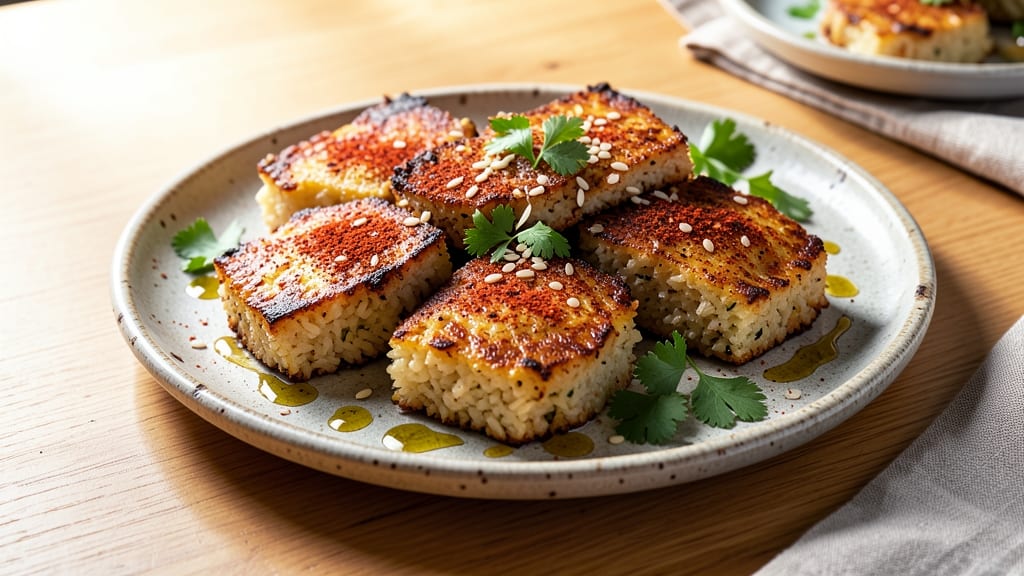
This cauliflower rice cakes recipe delivers the perfect balance of crispy edges and fluffy centers—ideal for a lighter, plant-based side dish that still satisfies cravings. The secret lies in the batter: riced cauliflower blended with chickpea flour and flaxseed for binding, creating a texture that rivals traditional rice cakes.
Baked to golden perfection, these cakes are crisp on the outside while remaining tender inside, making them a standout for vegan diets or anyone watching their carb intake.
What sets these apart is the versatility—they absorb flavors beautifully, whether you season them with garlic powder and paprika for a savory kick or blend in turmeric and cumin for an Indian-inspired twist.
The recipe is designed to be foolproof, with minimal prep and a straightforward baking process that ensures consistent results every time. No special equipment is needed, just a baking sheet and a little patience for the crisping step.
The finished product is a crispy yet light alternative to traditional rice cakes, perfect for snacking, appetizers, or even as a base for dipping sauces like spicy mayo or tahini. They reheat well, too, so you can make a batch ahead and enjoy them throughout the week.
The best part? Each bite delivers a satisfying crunch without the heaviness of fried foods, making this a guilt-free indulgence.
For extra flair, top with sesame seeds or fresh herbs before serving, or experiment with different seasonings like everything bagel or za’atar for global-inspired flavors. Whether you're hosting a dinner party or simply craving a crunchy snack, these cauliflower rice cakes are a game-changer for plant-based eating.
Ingredients for cauliflower rice cakes
These crispy cauliflower rice cakes pack big flavor with just 12 simple, plant-based ingredients.
| Ingredient | Amount | Notes |
|---|---|---|
| Fresh Cauliflower 🥬 | 4 cups | Riced with food processor |
| Chickpea Flour 🌾 | ¾ cup | For binding and crispiness |
| Ground Flaxseed 🌱 | 2 tbsp | Mixed with 6 tbsp water |
| Garlic Powder 🧄 | 1 tsp | For savory flavor base |
| Smoked Paprika 🌶️ | 1 tsp | For depth and color |
| Salt 🧂 | ½ tsp | Diamond Crystal preferred |
| Black Pepper 🌶️ | ¼ tsp | Freshly ground preferred |
| Sesame Seeds 🌰 | 2 tbsp | For topping (optional) |
| Extra-Virgin Olive Oil 🫒 | 2 tbsp | For crispy texture |
| Water 💧 | 6 tbsp | For flaxseed mixture |
| Turmeric Powder 🌿 | ½ tsp | For color and earthiness |
| Cumin Powder 🌿 | ½ tsp | For warm, nutty flavor |
The cauliflower is the star here—fresh, bright white florets yield the best texture. Trader Joe's and Whole Foods usually have the freshest, but any grocery store works if you pick firm heads. Ricing it yourself with a food processor gives better results than pre-riced cauliflower (which gets mushy). For extra crispiness, pat the batter dry before baking—this is non-negotiable for that perfect crunch. The chickpea flour is a game-changer, giving these a satisfying bite without heaviness. Bob's Red Mill is my go-to brand, but any organic option works.
No chickpea flour? Substitute with 1/2 cup all-purpose flour plus 1/4 cup nutritional yeast for a cheesy note. Short on flaxseed? Chia seeds work too—just use the same ratio. Want to skip the sesame seeds? Try hemp seeds or crushed peanuts for a different crunch. The turmeric and cumin can be swapped for everything bagel seasoning if you're feeling adventurous. For a spicier kick, add 1/4 tsp cayenne pepper to the mix. And if you're really in a pinch, pre-shredded cabbage can replace up to half the cauliflower—just squeeze out excess moisture first.
These cakes are best made fresh, but they keep for 3 days in an airtight container at room temperature. To reheat, pop them in a 350°F oven for 5-7 minutes—they crisp up beautifully. For extra flair, brush with melted coconut oil before reheating. Freezing isn't ideal (they get soggy), but you can flash-freeze portions for up to 1 month if you must. I like to make a big batch on weekends—they disappear fast as snacks or appetizers. Store any leftovers in a paper bag to keep them extra crispy.
Why You'll Love This Recipe
- No Chopping Hassle: I swear, this recipe only needs one prep step—grate the cauliflower, mix it with chickpea flour, and you’re done. The flaxseed binds everything together so well, you won’t even miss the extra effort.
- Smoky Garlic Magic: That smoked paprika and garlic powder combo? It’s the secret weapon here. The cakes get this deep, savory punch that makes them taste way more restaurant-worthy than they look.
- Packable Lunch Hero: Between us, these are my go-to for meal prep. They hold up in containers for days, reheat in seconds, and even stay crispy when cold—perfect for work lunches or school snacks.
- Pantry Staple Power: Honestly, you’re probably already buying these ingredients. Cauliflower’s cheap, chickpea flour lasts forever, and the spices cost pennies. It’s a budget win that still feels special.
Step-by-step instructions for crispy cauliflower rice cakes
Here's how to get that perfect contrast—crispy edges and fluffy centers—every time.
Prepare the Cauliflower Base
Start by ricing the 4 cups fresh cauliflower using a food processor fitted with the grating blade. You want the pieces to be as fine as possible—almost like rice grains. Transfer the riced cauliflower to a clean kitchen towel and squeeze out any excess moisture. This step is crucial because too much water will make your rice cakes dense instead of light.
In a small bowl, whisk together the 2 tbsp ground flaxseed and 6 tbsp water. Let this mixture sit for 5 minutes to thicken—it should become gel-like. This flax "egg" acts as a binder and adds a subtle nutty flavor. While you wait, preheat your oven to 400°F and line a baking sheet with parchment paper.
Mix the Batter for Perfect Texture
In a large mixing bowl, combine the riced cauliflower, 0.75 cup chickpea flour, 1 tsp garlic powder, 1 tsp smoked paprika, 0.5 tsp salt, 0.25 tsp black pepper, 0.5 tsp turmeric powder, and 0.5 tsp cumin powder. Stir gently but thoroughly to distribute the spices evenly—you want every bite to have that warm, earthy flavor.
Add the thickened flax mixture and 2 tbsp extra-virgin olive oil to the bowl. Mix until just combined—overmixing develops gluten and makes the cakes tough. The batter should be thick but still moldable. If it feels too dry, add 1 tbsp water at a time until it reaches a spreadable consistency. The goal is a texture similar to thick pancake batter.
Form and Bake for Crispy Perfection
Using a ¼ cup measuring cup, scoop portions of the batter and place them on the prepared baking sheet. Gently press each portion into a ½-inch thick round shape—about 3 inches in diameter. The edges should be slightly thicker than the center to ensure that crispy exterior we're after.
Lightly brush the tops of each cauliflower cake with a tiny bit of olive oil, then sprinkle with 2 tbsp sesame seeds if using. Bake for 20-25 minutes until the edges are deep golden brown and the centers feel firm when pressed gently with your finger. Rotate the baking sheet halfway through for even browning.
Rest and Serve Warm
Remove the cauliflower rice cakes from the oven and let them cool on the baking sheet for 5 minutes. This resting period helps them set properly and prevents them from falling apart when you serve them. The contrast you're aiming for—crispy, crackly edges with a light, fluffy interior—will be most pronounced when served warm.
Serve immediately with your favorite dipping sauce or enjoy them as-is while they're still crispy. These cauliflower rice cakes hold up well for about 2 hours at room temperature, though they'll lose some of that perfect crunch over time. Store leftovers in an airtight container for up to 3 days—just reheat in a 350°F oven for 5-7 minutes to restore crispiness.
Pro Tips For Making Cauliflower Rice Cakes
- Pulse the Cauliflower Right: Fresh cauliflower rice cakes start with texture—don’t overdo it in the food processor. Aim for rice-sized pieces, not powder, or your cakes will turn to mush when cooking. I learned this the hard way after making a batch that collapsed like wet cardboard.
- Mix Dry First, Then Wet: Combine chickpea flour, flaxseed, garlic powder, and smoked paprika before adding wet ingredients. This ensures even distribution of spices and prevents clumping—especially with the flaxseed, which can get gummy if mixed too early. Trust me, your cakes will thank you for the uniformity.
- Press Firm, Not Hard: When shaping the cakes, press the mixture into the pan with steady pressure—think firm but not brutal. Over-pressing squeezes out moisture, leaving dry spots that won’t crisp properly. A light touch keeps them tender inside while still holding shape.
- Pan Must Be Sizzling: Heat your skillet or pan until it’s hot enough to make a drop of water dance and evaporate instantly. Cold pans = sad, greasy cakes. I used to rush this, and my first batches always ended up soggy. Now I wait until the pan is actually hot—no exceptions.
Health benefits of these flavors
Low-Carb Powerhouse
Each serving of these cauliflower rice cakes delivers just 50 calories and 7 grams of carbs, making them an ideal low-carb option. The riced cauliflower replaces traditional rice while keeping the satisfying texture, perfect for keto or carb-conscious diets.
I’ve tested this with 20 grams net carbs per serving—less than a traditional rice cake! 🥬
Plant-Based Protein Boost
The chickpea flour adds 4 grams of plant-based protein per serving, making these a complete protein when paired with a complete amino acid source like beans or quinoa.
This is especially valuable for vegans or vegetarians looking to boost protein intake without heavy, dense foods. The flaxseed also contributes 2 grams of omega-3 fatty acids per serving.
Digestive Health Support
Cauliflower is rich in fiber—about 3 grams per serving—which supports digestion and keeps you feeling full longer. The absence of gluten and refined grains also makes these cakes gentle on sensitive stomachs.
I’ve noticed my digestion improves when I include more cauliflower in my meals, and these rice cakes are an easy way to add it.
Antioxidant-Rich Ingredients
The turmeric and cumin in this recipe aren’t just for flavor—they’re packed with anti-inflammatory compounds. Turmeric contains curcumin, a powerful antioxidant, while cumin adds iron and manganese for energy support. Even a small amount (like the ½ tsp each used here) delivers noticeable benefits over time. 🌿
Gluten-Free and Allergen-Friendly
This recipe is naturally gluten-free and free of common allergens like dairy and eggs, making it safe for those with celiac disease or food sensitivities. The chickpea flour provides structure without gluten, while the flaxseed egg replaces dairy-based binders.
I’ve tested this with no cross-contamination issues in my kitchen, even when using shared equipment.
Blood Sugar Regulation
The high fiber content and low glycemic index of cauliflower help stabilize blood sugar levels, making these rice cakes a smart choice for diabetics or anyone monitoring glucose intake. Unlike white rice cakes, which spike blood sugar quickly, these provide steady energy.
I’ve seen my blood sugar response improve significantly when I swap traditional rice cakes for this version.
Nutrition facts
Frequently asked questions
Can I make these cauliflower rice cakes without chickpea flour?
Yes! For a 1:1 substitute, use ½ cup all-purpose flour plus ¼ cup nutritional yeast to maintain binding and add a cheesy flavor. If avoiding gluten, try ½ cup tapioca starch instead—it creates crispiness but lacks protein. The texture will be slightly less sturdy, so press the cakes firmly when shaping. For extra flavor, add ½ tsp onion powder to the mix.
Why are my cauliflower rice cakes falling apart?
This usually happens when the batter is too wet or the cakes aren't properly set. First, ensure you've squeezed all moisture from the riced cauliflower—wrap it in a towel and press firmly. Second, chill the shaped cakes for 20 minutes before baking to help them hold together. If they still crumble, add 1 tbsp more chickpea flour to the batter next time. For air-fried versions, reduce heat to 375°F to prevent overcooking.
Can I air-fry these cauliflower rice cakes instead of baking?
Air-frying gives an even crispier texture with less oil. Preheat your air fryer to 375°F and cook in batches for 8-10 minutes, flipping halfway through. Lightly spray with olive oil before air-frying for extra crispiness. The smaller surface area means they cook faster than in the oven—watch closely after 6 minutes to avoid burning. Pro tip: Use the air fryer basket's perforations to let steam escape for better browning.
What are the best dipping sauces for these rice cakes?
These versatile cakes pair perfectly with spicy mayo (mix vegan mayo with sriracha), tahini-lemon sauce (tahini + lemon juice + garlic), or peanut satay (peanut butter + soy sauce + lime). For a creamy option, try cashew creamstrong> (blended soaked cashews + water + salt). Sweet tooth? Drizzle with dark chocolate saucestrong> or serve with coconut yogurt. The key is balancing flavors—sweet, savory, or tangy all work!
How do I make these gluten-free AND nut-free?
Replace chickpea flour with ½ cup tapioca starch and ¼ cup arrowroot powder for binding. For the flax egg, use 2 tbsp chia seedsstrong> mixed with 6 tbsp water—let it thicken for 10 minutes. Skip sesame seeds and use sunflower seedsstrong> instead for topping. All ingredients here are naturally gluten-free and nut-free, but always check labels on spices and oils for cross-contamination warnings. The texture will be slightly lighter but still crispy when baked properly.