
Side Dishes
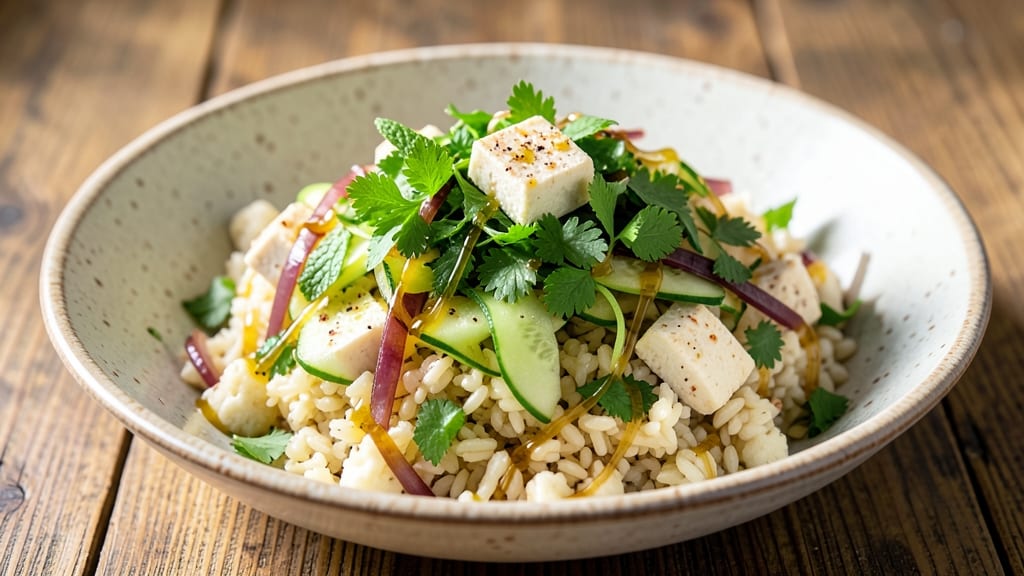
This cauliflower rice tabbouleh recipe reimagines the classic Middle Eastern dish with a lighter, herb-forward twist that still delivers bold Mediterranean flavors.
The secret lies in perfectly textured cauliflower rice—whether you prefer it raw for crunch or lightly sautéed for warmth—and a bright lemon dressing that ties everything together without overpowering the fresh parsley and herbs.
What makes this dish special is its adaptability: it’s naturally gluten-free, packed with protein from optional chickpeas, and ready in just 20 minutes for a weeknight side or refreshing main.
The contrast of tender cauliflower, crisp herbs, and zesty dressing creates a dish that’s as vibrant as it is satisfying—ideal for pairing with grilled proteins, stuffing into wraps, or serving as a standalone light meal.
Ingredients for cauliflower rice tabbouleh
Perfectly textured cauliflower rice meets vibrant Mediterranean herbs for this gluten-free, protein-packed twist.
| Ingredient | Amount | Notes |
|---|---|---|
| Fresh Cauliflower Florets 🥬 | 4 cups | Riced with food processor or grater |
| Fresh Parsley Leaves 🌿 | 1 ½ cups | Stems removed, finely chopped |
| Fresh Mint Leaves 🌿 | ½ cup | Finely chopped, optional |
| Medium Red Onion 🧅 | 1 whole | Thinly sliced, soaked 10 mins |
| Large English Cucumber 🥒 | 1 whole | Seeded, diced small |
| Extra-Firm Tofu 🍱 | 8 oz | Crumbled for protein boost |
| Juiced Lemons 🍋 | 2 whole | About 3 tbsp juice total |
| Extra-Virgin Olive Oil 🫒 | ½ cup | High quality, fruity |
| Garlic Cloves 🧄 | 4 cloves | Minced, fresh preferred |
| Diamond Crystal Kosher Salt 🧂 | 1 ½ tsp | Adjust to taste |
| Ground Black Pepper 🌶️ | ½ tsp | Freshly ground |
| Chickpeas 🍳 | 1 cup | Rinsed canned or cooked |
| Toasted Pine Nuts 🥜 | ¼ cup | Optional garnish |
The cauliflower is the foundation—fresh florets yield the best texture, whether you rice them with a food processor or hand-grate. For the herbs, flat-leaf parsley is essential, but if you're feeling adventurous, swap half for cilantro or dill. I source my herbs from Whole Foods or local farmers markets where they're bright and fresh. The red onion needs soaking to mellow its bite—10 minutes in cold water does the trick. For the cucumber, English varieties have fewer seeds, but Persian cucumbers work too if you remove the seeds carefully.
No fresh herbs? Dried parsley at one-third the amount keeps the flavor profile intact, though the texture will differ. Swap tofu for crumbled feta if you're not vegetarian, or add cooked quinoa for extra heartiness. The lemon juice can be substituted with apple cider vinegar if you're out, though the flavor will shift slightly. For the olive oil, avoid light or refined oils—they lack the fruity notes that elevate this dish. If you're prepping ahead, store the dressing separately until ready to serve to maintain crispness in the vegetables.
This dish shines when made fresh, but components can be prepped 2 days ahead. Keep the cauliflower rice and vegetables separate in airtight containers, and store the dressing in a small jar. The tofu and chickpeas can be added just before serving to prevent sogginess. Portion into meal prep containers with a layer of dressing on top to keep everything vibrant. The tabbouleh keeps well for 3 days in the fridge, though the texture will soften slightly. For extra crunch, lightly toast the pine nuts and sprinkle just before serving.
Why You'll Love This Recipe
- No Pulse Needed: I just pulse the cauliflower florets in my food processor—no fine rice, no fuss—then toss them with the bright herbs. That’s it. No boiling, no waiting, and honestly? It’s the kind of prep that makes me actually want to cook when I’m dragging after work.
- Herb-Packed Punch: Between the parsley and mint, this isn’t just "healthy"—it’s flavorful. The red onion adds a sharp bite, the cucumber keeps it fresh, and the lemon-tahini dressing ties it all together like a hug. (Yes, even on a Tuesday night.)
- Meal Prep MVP: I make a big batch on Sundays and it lasts all week—perfect for lunches, side dishes, or even stuffed in wraps. The cauliflower holds up surprisingly well, and the herbs stay vibrant if I store it right. My daughter picks out the parsley first, but still asks for seconds.
- Budget Brightener: Cauliflower’s cheap, cucumbers are dirt, and a bunch of parsley/mint stretches farther than you’d think. I’ve fed four people for under $10 with this, and it still feels like a fancy dish. (Between us, my roommate thought it was a restaurant salad.)
Step-by-step instructions for cauliflower rice tabbouleh
A fresh, vibrant twist on the Middle Eastern classic that delivers all the bright herbaceousness with a satisfying protein boost.
Prepare the Base Ingredients
Begin by ricing the 4 cups fresh cauliflower florets using a food processor fitted with the grating attachment or a box grater. Pulse until you achieve rice-sized pieces—think about the texture of couscous. Spread the cauliflower rice on a clean kitchen towel and gently press to remove excess moisture, which prevents a soggy final dish.
While the cauliflower drains, thinly slice the 1 whole medium red onion and soak it in a bowl of cold water for 10 minutes to mellow its sharpness. Drain and pat dry thoroughly. Seed and dice the 1 whole large English cucumber into small, even pieces—about ½-inch cubes. Finely chop the 1.5 cups fresh parsley leaves and 0.5 cup fresh mint leaves, removing stems first for the cleanest flavor.
Cook the Protein Components
Crumble the 8 oz extra-firm tofu into small, pea-sized pieces using your hands or a fork. Heat 1 tablespoon of the extra-virgin olive oil in a nonstick skillet over medium heat until shimmering. Add the tofu and cook for 5-6 minutes, stirring occasionally, until lightly golden and slightly crispy on the edges. Transfer to a paper towel-lined plate to drain excess oil.
In the same skillet, add the 1 cup chickpeas (rinsed if canned) and cook for 3-4 minutes until heated through. The chickpeas should be warm but not browned. Remove from heat and set aside with the tofu.
Build the Herb-Lemon Dressing
In a large mixing bowl, combine the 0.5 cup extra-virgin olive oil, juice of 2 whole lemons (about 3 tablespoons total), 1.5 teaspoons diamond crystal kosher salt, and 0.5 teaspoon ground black pepper. Add the 4 minced garlic cloves and mix well. This dressing is the heart of your tabbouleh—bright, tangy, and aromatic.
Add the 1.5 cups chopped parsley, 0.5 cup chopped mint, drained onion, and diced cucumber to the dressing. Gently fold everything together using a large spoon or your hands, being careful not to bruise the herbs. The herbs should be well-coated but still vibrant in color.
Combine and Rest for Maximum Flavor
Add the 4 cups riced cauliflower, cooked tofu, and chickpeas to the herb mixture. Toss gently but thoroughly to distribute all ingredients evenly. The cauliflower rice should absorb the dressing while maintaining its distinct texture—avoid overmixing, which can turn the dish mushy.
Cover the bowl and let the tabbouleh rest at room temperature for 15-20 minutes. This resting period allows the flavors to meld and the cauliflower to soften slightly without losing its structure. Taste and adjust seasoning—add more lemon juice if needed for brightness or a pinch more salt for depth.
Serve with Fresh Garnishes
Transfer the tabbouleh to a serving platter or individual bowls. Garnish with the 0.25 cup toasted pine nuts scattered evenly over the top for a delightful crunch. The pine nuts should be lightly toasted to enhance their nutty flavor without overpowering the herbaceous notes.
Serve immediately while the tabbouleh is still vibrant and the cauliflower retains its slight bite. Pair with warm pita bread or as a refreshing side to grilled meats. The dish keeps well in the refrigerator for up to 2 days, though the texture may soften slightly over time.
Pro Tips For Making Cauliflower Rice Tabbouleh
- Pulse the cauliflower twice: I learned this the hard way—blitzing cauliflower rice for tabbouleh into a fine powder makes it mushy when mixed with herbs. Aim for uneven, rice-sized pieces (about ¼-inch chunks) so the texture stays bright and holds its shape when tossed with cucumber and onion.
- Salt the cucumber first: Skip the soggy tabbouleh by salting the cucumber (peeled, seeded, and diced) in a colander with 1 teaspoon of salt for 10 minutes before draining. This pulls out excess water, ensuring your dish stays crisp instead of turning into a sad, wet salad.
- Use a mandoline for onions: I was skeptical until I tried it—slicing red onions paper-thin with a mandoline (set to 1/16-inch) gives you the perfect balance of sharpness and texture without the bite. Just soak the slices in ice water for 5 minutes afterward to mellow the edge.
- Mix herbs last: Adding parsley and mint right before serving keeps their vibrant color and fresh flavor intact. If you pre-mix everything, the herbs wilt and the dish loses that bright, herb-forward punch that makes tabbouleh special. Stir them in just as you plate.
Make-ahead tips for cauliflower rice tabbouleh
Prep Ahead Strategy
Divide your tabbouleh into airtight containers with dressing on the side to preserve texture. Store the cauliflower rice, herbs, and veggies in one container, and the lemon dressing in a small jar.
This keeps everything fresh for up to 2 days—just toss before serving. I use glass containers because they maintain flavor better than plastic. 🥫
Protein Prep Tips
Cook the tofu and chickpeas separately up to 3 days ahead and store them in the fridge. Reheat gently in a dry skillet for 2-3 minutes before adding to your tabbouleh to keep them crisp. This saves time and prevents sogginess when you're ready to assemble. 🍳
Dressing Separation
Always store the herb-lemon dressing separately until serving. The acidity helps preserve the herbs, but keeping it separate prevents the cauliflower from absorbing too much moisture. Mix just before eating for the brightest flavors. I keep it in a small amber glass jar to protect it from light. 🍋
Garnish Freshness
Toast the pine nuts just before serving to maintain their crunch. Store them in a cool, dark place (like a pantry) for up to 1 month after opening. If you're prepping ahead, keep them in a sealed bag and toast them fresh when ready. 🥜
Portion Control
Use meal prep containers with tight-fitting lids to portion individual servings. Add a layer of dressing on top to keep everything moist but not soggy. This works perfectly for lunchboxes or quick weeknight meals. Just shake it up before eating! 📦
Freezing Considerations
While tabbouleh isn't ideal for freezing, you can freeze the dressing separately for up to 1 month. Thaw it in the fridge overnight and mix with fresh herbs when ready. The cauliflower rice loses texture when frozen, so it's best enjoyed fresh or refrigerated. ❄️
Nutrition facts
Frequently asked questions
Can I use pre-riced cauliflower instead of fresh florets?
Pre-riced cauliflower works in a pinch, but fresh florets give you better texture control. If using pre-riced, squeeze out excess moisture thoroughly with a clean towel—this prevents a watery salad. For extra crunch, lightly sauté the cauliflower rice for 2-3 minutes in olive oil before assembling.
What's the best way to keep the herbs from getting soggy?
Store the herbs and cauliflower rice separately from the dressing in airtight containers. Mix everything together only when ready to serve. For extra freshness, add herbs just before eating—this preserves their vibrant color and crisp texture. If prepping ahead, keep the dressing in a small jar with the lid sealed tightly.
Can I make this gluten-free and vegan?
This recipe is naturally gluten-free (thanks to cauliflower rice) and vegan when using tofu instead of feta. For extra protein, add 1 cup cooked lentils or ½ cup hemp seeds. Just omit any dairy-based garnishes like feta cheese. The dish maintains its bright, herbaceous flavor while being completely plant-based.
How can I make this dish more substantial for a main course?
Turn it into a hearty meal by doubling the protein—add ½ cup cooked quinoa or 1 cup roasted chickpeas. For extra staying power, serve it in warm whole wheat pita pockets with a side of hummus. The tabbouleh's fresh flavors pair perfectly with grilled proteins like chicken or fish for a complete meal.
What if I don't have mint or parsley?
No problem! Swap mint for cilantro or dill (use same amount), and parsley can be replaced with basil or green onions. For a Mediterranean twist, add thinly sliced scallions or chopped chives. The key is maintaining that fresh herbaceous flavor—just adjust seasoning to taste.