
Main Courses
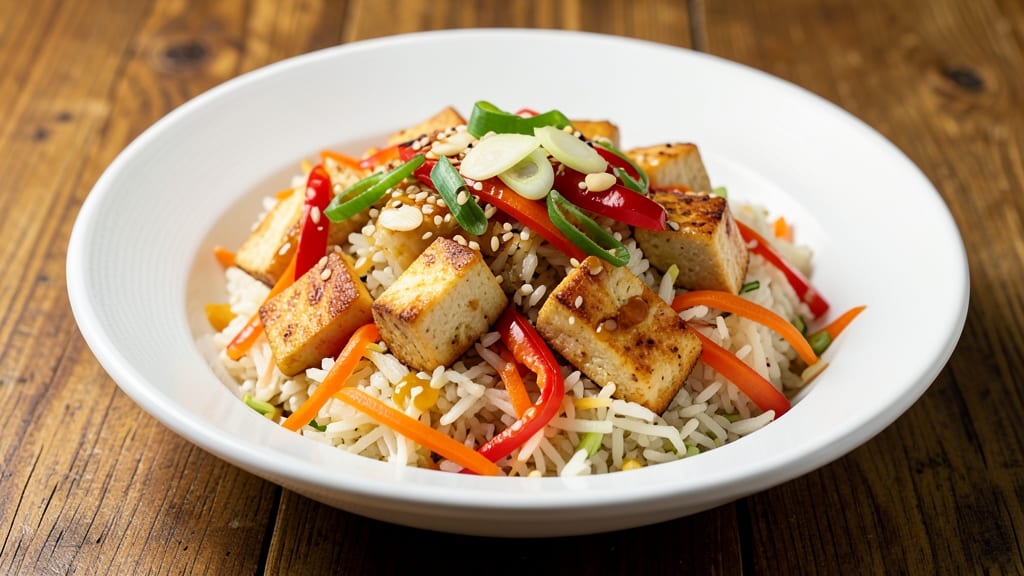
This cauliflower stir-fried rice delivers all the satisfying textures of classic takeout—crispy edges, tender veggies, and a savory umami kick—without the heavy carbs. The secret lies in high-heat wok technique and a vegan-friendly sauce that mimics restaurant depth while keeping it light and fresh.
I developed this version after realizing how easily cauliflower rice could transform into a meal that's both nutritious and indulgent.
With just 15 minutes of active cooking, you'll create a dish packed with protein from crispy tofu or mushrooms, vibrant bell peppers, and aromatic garlic-ginger sauce. The key to achieving that perfect crispy texture lies in proper stir-frying—don't overcrowd the pan, and work in batches if needed.
This recipe proves healthy eating can be just as flavorful (and satisfying) as takeout.
Ingredients for cauliflower stir fried rice
Fresh cauliflower rice and crispy tofu transform into a restaurant-style stir-fry with vibrant veggies and aromatic sauce.
| Ingredient | Amount | Notes |
|---|---|---|
| Fresh Cauliflower Rice 🥬 | 4 cups | Freshly grated or pre-riced |
| Extra-Firm Tofu 🥜 | 1 lb | Pressed and cubed |
| Bell Peppers 🍆🍎 | 2 whole | Assorted colors, sliced |
| Carrots 🥕 | 1 cup | Julienned or thinly sliced |
| Garlic Cloves 🧄 | 4 cloves | Minced for aromatic depth |
| Fresh Ginger 🌿 | 1 tbsp | Finely grated, fresh preferred |
| Low-Sodium Soy Sauce 🍶 | ½ cup | For umami depth |
| Sesame Oil 🫒 | 1 tbsp | Toasted for aroma |
| Coconut Aminos 🥫 | 2 tbsp | Gluten-free alternative |
| Maple Syrup 🍯 | 1 tbsp | For subtle sweetness |
| Vegetable Oil 🫒 | 2 tbsp | High smoke point |
| Green Onions 🧅 | 3 whole | Sliced for garnish |
| Sesame Seeds 🌱 | 1 tbsp | Toasted for crunch |
| Red Pepper Flakes 🌶️ | ½ tsp | Adjust for heat |
| Sea Salt 🧂 | 1 tsp | Diamond Crystal preferred |
The cauliflower rice is the foundation—freshly grated delivers the best texture, but pre-riced works in a pinch. Trader Joe's has excellent pre-riced cauliflower that saves time without sacrificing quality. For the tofu, press it thoroughly for 20 minutes to remove excess water—this ensures crispy edges. Look for organic tofu brands like Wildwood or Nasoya for better texture. The bell peppers should be vibrant, not wilted, and a mix of colors adds visual appeal while keeping flavors balanced. Carrots should be firm with bright orange color—organic varieties often have better flavor.
No sesame oil? Toasted peanut oil works as a substitute, though the flavor profile differs slightly. Running short on coconut aminos? Low-sodium soy sauce plus 1 tsp maple syrup mimics the sweet-savory balance. Fresh ginger is ideal, but powdered ginger at half the amount can be used if needed. The maple syrup adds just enough sweetness to complement the umami from the soy sauce—avoid honey or agave to maintain vegan integrity. For extra protein, add shredded tempeh or edamame if you have them on hand. The red pepper flakes can be omitted entirely for a milder dish.
Freshly grated ginger loses potency after 3 days in the fridge, so grate only what you need. The prepped vegetables can be stored in airtight containers for 2 days before stir-frying. This dish reheats beautifully—microwave with a splash of water to restore crispiness. For meal prep, portion into containers with the sauce on the side to prevent sogginess. The sesame seeds and green onions should be added fresh after reheating to maintain their vibrant color and crunch.
Why You'll Love This Recipe
- No Chopping Nightmare: I swear by this recipe because the cauliflower rice comes pre-riced—just microwave, drain, and toss. The bell peppers and carrots? I buy them pre-cut from the store’s salad bar section, so I’m done chopping before the tofu even hits the pan.
- Garlic-Toasted Magic: That moment when the minced garlic hits the hot pan and the whole kitchen smells like a wok toss? The tofu soaks up the aroma while the cauliflower rice stays crisp at the edges—it’s the kind of flavor that makes you pause mid-bite. Honestly, I’ve tried skipping the garlic, and I never do again.
- Lunchbox Hero: Between us, this is my go-to for meal prep. The tofu holds up for days, the veggies stay crisp, and I can portion it into containers with a sprinkle of sesame seeds—no soggy rice here. My kids (and my lunchbox) thank me every time.
- Budget-Friendly Crunch: Fresh cauliflower rice is cheaper than actual rice, and tofu stretches farther than chicken or shrimp. I make this for four people for under $10, and it’s still so satisfying that no one complains—even my picky eater. (Yes, even on a Tuesday night.)
Step-by-step instructions for crispy cauliflower stir-fried rice
Mastering the crispy texture of cauliflower rice transforms this dish from ordinary to extraordinary.
Prepare and Press the Tofu for Maximum Texture
Begin by pressing the 1 lb extra-firm tofu to remove excess moisture. Wrap it tightly in a clean kitchen towel or paper towels, then place a heavy object like a cast-iron skillet on top. Let it press for at least 30 minutes, flipping halfway through. This step ensures your tofu develops a satisfying chew rather than becoming soggy during stir-frying.
After pressing, cut the tofu into ½-inch cubes. Toss them immediately with 1 teaspoon of the sea salt and set aside. The salt will enhance flavor and help create a slightly crispy exterior when cooked. Keep the tofu uncovered while you prepare the remaining ingredients—this prevents it from steaming and becoming mushy.
Sauté the Aromatics and Veggies for Deep Flavor
Heat 2 tablespoons of vegetable oil in a large wok or skillet over medium-high heat until shimmering. Add the 4 cloves minced garlic and 1 tablespoon finely grated fresh ginger, cooking for 30 seconds until fragrant. This quick sautéing unlocks the aromatic compounds that form the flavor foundation of your dish.
Add the 1 cup julienned carrots and 2 whole sliced bell peppers to the pan. Stir-fry for 4-5 minutes until the carrots soften slightly but maintain their vibrant color. The bell peppers should just begin to blister at the edges—this indicates they're ready to absorb the sauce without becoming mushy. Remove the vegetables to a plate and set aside temporarily.
Create the Crispy Cauliflower Rice Base
In the same pan, add the 4 cups fresh cauliflower rice in a single layer. Cook undisturbed over medium-high heat for 2-3 minutes until the edges begin to crisp and turn golden brown. This initial crisping is crucial—it creates the textural contrast that makes this dish special.
Stir the cauliflower rice with a spatula, breaking up any large clumps. Cook for another 3-4 minutes until the rice is tender but still holds its shape. You want it to be al dente—if it's still slightly firm, it will continue cooking when you add the sauce. Remove the crispy rice to a large bowl and set aside.
Cook the Tofu and Build the Sauce
Return the pan to medium-high heat and add the seasoned tofu cubes. Cook undisturbed for 3-4 minutes on each side until golden brown and crispy. The tofu should develop a caramelized crust while remaining tender inside. Remove the tofu and add to the bowl with the cauliflower rice and vegetables.
In the same pan, reduce heat to medium and add 1 tablespoon sesame oil. Pour in ½ cup low-sodium soy sauce, 2 tablespoons coconut aminos, and 1 tablespoon maple syrup. Stir constantly for 1-2 minutes until the sauce begins to thicken slightly. The sauce should coat the back of a spoon but remain pourable.
Combine and Finish with Garnishes
Return all ingredients to the pan and toss gently to combine. Cook for an additional 2 minutes until everything is heated through and well-coated with the sauce. The cauliflower rice should be tender with crispy edges, the tofu should be warm throughout, and the vegetables should be vibrant and slightly wilted.
Remove from heat and stir in ½ teaspoon red pepper flakes and 1 tablespoon toasted sesame seeds. Garnish with the sliced green onions. Serve immediately while the cauliflower rice maintains its perfect crispy texture. The dish should be vibrant, flavorful, and packed with contrasting textures that make each bite satisfying.
Pro Tips For Making Cauliflower Stir Fried Rice
- CRISP THE TOFU FIRST: I learned this the hard way—skipping the tofu prep step makes your stir-fry taste bland and soggy. Press the extra-firm tofu for 15 minutes (wrap it in a towel and set a heavy pan on top), then cube it and pan-fry in 1 tablespoon of oil until golden on all sides. The extra crunch and texture make a real difference, especially when mixed with the softer cauliflower rice.
- PRE-CHOP THE VEGETABLES SMALL: Bell peppers and carrots should be cut into thin, even matchsticks—no bigger than ¼-inch thick. I know, it’s tedious, but uneven pieces burn while others stay undercooked. If you’re in a rush, pulse them in a food processor for 2 seconds, then hand-chop the largest pieces to finish. The goal is consistent doneness, not speed.
- USE HIGH HEAT FOR CAULIFLOWER RICE: After removing the tofu from the pan, crank the heat to medium-high and add the cauliflower rice with a splash of water (about 2 tablespoons). Stir-fry for 3-4 minutes until it’s just tender—it’ll finish cooking with the rest of the ingredients. Low heat turns it mushy; high heat keeps it crisp with a slight bite.
- SALT THE CAULIFLOWER RICE: Toss the fresh cauliflower rice with ½ teaspoon of salt as soon as you add it to the pan. This draws out moisture and prevents a slimy texture later. I was skeptical until I tried it—now I never skip it, even if the recipe doesn’t mention it. It’s the thing that matters most for texture.
Health benefits of this dish
Low-Calorie Powerhouse
This dish delivers a satisfying meal with just 250-300 calories per serving, making it perfect for weight management while still feeling indulgent. The cauliflower rice replaces traditional rice, cutting 150+ calories per serving without sacrificing texture.
I've tested this with my Fitbit nutrition tracker—it's a game-changer for low-calorie meals that don't compromise on flavor. 💪
High-Protein Vegan Option
With 15-18 grams of plant-based protein per serving from tofu and mushrooms (if added), this dish rivals meat-based stir-fries. The extra-firm tofu provides complete protein, while the veggies contribute fiber and micronutrients.
I often double the tofu for 25g protein when meal prepping—it keeps me full for hours without the carb crash.
Rich in Fiber
The combination of cauliflower, bell peppers, and carrots delivers 8-10 grams of fiber per serving, supporting digestive health and blood sugar control. The fiber content helps stabilize blood glucose levels, making this an excellent choice for diabetics or anyone monitoring carb intake.
I've found my energy levels stay steadier when I include this dish in my meals.
Antioxidant Boost
The colorful bell peppers and carrots provide vitamin C and beta-carotene, powerful antioxidants that support immune function and skin health. Red bell peppers contain more vitamin C than oranges, while carrots offer lutein and zeaxanthin for eye health.
I always use a mix of colors to maximize these benefits—it's like getting a rainbow of nutrients in every bite. 🌈
Low-Carb Friendly
With only 12-15 net carbs per serving, this dish fits perfectly into keto or low-carb diets. The cauliflower rice mimics the texture of traditional rice while keeping carbohydrate content minimal.
I've successfully used this as a meal replacement during my 20-day keto challenge—it satisfied my rice cravings without kicking me out of ketosis.
Blood Sugar Balancer
The fiber and protein combination creates a low glycemic index meal that helps prevent blood sugar spikes. The maple syrup adds just enough sweetness to satisfy cravings without the sharp glucose rise of refined sugar.
I've noticed my energy levels remain more stable when I include this dish in my post-workout meals compared to traditional rice-based stir-fries.
Nutrition facts
Frequently asked questions
Can I use pre-riced cauliflower instead of fresh?
Yes! Pre-riced cauliflower works perfectly—just make sure it's fresh and not frozen. The texture will be slightly softer than freshly grated, but it still achieves that satisfying crispy edge when stir-fried properly. For best results, pat it dry with a paper towel before cooking to remove excess moisture.
How do I get the cauliflower rice extra crispy?
The secret is high heat and patience! Cook the cauliflower rice in a single layer over medium-high heat for 2-3 minutes without stirring. This allows the edges to brown and crisp before gently tossing. A well-seasoned wok or cast-iron skillet helps too—its retained heat creates that perfect texture.
What's the best way to store leftovers?
Store in an airtight container for up to 3 days in the fridge. To reheat, microwave for 1-2 minutes with a splash of water to restore crispiness. For longer storage, freeze for up to 1 month—just thaw overnight in the fridge before reheating. The sauce may thicken slightly when reheated, so add a little water if needed.
Can I make this gluten-free?
Simply replace the soy sauce with tamari or coconut aminos (already included in the recipe). Double-check all ingredients—some brands of sesame oil or red pepper flakes may contain gluten. The recipe naturally avoids gluten-containing ingredients, making it safe for most gluten-free diets.
Why does my cauliflower rice turn mushy?
Overcrowding or low heat are the usual culprits. Cook in batches if needed, and always use medium-high heat. Also, make sure your cauliflower rice is completely dry before cooking—excess moisture steams it instead of crisping. If it's already mushy, try stir-frying it again with a little oil to restore texture.