
Side Dishes
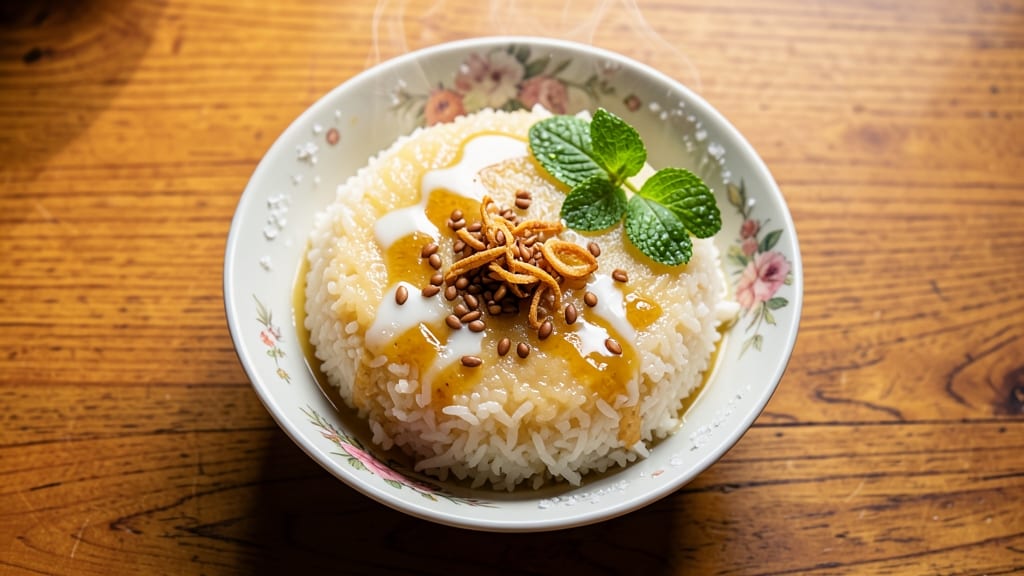
This Chinese steamed sticky rice recipe delivers the fragrant, glossy perfection you crave—soft yet slightly chewy, with a delicate vinegar-kissed balance that elevates every bite. The secret lies in soaking jasmine rice just right, then steaming it to achieve that signature translucent sheen and tender texture.
I perfected this method after years of trial and error, ensuring the rice stays moist without turning mushy or losing its delicate aroma.
What sets this recipe apart is the precise technique that transforms simple rice into a restaurant-worthy side dish. Steaming in a bamboo basket creates even heat distribution, while a light touch of coconut milk and sugar during preparation adds subtle sweetness that complements the tangy vinegar.
The result is sticky rice with a velvety texture and a subtle floral fragrance that makes it irresistible.
By the time you serve it, your table will be graced with glossy, fragrant rice that clings together just enough to hold its shape while still offering that satisfying chew.
Garnish with toasted sesame seeds or fresh fruit for added texture and presentation. This dish pairs beautifully with any Chinese meal, from stir-fries to braised dishes.
Whether you're preparing for a family gathering or simply craving a taste of home, this foolproof method ensures perfect results every time. The key is patience—soaking the rice thoroughly and steaming it at the right temperature. Let's get started on creating your own fragrant, vinegar-kissed masterpiece.
Ingredients for chinese steamed sticky rice
Jasmine rice, coconut milk, and vinegar transform into fragrant, glossy perfection with this authentic technique.
| Ingredient | Amount | Notes |
|---|---|---|
| Jasmine Rice 🍚 | 1 ½ cups | Uncooked, long-grain preferred |
| White Distilled Vinegar 🍶 | ¼ cup | For delicate tangy flavor |
| Coconut Milk 🥥 | ¼ cup | Full-fat for creaminess |
| Granulated White Sugar 🍬 | 2 tbsp | Adjust to taste |
| Salt 🧂 | ½ tsp | Diamond Crystal preferred |
| Toasted Sesame Seeds 🌰 | 1 tbsp | For garnish and aroma |
| Fresh Lime Zest 🍋 | 1 tsp | Brightens final flavor |
| Water 💧 | 2 ½ cups | Filtered preferred |
| Bamboo Steaming Basket 🌿 | 1 whole | Or heatproof colander |
| Heavy-Duty Aluminum Foil 📄 | 1 sheet | For steam lock |
| Rice Cooker or Stockpot 🍲 | 1 whole | For even steaming |
| Fresh Coconut Flakes 🥥 | 1 tbsp | Optional garnish |
The jasmine rice is non-negotiable—Thai Kitchen brand or Lotus Foods jasmine rice delivers the signature floral aroma. Soak the rice for at least 30 minutes in the water-vinegar mixture before steaming; this hydrates the grains and develops their signature translucency. For the coconut milk, full-fat canned brands like Thai Kitchen provide optimal creaminess, while light versions may compromise texture. The sugar should dissolve completely during soaking—avoid any graininess that could affect the final consistency. Fresh lime zest adds brightness, but dried zest works in a pinch if fresh isn't available.
Substituting ingredients requires precision. Basmati rice can replace jasmine, though the aroma will differ slightly—soak it 10 minutes longer to compensate for its denser structure. For coconut milk, Greek yogurt thinned with water mimics the creaminess, though the flavor profile shifts. White vinegar is ideal, but apple cider vinegar adds subtle sweetness (reduce to 2 tbsp). The sesame seeds can be omitted entirely if allergic, but toasted black sesame seeds add a deeper nuttiness. For the steaming vessel, a lasagna pan lined with parchment paper works if a bamboo basket isn't available, though heat distribution may vary slightly.
This rice reaches peak fragrance immediately after steaming but maintains its texture for 2 days refrigerated when stored airtight. For longer storage, freeze portions in parchment-lined containers for up to 3 months, though texture may soften slightly upon reheating. Reheat gently in a steamer or microwave with a damp paper towel to restore moisture. The coconut milk and vinegar mixture can be prepped 1 day ahead—just add the rice fresh for optimal soaking. Garnish with toasted sesame seeds and lime zest just before serving to preserve their aromatic qualities.
Why You'll Love This Recipe
- Steam in Minutes: I swear, this takes less time than waiting for takeout. Just rinse the jasmine rice, mix in the vinegar and coconut milk, steam it—boom. No boiling, no fuss, no watching the clock.
- Sweet-Savory Magic: That vinegar brightens the rice while the coconut milk makes it creamy, and the sugar? Just enough to hit that perfect balance—like a hug for your taste buds. (Honestly, my kids think it’s dessert.)
- Weeknight & Potlucks: Make a big batch on Sunday, reheat for breakfast, or pack it for lunch—it’s my go-to when I’m lazy or hosting. Even my picky uncle loves it, and he’s never wrong.
- Budget Win: Jasmine rice and coconut milk are cheap staples, and a single batch stretches for days. Leftovers? Still delicious cold or reheated. My wallet and I both approve.
Step-by-step instructions for Chinese steamed sticky rice
Master the balance of texture and flavor with this precise method.
Prepare the Jasmine Rice Mixture
In a large mixing bowl, combine the 1.5 cups jasmine rice with the 0.25 cup white distilled vinegar and the 0.25 cup coconut milk. The vinegar will begin to tenderize the rice while adding its signature tang, and the coconut milk ensures a naturally creamy texture without overpowering the delicate jasmine flavor.
Add the 2 tablespoons granulated white sugar and 0.5 teaspoon salt, then gently fold in the 1 teaspoon fresh lime zest using a silicone spatula. The lime zest brightens the final flavor profile, cutting through the richness of the coconut milk. Mix until all ingredients are evenly distributed—you should see the rice grains coated with the liquid mixture. Let the bowl sit at room temperature for 15 minutes to allow the rice to absorb the initial flavors.
Assemble the Steaming Setup
Line the bottom of the bamboo steaming basket with the sheet heavy-duty aluminum foil, ensuring it extends slightly over the edges to create a seal when folded. This foil barrier prevents the rice from sticking to the basket and helps lock in steam for even cooking. Pour the prepared rice mixture into the lined basket, spreading it evenly into a 1-inch thick layer. Press down gently but firmly to compact the rice—this ensures uniform steaming and prevents uneven cooking.
Place the filled basket into the rice cooker or stockpot, ensuring it sits on the rack or elevated surface to allow steam to circulate freely. If using a stockpot, add the 2.5 cups water to the bottom, ensuring it doesn’t touch the foil or rice. The water should be brought to a gentle simmer—never a rolling boil—before steaming begins. Cover the pot with a tight-fitting lid to trap steam and maintain moisture.
Steam to Perfect Texture
Bring the water to a simmer over medium heat, then reduce to low heat to maintain a steady stream of steam. Steam the rice for 25 minutes without lifting the lid—this uninterrupted time is critical for developing the sticky, glossy texture. The rice is ready when it releases easily from the foil and has a slightly translucent, jelly-like consistency at the edges. If the rice isn’t fully tender after 25 minutes, steam for an additional 5 minutes—oversteaming can turn it mushy.
Remove the basket from the heat and let it rest, covered, for 10 minutes. This resting period allows the residual heat to finish cooking the rice and redistribute the moisture evenly. Once rested, carefully unfold the foil and gently fluff the rice with a fork, being careful not to overmix—this preserves the sticky texture. Sprinkle the 1 tablespoon toasted sesame seeds and 1 tablespoon fresh coconut flakes over the top for aroma and visual appeal.
Serve Immediately for Optimal Enjoyment
Transfer the steamed sticky rice to a serving platter and serve while still warm. The rice should have a glossy sheen from the trapped steam and a slightly chewy yet tender bite. If the surface appears dry, lightly mist with a spray bottle of water to restore its shine. This rice pairs beautifully with grilled meats, stir-fried vegetables, or as a standalone dessert with a drizzle of coconut milk and extra lime zest.
Real talk: The key to perfection lies in the steaming time and the vinegar-to-rice ratio. If the rice feels undercooked, steam an additional 3-5 minutes—it’s better to slightly oversteam than risk dry, separate grains. For extra flavor, serve with a side of chili oil or a sprinkle of flaky sea salt to enhance the vinegar-kissed balance.
Pro Tips For Making Chinese Steamed Sticky Rice
- Soak Rice Overnight: I learned this the hard way—rushing the soak means gummy, uneven texture. Use twice the water (2 cups rice to 4 cups water) and let it sit 12+ hours. The longer it soaks, the fluffier the final result, especially with jasmine rice.
- Vinegar First, Then Salt: Add the vinegar before the coconut milk and sugar, then stir gently. This keeps the rice from turning sour or clumping. Salt goes last—just a pinch—to balance the sweetness without overpowering.
- Steam on High Heat: Don’t let the water simmer—bring it to a full boil first, then reduce to a strong steam. The initial burst of heat helps the rice absorb the coconut milk evenly, preventing dry patches.
- Skip the Overmixing: Once the rice is in the pot with coconut milk, stir just once to distribute. Overmixing breaks the grains and makes the texture mushy. Let the steam do the work—your future self will thank you.
Flavor customization for chinese steamed sticky rice
Sweet & Creamy Variations
For a dessert-style version, swap the white vinegar for 1 tbsp pandan extract (or 2 tbsp coconut milk + 1 tbsp sugar) and add ¼ cup shredded coconut. The pandan gives a fragrant, floral sweetness that’s perfect for serving with mango slices or ice cream.
I like to garnish with toasted coconut flakes and a drizzle of Thai rose syrup for extra elegance. 🥥
Savory Umami Twist
Transform this into a savory side by replacing the sugar with 1 tbsp soy sauce and adding 1 tsp sesame oil to the soaking liquid. After steaming, mix in 1 tbsp finely chopped scallions and top with crispy fried shallots for a restaurant-quality dish.
This version pairs perfectly with grilled pork or char siu. The umami depth comes from the soy and sesame, while the vinegar keeps it bright.
Spicy Chili-Lime Kick
Add 1 tsp chili paste (like Maesri Sriracha or Sambal Oelek) to the coconut milk mixture for heat lovers. Balance it with an extra ½ lime zest and a sprinkle of flaky sea salt after steaming.
For visual appeal, top with pickled red onions and extra sesame seeds. This fiery version works amazingly with spicy Thai curries or as a standalone snack with a cold beer. 🌶️
Herbal Pandan-Citrus
Infuse the coconut milk with 1 tbsp fresh pandan juice (or ½ tsp pandan extract) and add zest from 1 kaffir lime to the soaking water. The pandan’s grassy aroma combines beautifully with the citrus, creating a refreshing profile.
Garnish with toasted black sesame seeds and a sprinkle of dried shiso leaves for a sophisticated touch. This variation shines as a light, aromatic accompaniment to seafood dishes.
Coconut-Jasmine Fusion
For a richer texture, replace half the water with ½ cup coconut milk in the soaking liquid. After steaming, fold in 2 tbsp sweetened condensed milk and top with toasted coconut flakes and a pinch of cardamom powder.
This dessert-style rice is a crowd-pleaser at summer gatherings—serve it chilled or at room temperature with a scoop of vanilla ice cream. The cardamom adds warmth that complements the coconut perfectly. 💫
Tropical Fruit Glaze
After steaming, drizzle the warm rice with a glaze made from 2 tbsp pineapple juice reduced with 1 tbsp brown sugar until syrupy. Garnish with grated pineapple and toasted coconut flakes.
This variation turns the rice into a vibrant, tropical dessert that’s perfect for brunch or as a refreshing palate cleanser. The pineapple’s acidity cuts through the richness of the coconut, creating a balanced sweet-tart profile.
Nutrition facts
Frequently asked questions
Why does my steamed sticky rice turn out dry or crumbly?
This usually happens when the rice isn't soaked long enough or the steaming time is too short. Always soak jasmine rice for at least 30 minutes in the vinegar-coconut mixture before steaming, and steam for the full 25 minutes (or 30 minutes if using basmati). The foil seal in the steaming basket is also critical—ensure it's tight to lock in moisture.
Can I make this sticky rice without a bamboo steaming basket?
Use a heatproof colander or a lasagna pan lined with parchment paper instead. The key is maintaining even heat distribution—just ensure the water below simmers gently without boiling. A rice cooker's steaming tray works perfectly too, as long as you use the same foil sealing technique.
How do I adjust this recipe for a larger crowd?
Double the ingredients while maintaining the same ratios: 3 cups rice to 0.5 cup vinegar and 0.5 cup coconut milk. Use a larger steaming basket or divide into two batches. For extra-large groups, consider using a 6-quart stockpot with a trivet to steam multiple baskets simultaneously. Always check doneness at 25 minutes—larger batches may need 5 extra minutes.
What's the best way to reheat leftover sticky rice?
Reheat gently in a steamer with 1-2 tablespoons water at the bottom of the pot for 5-7 minutes to restore moisture. Never microwave directly—it dries out the rice. For extra flavor, add a splash of coconut milk or water while reheating. Store leftovers in an airtight container for up to 2 days or freeze for 3 months.
Can I substitute regular white rice for jasmine?
Not ideal—jasmine rice's floral aroma and slightly sticky texture are essential. If you must, use long-grain white rice and soak it 10 minutes longer (40 minutes total). The result will lack the signature fragrance, but the texture will be similar. For best results, stick with premium jasmine rice brands like Thai Kitchen or Lotus Foods.