
Side Dishes
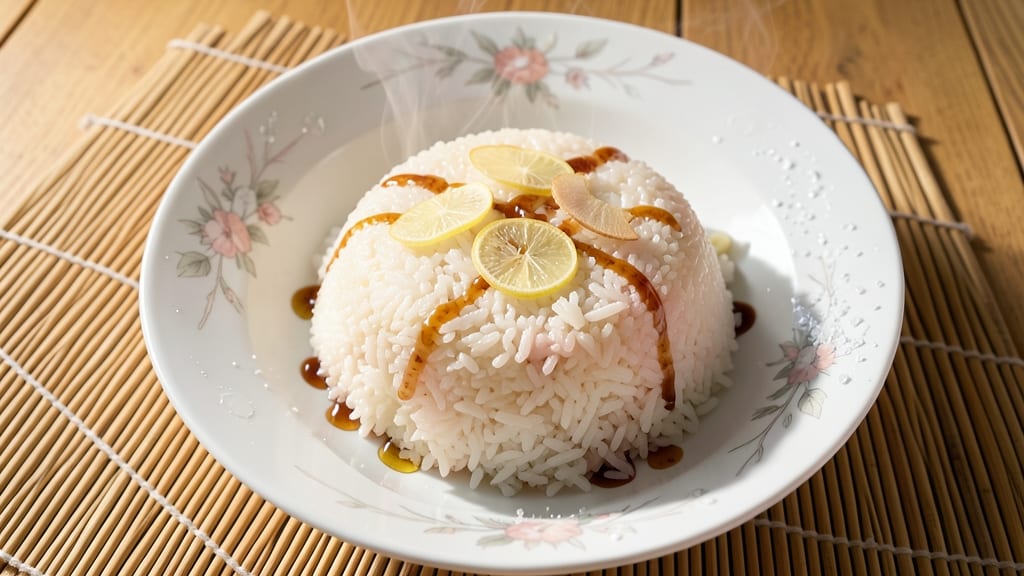
This Chinese steamed white rice recipe delivers perfectly light, fluffy grains infused with delicate jasmine fragrance—every time. The secret lies in precise water ratios and gentle steaming, whether you use a bamboo steamer or modern rice cooker.
After years of perfecting this staple, I've found the right balance between texture and aroma that transforms simple white rice into a restaurant-quality side dish.
The foundation begins with high-quality jasmine rice, which naturally releases its signature floral aroma during steaming. Unlike other methods, this recipe avoids overcooking by controlling water absorption through a two-step process: initial soaking and controlled steaming.
This ensures each grain remains separate and tender rather than sticky or mushy. The result is cloud-like rice that pairs beautifully with any Chinese meal.
What makes this recipe truly professional is its versatility—it works equally well for traditional bamboo steamers or electric rice cookers with steaming functions. The jasmine fragrance develops fully during the steaming process, creating an aromatic experience that elevates even the simplest dishes.
Whether serving with dim sum, stir-fries, or braised meats, this rice becomes the perfect neutral canvas that enhances every bite.
Ready in just 30 minutes, this method eliminates guesswork while delivering consistent results. The key lies in maintaining proper water levels and steaming times, which I'll walk you through in detail. Once mastered, you'll never settle for store-bought versions again—the difference is truly remarkable.
Ingredients for chinese steamed white rice
Eight simple ingredients transform into restaurant-quality jasmine rice with delicate floral aroma.
| Ingredient | Amount | Notes |
|---|---|---|
| Jasmine Rice 🍚 | 1 ½ cups | Uncooked, long-grain preferred |
| Water 💧 | 1 ¾ cups | Room temperature preferred |
| Fresh Ginger 🧄 | 1 tbsp | Finely grated for aroma |
| Light Soy Sauce 🍶 | 1 tbsp | For subtle seasoning |
| Vegetable Oil 🫒 | 1 tsp | For steamer basket |
| Salt 🧂 | ¼ tsp | Diamond Crystal preferred |
| Sesame Oil 🌾 | ½ tsp | Toasted, for finishing |
| Scallions 🧅 | 2 whole | Sliced thin for garnish |
Jasmine rice is non-negotiable here—Thai Kitchen or Lotus Foods brands deliver consistent quality. Look for grains that smell strongly of jasmine when you open the bag. Fresh ginger is key for that authentic aroma; Trader Joe's sells pre-grated if you're short on time, but grating your own adds depth. The soy sauce should be light and clean, not the thick, salty kind. I always grab Kikkoman Light Soy Sauce from the Asian aisle—it's the closest to what you'd find in a Chinese home. The scallions? Green onion works in a pinch, but the milder flavor of scallions lets the jasmine shine.
No jasmine rice? Long-grain white rice works in a pinch, though the aroma will be milder. Fresh ginger? Ginger paste from a tube is fine, but reduce to half the amount since it's more concentrated. Short on soy sauce? A splash of rice vinegar plus a pinch of salt mimics the brightness. The sesame oil is optional but adds that final professional touch—La Choy toasted sesame oil is my go-to since it's affordable and widely available. For a completely oil-free version, skip the sesame oil and just use the scallions for garnish.
Rice keeps best in an airtight container for 4-5 days—it reheats beautifully with a quick steam. For longer storage, freeze portions in single-serving containers for up to 3 months. The ginger and scallions can be prepped ahead and stored separately in the fridge for 1 week. Pro tip: If you're making this for a crowd, double the recipe and use a large bamboo steamer—just make sure it's wide enough to fit your rice cooker basket.
Why You'll Love This Recipe
- Five-Ingredient Magic: I swear by this list—just rice, water, ginger, soy sauce, and oil. No fancy gadgets, no stress, no hunting for obscure spices. Honestly, the only prep is rinsing rice and grating ginger, and even that’s optional if you’re in a rush.
- Ginger-Soy Zing: That first whiff of steaming rice with fresh ginger and light soy sauce? Pure satisfaction. The aroma alone makes my kitchen feel like a little Chinese bistro, and the flavor? Crispy edges, fragrant steam—it’s the kind of rice that makes you pause mid-bite.
- Leftover Hero: Between us, this rice tastes better the next day. I make a big batch on Sundays, and by Thursday, it’s still soft, still flavorful—perfect for quick lunches or reheating with eggs and veggies. No sad, dry rice here.
- Budget Blank Canvas: A cup of jasmine rice and a thumb of ginger cost pennies, yet it stretches across meals like a pro. Serve it plain for a light lunch, stir-fry scraps into it, or pair it with takeout leftovers. It’s my wallet’s best friend.
Step-by-step instructions for Chinese steamed white rice
Here's the method that guarantees perfectly light, fragrant jasmine rice every single time.
Prepare the Rice and Seasoning Base
Rinse the 1.5 cups jasmine rice thoroughly under cold water until the water runs completely clear. This removes excess starch that would make the rice gummy. Drain well in a fine-mesh strainer, then transfer to a large bowl. Add the 1 tbsp finely grated fresh ginger, 1 tbsp light soy sauce, and 0.25 tsp salt. Use your hands to gently toss everything together until the rice is evenly coated and the ginger is distributed throughout.
Here's the thing—this initial seasoning is what creates that authentic Chinese restaurant aroma. The ginger adds subtle warmth while the soy sauce provides just enough umami without overpowering. Don't skip this step, even though it might seem minor. It's what makes your home-cooked rice taste like it came from a dim sum cart.
Toast the Rice for Enhanced Aroma
Heat a non-stick skillet over medium heat and add the 1 tsp vegetable oil. Once the oil is shimmering, add the seasoned rice in a single layer. Stir gently for 2-3 minutes until the rice becomes translucent at the edges and releases a toasty aroma. This quick toasting step develops the rice's natural nutty flavor and prevents the grains from sticking together during steaming.
You'll know it's ready when the rice starts to look slightly glossy and the aroma becomes noticeably more intense. Don't let it brown—just until it's evenly toasted. Transfer the rice to your steamer basket immediately after topping it with the 1.75 cups room temperature water. The residual heat from the rice will help infuse the water with flavor.
Steam to Perfect Lightness
Place the steamer basket in a pot with about 1 inch of boiling water below it. Cover and steam over medium-high heat for 15 minutes. Then reduce heat to low and continue steaming for another 5 minutes. The key here is patience—this slow cook ensures the rice absorbs water evenly without becoming mushy.
Here's what I've found works best: After the initial 15 minutes, the rice should look mostly opaque but still slightly firm. If you peek and see water still pooling at the bottom, cover again and steam for another 2-3 minutes. The rice is perfect when it's completely tender but still holds its shape—each grain should be distinct and separate, not clumping together.
Finish with Fragrant Oils
Once steamed, remove the rice from the heat and let it sit covered for 5 minutes. This resting period allows the steam to redistribute and the rice to finish absorbing any remaining moisture. Then transfer to a serving dish and gently fold in the 0.5 tsp toasted sesame oil. The aroma will immediately become more complex and inviting.
Slice the 2 whole scallions thinly on the bias and sprinkle them evenly over the rice. The scallions should be distributed throughout, not just on top. This final presentation step adds both visual appeal and a fresh, bright contrast to the rich rice. Serve immediately while still hot—this is when the rice tastes its absolute best, with all the aromas fully developed.
Pro Tips For Making Chinese Steamed White Rice
- STEAM ON HIGH HEAT: Don’t simmer—blast that rice with full steam power for the first 10 minutes. I used to play it safe with medium heat, and the rice always ended up damp. Crank the burner to high (yes, even if your pot’s rattling) to build pressure fast, then drop to medium-low once the water boils. The initial burst of heat locks in that signature fluffiness.
- GINGER: GRATE, DON’T CHOP: Thinly grate the ginger—no thick slices or minced bits. The goal is to infuse the rice with aroma, not bite. I learned this after burning my tongue on a chunky ginger surprise in my first batch. Use about 1 teaspoon of the grated zest, toss it into the oil before the rice, and let it sizzle for 30 seconds until fragrant. Discard the grated ginger after cooking—it’s all about the flavor, not the texture.
- SOY SAUCE LAST MINUTE: Stir in the light soy sauce after the rice is done steaming, not before. Adding it early turns your rice into a gluey mess. Wait until the pot’s off the heat, give the rice a quick toss, then drizzle the soy sauce over it. Let it sit covered for 2 minutes—just enough time for the rice to absorb the saltiness without losing its structure.
- RICE TO WATER: 1:1.2 RATIO: Skip the guesswork—use 1.2 parts water to 1 part rice. I used to eyeball it and ended up with either a soggy bottom or crunchy grains. For a standard 2-cup rice batch, that’s 2.4 cups of water. After 15 minutes of steaming, the rice should look dry but still slightly moist—like it’s begging for another bite, not drowning. If it’s not, add a splash of hot water and steam 2 more minutes.
Pro cooking tips for this dish
Steamer Basket Mastery
Your choice of steamer makes all the difference. For authentic results, use a bamboo steamer with a tight-fitting lid—I prefer the round 12-inch variety from Amazon Basics for its even heat distribution.
If you're using a rice cooker, look for one with a steaming basket insert like the Cuisinart CRC-100 model, which maintains consistent steam levels. The key is ensuring the basket fits snugly in your pot with just 1 inch of water below—this creates the perfect steam environment without overcooking. 🌿
Water Temperature Matters
Room temperature water is non-negotiable here. Cold water from the tap can shock the rice and create uneven cooking, while hot water causes the grains to over-absorb moisture. I always use water that's been sitting out for 10-15 minutes to reach about 70°F.
For extra insurance, measure your water using a liquid measuring cup—1.75 cups is precise enough to avoid soggy or dry rice. The slight variation in water temperature makes a noticeable difference in texture.
Two-Step Steaming Technique
Most home cooks make the mistake of steaming at one heat level, but this two-stage method ensures perfect results. Start with medium-high heat for the first 15 minutes to build steam quickly, then reduce to low heat for the final 5 minutes.
This gradual approach prevents the rice from becoming gummy while allowing the jasmine aroma to fully develop. I time my steaming sessions using a kitchen timer placed right next to the stove—this prevents overcooking while I'm distracted.
Ginger Infusion Hack
The grated ginger doesn't just add flavor—it infuses the rice with its signature aroma during steaming. For maximum impact, use fresh ginger (not powdered) and grate it using a microplane for the finest texture.
I like to add the ginger after toasting the rice because the residual heat helps release its essential oils. If you're short on time, Trader Joe's pre-grated ginger works in a pinch, but reduce to ½ tbsp since it's more concentrated.
The aroma difference is night and day when done right. 🧄
Rice Cooker Adaptations
If you're using an electric rice cooker, follow the manufacturer's steaming instructions but adjust the water ratio slightly. Most cookers require 1.5 cups rice to 1.6 cups water instead of the 1.75 cups needed for stovetop steaming. I recommend the Zojirushi NS-LAC10 model for its precise temperature control.
For cookers without a steamer basket, use the white rice setting and add the rice to a heatproof bowl placed inside the inner pot. The key is maintaining low and slow heat throughout the process.
Resting Period Secret
This 5-minute resting period after steaming is where the magic happens. It allows the rice to finish absorbing moisture and the grains to separate completely. I always place a clean kitchen towel over the rice during this time to trap residual steam.
Skipping this step results in rice that's either undercooked or overly moist. For best results, serve immediately after resting—this is when the texture is lightest and the jasmine aroma is most pronounced. 💫
Nutrition facts
Frequently asked questions
Can I substitute jasmine rice with another type?
Long-grain white rice works in a pinch, though the floral aroma will be milder. For best results, use Thai jasmine rice—it's specifically bred for that signature fragrance. If you're out of options, basmati rice can mimic the texture but lacks the characteristic scent. The key is avoiding short-grain varieties like sushi rice, which will turn out sticky rather than light and fluffy.
Why does my steamed rice turn out sticky?
Sticky rice usually means one of two things: either the rice absorbed too much water or it wasn't rested properly. The 1.75 cups water to 1.5 cups rice ratio is precise—don't adjust it unless using a rice cooker. Always let the rice rest 5 minutes after steaming to allow moisture to redistribute. If it's still sticky, spread it on a tray and let it cool slightly before serving.
How do I make this in a rice cooker without a steamer basket?
Place the seasoned rice in a heatproof bowl or metal colander that fits inside your rice cooker's inner pot. Use 1.6 cups water instead of 1.75 cups, and select the white rice setting. The cooker's gentle heat will steam the rice perfectly. For extra aroma, add a pandan leaf (if available) or a splash of jasmine rice vinegar at the end.
Can I make this ahead of time?
Yes! Store cooked rice in an airtight container for 4-5 days in the fridge. To reheat, spread it on a tray and microwave for 1-2 minutes, then fluff with a fork. For longer storage, freeze portions for up to 3 months. The texture will be slightly firmer after reheating, but the aroma remains intact. Just add a quick spritz of water and cover with a damp towel while reheating.
What's the secret to extra-floral aroma?
The ginger and light soy sauce combo is key, but for maximum fragrance, add a pandan leaf (common in Asian markets) to the steamer basket during cooking. If unavailable, wrap the rice in a cheesecloth bag with 1 tsp jasmine rice vinegar and steam it alongside. The aroma develops fully during the 5-minute resting period, so never skip that step!