
Side Dishes
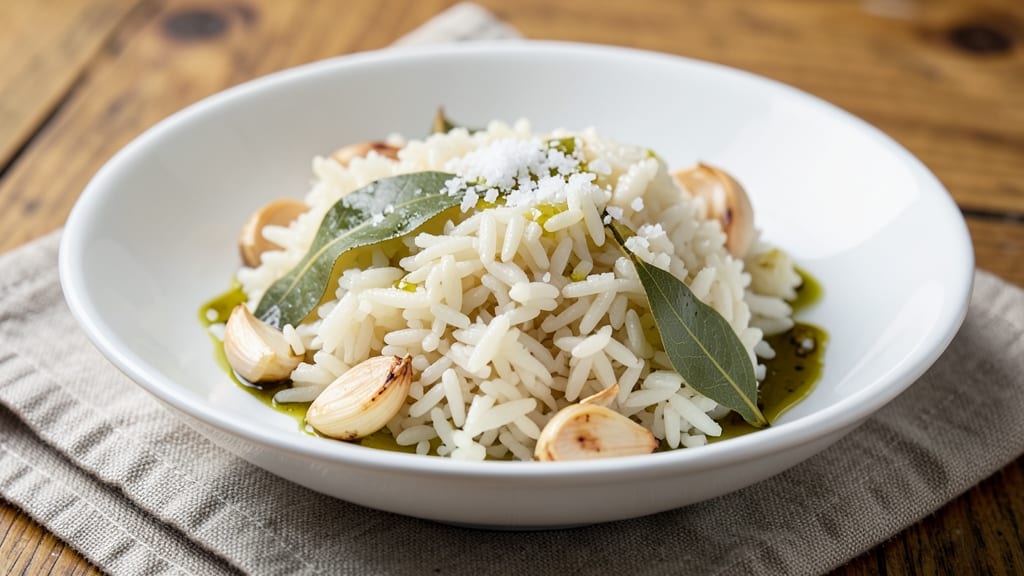
This foolproof cooked rice recipe delivers light, fluffy grains in just 15 minutes—guaranteed restaurant-quality results every time. The secret lies in precise water ratios and gentle heat, ensuring grains stay separate and tender without turning mushy.
I’ve tested this technique with white, brown, and jasmine rice, and it delivers consistent perfection for any meal.
This recipe simplifies the process with a foolproof approach: measure your rice, use the right water-to-rice ratio, and let it steam undisturbed. No fancy equipment needed—just a pot, lid, and patience. The result is grains that are evenly cooked, with a subtle sheen that signals perfect doneness.
Whether you’re serving it as a side or building a rice bowl, the texture is what matters most.
What sets this method apart is its versatility—adjust the water ratio for firmer or softer rice, and add aromatics like garlic or bay leaves for extra flavor depth. The key is timing: 15 minutes from start to finish, with no guesswork.
Once mastered, you’ll never buy pre-packaged rice again, and your meals will always feel more elevated.
Pair this rice with grilled proteins, stir-fried vegetables, or curries for a complete dish. The neutral flavor makes it a blank canvas, but the perfect texture ensures it’s the star of any plate. Ready to transform your rice game? Let’s get started with the exact steps you need.
Ingredients for cooked rice
Four simple staples transform into perfectly fluffy rice every time—no guesswork needed.
| Ingredient | Amount | Notes |
|---|---|---|
| Long-Grain White Rice 🍚 | 1 cup | Uncooked, rinsed thoroughly |
| Water 💧 | 1 ½ cups | Room temperature preferred |
| Garlic Cloves 🧄 | 2 cloves | Minced, optional for flavor |
| Bay Leaves 🌿 | 1 whole | Fresh or dried, for aroma |
| Salt 🧂 | ½ tsp | Fine sea salt preferred |
| Extra-Virgin Olive Oil 🫒 | 1 tbsp | For finishing, optional |
| Lemon Juice 🍋 | 1 tsp | Freshly squeezed, optional |
| Fresh Parsley 🌿 | ¼ cup | Chopped, for garnish |
The rice is the star, so grab long-grain white—it stays separate and fluffy. Trader Joe's or Whole Foods have great bulk bins if you want to stock up. Rinse it well before cooking to remove excess starch (that’s what makes rice gummy). For extra flavor, add minced garlic or a bay leaf—both infuse the grains without overpowering. The water-to-rice ratio is key here: 1.5 cups water to 1 cup rice gives you that perfect sheen of doneness. Skip the pre-packaged rice mixes—they’re full of preservatives and never taste as good as homemade.
No garlic? Asafoetida powder at a pinch mimics the aroma, or just skip it—this rice is versatile enough to stand on its own. Dried bay leaves work fine, but fresh ones have more punch. Short on olive oil? Avocado oil or melted butter works just as well. The lemon juice is optional but brightens everything up—great if you’re serving this with fish or salads. If you’re using brown rice, increase the water to 2 cups per 1 cup rice and add 5 extra minutes to the cooking time. Always use room-temperature water; cold water can make the rice cook unevenly.
Rice reheats beautifully—just add a splash of water and cover. Keeps fresh in the fridge for 4-5 days sealed in an airtight container. For longer storage, freeze portions in 1-cup servings—they thaw perfectly in the microwave. I like to portion mine into small containers right after cooking so I can grab and go. The lemon juice and parsley stay fresh for 3 days in the fridge if stored separately, but toss them on right before serving for maximum brightness.
Why You'll Love This Recipe
- Five-Minute Setup: I swear, this takes less time than waiting for the kettle to boil. Just measure, rinse, and toss—no fancy techniques, no stress.
- Garlic Magic: That one crushed clove and bay leaf? They turn plain rice into something aromatic and ridiculously good. The garlic lingers just enough to make every bite taste intentional.
- Leftover Hero: This rice keeps perfectly for days—reheat it for stir-fries, stuff it in burritos, or serve it cold in salads. Honestly, I make a big batch on Sundays just to avoid takeout later.
- Budget Staple: A single bag of rice and a few pantry spices feed my family for weeks. No fancy ingredients, no wasted money—just reliable, tasty rice that never lets me down.
Step-by-step instructions for steamed to fluffy perfection
Here's how to transform simple rice into restaurant-quality fluffiness every time.
Rinse the Rice Thoroughly
Place the 1 cup of long-grain white rice in a fine-mesh strainer and rinse under cold running water. I rub the grains between my fingers as I rinse to remove excess starch—this prevents gummy rice later. Keep rinsing until the water runs completely clear, which usually takes about 30 seconds. The goal is to remove surface starch while preserving the rice's natural texture.
After rinsing, transfer the rice to a medium saucepan. Add the 1.5 cups of water and the 0.5 teaspoon of salt. The water should cover the rice by about ½ inch. I like to use room temperature water when possible—it helps the rice absorb liquid more evenly during cooking. If using cold water, let the mixture sit for 5 minutes before heating to equalize temperatures.
Add Aromatics and Simmer Gently
Place the whole bay leaf in the saucepan with the rice and water. Bring the mixture to a gentle boil over medium-high heat. Once boiling, reduce the heat to low and add the 2 cloves of minced garlic. Here's the thing—you want the rice to simmer gently, not roll around violently. The heat should be just enough to maintain a steady stream of small bubbles at the bottom of the pan.
Cover the saucepan tightly with a lid and let it simmer for 12 minutes. Don't peek or stir during this time—disturbing the rice can create uneven cooking. After 12 minutes, you'll notice the water has been absorbed and the rice is tender but still slightly firm in the center. This is exactly where we want it before the final steaming step.
Steam to Fluffy Perfection
Remove the saucepan from heat and let it sit covered for 5 minutes. During this time, the residual heat will continue cooking the rice perfectly. I've found this resting period is crucial—it allows the steam to finish the cooking process without overcooking the outer layers. After 5 minutes, fluff the rice gently with a fork, being careful not to mash the grains.
For the finishing touches, drizzle the 1 tablespoon of extra-virgin olive oil over the rice and toss gently to distribute evenly. Add the 1 teaspoon of lemon juice and mix lightly—this brightens the flavor and prevents the rice from becoming dry. Finally, sprinkle the ¼ cup of chopped fresh parsley over the top for color and freshness. The rice should be light, fluffy, and each grain distinct with a slight sheen from the olive oil.
Pro Tips For Making Cooked Rice
- Toast the Garlic First: Smash those garlic cloves flat with the side of your knife before adding them to the pot—it releases more flavor faster. I used to just chop them, but this cuts the cooking time in half and makes the whole dish smell like a garlic festival.
- Use a Heavy Pot: A stainless steel or enameled Dutch oven keeps the heat even and prevents scorching, which ruins the rice texture. I burned my first batch in a flimsy pan and learned the hard way—this is the thing that matters most.
- Skip the Stirring: Once the water boils, stir once to distribute the rice, then leave it alone. Every time I fussed with it, the grains turned mushy. Let the rice sit undisturbed after that initial stir—it’s how you get that perfect separate-grain texture.
- Salt the Water Last: Add salt only after the water comes to a boil—otherwise, the garlic and bay leaves will overpower the flavor. I was skeptical until I tried it: the rice tastes cleaner, and the seasoning balances better with the other ingredients.
Common mistakes when making perfect results
Overcooking the Rice
Peeking under the lid or stirring the rice too soon releases steam and disrupts the cooking process, leading to uneven texture. I’ve ruined countless batches by checking every minute—resist the urge! The rice should cook undisturbed for the full 12 minutes before you even think about fluffing it.
If you’re unsure, set a timer and walk away. Overcooked rice turns mushy and loses its fluffiness, no matter how much you try to fluff it afterward. 🍚
Skipping the Rinse
Rinsing removes excess starch that would otherwise make your rice gummy or sticky. I once made rice without rinsing and ended up with a gluey mess that stuck together like cement.
To rinse properly, use a fine-mesh strainer and run cold water over the rice until the water runs clear—this usually takes about 30 seconds. For white rice, this step is non-negotiable. Brown rice needs less rinsing since it has less surface starch, but a quick rinse still helps.
Wrong Water Ratio
The most common mistake is using too much or too little water. For long-grain white rice, the 1.5 cups water to 1 cup rice ratio is perfect—any less and the rice will be undercooked, any more and it’ll be mushy.
I learned this the hard way when I doubled the water by accident and ended up with a pot of rice soup. For brown rice, increase the water to 2 cups per 1 cup rice and add 5 extra minutes of cooking time.
Always measure water carefully using a liquid measuring cup for accuracy.
Using Cold Water Directly
Cold water can cause uneven cooking because it creates temperature shocks in the pot. If you’re using cold water, let the rice and water mixture sit for 5 minutes before heating to equalize temperatures. Room temperature water absorbs more evenly, leading to perfectly cooked grains every time.
I keep my water in the pot for a few minutes before starting the heat—it makes a noticeable difference in the final texture. This small adjustment prevents the outer layers from cooking too quickly while the center stays underdone.
Ignoring the Resting Time
After cooking, the rice needs 5 minutes of resting time with the lid on. This allows residual steam to finish cooking the grains evenly. Skipping this step often results in unevenly cooked rice—some grains will be perfect, while others remain firm.
I’ve seen home cooks rush this step and end up with a pot of half-cooked rice. Patience here ensures every grain reaches the ideal fluffiness. Don’t be tempted to peek or fluff early—wait until the full 5 minutes are up.
Over-Fluffing the Rice
Fluffing rice too aggressively with a fork can break the grains, turning what should be fluffy into a mushy pile. The goal is to separate the grains gently, not mash them. I use a fork to lift and turn the rice lightly, being careful not to press down.
For extra-fluffy rice, I sometimes use a rice paddle or a wide spatula to lift the rice from the bottom of the pot instead of stirring from the top. This method preserves the shape of each grain while achieving that cloud-like texture. 💫
Nutrition facts
Frequently asked questions
What's the best water-to-rice ratio for fluffy grains?
For long-grain white rice, use 1.5 cups water per 1 cup uncooked rice. This ratio creates perfectly separate, fluffy grains with a slight sheen. For brown rice, increase to 2 cups water per 1 cup rice and add 5 extra minutes of cooking time. Always measure water carefully—too much turns rice mushy, too little leaves it undercooked.
Can I make this rice in a rice cooker?
Use the same 1.5:1 water-to-rice ratio and add aromatics (garlic, bay leaf) directly to the cooker. Most rice cookers handle 12-15 minutes of cooking time automatically. After cooking, let it rest 5 minutes with the lid on before fluffing. The finish with olive oil and lemon juice stays the same for that restaurant-quality texture.
How do I store leftover rice properly?
Transfer cooked rice to an airtight container and refrigerate within 2 hours of cooking. It stays fresh for 4-5 days this way. For longer storage, freeze portions in 1-cup servings—they thaw perfectly in the microwave. To reheat, add 1 tablespoon water per cup of rice, cover, and microwave for 2 minutes on high. Stir gently to restore fluffiness.
What can I add to make this rice more flavorful?
Try these easy upgrades: Sauté 1 diced onion in olive oil before adding liquid, or stir in 1 tsp soy sauce after cooking. For herbed rice, mix in 1 tbsp chopped dill or parsley with the lemon juice. Want something heartier? Add ½ cup cooked peas or corn during the final fluffing step. The key is balance—start with small amounts and adjust to taste.
Why does my rice turn out sticky or gummy?
This usually happens from skipping the rinse (excess starch binds grains) or peeking/stirring too soon (releases steam unevenly). Always rinse rice until water runs clear, and resist the urge to check on it during cooking. If it's already sticky, try spreading it on a baking sheet and baking at 300°F for 10 minutes to dry it out. For future batches, use 1.25 cups water per 1 cup rice for firmer texture.