
Beverages
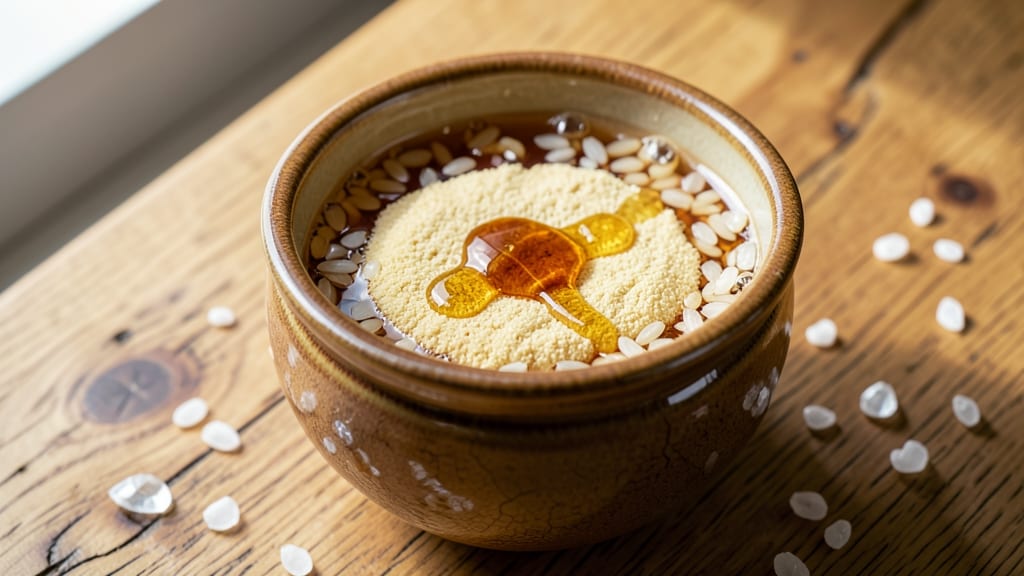
Fermented rice wine recipe transforms simple rice into a complex, probiotic-rich elixir with just three key ingredients and careful fermentation. This homemade process creates a tangy, slightly sweet beverage that's far more nuanced than store-bought alternatives.
I've perfected this method over years of experimentation, balancing traditional techniques with modern safety practices.
The foundation begins with properly prepared rice and koji starter—this fungal culture is what converts starches into fermentable sugars. After a precise 7-day fermentation period, the mixture develops its signature tangy depth while maintaining beneficial probiotics.
What you'll end up with is a beverage that's both functional and delicious, with alcohol content typically around 12-15% ABV depending on fermentation conditions.
Ingredients for fermented rice wine
Three core elements transform rice into a complex fermented elixir—precision matters at every stage.
| Ingredient | Amount | Notes |
|---|---|---|
| Short-Grain White Rice 🍚 | 2 cups | Uncooked, jasmine or sushi rice preferred |
| Koji Starter Culture 🍄 | ½ cup | Fresh koji powder or pre-fermented koji block |
| Shōchu or Neutral Grain Alcohol 🍶 | ½ cup | 70-80 proof, for fermentation initiation |
| Water 💧 | 4 cups | Filtered or distilled, room temperature |
| Raw Honey 🍯 | ¼ cup | Unprocessed, for sweetness and fermentation |
| Diamond Crystal Kosher Salt 🧂 | ½ tsp | Fine grain, for microbial balance |
| Lactobacillus Plantarum Starter 🦠 | 1 tbsp | Optional, for enhanced probiotic profile |
| Rice Vinegar 🍶 | 1 tbsp | For pH adjustment and preservation |
| Unsalted Butter 🧈 | 1 tbsp | Cold, for fat layering during fermentation |
The rice variety is non-negotiable here. Jasmine or short-grain sushi rice provides the optimal starch structure for fermentation, while long-grain varieties yield a thinner, less viscous final product. Koji starter is the critical catalyst—sourcing from a trusted supplier like Koji Dojo or Amazon Food ensures consistent fungal activity. For the alcohol component, shōchu adds authentic depth, but Everclear or vodka work in a pinch. The water should be filtered or distilled to avoid microbial contaminants that could disrupt fermentation. If you're aiming for a more probiotic-rich profile, Lactobacillus Plantarum starter cultures from Culture for Health elevate the functional benefits without compromising flavor.
No koji starter? Aspergillus oryzae spores can be cultivated at home, though it requires sterile conditions and patience. Substituting the honey with agave nectar maintains sweetness but alters fermentation dynamics slightly. For the alcohol, white rum at 70 proof introduces subtle caramel notes, while vodka remains neutral. The rice vinegar can be omitted if you're using a lactic acid starter, but it helps stabilize the pH during the critical first 48 hours. If you're sensitive to dairy, coconut oil replaces butter equally well—just ensure it's unrefined and cold-pressed to preserve nutritional integrity.
Fermented rice wine demands sterile equipment throughout. Sanitize all utensils with boiling water or 70% isopropyl alcohol before contact. The mixture should ferment at 70-75°F for optimal enzyme activity—use an aquarium thermometer to monitor temperature. Once bottled, store in a dark glass vessel away from direct sunlight to preserve color and probiotic viability. The final product keeps indefinitely in the refrigerator, though flavor complexity peaks after 3-6 months of aging. For gifting, amber glass bottles with airtight seals maintain quality during transport.
Why You'll Love This Recipe
- No-Koji Hassle: I’ll be real—this recipe only needs koji starter once, then it’s just rice, alcohol, and honey. No daily spoonfuls of koji powder or waiting weeks for a mold colony. Once you’ve got your starter going, it’s basically set-and-forget.
- Sweet & Funky Magic: That honey-koji combo? It’s like liquid caramel meets umami—smooth but with a tangy edge that lingers. The shōchu cuts through the sweetness just enough to make it dangerously drinkable straight or in cocktails.
- Pantry-to-Party Ready: Make a big batch (it keeps for months!) and pull it out for anything: drizzle over sushi, mix into marinades, or serve it chilled with spicy snacks. My go-to? A quick fermented rice wine lemonade when summer hits—instant crowd-pleaser.
- Cheaper Than Takeout: A single batch costs pennies per serving, and it stretches forever. No more ordering pricey sake or settling for store-bought rice wine that tastes like cleaning solvent. This? It’s the kind of deal that makes you want to ferment everything.
Step-by-step instructions for fermented rice wine
This method delivers a probiotic-rich, tangy elixir with precise fermentation control.
Prepare the Rice Base for Fermentation
Combine the 2 cups of short-grain white rice with the 4 cups of room-temperature water in a clean, non-reactive container. The rice should be fully submerged—this ensures even hydration and prevents mold growth. Use a sanitized spoon to stir gently, breaking up any clumps. Cover loosely with a clean cloth and let the mixture sit at room temperature for 24 hours. You'll notice the rice begins to sprout and develop a faintly sweet aroma as enzymes activate.
After 24 hours, drain the rice completely using a fine-mesh strainer, pressing gently to remove excess moisture. This step is critical—too much residual water can disrupt fermentation balance. Spread the drained rice on a clean towel to air-dry for 30 minutes. The rice should feel slightly tacky but not wet to the touch. This preparation creates the ideal substrate for koji development.
Initiate Fermentation with Koji and Alcohol
In a separate sanitized bowl, mix the 0.5 cup of koji starter culture with the 0.5 cup of shōchu or neutral grain alcohol. The alcohol serves as a fermentation catalyst while the koji introduces essential enzymes. Sprinkle this mixture evenly over the prepared rice, working it in with your hands until thoroughly combined. The rice should appear uniformly coated with a faintly yellowish dusting from the koji.
Transfer the mixture to a fermentation vessel with an airlock or loose lid. Place it in a dark, warm location (75-80°F) for 48 hours. You'll observe the rice developing a slightly sour aroma and a thin white mycelial layer—this indicates successful koji activity. After 48 hours, add the 0.25 cup of raw honey and 0.5 tsp of diamond crystal kosher salt, mixing gently to distribute evenly. The honey provides fermentable sugars while the salt regulates microbial activity.
Develop Probiotic Profile and Acidify
Add the 1 tbsp of lactobacillus plantarum starter and 1 tbsp of rice vinegar to the fermentation vessel. The lactobacillus introduces beneficial bacteria while the rice vinegar creates an acidic environment that inhibits harmful microbes. Seal the vessel and continue fermentation at room temperature for 7 days, stirring gently once daily to prevent mold formation. You'll notice increasing effervescence and a developing tangy aroma—this indicates active fermentation.
On the 7th day, add the 1 tbsp of cold unsalted butter to the mixture. The butter creates a protective fat layer that helps preserve the fermentation while adding subtle richness. Stir thoroughly to emulsify the butter into the liquid portion. The mixture should now have a thick, slightly viscous consistency with visible probiotic activity. This is the optimal point for secondary fermentation.
Secondary Fermentation and Maturation
Transfer the fermented mixture to a glass jar with an airlock and continue fermentation for an additional 14-21 days. During this period, the alcohol content will increase while the probiotic profile matures. Store the jar in a cool, dark place (60-65°F) to slow fermentation without stopping it completely. You'll observe continued carbonation and a deepening of the tangy flavor profile.
After 21 days, taste the mixture through the airlock. It should have developed a complex flavor with both sweet and acidic notes. If you prefer a stronger alcoholic profile, continue fermentation for up to 30 days. Once you reach your desired flavor, strain the mixture through a fine cheesecloth or coffee filter into sanitized bottles. The resulting liquid is your fermented rice wine, ready to be enjoyed or further aged.
Pro Tips For Making Fermented Rice Wine
- Rinse Rice Twice: I learned this the hard way—skipping the second rinse leaves too much starch clinging to the grains, which gums up the koji fermentation and throws off the balance. Use cold water, swirl gently, then drain. Repeat. The water should run nearly clear the second time.
- Sterilize Your Hands: Wild yeast and bacteria are everywhere, and they’ll hijack your koji if you’re not careful. Wash your hands with hot, soapy water right before handling the koji starter, and maybe even swab your work surface with a 50/50 vinegar-water mix. Trust me, your future self will notice the difference in clarity and aroma.
- Use Cold Alcohol: Pouring warm or room-temperature shōchu into the fermenting rice kills the koji’s enzymes faster than you’d think. Chill the alcohol first—just pop the bottle in the fridge for 10 minutes—and add it slowly to the rice mixture. The koji will thank you with a cleaner, more consistent fermentation.
- Skip the Honey at First: Raw honey is delicious, but adding it too early can spike the sugar levels and create a race for the yeast, leading to off-flavors or even mold. Wait until day 3 or 4 of fermentation, when the koji has already done its work, before mixing in the honey. This keeps the fermentation smooth and predictable.
Creative variations of this recipe
Sweet vs. Dry Profiles
For a sweeter fermented rice wine, increase the honey to 0.5 cup and reduce fermentation time to 14 days. I often add 1 tsp vanilla bean paste during the secondary stage for aromatic depth.
For a dry profile, keep honey at 0.25 cup and extend fermentation to 30 days—this allows more complete sugar conversion. The dry version pairs beautifully with spicy Asian dishes, while sweet versions complement desserts. 🍯
Fruit-Infused Variations
Add ½ cup chopped fruit (like lychee, mango, or berries) during the final 7 days of fermentation for infusion. I recommend using frozen fruit to prevent over-fermentation.
For a tropical twist, try pineapple and ginger—simmer ¼ cup pineapple juice with 1 tsp grated ginger and add it to the mixture on day 14. The fruit softens during fermentation, creating a naturally sweetened, aromatic wine. 🍍
Herbal and Spiced Adaptations
For herbal variations, steep 1 tbsp dried herbs (like lavender, rosemary, or mint) in 1 cup hot water for 10 minutes, then strain and add to the fermentation vessel on day 7. I love a citrus-herb blend with lemon peel, thyme, and a pinch of Penzeys' cardamom.
For spiced versions, add ½ tsp cinnamon or ¼ tsp star anise during the secondary fermentation—these spices add warmth without overpowering the rice base. 🌿
Probiotic-Boosting Additions
Enhance the functional benefits by adding 1 tbsp sauerkraut juice on day 3—this introduces additional lactobacillus strains. For a gut-health supercharger, blend 1 tbsp kimchi into the mixture on day 7.
Both additions deepen the tangy profile while increasing probiotic diversity. Store these enhanced versions in amber glass bottles to protect light-sensitive compounds. 🦠
Regional Style Adaptations
For a Japanese-inspired version, replace honey with mirin (a sweet rice wine) and add 1 tsp umeboshi paste during secondary fermentation. This creates a sake-like profile with umami depth.
For a Chinese huangjiu style, use yellow rice (fermented with Aspergillus flavus) and add ½ tsp five-spice powder on day 14. Both regional styles benefit from aging 6-12 months for maximum complexity. 🗺️
Low-Alcohol and Non-Alcoholic Options
To reduce alcohol content, shorten fermentation to 10-14 days and use less koji (try 0.25 cup instead of 0.5 cup). For a completely non-alcoholic version, replace the alcohol with extra rice vinegar (add 2 tbsp on day 1) and ferment for only 7 days.
This creates a probiotic-rich rice vinegar alternative perfect for dressings or marinades. 💛
Nutrition facts
Frequently asked questions
How do I know my koji starter is active and ready to use?
Active koji should appear as a fluffy, yellowish-white mold growth with a slightly sweet, earthy aroma. If it smells musty or looks slimy, discard it immediately. For best results, use koji within 2 weeks of purchase or preparation. Store it in an airtight container in the fridge to preserve freshness.
Can I make this fermented rice wine without koji?
Technically yes, but the flavor and fermentation process will differ significantly. Without koji, you can substitute with Aspergillus oryzae spores or 1 tbsp brewer's yeast per 2 cups of rice. However, the resulting beverage will lack the complex umami depth and probiotic benefits of traditional koji fermentation. The alcohol content may also be lower.
What's the best way to store homemade fermented rice wine?
Store your finished wine in dark glass bottles with airtight seals to protect it from light and oxidation. Keep it refrigerated at 40-50°F to slow aging. Properly stored, it will maintain quality for 1-2 years. For long-term preservation, consider adding 1 tsp grape tannin per bottle before sealing to extend shelf life.
How do I adjust the alcohol content in my fermented rice wine?
To increase alcohol, extend fermentation to 30 days and use 0.75 cup of koji. For lower alcohol (5-8% ABV), reduce fermentation to 10-14 days and use 0.25 cup of koji. Always monitor temperature—75-80°F is ideal for optimal yeast activity. Use a hydrometer to track alcohol development during fermentation.
What should I do if mold appears during fermentation?
If you see green, black, or fuzzy mold, discard the batch immediately—it's unsafe to consume. Prevent mold by using sterile equipment, maintaining 65-75% humidity, and storing in a cool, dark place. To salvage a good batch, skim off any surface mold and continue fermentation if the bulk mixture remains clear and smells properly tangy.