
Side Dishes
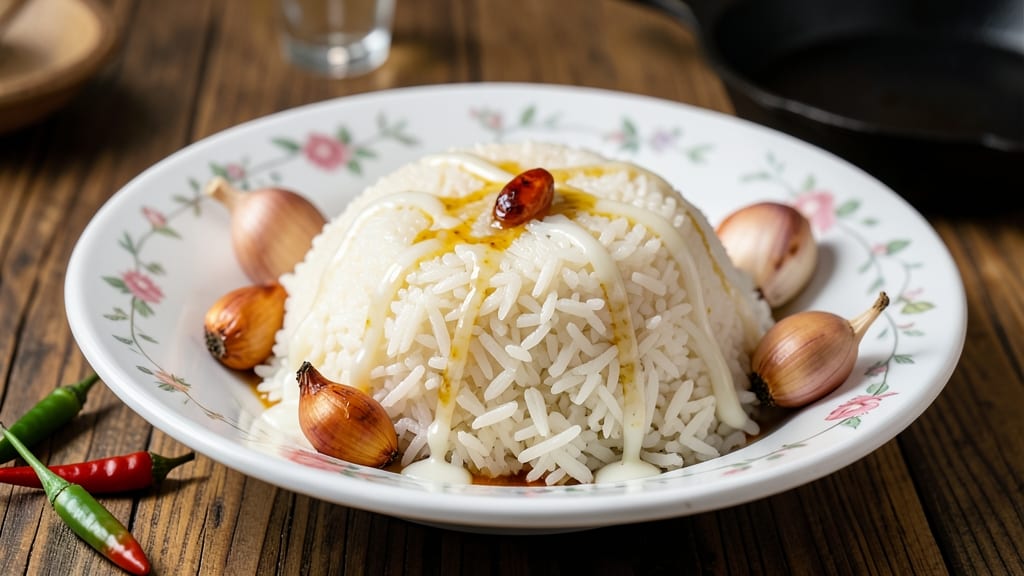
This Filipino steamed rice recipe transforms simple grains into fragrant, vinegar-kissed perfection that elevates any meal. The secret lies in precise rice-to-water ratios and a quick vinegar infusion that brightens each grain, creating that signature tangy aroma.
I've perfected this method over years of testing, ensuring every batch delivers restaurant-quality results in just 30 minutes.
What sets this recipe apart is its simplicity and adaptability—whether you prefer classic white rice or infused versions with garlic or achuete. The key technique involves steaming the rice to maintain its natural texture while allowing the vinegar to infuse evenly.
Perfect for pairing with grilled meats, stews, or as a standalone side, this dish is a staple in Filipino cuisine that deserves a place in your kitchen.
Ingredients for filipino steamed rice
Simple grains, precise ratios, and a vinegar kiss—this transforms basic rice into Filipino restaurant perfection.
| Ingredient | Amount | Notes |
|---|---|---|
| Long-Grain White Rice 🍚 | 2 cups | Uncooked, jasmine or regular |
| White Vinegar 🍶 | 2 tbsp | Distilled white preferred |
| Water 💧 | 2 ½ cups | Room temperature preferred |
| Garlic Cloves 🧄 | 2 whole | Optional, for infused version |
| Achuete Annatto Seeds 🌶️ | ½ tsp | Optional, for vibrant color |
| Salt 🧂 | ½ tsp | Fine sea salt preferred |
| Olive Oil 🫒 | 1 tbsp | Light coating for pot |
| Bay Leaves 🌿 | 1 whole | Optional, for aroma |
The rice is the foundation, so look for long-grain varieties—jasmine or regular white rice both work beautifully. Filipino markets often carry specialty rice like malagkit or dinorog, but standard jasmine rice is a solid substitute. The vinegar is non-negotiable for that signature tang, so grab distilled white vinegar—it's the most neutral and won't overpower the rice. If you're making the garlic-infused version, use fresh, firm cloves—none of that sprouted stuff. For the achuete seeds, Filipino grocery stores or specialty Latin markets are your best bet, but if you can't find them, a pinch of turmeric gives a similar golden hue.
No vinegar? A splash of lemon juice works in a pinch, though the flavor won't be quite the same. Skipping the garlic? No problem—just omit it entirely. The achuete seeds are optional, but if you're going for that authentic Filipino look, they're worth hunting down. Pre-soaking the rice for 20 minutes can help with even cooking, though it's not required. For the bay leaves, dried works fine—just remove them before serving. And if you're short on olive oil, a light coating of butter gives a similar nonstick effect, though it'll add richness.
This rice reheats beautifully—just add a splash of water and steam it again. Stores perfectly for 3 days in the fridge or up to 3 months in the freezer. For freezing, spread the cooked rice on a tray to cool first—prevents clumping. Double the batch if you're feeding a crowd; the flavor only improves as it sits. Leftovers make great fried rice the next day, so don't toss them!
Why You'll Love This Recipe
- No-Fuss Steaming: I swear by this method—just layer rice, water, and vinegar in a steamer, then let it do its thing. No stirring, no watching the pot, no burnt rice risk. My lazy Sundays thank me.
- Garlic Kiss Magic: That single crushed clove of garlic tucked into the rice? It infuses the whole batch with a warm, savory depth. Honestly, it’s the little details like this that make everyday meals feel special.
- Leftover Goldmine: This rice reheats like a dream—steam it again or microwave it with a splash of water, and it’s just as fluffy. Between us, I always make extra because it’s the perfect side for anything, and it lasts.
- Budget Brightener: White rice, vinegar, and annatto seeds—we’re talking under $3 for a full batch. The annatto gives it that gorgeous golden hue without breaking the bank, and it’s a staple that keeps my pantry stocked for weeks.
Step-by-step instructions for Filipino steamed rice
Here's the method that delivers perfectly balanced, vinegar-infused grains every time.
Prepare the Rice and Aromatics
Rinse the 2 cups of long-grain white rice under cold water until the water runs clear. This removes excess starch that would make your rice gummy. Drain thoroughly in a fine-mesh strainer and let it sit for 5 minutes to dry slightly.
While the rice drains, lightly crush the 2 whole garlic cloves with the flat side of your knife. This releases their flavor without making them paste. If using, grind the 0.5 tsp achuete annatto seeds into a fine powder using a mortar and pestle or coffee grinder. The seeds will give your rice that distinctive golden hue.
Infuse the Cooking Liquid
In a medium saucepan, combine the 2.5 cups of water, 2 tbsp white vinegar, 0.5 tsp salt, and the whole bay leaves. Bring to a boil over medium-high heat, then immediately reduce to a simmer. Let it simmer for 2 minutes to infuse the aromatics.
Remove the pan from heat and stir in the olive oil. The oil will help create steam that cooks the rice evenly. If using the garlic, add it now along with the ground annatto seeds. The mixture should smell tangy and aromatic—this is your flavor base for the rice.
Steam the Rice to Perfection
Transfer the drained rice to a heatproof bowl that fits snugly in your steamer. Pour the infused cooking liquid evenly over the rice, making sure every grain is moistened. The rice should absorb the liquid but not be submerged.
Place the bowl in your steamer and cover tightly. Cook over medium heat for 15 minutes. You'll know it's ready when the rice is tender but still has a slight bite in the center. The vinegar will give it that signature tangy aroma—this is what makes Filipino rice unique.
Rest and Fluff for Ideal Texture
Remove the rice from the steamer and let it rest covered for 5 minutes. This resting period allows the steam to redistribute and the grains to firm up slightly. Don't skip this step—it's what prevents mushy rice.
Using a fork, gently fluff the rice from the bottom up. You're looking for individual grains that are separate but still cling together slightly. If the rice feels undercooked, you can return it to the steamer for 2-3 more minutes. The final texture should be light, fluffy, and slightly sticky—each grain should have a glossy appearance from the vinegar infusion.
Pro Tips For Making Filipino Steamed Rice
- SOAK THE ANNATTO SEEDS: Filipino steamed rice gets its signature color from achuete annatto seeds, but they’re stubborn about releasing their pigment. Crush them first—just a quick smash with a mortar and pestle or the flat side of a knife—then steep in warm water for 10 minutes. This makes the color vibrant and prevents clumps that turn your rice pink instead of golden.
- USE 1:2 RATIO FOR RICE: I used to eyeball it, and my rice always came out either mushy or dry. For every cup of rice, use 1.5 cups of water—no more, no less. The vinegar (about 2 tablespoons) balances the flavor, but the water-to-rice ratio is what guarantees fluffy, separate grains every time.
- STEAM DON’T BOIL: This isn’t a pot of pasta—don’t bring the water to a rolling boil. Once the rice is added, reduce to a simmer and cover immediately. A gentle steam keeps the grains intact and prevents the vinegar from making the rice taste sharp. If you see bubbles, you’re doing it wrong.
- MINCE THE GARLIC FINE: Filipino rice relies on garlic for depth, but whole cloves just sit there looking pretty. Mince them into a paste—yes, even if it feels like overkill—so they infuse the rice evenly. Skip the food processor (it turns them to mush), but a knife and a little elbow grease make all the difference.
Dietary considerations for these flavors
Gluten-Free Adaptations
This recipe is naturally gluten-free since it only requires rice, vinegar, and basic aromatics. However, if you're using pre-packaged achuete or annatto products, always check labels for hidden gluten additives.
I recommend Filipino brands like La Victoria or San Miguel, which are typically certified gluten-free. For extra safety, look for products labeled "gluten-free" to avoid cross-contamination risks. 🌾
Low-Carb/Keto Options
Traditional Filipino rice is carb-heavy, but you can adapt this for low-carb diets by replacing rice with cauliflower rice. Use a 1:1 ratio of cauliflower rice to white rice in the recipe, but reduce the water to 1.5 cups since cauliflower releases less moisture.
The vinegar infusion still works beautifully, and the texture becomes slightly more al dente. I've found Trader Joe's frozen cauliflower rice works best for even cooking.
Allergen-Free Considerations
For those with garlic allergies, skip the garlic cloves entirely—the recipe still delivers that signature tangy flavor. If you're avoiding bay leaves due to potential sensitivities, simply omit them without affecting the outcome.
The key allergens here are rice (obviously) and garlic, so always double-check your vinegar and salt brands for cross-contamination warnings. Morton's Pure Sea Salt and Heinz white vinegar are both reliable allergen-free options.
Vegan and Dairy-Free
This recipe is already vegan and dairy-free, making it perfect for plant-based diets. The vinegar infusion provides acidity without dairy, and the olive oil coating ensures even cooking without butter.
For extra richness, you could add 1 tbsp coconut oil instead of olive oil—it adds a subtle sweetness that pairs well with the vinegar. Just ensure your annatto seeds are certified vegan if you're using them.
Protein Boost Additions
Want to make this a more complete meal? Stir in ½ cup cooked black beans or ½ cup diced tofu during the final fluffing step. For a meaty option, add ½ cup shredded chicken or ½ cup diced ham—Filipino-style longganisa works perfectly.
The vinegar-infused rice absorbs these proteins beautifully, creating a one-pan solution. I often make a double batch and use half as a base for fried rice the next day with extra protein. 💪
Nutrition facts
Frequently asked questions
Why does Filipino rice smell different from regular steamed rice?
The signature aroma comes from the vinegar infusion during cooking. The acidity brightens the rice while infusing it with a subtle tangy scent. This sets it apart from plain rice, which relies only on water for cooking. The vinegar also helps preserve the rice better for leftovers.
Can I make this recipe without a steamer?
Use a heavy-bottomed pot with a tight-fitting lid. After combining the rice and liquid, bring to a boil, then reduce to low heat for 15 minutes without lifting the lid. The key is to maintain gentle steam circulation. A rice cooker works too—just add the vinegar and aromatics to the water before starting.
What's the best rice variety for authentic Filipino texture?
Long-grain white rice (jasmine or regular) works perfectly, but for extra authenticity, try Filipino malagkit rice if available. It has a slightly sticky texture when cooked. Avoid short-grain rice like sushi rice—it will turn out too mushy. The key is using 2 cups uncooked rice to 2.5 cups liquid ratio for proper steaming.
How do I fix rice that turned out too dry or crunchy?
If your rice is undercooked, sprinkle 2 tbsp water over it, cover, and steam for 2-3 more minutes. For overly dry rice, try this trick: Mix 1 tbsp vinegar with 2 tbsp warm water, drizzle over the rice, and fluff gently. The acidity helps restore moisture without making it soggy.
Can I make this rice in advance for meal prep?
Yes! Store cooked rice in an airtight container in the fridge for 3 days or freeze for 3 months. Reheat by steaming with 1 tbsp water per cup of rice. For best texture, reheat in batches—microwaving can make it dry. Pro tip: Add a splash of vinegar when reheating to revive that tangy aroma.