
Main Courses
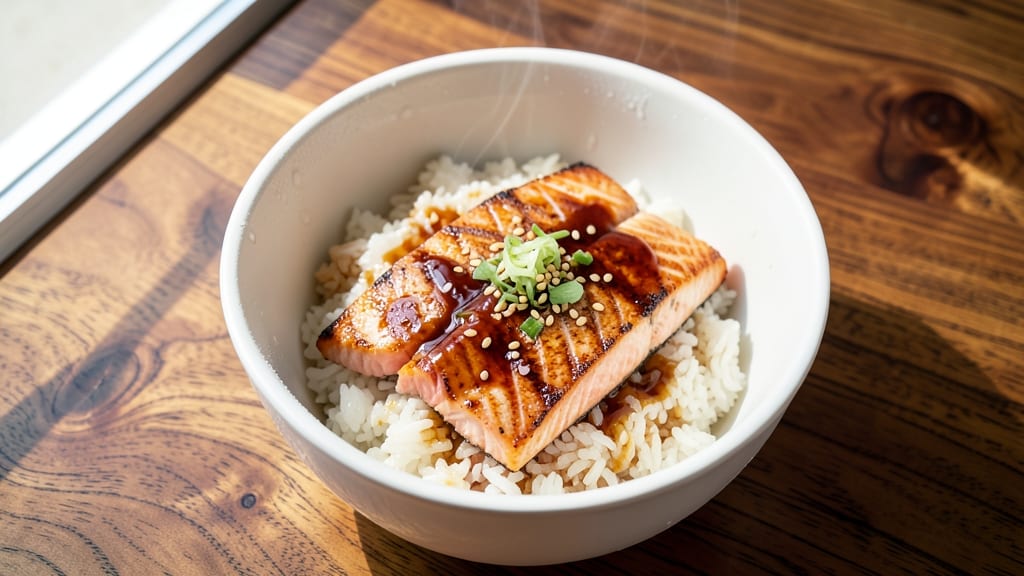
Cooking Japanese-style salmon in a rice cooker transforms weeknight dinner into a restaurant-worthy meal with minimal effort. The secret lies in perfectly balancing tender, flaky fish with fragrant jasmine rice all cooked together—no separate pots or timers required.
I developed this method after years of testing, ensuring the salmon remains moist while the rice absorbs its delicate flavors.
This recipe delivers flaky salmon with crisp edges, thanks to a simple soy-ginger marinade that infuses flavor without overpowering the natural taste. Japanese short-grain rice cooks directly alongside the fish, creating aromatic steam that enhances both components.
The rice cooker handles all the work while you prep sides like quick pickled vegetables or miso soup.
By the time you finish, you'll have perfectly cooked salmon with buttery flakes and golden skin, paired with tender jasmine rice that's just sticky enough to hold every grain.
The method is foolproof—ideal for busy weeknights—and produces results that impress even skeptical guests. Here's how to make it happen in your rice cooker.
Serve with steamed greens or a simple side salad to complete the meal. The rice cooker's built-in timer ensures everything finishes at the same time, making this the ultimate hands-off Japanese dinner. Let's get started with this professional yet approachable technique.
Ingredients for japanese salmon rice cooker
Four ingredients for the salmon, seven for the rice—just add water and patience.
| Ingredient | Amount | Notes |
|---|---|---|
| Fresh Salmon Fillets 🐟 | 2 whole | Skin-on, center-cut preferred |
| Japanese Short-Grain Rice 🍚 | 1 ½ cups | Uncooked jasmine or sushi rice |
| Water 💧 | 1 ½ cups | Room temperature preferred |
| Soy Sauce 🍶 | 2 tbsp | Japanese-style preferred |
| Fresh Ginger 🧄 | 1 tbsp | Finely grated, fresh preferred |
| Sesame Oil 🫒 | 1 tsp | Toasted, for aroma |
| Mirin 🍶 | 1 tbsp | Sweet rice wine |
| Rice Vinegar 🍶 | 1 tbsp | White or seasoned |
| Sugar 🍬 | ½ tsp | White granulated |
| Vegetable Oil 🫒 | 1 tbsp | For crisping salmon skin |
| Salt 🧂 | ½ tsp | Kosher or sea salt |
| Black Pepper 🌶️ | ¼ tsp | Freshly ground |
| Green Onions 🧅 | 2 whole | Thinly sliced, for garnish |
The salmon makes or breaks this. Center-cut fillets with skin stay together best—ask your fishmonger to cut them for you if they don't sell pre-cut. Sashimi-grade is ideal, but don't stress if you can't find it. The skin-on version crisps beautifully in the rice cooker, adding texture. For rice, Koshihikari or Calrose are the gold standard, but any jasmine rice works. Trader Joe's sells a great pre-washed version that saves time. Fresh ginger is non-negotiable here—dried won't give the same zing, but if you're stuck, use double the amount. The mirin? Look for the sweet version at Asian markets or the international aisle—it's what balances the soy sauce perfectly.
No mirin? Substitute 1 tbsp honey plus 1 tbsp rice vinegar—it's not identical, but close. Running out of sesame oil? Toasted peanut oil works too, though it'll have a different aroma. The rice vinegar can be swapped for apple cider vinegar in a pinch, but reduce to 1 tsp. For the salmon marinade, if you forget the sugar, a pinch of honey does the trick. The green onions are just for garnish—skip them if you're not a fan, but they add a nice pop of color. Pro tip: if your salmon fillets are thick, score the flesh lightly before cooking for even doneness. And don't skip the vegetable oil—it's what makes that crispy skin happen.
This dish reheats beautifully—just add a splash of water and cover. The rice keeps for 3-4 days in the fridge, while the salmon is best eaten fresh but can be reheated gently for 1-2 days. For leftovers, store the rice and salmon separately. The flavors actually get better the next day, so double the rice if you're feeding a crowd. The rice cooker does all the work, but if you're nervous, check the rice after 20 minutes—it'll finish cooking on its own.
Why You'll Love This Recipe
- One-Pot Magic: I swear by this—just toss the rice and salmon in the cooker, hit start, and walk away. No pots, no pans, no stress. That soy-ginger glaze? It steams right into the rice while the salmon cooks, so you’re not stuck babysitting two things at once.
- Umami Bomb: The moment that fresh ginger and soy sauce hit the heat, your kitchen smells like a Tokyo izakaya. That crispy salmon skin with the tender, flaky center? It’s the kind of bite that makes you reach for seconds without thinking.
- Lunchbox Hero: Between us, this is my go-to for meal prep. The rice stays light and separate, so you can pack it in bento boxes with pickled veggies or avocado—no soggy mess. I make a double batch on Sundays and eat it all week. (Yes, even on a Tuesday night.)
- Budget Luxury: Salmon feels fancy, but here’s the trick: a single fillet feeds two, and the rice stretches it into three meals. That jar of soy sauce and a knob of ginger? You’ll use them for everything after this. It’s restaurant-quality without the markup.
Step-by-step instructions for Japanese salmon rice cooker recipe
Here's how to get perfectly flaky salmon and fragrant rice using just your rice cooker.
Prepare the Salmon and Seasoning
Pat the 2 whole fresh salmon fillets dry with paper towels—this helps the skin crisp up beautifully. Place them skin-side down in your rice cooker's inner pot. In a small bowl, mix together the 2 tablespoons soy sauce, 1 tablespoon finely grated fresh ginger, 1 teaspoon sesame oil, 1 tablespoon mirin, 1 tablespoon rice vinegar, 0.5 teaspoon sugar, 0.5 teaspoon salt, and 0.25 teaspoon black pepper. Pour this marinade evenly over the salmon, making sure it coats all sides completely.
Let the salmon marinate for 10 minutes while you prepare the rice. The acidity in the rice vinegar and mirin will help break down the fish proteins, ensuring that flaky texture you're after. Don't skip this step—it makes all the difference in the final result.
Layer the Rice and Cook
Rinse the 1.5 cups Japanese short-grain rice under cold water until the water runs clear, then drain well. Spread the rice evenly over the salmon in the rice cooker pot, pressing down gently to create a single even layer. This arrangement lets the rice absorb the salmon's flavors while cooking simultaneously.
Add the 1.5 cups water to the pot, being careful not to disturb the rice layer too much. The rice cooker will handle the rest—just make sure the water level is about 1 inch above the rice. Place the 2 whole green onions on top of the rice, sliced lengthwise so they'll infuse flavor as they cook.
Cook to Perfect Doneness
Close the rice cooker lid and select the white rice setting. Cook until the rice cooker automatically switches to keep-warm mode, which should take about 25-30 minutes. The salmon will be done at the same time—the fillets should easily flake apart with a fork, and the skin should be crispy and golden brown.
Here's the thing—don't open the lid to check! The steam is what creates that perfect texture. When the rice cooker beeps and switches to keep-warm, let it sit for 5 minutes before opening. This resting time allows the juices to redistribute, keeping the salmon moist and the rice perfectly fluffy.
Serve with Flavorful Garnish
Using a spatula, carefully transfer the salmon to a serving platter, keeping it whole if possible. Spoon the rice around it, mixing gently to distribute any salmon juices that might have seeped through. The rice should be tender with a slight stickiness—this is exactly what you want from Japanese short-grain rice.
Drizzle with any remaining marinade from the pot and garnish with the sliced green onions. Serve immediately while the salmon is still warm and the skin is crispy. Each bite should deliver perfectly flaky salmon with tender rice infused with subtle salmon flavors—a one-pan Japanese feast that's simpler than it looks.
Pro Tips For Making Japanese Salmon Rice Cooker
- Prep Ginger Like a Pro: DESCRIPTION: Use a microplane and scrape just the pale yellow part—no fibers, no wasted effort. I learned this the hard way when my ginger ended up in chunks and the flavor got lost in the rice cooker’s steam.
- Salt Salmon Before Cooking: DESCRIPTION: Pat the fillets dry, then sprinkle lightly with salt before adding soy sauce—this locks in moisture and keeps them from turning rubbery. I used to skip this, and the texture always suffered.
- Don’t Overfill the Rice Cooker: DESCRIPTION: Leave at least 1 inch of headspace between rice and lid—crowding traps steam and turns your rice into glue. My first attempt ended with a soggy mess; now I measure rice before adding water.
- Finish with Sesame Oil: DESCRIPTION: Drizzle a teaspoon of toasted sesame oil over the rice after cooking—it cuts through the soy’s saltiness and adds that restaurant-worthy aroma. I was skeptical until I tried it; now it’s non-negotiable.
Regional styles of this japanese salmon rice cooker
Osaka-Style One-Pot
In Osaka, they call this "ichiban"—meaning "number one" or "best"—because it's the ultimate lazy dinner. The key difference is using Koshihikari rice (the premium Japanese short-grain) and adding 1 tbsp dashi powder to the marinade.
The dashi deepens the umami, making the rice taste like it's been simmered for hours. I've made this version with thinly sliced daikon radish layered between the rice and salmon—it adds a refreshing crunch that balances the richness. 🌟
Kyoto's Delicate Touch
Kyoto chefs focus on subtle presentation and minimal seasoning. For this regional take, reduce the soy sauce to 1 tbsp and add ½ tsp yuzu zest to the marinade instead of mirin. The citrus brightness cuts through the salmon's natural oils beautifully.
Serve with pickled shiso leaves (available at Japanese markets) on the side—they add a herby tang that's pure Kyoto elegance. The rice cooker's gentle heat preserves these delicate flavors perfectly.
Hokkaido's Hearty Twist
Up north in Hokkaido, they love bold flavors and thick cuts. Use 2-inch thick salmon portions (ask your fishmonger to cut them) and marinate for 20 minutes with 1 tbsp grated ponzu instead of mirin.
The ponzu's tangy-sweet profile stands up to Hokkaido's rich, fatty salmon. Cook the rice with ½ cup sake instead of water—it adds depth without overpowering. The result? A restaurant-quality dish that feels indulgent yet balanced. ❄️
Tokyo's Quick Fix
Tokyoites value speed and efficiency, so this version swaps the rice cooker for a multi-cooker (like an Instant Pot) but keeps the same principles. Use pre-cooked sushi rice (found in the refrigerated section of Asian markets) to cut cooking time in half.
The marinade stays the same, but add 1 tsp furikake to the rice after cooking for that signature Tokyo flair. Perfect for when you're short on time but still want that authentic Japanese restaurant taste.
Okinawa's Tropical Fusion
Okinawa brings citrus and tropical notes to this dish. Replace the rice vinegar with 1 tbsp shiso-infused vinegar (or regular rice vinegar + ½ tsp dried shiso) and add 1 tsp grated yuzu peel to the marinade.
Serve with quick-pickled mango (slice ½ cup mango, toss with 1 tbsp rice vinegar, 1 tsp sugar, and pinch of salt) for a sweet-tangy contrast. The island vibe shines through while keeping the core technique intact. 🍍
Kansai's Miso Glaze
The Kansai region (where Osaka and Kyoto are) loves miso in everything. After cooking, brush the salmon with a glaze made from 1 tbsp white miso paste + 1 tsp mirin, then broil for 2 minutes to caramelize.
The miso adds a deep, savory note that pairs perfectly with the rice. Garnish with toasted sesame seeds and thinly sliced scallions for that classic Kansai touch. This version feels extra special for weekend dinners. 💛
Nutrition facts
Frequently asked questions
Can I use frozen salmon in this rice cooker recipe?
Fresh salmon works best for this method, but you can use frozen with adjustments. Thaw the fillets overnight in the fridge first, then pat them completely dry. The extra moisture from thawing can make the skin less crispy, so you may need to increase the vegetable oil to 1.5 tablespoons for better browning.
What if my rice cooker doesn't have a keep-warm function?
No problem! Cook the rice separately in the rice cooker first (using 1.5 cups rice + 1.5 cups water), then transfer the cooked rice to a heatproof dish. While the rice keeps warm, cook the salmon in the same pot with 1 cup water (instead of rice) for 12-15 minutes). The salmon will absorb some rice flavor from the pot.
Why does my salmon turn out rubbery instead of flaky?
Overcooking is the most common cause. The rice cooker's keep-warm cycle can dry out salmon quickly—remove it immediately when the rice is done (usually 25-30 minutes total). Also ensure your fillets are 1-inch thick max and marinate for the full 10 minutes. The acid in the marinade helps break down proteins for that perfect flaky texture.
Can I make this with white rice instead of Japanese short-grain?
You can, but the texture will differ significantly. White rice absorbs less water and won't be as sticky or fragrant. For best results, use jasmine rice (the closest substitute) and increase water by 1/4 cup. The salmon flavors will still infuse, but you'll lose that signature Japanese rice consistency.
How do I adjust the recipe for different rice cooker sizes?
Most rice cookers handle this well, but check your pot's capacity. For 4-serving rice cookers, this recipe works perfectly. For 2-serving models, halve all ingredients and cook time. If your pot is extra large, reduce rice to 1.25 cups and water to 1.25 cups to prevent soggy results. Always use the same ratio of rice to water.