
Main Courses
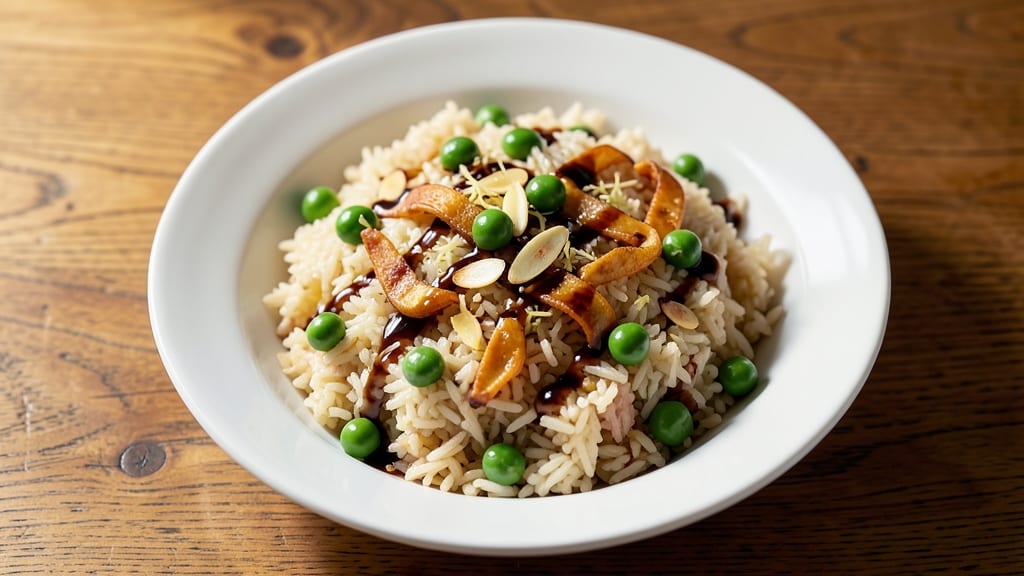
Gordon Ramsay's fried rice recipe delivers wok-heated perfection with crispy egg, sweet peas, and perfectly balanced flavors—just like his signature dishes. The secret lies in high-heat searing and the "wok hei" technique, where the rice absorbs smoky aromas from the wok.
I’ve adapted his professional methods for home cooks, ensuring every bite is crisp at the edges and tender inside.
This recipe starts with day-old rice—never fresh—because it prevents mushiness. We’ll stir-fry scrambled eggs until golden, then add peas and rice, tossing everything in a hot wok with garlic, ginger, and soy sauce.
The key is speed: high heat and constant motion keep the rice from sticking. Ramsay’s approach balances umami, sweetness, and a touch of heat, making it restaurant-quality at home.
By the end, you’ll have fragrant, slightly charred fried rice with a crisp texture and deep savory notes. Garnish with green onions and sesame seeds for freshness, or top with a fried egg for extra richness.
The dish is ready in under 20 minutes—ideal for a quick yet impressive weeknight meal.
Perfect for feeding a crowd or meal prepping, this fried rice adapts easily with proteins like shrimp or chicken. Let’s get cooking—your taste buds will thank you for the professional results.
Ingredients for gordon ramsay fried rice
Day-old rice, crispy eggs, and smoky aromas—this is Ramsay’s signature fried rice, adapted for home kitchens.
| Ingredient | Amount | Notes |
|---|---|---|
| Day-Old Cooked White Rice 🍚 | 4 cups | Cold or room temperature preferred |
| Large Eggs 🥚 | 4 whole | Fresh, room temperature for scrambling |
| Fresh Peas 🌱 | 1 cup | Frozen works in a pinch (thaw first) |
| Garlic Cloves 🧄 | 4 cloves | Minced, for aromatic base |
| Fresh Ginger 🌿 | 1 tbsp | Finely grated, zesty kick |
| Light Soy Sauce 🍶 | 3 tbsp | Kikkoman preferred for balance |
| Oyster Sauce 🍜 | 1 tbsp | For umami depth (Kewpie brand) |
| Sesame Oil 🫒 | 1 tsp | Toasted, for nutty aroma |
| Vegetable Oil 🫒 | 3 tbsp | High smoke point for wok |
| Green Onions 🧅 | 3 whole | Thinly sliced, for fresh garnish |
| Toasted Sesame Seeds 🌰 | 1 tsp | For crunchy texture contrast |
| Salt 🧂 | ½ tsp | Diamond Crystal kosher preferred |
| White Pepper 🌶️ | ¼ tsp | Freshly ground for subtle heat |
| Sriracha 🌶️ | ½ tsp | Optional, for heat adjustment |
The rice is non-negotiable—day-old only, never fresh. Jasmine or basmati work best, but any white rice will do. I cook mine in bulk on Sunday so it’s ready for quick weeknight meals. For the eggs, room temperature is key—they scramble faster and more evenly. Peas? Fresh is ideal, but frozen works if you thaw them first and drain well. The garlic and ginger should be freshly minced—pre-minced jars lack the punch. Kikkoman soy sauce is my go-to for light soy, but any good-quality brand works. For oyster sauce, Kewpie has a cleaner flavor than some others.
No sesame oil? Toasted peanut oil works in a pinch, though it’s not the same. Short on peas? Carrots or corn add sweetness, but adjust the soy sauce to balance. The sesame seeds can be skipped if you’re out, but the crunch is worth it. For extra umami, fish sauce or Worcestershire can replace oyster sauce. The white pepper is subtle—skip it if you prefer black, but it keeps the dish looking clean. And if you’re feeling adventurous, add shrimp or chicken to bulk up the protein, but keep the stir-fry fast to avoid overcooking.
This reheats beautifully—just toss with a splash of water and heat through. Keeps 4-5 days in the fridge, frozen for 3 months. I double the batch and freeze half for lazy days. The wok hei flavor gets even better the next day as the aromas meld. Garnish with green onions and sesame seeds right before serving—they lose their pop if added early. For a restaurant finish, crack a fried egg on top right before eating.
Why You'll Love This Recipe
- I’ll be real: this recipe uses stuff I always have lying around. Day-old rice? Perfect. Eggs? Cheap and versatile. Garlic and ginger? Last for weeks. It’s the kind of dish that turns a $5 grocery run into a satisfying meal without breaking the bank or my willpower.
- No-Chop Nightmare: I swear by this recipe when I’m too tired to slice anything—just minced garlic and ginger, no dice needed. The eggs scramble in seconds, and the peas? Toss them in raw—they’ll soften perfectly while everything else gets crispy.
- Umami Bomb: That first bite of garlic-fried rice with the eggs still runny in the center? It’s a flavor explosion. The ginger adds this bright, zesty kick that cuts through the richness, and the peas? They bring a fresh crunch that makes it feel like a restaurant dish, not just dinner.
- Lunchbox Hero: Between us, this is my go-to for meal prep. I make a big batch on Sundays, and by Wednesday, it’s still packed with flavor—no soggy rice here. Pack it cold or reheat it, and it’s a hit with kids (yes, even the picky ones) because it’s familiar but feels fancy.
Step-by-step instructions for wok-heated fried rice
Master this technique once, and you'll deliver restaurant-quality fried rice every time.
Prep Ingredients for Maximum Flavor
Break the 4 whole large eggs into a bowl and whisk vigorously until the yolks and whites are fully combined and frothy. This ensures even cooking and creamy texture in your fried rice. While the eggs beat, prepare the aromatics by mincing the 4 cloves garlic cloves and finely grating the 1 tablespoon fresh ginger. The ginger should resemble a fine paste—no visible chunks allowed.
Thaw the 1 cup fresh peas if using frozen, and thinly slice the 3 whole green onions, separating the white and green parts. Keep the white sections for cooking and reserve the green parts for garnish. This separation prevents the onions from burning during the high-heat stir-fry. Real talk: Fresh peas are ideal, but frozen works in a pinch—just don't skip the thawing step or they'll turn mushy in your wok.
Scramble the Eggs to Perfect Texture
Heat a wok or large skillet over high heat until it's screaming hot—you should see a faint shimmer of smoke when you hold your hand about 6 inches above it. Add 3 tablespoons vegetable oil and swirl to coat the surface evenly. Pour in the beaten eggs and let them sit undisturbed for 5-7 seconds before gently pushing them around with a spatula.
Here's the thing—you want the eggs to form soft, slightly runny curds rather than fully cooked chunks. They should be just set at the edges but still slightly moist in the center when you're done. Once they reach this creamy, custard-like consistency, remove them from the wok and set aside. Don't overcook them; they'll continue cooking when mixed with the hot rice. This is the moment that matters: perfectly scrambled eggs form the flavor base of your fried rice.
Stir-Fry Aromatics and Peas
Return the wok to high heat and add 1 tablespoon vegetable oil. Toss in the minced garlic cloves and fresh ginger, stirring constantly for 20-30 seconds until they become fragrant and just start to turn golden. You'll smell that aromatic punch—this is where the foundation of your dish's flavor develops. If the garlic begins to brown too quickly, reduce the heat slightly to prevent burning.
Add the 1 cup fresh peas and stir-fry for 1-2 minutes until they're heated through but still vibrant green. The peas should maintain their shape—overcooking turns them to mush. Here's a pro tip: If your wok isn't hot enough, the peas will steam rather than sear, and you'll lose that essential wok hei (breath of the wok) flavor. Keep the heat high and the action constant.
Combine All Ingredients with Precision
Push the peas to one side of the wok and add the remaining 2 tablespoons vegetable oil. Spread the 4 cups day-old cooked white rice evenly across the wok, breaking up any clumps with your spatula. Stir-fry for 1-2 minutes until the rice is heated through and begins to develop a slight golden color on the edges. This step reactivates the rice's starch, which will create that signature clingy texture.
Return the scrambled eggs to the wok and mix everything together. Pour in the 3 tablespoons light soy sauce, 1 tablespoon oyster sauce, and 0.5 teaspoon salt. Sprinkle the 0.25 teaspoon white pepper and 0.5 teaspoon sriracha (if using) over the mixture. Toss vigorously for 2-3 minutes until every grain of rice is evenly coated and the sauce has fully absorbed. The rice should be hot, the peas bright, and the eggs perfectly incorporated—this is where the magic happens.
Finish with Sesame Oil and Garnish
Remove the wok from heat and drizzle in the 1 teaspoon sesame oil. Toss gently to distribute the oil evenly—this adds a nutty aroma and rich depth of flavor. The moment you add the sesame oil, the entire kitchen should fill with that toasty, aromatic scent. Sprinkle the 1 teaspoon toasted sesame seeds over the top and toss once more to coat.
Divide the fried rice among 4 plates, garnishing each serving with the reserved green onion tops. Serve immediately while the rice is still steaming hot and the textures are at their peak. Each bite should deliver perfectly balanced flavors: the umami from the oyster sauce, the saltiness of the soy, the subtle heat from the sriracha, and the nutty finish from the sesame oil. This is the perfect fried rice—crispy on the edges, tender in the center, and packed with authentic wok-house flavor.
Pro Tips For Making Gordon Ramsay Fried Rice
- USE COLD RICE: I learned this the hard way—warm rice turns to mush when you stir-fry it. Pop your day-old rice in the freezer for 10 minutes first. The cold grains stay separate, soaking up flavors instead of turning into glue.
- SCRAMBLE EGGS FIRST: Don’t toss eggs in with everything else—scramble them separately in a hot pan until just set, then set aside. When you add them back later, they’ll stay creamy instead of rubbery. (Yes, even if it feels like an extra step.)
- MINCE GINGER FINE: Skip the rough chopping—grate or finely mince that ginger until it’s almost paste-like. It’ll dissolve into the rice instead of sitting as chewy chunks, giving you that deep, aromatic punch Ramsay uses.
- DON’T OVERSTIR: Fried rice is about quick, sharp movements—not constant stirring. Once the rice hits the pan, work fast and let it sit undisturbed for 10 seconds between stirs. That’s how you get the crispy edges without turning it into porridge.
Pro cooking tips for gordon ramsay fried rice
Wok Hei Mastery
Gordon Ramsay’s secret weapon is wok hei—the smoky, aromatic essence created by high-heat cooking. To achieve it, your wok or skillet must be screaming hot before adding oil.
I test this by holding my hand 6 inches above the surface—if I can’t keep it there for 3-4 seconds, it’s not hot enough. A carbon steel wok (like Mauviel M’Cook) is ideal, but a heavy stainless steel skillet works too.
Preheat it for 5 minutes on high before starting. This step isn’t optional—it’s what transforms fried rice from good to restaurant-quality. 🔥
Egg Texture Secrets
The eggs are the flavor anchor, so nailing their texture is critical. After whisking, let them sit in the hot wok for 5-7 seconds before stirring—they’ll form a creamy, custard-like curd rather than dry chunks. Overcooking turns them rubbery, while undercooking leaves them raw.
I pull them out when they’re just set at the edges but still slightly moist in the center. They’ll finish cooking when mixed with the hot rice. Pro tip: Use room-temperature eggs—they scramble faster and more evenly than cold ones. 🥚
Rice Starch Activation
Day-old rice is non-negotiable, but how you handle it makes all the difference. Spread the rice evenly in the wok and stir-fry for 1-2 minutes until it develops golden edges. This reactivates the starch, creating that signature clingy, slightly crisp texture.
If your rice sticks or turns mushy, you’re either using fresh rice or your wok isn’t hot enough. Break up any clumps with your spatula—no rice should remain whole. The goal is evenly coated grains with a slight sheen from the sauce. ✨
Sauce Layering Technique
Sauces should be added in layers for balanced flavor. Start with soy sauce for saltiness, then oyster sauce for umami depth, and finish with sesame oil for aroma. I toss the rice with the sauces for 2-3 minutes until fully absorbed—this ensures every grain is coated.
The white pepper adds subtle heat without altering the dish’s color, while sriracha (if used) brings a bright kick. Taste as you go: Adjust soy sauce for saltiness or sriracha for heat. The sauce should complement, not overpower, the other ingredients. 💫
Garnish Like a Pro
Garnishes aren’t just decoration—they elevate texture and freshness. Toasted sesame seeds add crunch, while green onion tops provide a bright, fresh contrast. Sprinkle them right before serving—adding them earlier will make them soggy.
For extra drama, top each serving with a runny yolk fried egg (cook one separately in the last minute). The contrast of creamy yolk against crisp rice is pure indulgence. This final touch turns a great dish into a showstopper. 🌟
Heat Control Troubleshooting
If your fried rice tastes bland or steamed, your heat is the culprit. High heat is non-negotiable—it’s what creates the wok hei and prevents soggy rice. If your stove struggles with high heat, try a gas burner (they heat faster than electric).
For electric stoves, use the largest burner and preheat the wok for 5-7 minutes. If your rice sticks, it’s either too fresh or your wok isn’t hot enough. No shortcuts here—this is where the magic happens. ⚡
Nutrition facts
Frequently asked questions
Why does Gordon Ramsay’s fried rice recipe use day-old rice?
Day-old rice works because it’s firmer and less likely to turn mushy when stir-fried. Fresh rice contains too much moisture, which causes the fried rice to become gluey or soggy. The starches in day-old rice also reactivate beautifully when heated, creating that signature crisp texture at the edges while staying tender inside.
Can I substitute shrimp or chicken for the eggs in this recipe?
For shrimp, use ½ pound peeled and deveined, cooked until just opaque. Chicken works too—cut 1 cup diced breast into small pieces and stir-fry until no longer pink. The key is to cook proteins separately first, then add them to the wok with the rice. Adjust soy sauce to taste, as proteins absorb flavors differently than eggs.
What’s the secret to getting that smoky “wok hei” flavor at home?
Start with a screaming-hot wok—so hot that a drop of water sizzles violently when added. Use a carbon steel or cast iron skillet for best results, as they retain heat better. Preheat for 5 minutes on high, then work quickly with constant motion. The high heat creates steam that carries aromatic compounds, giving that signature smoky depth.
How do I fix fried rice that turned out too dry or bland?
For dry rice, add 1-2 tablespoons water or chicken broth and toss gently to steam. For blandness, boost umami with ½ teaspoon fish sauce or extra oyster sauce, or add a pinch of white pepper for subtle heat. If the rice is underseasoned, a splash of soy sauce or sesame oil can revive it—just don’t overdo it, or you’ll overpower the dish.
Can I make this fried rice ahead of time and reheat it?
Yes! Store leftovers in an airtight container for up to 4 days in the fridge. Reheat by tossing with 1 teaspoon water or oil in a skillet over medium heat until hot. For best texture, reheat only what you’ll eat immediately—fried rice tastes best fresh off the wok, but it reheats surprisingly well for a stir-fry.