
Side Dishes
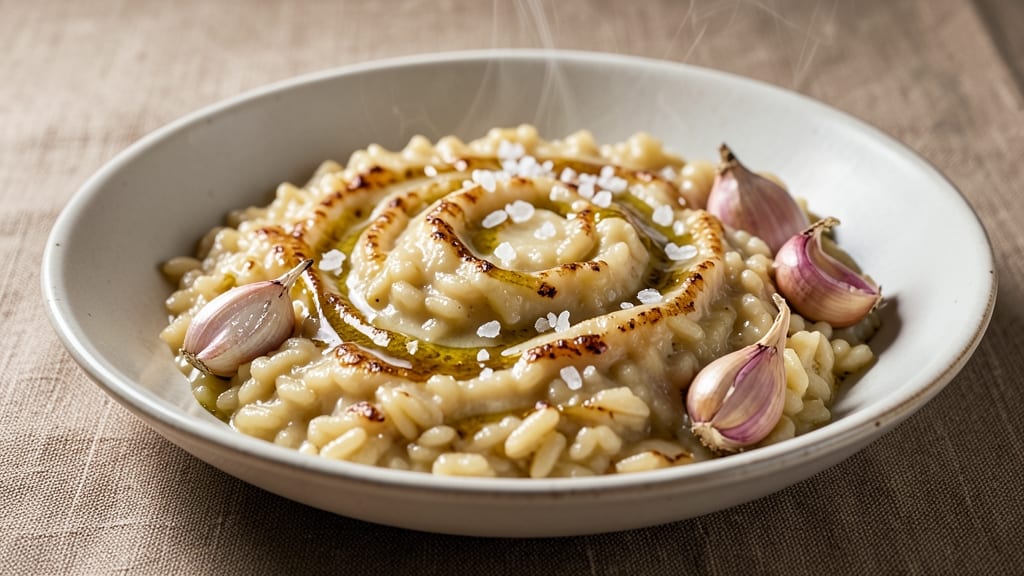
Mastering Gordon Ramsay's perfect rice recipe transforms simple grains into fragrant, fluffy bites that rival restaurant quality. The secret lies in precise technique—starting with the right ratio of water to rice and maintaining a gentle simmer.
I’ve tested this method countless times, and it never fails to deliver restaurant-worthy results at home. Every grain stays distinct, never mushy, with an aroma that fills the kitchen long before the rice is ready.
This recipe focuses on arborio rice, the gold standard for creamy yet separate grains, but the principles apply to basmati or jasmine too. The key is patience: letting the rice absorb liquid gradually while stirring occasionally to prevent sticking.
Ramsay’s approach emphasizes low-and-slow cooking, which builds flavor without overcooking. For extra depth, a pinch of salt and a splash of butter at the end elevate the texture and taste.
By the time you’re done, you’ll have perfectly fluffy, individual grains with a subtle sheen—no clumping, no dry spots. The aroma alone will have everyone at the table asking what you’re serving.
This method works for plain rice or as a base for risotto, pilaf, or stir-fries. Whether you’re feeding a crowd or prepping for the week, this technique ensures foolproof results every time.
Pair with garlic butter chicken, roasted vegetables, or a simple tomato sauce for a complete meal. The beauty of this recipe is its versatility—once you master the basics, you can customize flavors to suit any dish. Let’s get started on achieving restaurant-quality rice at home.
Ingredients for gordon ramsay rice
Eight essential ingredients for restaurant-quality rice every time—no fancy tools needed.
| Ingredient | Amount | Notes |
|---|---|---|
| Arborio Rice 🍚 | 1 cup | Uncooked, short-grain variety |
| Water 💧 | 1 ¾ cups | Room temperature preferred |
| Unsalted Butter 🧈 | 2 tbsp | Full-fat for best texture |
| Fine Sea Salt 🧂 | ¼ tsp | Adjust to taste |
| Fresh Garlic Cloves 🧄 | 2 cloves | Minced, optional for flavor |
| Extra-Virgin Olive Oil 🫒 | 1 tbsp | For finishing (optional) |
| Fresh Parsley 🌿 | 2 tbsp | Chopped, for garnish |
| Chicken or Vegetable Broth 🍲 | ½ cup | Low-sodium preferred |
The arborio rice is non-negotiable for this technique—its high starch content creates that signature creamy texture while keeping grains distinct. Store-bought bulk bins at Whole Foods or Trader Joe's often have the freshest stock, but any reputable grocery store carries it. Look for bags labeled 'arborio' or 'risotto rice'—avoid pre-washed varieties, as they lose starch. If you can't find arborio, jasmine rice is your next best bet, though it won't be quite as creamy. For broth, low-sodium options from Pacific Foods or homemade prevent over-salting, which can toughen the grains. The butter should be European-style (like Plugrá) if you're feeling indulgent, but any good unsalted butter works.
No arborio rice? Basmati or jasmine rice will work, though the texture will be firmer. Short on broth? Water plus a pinch of bouillon gets you close, but the flavor depth suffers. The garlic is truly optional—skip it if you're making plain rice, but add it for pilaf or stir-fry applications. For extra richness, swap 1 tbsp of the water for broth halfway through cooking. The olive oil finishing touch isn't mandatory, but it adds a luxurious sheen and subtle fruity note. If you're using pre-minced garlic from jars, drain and rinse it first—the excess liquid can make your rice soggy.
Rice keeps best in an airtight container in the fridge for 3-4 days, though it's ideal to eat within 24 hours for peak texture. For longer storage, portion into single servings and freeze for up to 3 months—just thaw overnight in the fridge. The butter and broth can be prepped ahead, but add the garlic and parsley fresh before serving. If your rice turns out slightly undercooked, cover with a damp towel and steam for 5 minutes—this happens more often with basmati than arborio. Always use a fine-mesh strainer when rinsing rice to remove excess starch, which prevents clumping.
Why You'll Love This Recipe
- Five-Ingredient Magic: I swear, this recipe is the kind of dish that makes you question why you ever cooked anything else. Just Arborio rice, butter, garlic, salt, and water—no fancy sauces or last-minute grocery runs. The secret? Slow-cooking the rice until it’s creamy and toasty at the edges, like a hug from Gordon Ramsay himself.
- Butter-Garlic Bliss: That moment when the garlic starts sizzling in the butter? Pure gold. The rice soaks up the nutty, garlicky richness until every bite feels like a little flavor explosion. Honestly, I’ve made this with store-bought garlic and it still tastes incredible—proof that good technique beats perfection.
- Weeknight Workhorse: Between us, this is my go-to when I’m too tired to think. It’s the kind of rice that doubles as a side for grilled chicken or steak, or even stands alone with a sprinkle of parsley. Leftovers? Even better—just reheat with a pat of butter, and it’s like you’re eating fresh again.
- Budget-Friendly Luxury: Arborio rice is cheap, butter is cheap, garlic is cheap—yet somehow, this tastes like a restaurant dish. I’ll be real: my grocery bill stays low, but my dinner table feels fancy. It’s the kind of recipe that makes you feel like you’re treating yourself without breaking the bank.
Step-by-step instructions for Gordon Ramsay's perfect rice
Here's the chef's method for restaurant-quality rice every time.
Toast the Arborio Rice for Depth of Flavor
Heat a medium saucepan over medium heat and add the 1 cup Arborio rice. Stir constantly for 2-3 minutes until the grains become translucent at the edges and release a nutty aroma. This toasting step develops flavor and prevents mushy rice.
I like to press the rice against the sides of the pan occasionally with a wooden spoon—this ensures even browning. If the rice starts to brown too quickly, reduce the heat slightly. The goal is to toast, not burn. You'll see the grains become slightly glossy and smell distinctly toasty when ready.
Deglaze and Add Liquid in Stages
Immediately pour in the 1.75 cups water and bring to a gentle boil. Once boiling, reduce heat to low and let it simmer uncovered for 10 minutes. This initial cooking phase allows the rice to absorb liquid while maintaining its shape.
Here's the thing—don't stir during this time. Stirring releases starches too early, which leads to gummy rice. After 10 minutes, add the 0.5 cup chicken or vegetable broth and the 2 tbsp unsalted butter. The butter helps create a silky texture, while the broth adds depth. Stir gently once to distribute the liquid evenly.
Finish with Garlic and Olive Oil for Bright Flavor
Add the 2 cloves minced fresh garlic and 1 tbsp extra-virgin olive oil to the pan. Stir gently for 1-2 minutes until the garlic becomes fragrant but doesn't brown. This step infuses the rice with aromatic complexity without overpowering its natural flavor.
Real talk: The garlic should smell amazing but not taste raw. If it starts to color too quickly, remove the pan from heat for 30 seconds while stirring. The olive oil at this stage adds a delicate brightness that balances the richness of the butter.
Rest and Fluff for Perfect Texture
Remove the pan from heat and cover tightly with a lid. Let the rice steam off the heat for 10 minutes. This resting period allows the grains to fully absorb any remaining liquid and develop their signature al dente texture.
After resting, fluff the rice gently with a fork, cutting through any steam that may have formed. The grains should be tender but still have a slight bite—this is what makes perfect rice. If the rice feels too dry, sprinkle in 1-2 teaspoons water and fluff again.
Garnish and Serve Immediately
Transfer the rice to a serving dish and sprinkle with the 2 tbsp chopped fresh parsley. The parsley adds a fresh contrast to the rich, buttery rice. Taste and adjust seasoning with the 0.25 tsp fine sea salt if needed.
Serve the rice immediately while still hot. The texture will continue to improve as it sits for the first few minutes, but the window for perfect presentation is narrow. Each grain should be distinct, creamy, and fragrant with garlic and butter notes.
Pro Tips For Making Gordon Ramsay Rice
- Toast the Garlic First: I learned this the hard way—raw garlic in risotto tastes like a missed opportunity. Sauté those cloves in butter until they’re golden and fragrant before adding the rice. That nutty aroma is the difference between good and actually delicious.
- Use a 1:1 Ratio: Most recipes say "add water gradually," but start with equal parts rice and water—Arborio absorbs fast. If it looks dry after 10 minutes, add more; if it’s soupy, simmer longer. The butter and salt will balance it out.
- Stir Like You Mean It: Gentle swirls won’t cut it. Scrape the bottom of the pan aggressively to release starch—this is what makes risotto creamy. A wooden spoon works best, but don’t be afraid to use a spatula if the rice clumps.
- Finish with Cold Butter: Skip the warm butter at the end—Gordon Ramsay’s version calls for a pat of cold butter folded in last. It adds richness without turning the rice greasy. (Yes, even if you’re impatient like me.)
Best sauces and condiments for this dish
Garlic Butter Sauce
This is my go-to sauce for elevating plain rice into something extraordinary. Start by melting 2 tbsp unsalted butter in a small saucepan over low heat, then add 2 minced garlic cloves and 1 tbsp finely chopped shallots. Cook for 2-3 minutes until fragrant but not browned.
Remove from heat and stir in 1 tbsp fresh lemon juice and 1 tbsp chopped parsley. Drizzle this over finished rice just before serving—it adds a luxurious richness that Ramsay-style rice deserves. 🧄
Lemon-Herb Infusion
For a bright, herbaceous twist, infuse the rice with zest of 1 lemon and 1 tbsp chopped fresh herbs (like thyme or rosemary) during the final resting phase. After toasting the rice, add the zest and herbs with the broth.
The citrus notes cut through the butter's richness while the herbs add depth. Finish with a drizzle of extra-virgin olive oil and a pinch of flaky sea salt. This works especially well with basmati rice for a Middle Eastern-inspired dish.
Spicy Chili Oil
Transform your rice into a bold, flavorful side with chili oil—a staple in Ramsay's kitchen. Heat 2 tbsp neutral oil in a small pan, then add 1 tbsp crushed red pepper flakes and 1 tsp Sichuan peppercorns (if available).
Cook on low heat for 3-4 minutes until fragrant. Drizzle over rice and garnish with toasted sesame seeds and sliced green onions. This adds a fiery kick that pairs perfectly with grilled meats or stir-fries.
Creamy Parmesan Sauce
For a decadent touch, blend ½ cup grated Parmesan cheese, 2 tbsp heavy cream, and 1 tbsp butter in a small saucepan until smooth. Keep warm over low heat and stir in 1 tsp Dijon mustard for depth.
Fold this into the rice during the final fluffing step or serve it as a dipping sauce on the side. This sauce is a game-changer for risotto-style rice dishes and adds a creamy, umami-rich finish. 🧀
Tahini-Yogurt Dressing
For a lighter, Middle Eastern-inspired option, mix 2 tbsp tahini, 2 tbsp plain Greek yogurt, 1 tbsp lemon juice, and 1 tsp honey until smooth. Thin with 1-2 tbsp water if needed. Drizzle over rice and top with toasted pine nuts and a sprinkle of sumac.
This dressing adds a nutty, tangy contrast that works beautifully with jasmine or basmati rice. It’s especially refreshing when paired with grilled chicken or falafel. 🌿
Nutrition facts
Frequently asked questions
Why does Gordon Ramsay toast the rice before cooking?
Toasting the rice develops a deeper, nuttier flavor and prevents mushy grains. The 2-3 minute toasting step on medium heat creates a subtle crust on each grain, which helps maintain its shape during cooking. This is especially important for arborio rice, where texture is key to that signature creamy yet distinct bite.
Can I use basmati or jasmine rice instead of arborio?
Yes, but expect slightly firmer grains. Arborio's high starch content gives that creamy texture Ramsay loves, but basmati or jasmine will still work well for pilafs or stir-fries. For best results with these varieties, reduce the water by ¼ cup and increase the butter to 3 tbsp for extra richness. The toasting step remains crucial for flavor development.
What if my rice turns out too dry or undercooked?
If it's undercooked, cover with a damp towel and steam for 5 minutes off the heat. For dry rice, sprinkle 1-2 tsp water and fluff gently—this happens more often with basmati. The key is patience: never rush the 10-minute resting period after cooking. Ramsay's method relies on gradual absorption, not boiling.
How do I make this rice extra flavorful without extra ingredients?
Infuse the cooking water with aromatics! Simmer the initial 1.75 cups water with 1 bay leaf or 2 sprigs fresh thyme for 2 minutes before adding rice. Remove the herbs before cooking, but they'll impart subtle depth. For a quick boost, finish with a pinch of smoked paprika or a squeeze of lemon juice before serving.
Can I make this rice in an Instant Pot or rice cooker?
Yes, but with adjustments. For an Instant Pot, toast the rice first, then add 1.75 cups water and cook on high pressure for 4 minutes. Quick release, then let it steam covered for 10 minutes. For rice cookers, use the same ratio but reduce water by ¼ cup—these appliances often overcook. Always prioritize the resting period for perfect texture.