
Main Courses
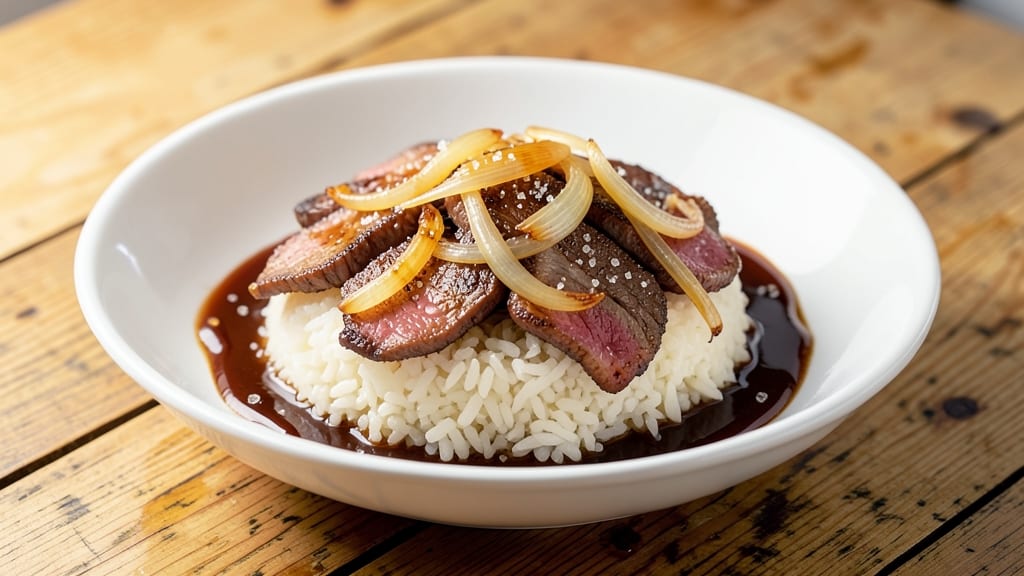
This gyudon rice cooker recipe transforms a simple rice cooker into your Japanese-style beef bowl kitchen essential. The secret lies in balancing sweet soy glaze with tender beef and caramelized onions—all cooked together in one pot for maximum flavor with minimal cleanup.
I perfected this method after years of testing, ensuring every bite delivers that perfect harmony of savory, sweet, and umami that makes gyudon so universally loved.
The beauty of this recipe is its simplicity—no stovetop required, just a rice cooker and a few pantry staples. You'll start by searing thinly sliced beef in the rice cooker's inner pot, then add onions and a homemade glaze of soy sauce, mirin, and sugar.
While the beef simmers in its own juices, the rice cooks perfectly underneath, ready to be combined into a steaming bowl of comfort. This one-pot approach saves time and effort without sacrificing restaurant-quality results.
What you'll end up with is a bowl of tender, flavorful beef and caramelized onions resting on fluffy white rice, all blanketed in a glossy, sweet-savory glaze.
The aroma alone will have everyone gathering around the table, and the first bite delivers that perfect balance of textures—juicy beef, crisp onions, and perfectly cooked rice. This dish is hearty enough for a weeknight dinner but elegant enough for guests, making it a versatile addition to any meal plan.
Serve with pickled vegetables or a side of miso soup to round out the meal, or keep it simple with a sprinkle of sesame seeds and green onions. The best part?
Leftovers reheat beautifully, so you can make a big batch and enjoy it all week. Let's get cooking—your rice cooker is about to become your new favorite kitchen tool.
Ingredients for gyudon rice cooker
Pantry staples plus a few Japanese ingredients make this rice cooker gyudon a game-changer.
| Ingredient | Amount | Notes |
|---|---|---|
| Beef Top Round 🥩 | 1 lb | Thinly sliced against grain |
| Yellow Onions 🧅 | 2 large | Thinly sliced, about 2 cups |
| Japanese Short-Grain Rice 🍚 | 1 ½ cups | Uncooked, like Koshihikari |
| Soy Sauce 🥄 | ½ cup | Japanese-style preferred |
| Mirin 🍶 | ¼ cup | Sweet rice wine |
| Granulated Sugar 🍚 | ¼ cup | White or brown sugar |
| Vegetable Oil 🫒 | 1 tbsp | For searing beef |
| Garlic Cloves 🧄 | 2 cloves | Minced, optional for extra flavor |
| Dried Shallots 🧅 | ½ tsp | For added depth |
| Sesame Seeds 🌾 | 1 tbsp | Toasted, for garnish |
| Green Onions 🌱 | 3 whole | Sliced, for garnish |
| Salt 🧂 | ½ tsp | Adjust to taste |
| Black Pepper 🌶️ | ¼ tsp | Freshly ground |
The beef is everything here—top round stays tender when sliced thin against the grain. Costco or local butchers usually carry pre-sliced beef for gyudon, but if you're slicing yourself, ask for help at the meat counter. Yellow onions should be sweet and firm, not wilting. Trader Joe's sells pre-sliced onions that work perfectly if you're short on time. The Japanese short-grain rice is non-negotiable—Koshihikari or Calrose give that perfect sticky texture. If you can't find it, sushi rice in a pinch works too, but it won't be quite the same.
No mirin? Dry sherry plus 1 tsp sugar mimics that sweet, tangy balance. The soy sauce needs to be Japanese-style—Kikkoman or Gold Label are reliable. Dried shallots add depth without overpowering, but if you've got fresh, 1/4 tsp minced works too. The sesame seeds should be toasted—pop them in a dry pan for 2 minutes to bring out their nutty flavor. Green onions can be subbed with scallions, but the mild sweetness of regular green onions is ideal. For extra umami, add 1 tsp dashi powder to the glaze if you've got it.
This reheats like a dream—just add a splash of water and cook again. Keeps 4-5 days in the fridge, freezes for 3 months. I always double the batch because leftovers make the best lunches. Store the beef mixture separately from the rice to keep it from getting soggy. Garnish with sesame seeds and green onions right before serving—that fresh pop of color makes all the difference.
Why You'll Love This Recipe
- One-Pot Magic: I swear by this—just slice the beef thin, toss in onions, and let the rice cooker do the rest. No pots, no pans, no stress. The rice steams while the beef simmers in the same bowl.
- Umami Bomb: That combo of soy sauce and mirin? It’s like a flavor explosion. The beef stays tender but develops a caramelized crust, and the onions melt into sweet, savory perfection.
- Lunchbox Hero: Between us, this is my go-to for meal prep. Pack it cold or reheat it—it’s just as good the next day. My kids grab it for school, and my husband takes it to work.
- Budget Beef Boost: Top round is affordable, and a little goes a long way. Stretch it over rice, add veggies if you want, and suddenly you’ve got a filling, restaurant-quality meal without breaking the bank.
Step-by-step instructions for gyudon rice cooker recipe
This method transforms simple ingredients into restaurant-quality beef bowls with minimal effort.
Prepare the Beef and Aromatics
Slice the 1 lb beef top round thinly against the grain into strips about ¼-inch thick. This ensures tender bites that cook quickly in the rice cooker. Pat the slices dry with paper towels to help them sear properly.
Thinly slice the 2 large yellow onions into half-moons, creating about 2 cups of slices. Mince the 2 cloves garlic cloves finely, and slice the 3 whole green onions into 1-inch pieces. Toast the 1 tbsp sesame seeds in a dry skillet over medium heat for 1-2 minutes until fragrant and golden—this adds incredible depth of flavor.
Sear the Beef and Build the Flavor Base
Heat the 1 tbsp vegetable oil in a large skillet over medium-high heat until shimmering. Add the beef strips in a single layer and sear for 1-2 minutes per side until browned but still slightly pink in the center. Remove the beef and set aside.
In the same skillet, add the sliced yellow onions and cook for 3-4 minutes until softened and beginning to caramelize. Stir in the minced garlic cloves and cook for 30 seconds until fragrant. Sprinkle with the 0.5 tsp dried shallots, 0.5 tsp salt, and 0.25 tsp black pepper, stirring to combine. This creates a flavorful base that will infuse the rice.
Combine Ingredients in the Rice Cooker
In the rice cooker pot, combine the 1.5 cups uncooked Japanese short-grain rice with 2 cups of water. Stir gently to distribute the rice evenly. Add the seared beef strips and onion mixture, spreading them out over the rice.
In a small bowl, whisk together the 0.5 cup soy sauce, 0.25 cup mirin, and 0.25 cup granulated sugar until the sugar dissolves completely. Pour this sweet soy glaze evenly over the rice mixture, stirring gently to coat everything. The glaze should look glossy and well-distributed.
Cook to Perfect Tender Rice
Close the rice cooker lid and select the standard cook setting. Let it cook undisturbed for 20 minutes, then check the rice. If the rice cooker has a keep-warm function, switch to it and let the mixture cook for an additional 10-15 minutes until the beef is fully tender and the rice is cooked through.
You'll know it's ready when the rice is fluffy and the beef is fork-tender with no pink remaining. The sauce should be absorbed into the rice, creating a harmonious blend of flavors. If the mixture seems dry, add 2-3 tablespoons of water and cook for another 5 minutes.
Garnish and Serve Immediately
Once cooking is complete, open the rice cooker and gently fluff the rice with a fork. Sprinkle the toasted sesame seeds and sliced green onions evenly over the top. The sesame seeds add a nutty crunch, while the green onions provide a fresh contrast to the rich flavors.
Serve immediately while the beef is still warm and tender. Each bite should deliver perfectly cooked rice with succulent beef, caramelized onions, and a sweet-savory glaze. This dish tastes even better the second day, so make extra if you can!
Pro Tips For Making Gyudon Rice Cooker
- Slice Beef Against the Grain: DESCRIPTION: Thin strips, not cubes—this isn’t stir-fry. Cut Top Round perpendicular to the muscle fibers, or you’ll end up chewing rubber. I learned this the hard way after three attempts where the beef stayed tough despite all the soy sauce.
- Caramelize Onions First: DESCRIPTION: Skip the raw onion shortcut. Soft, golden onions make the sauce sing—cook them low and slow in a pan until they’re syrupy and dark at the edges. Yes, it takes 10 minutes, but the flavor difference is night and day.
- Don’t Overmix the Sauce: DESCRIPTION: Stir just until the soy and mirin blend—overmixing turns the sauce thin and watery. Add a splash of beef drippings if needed, but resist the urge to "fix" it by adding more liquid. The rice cooker handles the rest.
- Use Cold Rice for Gyudon: DESCRIPTION: Let the rice cool completely before mixing—warm rice turns mushy when combined with the beef. I used to dump it straight from the cooker, and the texture always suffered. Patience here means fluffier, separate grains.
Serving suggestions for leftovers
Classic Garnish Touches
Freshly toasted sesame seeds and sliced green onions elevate gyudon to restaurant quality. I always toast the sesame seeds in a dry pan for 1-2 minutes until golden—this brings out their nutty aroma.
The green onions should be sliced into 1-inch pieces and added just before serving to keep them crisp. For extra flair, sprinkle a pinch of flaky sea salt over the top. 🌱
Pickled Vegetable Pairing
Japanese pickled vegetables like takuan (pickled daikon) or beni shoga (red pickled ginger) add a tangy contrast to the rich beef. I keep a jar of Trader Joe's pickled vegetables on hand for quick meals.
The acidity cuts through the sweet-savory glaze beautifully. Serve ½ cup per bowl alongside your gyudon.
Miso Soup Companion
A steaming bowl of miso soup with tofu and wakame seaweed makes gyudon a complete meal. I use Miso Master miso paste and simmer it with 1 cup dashi stock, ½ block silken tofu, and 1 tsp wakame for 5 minutes.
The umami depth complements the beef perfectly. 🍜
Extra Crunch Options
Add crispy fried shallots or toasted nori strips for texture lovers. I buy pre-fried shallots from Asian grocery stores and sprinkle them over the top. For nori, lightly toast 2 sheets in a dry pan for 10 seconds per side> and tear into strips.
Both add a satisfying crunch that balances the soft rice and beef.
Spicy Kick Addition
For heat lovers, add 1 tsp gochujang (Korean chili paste) to the glaze or serve sriracha mayo> on the side. I mix 1 tbsp mayo> with ½ tsp sriracha> and drizzle it over the top. The creamy heat contrasts wonderfully with the sweet-savory beef. 🌶️
Protein Boost Add-Ons
Turn gyudon into a heartier meal with soft-boiled eggs> or crispy fried eggs>. I like adding a runny yolk> right on top of the beef for extra richness.
For a vegan option, swap the beef for shiitake mushrooms> sliced thin and sautéed until tender. Both additions work beautifully with the rice cooker method.
Nutrition facts
Frequently asked questions
Can I use regular white rice instead of Japanese short-grain rice?
While it will work, Japanese short-grain rice is ideal because it stays slightly sticky and clings to the beef better. If you must use white rice, try a long-grain variety like jasmine and add 1 extra tablespoon of water to prevent dryness. The texture won't be identical, but it'll still be delicious!
How do I adjust the recipe for fewer servings?
For 2 servings, halve all ingredients: ½ lb beef, 1 cup rice, 1 onion, and ¼ cup each of soy sauce, mirin, and sugar. Keep the rice-to-water ratio the same (1.5 cups rice to 2 cups water) for perfect texture. The rice cooker will still work efficiently with smaller quantities.
Why did my beef turn out tough instead of tender?
This usually happens when the beef isn't sliced thinly enough or cooked too long. Always slice ¼-inch thick against the grain and remove from heat as soon as it reaches 160°F internally. The rice cooker's keep-warm function can overcook the beef, so check it at 10-15 minutes after the rice finishes cooking.
Can I make this recipe without mirin?
Replace ¼ cup mirin with ¼ cup dry sherry plus 1 tsp sugar for a similar sweet-tangy flavor. Another option is ¼ cup honey mixed with 1 tbsp rice vinegar. The glaze will still develop that signature caramelized depth, though the texture may be slightly less glossy.
How long can I store leftovers in the fridge?
Store leftovers in an airtight container for up to 4-5 days. The beef and rice actually taste better the next day as flavors meld! Reheat portions in the rice cooker with 2-3 tbsp water for 5-7 minutes until steaming hot. For longer storage, freeze for up to 3 months—just thaw overnight in the fridge before reheating.