
Main Courses
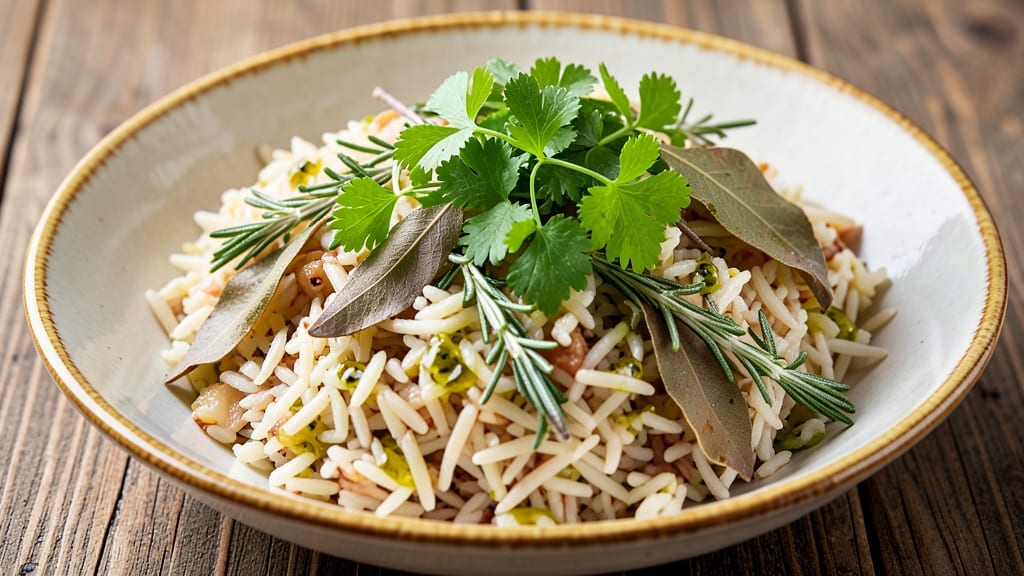
This herbal rice recipe transforms simple grains into an aromatic centerpiece that carries the bright, complex flavors of fresh herbs. I developed it after years of experimenting with ways to elevate basic rice—whether for weeknight dinners or special occasions—using just a few carefully chosen botanicals.
The secret lies in infusing the cooking liquid with herbs while they're still vibrant, creating a dish that's fragrant enough to wake up any meal.
The technique is straightforward yet precise: rinse the rice thoroughly to remove excess starch, then simmer it in a flavorful broth infused with herbs like thyme, rosemary, or parsley. For extra depth, I often add a splash of lemon juice or a bay leaf to complement the herbal notes.
This method works equally well on the stovetop or in a rice cooker, making it adaptable to any kitchen setup.
What you'll end up with is rice that's not just a side dish but the star of the plate—golden, fragrant, and infused with layers of herbal brightness. The grains stay separate and tender, absorbing just enough moisture to become fluffy yet substantial.
This is the kind of rice that makes people pause before their first bite, curious about what makes it taste so extraordinary.
Serve it as the foundation for herb rice bowls, pair it with grilled proteins, or enjoy it as a standalone dish with a drizzle of olive oil and fresh herbs. The possibilities are endless, but the technique remains simple and foolproof. Let's get started!
Ingredients for herbal rice
Twelve ingredients transform ordinary rice into fragrant herb-infused grains brimming with garden brightness.
| Ingredient | Amount | Notes |
|---|---|---|
| Long-Grain White Rice 🍚 | 1 ½ cups | Uncooked, rinsed thoroughly |
| Fresh Thyme Leaves 🌿 | 1 tbsp | Packed, stems removed |
| Fresh Rosemary Sprigs 🌿 | 2 whole | Woody stems removed |
| Fresh Flat-Leaf Parsley 🌿 | ½ cup | Chopped, stems removed |
| Bay Leaves 🍃 | 2 whole | Standard dried leaves |
| Extra-Virgin Olive Oil 🫒 | 2 tbsp | High-quality, fruity |
| Fresh Lemon Juice 🍋 | 1 tbsp | From 1 small lemon |
| Water 💧 | 3 cups | Room temperature preferred |
| Salt 🧂 | 1 tsp | Fine sea salt preferred |
| Garlic Cloves 🧄 | 2 cloves | Peeled, slightly crushed |
| Black Peppercorns 🌶️ | ¼ tsp | Freshly cracked preferred |
| Fresh Basil Leaves 🌿 | ¼ cup | Optional, for finishing |
The herbs are where the magic happens. Fresh thyme, rosemary, and parsley from the grocery store’s produce section work perfectly—just check they’re vibrant, not wilted. Whole Foods or local farmers markets often carry the freshest herbs, but even the standard grocery store variety will do if it’s bright and green. Rosemary’s woody stems should be removed before using, while thyme and parsley can be used whole or chopped. For the garlic, freshly peeled cloves add a subtle depth that pre-minced can’t match—just crush them lightly with the side of your knife to release their oils without turning to paste. If you’re using dried herbs, reduce the amount by half, but fresh is always better for this recipe.
No fresh thyme? Dried thyme at half the amount works in a pinch, though it won’t have the same bright aroma. Rosemary’s woody flavor is hard to substitute—dried rosemary at one-third the amount is the closest you’ll get. Skip the lemon juice? A pinch of salt or a splash of white wine vinegar can add brightness, but fresh lemon is ideal. The olive oil should be extra-virgin—cheap oil will make the dish taste flat. If you’re short on time, pre-minced garlic is fine, but freshly crushed cloves elevate the dish significantly. For extra depth, a pinch of ground coriander can mimic the herbal complexity without needing fresh herbs.
This rice keeps beautifully—3-4 days in an airtight container in the fridge, or up to 3 months in the freezer. Reheat gently with a splash of water or broth to restore moisture. For best results, store the rice uncovered in the fridge for the first 24 hours to prevent sogginess. If you’re prepping ahead, cook the rice one day ahead—the flavors develop even more overnight. Serve it as a base for bowls, alongside grilled meats, or simply with a drizzle of olive oil and extra fresh herbs for a restaurant-worthy side.
Why You'll Love This Recipe
- I swear by this trick: just tear the thyme and parsley stems between my fingers—no knife required. The rosemary sprigs stay whole, simmering in the rice like fragrant little flags, and the bay leaves? Toss them in whole, then fish them out later. Minimal effort for maximum aroma.
- No-Chop Necessary: I swear by this trick: just tear the thyme and parsley stems between my fingers—no knife required. The rosemary sprigs stay whole, simmering in the rice like fragrant little flags, and the bay leaves? Toss them in whole, then fish them out later. Minimal effort for maximum aroma.
- Earthy, Bright, Addictive: That first whiff of rosemary and thyme steaming off the rice? It’s like a warm hug for your taste buds. The parsley brightens the finish, and the bay leaves add this deep, subtle backbone—simple ingredients, but together they’re ridiculously good.
- Weeknight to Potluck: Make a big batch on Sunday and it’s your go-to for lunches, salads, or even stuffed peppers all week. Or take it to a picnic—cold or at room temp, it’s still packed with flavor. Honestly, I’ve served this at dinner parties and no one ever asks what’s in it.
Step-by-step instructions for herbal rice with garden notes
This method transforms simple rice into an aromatic, herb-infused side dish bursting with Mediterranean flavors.
Toast the Herbs and Garlic in Olive Oil
Heat the 2 tablespoons extra-virgin olive oil in a medium saucepan over medium heat. Add the 2 whole fresh rosemary sprigs (woody stems removed) and 2 cloves peeled garlic (lightly crushed). Toast for 2-3 minutes until the garlic becomes fragrant and the rosemary releases its piney aroma.
Here's the thing—this step builds the flavor foundation. You'll know it's ready when you smell that deep, earthy aroma wafting from the pan. Remove the rosemary sprigs and garlic cloves with tongs, leaving the infused oil behind. Discard the herbs and garlic after toasting—they've done their job.
Add Rice and Herbs, Then Toast Lightly
Increase heat to medium-high and add the 1.5 cups long-grain white rice, stirring to coat evenly with the herb-infused oil. Toast for 1-2 minutes until the rice grains become slightly translucent at the edges—this prevents mushiness later.
Stir in the 1 tablespoon fresh thyme leaves, 2 whole bay leaves, and 0.5 cup chopped fresh flat-leaf parsley. The herbs should sizzle gently in the oil. This brief toasting step ensures the rice absorbs the herb flavors before cooking. Watch closely—you want the rice to turn opaque but not brown.
Pour in Water and Lemon Juice
Reduce heat to low and pour in the 3 cups water and 1 tablespoon fresh lemon juice. Add the 1 teaspoon salt and 0.25 teaspoon cracked black peppercorns. The lemon juice brightens the dish while the pepper adds subtle heat.
Bring to a gentle simmer, then immediately reduce heat to lowest setting. Here's where precision matters: the water should barely bubble at the edges. Cover tightly with a lid and cook for 15 minutes without lifting it—this steaming phase allows the rice to absorb liquid evenly.
Simmer and Rest for Perfect Texture
After 15 minutes, check the rice. If it's still slightly undercooked (a small bit of firmness remains in the center), cover and cook for another 5 minutes. For perfectly tender rice, you want it just shy of fully done at this stage—it'll finish cooking during resting.
Remove from heat and let the rice sit covered for 10 minutes. This resting period is crucial—it allows steam to redistribute, resulting in fluffy, separate grains. After resting, fluff gently with a fork, then stir in the 0.25 cup fresh basil leaves (if using) for a final burst of freshness.
Pro Tips For Making Herbal Rice
- TOAST THE HERBS FIRST: Fresh rosemary and thyme need a quick shake-up before hitting the pot. Toss them in a dry pan over medium heat for 30 seconds—just until fragrant—then plunge into boiling water with the rice. This wakes up their oils and prevents them from turning bitter later.
- USE WHOLE BAY LEAVES: Tear them, don’t crush. Whole bay leaves infuse flavor without turning the rice mushy, and they’re easy to fish out later. I learned this the hard way—mashed leaves make the rice taste like a wet tea bag.
- STIR ONCE, THEN LEAVE IT: After adding the rice, stir once to distribute the herbs, then walk away. Poking or stirring later breaks the rice grains and turns your dish into a gluey mess. Trust the pot—it knows what it’s doing.
- RINSE THE RICE, NOT THE HERBS: Cold water rinse (30 seconds max) removes excess starch and keeps the rice separate. But skip rinsing the fresh herbs—damp rosemary and thyme turn to sludge in the pot. Pat them dry with a paper towel if they look gloppy.
Dietary considerations for these flavors
Gluten-Free Adaptation
This recipe is naturally gluten-free since it relies on rice and fresh herbs, but always double-check your rice brand for cross-contamination warnings. I recommend Lundberg Family Farms or Jasmine Rice—both are certified gluten-free and cook beautifully.
The key is using a dedicated pot if you also cook gluten-containing grains, as even tiny residues can cause issues for sensitive individuals. 🌾
Low-Carb/Keto Version
For a low-carb twist, replace white rice with cauliflower rice (about 4 cups fresh or frozen) and reduce the water by 1 cup. Cook the cauliflower rice in the same herb-infused oil over medium heat for 8-10 minutes, stirring occasionally, until tender.
The texture will be slightly different but still fragrant. Add a splash of coconut aminos for extra umami depth.
Allergen-Friendly Swaps
If you're avoiding dairy, this recipe is already safe—just skip any optional cheese garnishes. For nut allergies, ensure your olive oil is refined (not cold-pressed with nut oils). I use Avocado Oil as a backup, which has a neutral flavor.
For soy sensitivities, avoid soy-based broths and stick to water or vegetable broth. Always read labels on herbs and spices, as some blends contain hidden allergens.
Vegan Considerations
This dish is inherently vegan, but I like to boost the umami for plant-based eaters by adding 1 teaspoon nutritional yeast to the cooking liquid. It mimics the savory depth of cheese without dairy.
For extra protein, stir in ½ cup cooked lentils or chickpeas after cooking. The herbs will still shine, but the dish becomes heartier—perfect for meat-free meals. 🌱
Dairy-Free Brightness
To enhance the herbal notes without dairy, finish the rice with a drizzle of lemon-infused olive oil (mix 1 tbsp olive oil with ½ tsp lemon zest). For a creamy texture, blend ½ cup silken tofu with 1 tbsp lemon juice and salt, then dollop over the rice.
This adds richness while keeping the dish vegan-friendly.
Protein Pairings
For a balanced meal, pair this herbal rice with grilled chicken breast (marinated in lemon and herbs) or pan-seared tofu. The bright flavors complement both proteins beautifully.
If you're serving to vegetarians, roasted chickpeas or mushroom saute add satisfying texture. The rice's herbal notes cut through richer proteins, creating a harmonious plate. 🍗
Nutrition facts
Frequently asked questions
Can I use dried herbs instead of fresh?
Yes, but adjust the amounts carefully. Use half the quantity of dried herbs (e.g., ½ teaspoon dried thyme instead of 1 tablespoon fresh). Dried herbs are more concentrated, so they pack stronger flavor. For rosemary, use ⅓ the amount since its woody notes are intense even when dried. The texture will be slightly less vibrant, but the aroma remains fragrant.
Why does my herbal rice turn out mushy?
Mushy rice usually happens from overcooking or insufficient toasting. First, ensure you toast the rice in oil for 1-2 minutes before adding liquid—this creates a barrier to prevent sticking. Second, use the lowest heat setting after adding water and cook for only 15 minutes (not until all liquid disappears). Finally, always let it rest covered for 10 minutes after cooking.
What’s the best way to store leftover herbal rice?
Store in an airtight container in the fridge for up to 3-4 days. For longer storage, freeze for 3 months. To reheat, sprinkle with 1 teaspoon water per cup of rice, cover, and microwave on medium heat for 2 minutes. The herbs may lose some brightness but the base flavor remains delicious. For extra freshness, add a pinch of salt and a splash of lemon juice when reheating.
Can I make this in a rice cooker?
Follow the same steps but adjust the water ratio to 1:1.25 rice-to-water (e.g., 1.5 cups rice to 1.875 cups water). Toast the herbs and garlic in the rice cooker pot first, then add the rice and remaining ingredients. Use the white rice setting and let it steam for 15 minutes after cooking completes. The rice cooker’s even heat distribution ensures perfect texture.
Which proteins pair best with this herbal rice?
Lean proteins work beautifully: grilled chicken, pan-seared fish, or tofu all complement the bright herbal notes. For vegetarian meals, try roasted chickpeas or sautéed mushrooms. The acidity from lemon in the rice cuts through richer proteins like pork or lamb, balancing the dish. For a complete meal, add a simple salad with vinaigrette.