
Main Courses
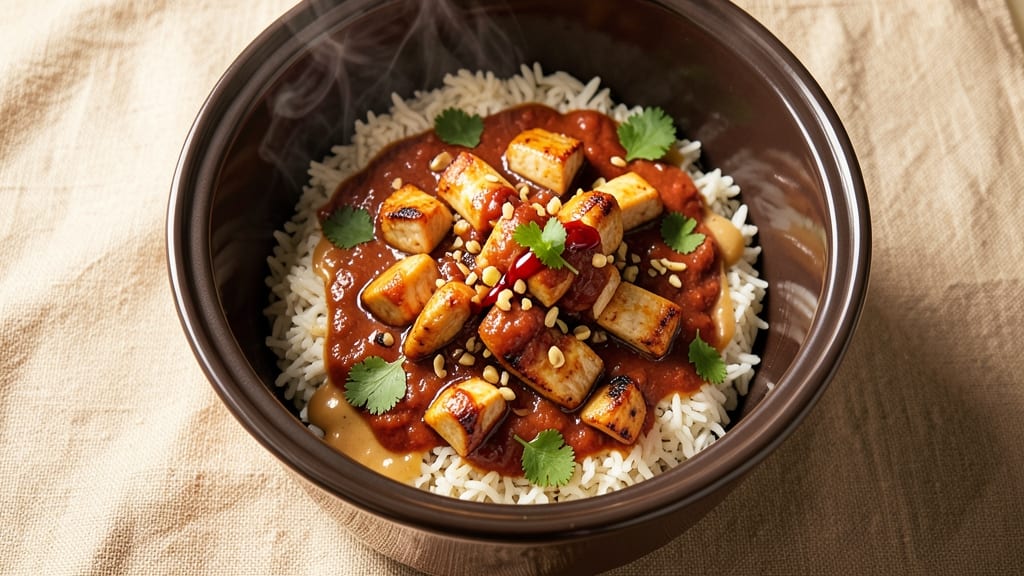
Cooking Jollof rice in a rice cooker delivers that signature West African tomato-peanut flavor with minimal effort—no stovetop babysitting required. The secret lies in layering spices and letting the rice cooker’s even heat transform simple ingredients into a dish packed with smoky, slightly sweet depth.
I’ve perfected this method after years of adapting traditional techniques for modern kitchens, ensuring every grain stays tender while the sauce infuses perfectly.
This recipe works with or without protein—chicken, beef, or even plant-based substitutes—and requires just 15 minutes of prep before pressing the button. The peanut base adds richness without overpowering the bright tomato sauce, while a blend of spices creates that unmistakable Jollof heat.
The rice cooker handles the rest, releasing aromas that turn any meal into a celebration of West African comfort.
What you’ll end up with is a pot of golden, fragrant Jollof rice where each bite balances smoky peanuts, tangy tomatoes, and perfectly seasoned grains. The sauce clings to the rice just enough to keep every mouthful flavorful, while the texture remains light and fluffy.
This is the kind of dish that tastes like a home-cooked feast, even when you’re short on time.
Serve with fried plantains or grilled fish for a complete meal, or enjoy it as-is with a side of coleslaw. The rice cooker method makes it easy to scale for crowds or meal prep—just double the ingredients and let the cooker do the work.
Let’s get started on this one-pot wonder.
Ingredients for jollof rice in rice cooker
Fifteen minutes of prep transforms simple pantry staples into West African-inspired Jollof rice with smoky peanut depth.
| Ingredient | Amount | Notes |
|---|---|---|
| Long-Grain White Rice 🍚 | 2 cups | Uncooked, jasmine or basmati preferred |
| Peanut Butter 🥜 | ½ cup | Natural, unsweetened, creamy texture |
| Tomato Paste 🍅 | ¼ cup | High-quality, no sugar added |
| Chicken Broth 💧 | 1 ½ cups | Low-sodium preferred, or homemade |
| Onion 🧅 | 1 whole | Yellow or red, finely chopped |
| Garlic Cloves 🧄 | 4 cloves | Fresh, minced |
| Scotch Bonnet Pepper 🌶️ | 1 whole | Seeds removed for mild heat |
| Ground Ginger 🌿 | 1 tbsp | Freshly grated preferred |
| Ground Nutmeg 🌿 | ½ tsp | Freshly grated preferred |
| Dried Thyme 🍃 | 1 tsp | Or 1 tbsp fresh thyme leaves |
| Bay Leaf 🍃 | 1 whole | Dried, removed before serving |
| Salt 🧂 | 1 ½ tsp | Adjust to taste, kosher preferred |
| Black Pepper 🌶️ | ½ tsp | Freshly ground preferred |
| Olive Oil 🫒 | 2 tbsp | Extra-virgin for richness |
| Chicken Breast 🍗 | 1 ½ lb | Boneless, skinless, cubed |
The peanut butter is non-negotiable for that signature Jollof richness. Natural, unsweetened varieties work best—avoid the sweetened kind, which can throw off the balance. For the tomato paste, Mutti or Rao's are my go-tos; they have concentrated flavor without added sugars. The Scotch bonnet pepper is key for that signature heat, but if you can't find it, jalapeño or habanero will work in a pinch (just reduce the amount). Fresh ginger and nutmeg elevate the dish, but if you're short on time, ground versions at half the amount will suffice. The chicken broth should be low-sodium—Swanson or homemade are both solid choices. For the rice, jasmine or basmati stay fluffy and hold up well to the sauce.
No peanut butter? Peanut oil plus a pinch of powdered peanut mimics the flavor, though it won’t be as creamy. Running low on tomato paste? Fresh tomatoes blended with a pinch of salt work in a bind, but you’ll need about 2 cups of them. Skip the Scotch bonnet? Red pepper flakes or cayenne add heat, but you’ll want to start with half a teaspoon and adjust to taste. Fresh thyme is ideal, but dried thyme at one-third the amount is a fine substitute. The chicken breast can be swapped for tofu or shrimp—just adjust cooking time accordingly. For a vegetarian version, omit the protein entirely and let the rice soak up all that flavorful sauce.
This dish reheats beautifully—just add a splash of water or broth to the rice cooker and press the button again. It keeps for 4-5 days in the fridge, though the flavor deepens over time, so it’s even better the next day. For meal prep, double the ingredients and freeze portions in airtight containers for up to 3 months. The sauce clings to the rice, so it’s perfect for lunches or potlucks. If you’re serving a crowd, simply quadruple the ingredients—the rice cooker handles the rest. Leftovers? Store in the fridge with a tight lid to preserve those aromatic flavors.
Why You'll Love This Recipe
- No Burnt Risks: I swear by this method—just toss everything in the rice cooker, hit start, and walk away. No stovetop babysitting, no charred bottoms, and that peanut butter gives it this unexpected richness without extra work.
- Peanut Butter Magic: Honestly, I didn’t believe it either, but a spoonful of peanut butter in the broth? It rounds out the tomato paste’s tang and adds this nutty depth that makes every bite feel like a hug. Trust the weirdness.
- Leftover Luxury: This rice actually improves the next day—grains separate just enough for texture, and the flavors meld into something deeper. I meal prep it for the week, and it’s still the star of lunchboxes.
- Budget Crowd-Pleaser: Chicken broth stretches far, tomato paste adds depth for pennies, and long-grain rice fills plates without breaking the bank. Feed six for the price of two takeout orders, and everyone’s happy. (Yes, even the picky eaters.)
Step-by-step instructions for Jollof rice in rice cooker
Here's the method for creating rich, flavorful West African-inspired rice with minimal effort.
Prepare the Chicken and Aromatics
Cut the 1.5 lb chicken breast into ½-inch cubes for even cooking. In a medium bowl, combine the 1 whole onion (finely chopped), 4 cloves garlic cloves (minced), 1 whole Scotch bonnet pepper (seeds removed, finely chopped), 1 tbsp ground ginger, 0.5 tsp ground nutmeg, 1 tsp dried thyme, 1.5 tsp salt, and 0.5 tsp black pepper. Mix well to distribute the spices evenly.
Heat 2 tbsp olive oil in a large skillet over medium-high heat. Add the chicken cubes and cook for 5-6 minutes, stirring occasionally, until the chicken is lightly browned and cooked through. Remove the chicken from the skillet and set aside. In the same skillet, add the spiced onion mixture and cook for 3-4 minutes until the onions soften and the mixture becomes fragrant.
Build the Jollof Base
Return the cooked chicken to the skillet and stir to combine with the aromatics. Add the 0.5 cup peanut butter and 0.25 cup tomato paste, stirring constantly for 2-3 minutes until the peanut butter melts and the mixture becomes smooth. Pour in the 1.5 cups chicken broth and scrape up any browned bits from the bottom of the skillet. Bring the mixture to a gentle simmer, then reduce heat to low and let it cook for 5 minutes to allow the flavors to meld.
Here's the thing—this step develops the signature peanut-tomato depth that makes this dish special. If the mixture seems too thick, add 1-2 tablespoons of water to loosen it slightly. The peanut butter will thicken the sauce, so don't worry if it looks rich now—it will balance out perfectly with the rice.
Combine Ingredients in the Rice Cooker
Transfer the chicken and sauce mixture to your rice cooker. Rinse the 2 cups long-grain white rice under cold water until the water runs clear, then add it to the rice cooker. Stir gently to combine everything, ensuring the rice is evenly coated with the sauce. Add the 1 whole bay leaf and give one final stir.
This is the moment that matters: the rice should be fully submerged in the sauce, but not so much that it causes the cooker to overflow. If needed, add 1-2 tablespoons of water to ensure everything is properly hydrated. Close the rice cooker lid and select the white rice setting (or standard setting if your cooker doesn't have a rice-specific option).
Cook and Rest for Perfect Texture
Let the rice cooker do its work without opening the lid. Cooking time will vary depending on your model, but most rice cookers will take about 20-25 minutes to reach the keep warm cycle. You'll know it's done when the rice is tender and the liquid has been absorbed, leaving the grains separate but moist.
Once the rice cooker switches to keep warm, let the rice rest for 5 minutes before opening. This resting period allows the steam to redistribute, ensuring each grain is perfectly cooked. Remove the bay leaf before serving, as it can be slightly bitter if left in the rice. Fluff the rice gently with a fork, then serve immediately with the chicken and any accumulated juices spooned over the top.
Pro Tips For Making Jollof Rice In Rice Cooker
- Bloom the Onions First: Slice the onions thin and cook them in a dry pan for 3-4 minutes until they turn golden—before adding any oil or broth. I learned this the hard way: skipping this step leaves your jollof tasting raw and bitter, no matter how long you simmer. The rice cooker won’t fix undercooked onions.
- Toast the Tomato Paste: Heat the tomato paste in the rice cooker’s inner pot with a splash of broth for 5 minutes before adding everything else. This deepens the flavor and prevents that chalky aftertaste peanut butter can bring. (Yes, even if you’re impatient—trust the process.)
- Rinse the Rice Twice: Give your long-grain rice a double rinse in cold water until the water runs clear, then drain well. I used to skip this, and my jollof ended up gummy or unevenly cooked. The rice cooker’s steam needs room to work—don’t make it fight you.
- Stir in Peanut Butter Late: Wait until the last 10 minutes of cooking to fold in the peanut butter—after the rice has absorbed most of the broth. Adding it early turns your jollof into a thick, greasy paste. A spoonful of warm broth helps it blend smoothly if it clumps.
Troubleshooting your jollof rice in rice cooker
Sauce Too Thick?
If your peanut-tomato sauce thickens too much before cooking, don’t panic. The rice cooker’s steam will help balance it out, but you can thin it now with 1-2 tablespoons of water or broth. Stir well and let it simmer for 1-2 minutes before adding the rice.
I’ve found that natural peanut butter can be particularly thick—if you’re worried, mix it with 1 tablespoon of broth before adding to the skillet. 💡
Rice Undercooked or Mushy?
Rice cookers vary, but if your rice turns out undercooked, try adding 2 tablespoons of hot water after the initial cook cycle and pressing the button again for 5-10 minutes. For mushy rice, the issue is often too much liquid.
Next time, reduce the broth by ¼ cup or rinse the rice more thoroughly before adding it to the cooker. A 1:1.5 rice-to-liquid ratio works best for this recipe. ✨
Burnt or Stuck-On Sauce
Prevent burnt sauce by keeping the heat at medium-low when building the base in the skillet. If sauce sticks, add a splash of water or broth and scrape gently with a wooden spoon.
For stubborn bits, let the skillet cool slightly, then add 1 tablespoon of olive oil and scrape again. I’ve also had success using a non-stick spray like Misto before cooking to make cleanup easier. 🔥
Uneven Cooking or Dry Spots
If your rice has dry spots, it’s likely because the sauce wasn’t evenly distributed. Before pressing the rice cooker button, give the mixture one final stir to coat the rice completely. For extra insurance, sprinkle the rice over the sauce instead of dumping it all at once.
If your cooker has a stir function, use it halfway through the cycle to redistribute any settled sauce. 💫
Lack of Flavor Depth
The peanut-tomato sauce needs time to meld flavors. If your dish tastes flat, let the sauce simmer uncovered for an extra 5 minutes before adding the rice. For a quick boost, add ½ teaspoon of smoked paprika or a pinch of garam masala to the sauce.
I also recommend toasting the spices in the skillet for 30 seconds before adding the peanut butter to deepen their aroma. 🌶️
Protein Overcooked or Tough
Chicken should be cooked just until lightly browned—overcooking dries it out. Remove it from the skillet when it reaches 165°F internal temperature and set aside. For extra tenderness, marinate the chicken in 1 tablespoon of lemon juice and ½ teaspoon of thyme for 15 minutes before cooking.
If using beef or shrimp, reduce cooking time by 2-3 minutes to avoid toughness. 🍗
Nutrition facts
Frequently asked questions
Can I make this Jollof rice without peanut butter?
Yes! Replace the peanut butter with ½ cup peanut oil plus 1 teaspoon powdered peanut extract for a similar flavor profile. Alternatively, use ½ cup tomato paste + 1 tablespoon vegetable oil to maintain richness. The peanut butter creates signature depth, but this combo works in a pinch.
How do I adjust this recipe for a larger group?
Double or quadruple all ingredients while keeping the same ratios. For 8 servings, use 4 cups rice, 1 cup peanut butter, and 3 cups broth. The rice cooker's capacity matters—most handle up to 4 cups dry rice max. If needed, cook in batches or use a larger pot.
What if my rice cooker doesn’t have a white rice setting?
Use the standard setting and add 10-15% more liquid (about ¼ cup extra broth). Monitor closely after 15 minutes—if the rice isn't tender, let it rest 5 minutes longer before fluffing. Most rice cookers work fine without a rice-specific setting.
Can I make this recipe vegan?
Swap chicken broth for vegetable broth, use tofu or chickpeas instead of chicken, and ensure your peanut butter is 100% plant-based. Add 1 teaspoon soy sauce to boost umami. The flavor remains rich and satisfying without animal products.
Why does my Jollof rice turn out too dry?
This usually happens from too much sauce evaporating or uneven distribution. Next time, reduce the broth by ¼ cup and stir the rice thoroughly before cooking. For extra moisture, add 2 tablespoons of water after the initial cook cycle and press the button again for 5 minutes.