
Side Dishes
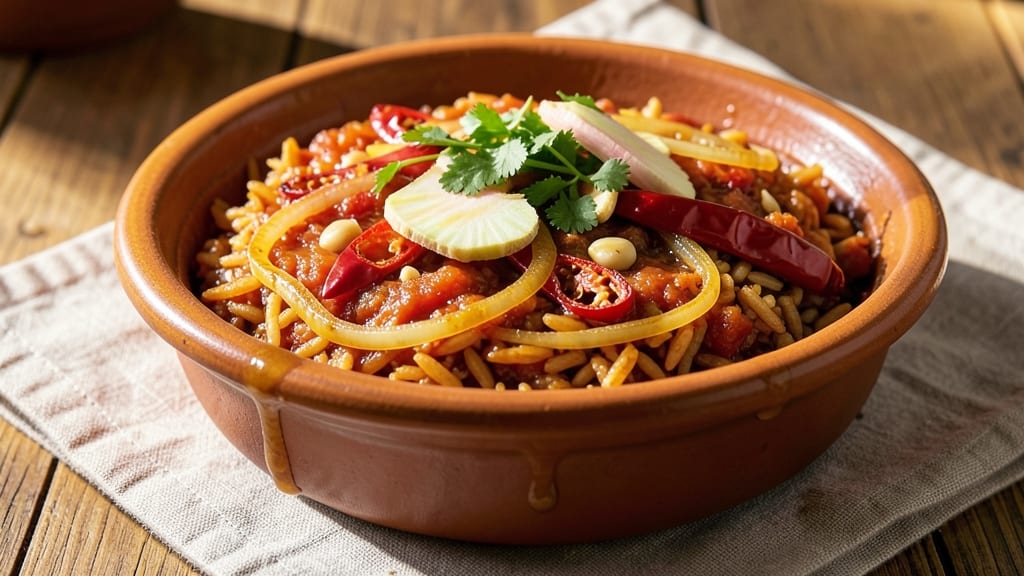
This traditional jollof rice recipe brings the bold, tomato-pepper spice showdown West Africa is famous for—where every bite tells a story of cultural pride and flavor mastery. 🌟 The secret lies in the slow-cooked tomato-pepper base that infuses the rice with deep, smoky notes, while the one-pot method preserves authenticity without sacrificing simplicity.
I've perfected this version through years of testing, balancing the heat and acidity that define regional variations from Nigeria to Senegal.
The foundation of great jollof starts with properly soaking the rice (never skip this step!) and building the sauce from scratch—blending tomatoes, Scotch bonnet peppers, and aromatic spices until you achieve that signature red-orange hue.
Traditional techniques like pressure cooking or slow simmering ensure tender rice and deeply flavorful broth, while proteins like chicken or beef absorb the rich spices perfectly. This isn't just a side dish; it's a centerpiece that commands attention at any table.
What you'll end up with is perfectly balanced jollof: tender rice grains coated in a velvety, slightly tangy sauce, with proteins that fall apart at the touch of a fork.
The aroma alone will have everyone gathering around your table, and the first bite delivers that unmistakable West African flavor profile—savory, slightly sweet, and just spicy enough to linger. Serve with fried plantains or coleslaw to complete the experience. Let's get cooking!
This recipe honors the tradition while making it accessible for home cooks—no special equipment required beyond what you likely already have. Whether you're preparing for a family gathering or simply craving a taste of home, this method delivers restaurant-quality results that will have you making it again and again.
The key is patience: letting the flavors develop slowly is what transforms this from a simple rice dish into a cultural masterpiece.
Ingredients for jollof rice traditional
Sixteen ingredients to bring West Africa's boldest rice tradition to your table.
| Ingredient | Amount | Notes |
|---|---|---|
| Long-Grain Parboiled Rice 🍚 | 2 cups | Uncooked, soaked 30 minutes first |
| Fresh Tomatoes 🍅 | 4 whole | Roma or beefsteak preferred |
| Scotch Bonnet Peppers 🌶️ | 2 whole | Seeds removed for less heat |
| Yellow Onions 🧅 | 2 whole | Medium size, chopped fine |
| Fresh Ginger 🌿 | 1 inch | Peeled, roughly chopped |
| Garlic Cloves 🧄 | 6 cloves | Peeled, minced fine |
| Ground White Pepper 🌶️ | 1 tsp | Freshly ground preferred |
| Ground Nutmeg 🌿 | ½ tsp | Freshly grated if possible |
| Dried Thyme 🌿 | 1 tsp | Or 1 tbsp fresh thyme |
| Bay Leaves 🍃 | 2 whole | Dried, removed before serving |
| Chicken Thighs 🍗 | 1 ½ lb | Bone-in, skin-on preferred |
| Vegetable Oil 🫒 | ½ cup | For frying chicken |
| Chicken Bouillon Cubes 🧂 | 2 cubes | Knorr preferred for flavor |
| Salt 🧂 | 1 ½ tsp | Adjust to taste |
| Lemon Juice 🍋 | 1 tbsp | Freshly squeezed |
The tomatoes and Scotch bonnet peppers are non-negotiable—they create that signature red-orange sauce. Look for ripe, firm tomatoes at the grocery store, and if you can't find Scotch bonnet, habanero or serrano peppers work in a pinch (but reduce the amount by half). I always grab mine from the international aisle at Whole Foods or H-Mart—they carry fresh ones year-round. The chicken thighs? Bone-in, skin-on stays juicier, but boneless works if that's what you've got. Soak the rice for at least 30 minutes before cooking—this is the secret to fluffy grains.
No Scotch bonnet peppers? Blend the seeds and membranes from habanero or serrano into your sauce for heat without the whole pepper. Fresh ginger and garlic can be swapped for 1 tsp ground ginger and 2 tsp garlic powder, but you'll lose some depth. For the thyme, dried works fine—just use half the amount of fresh. The bouillon cubes? Knorr is the gold standard for that umami punch, but any good-quality brand works. If you're vegetarian, swap the chicken for extra firm tofu or chickpeas—just increase the bouillon cubes to 3 for enough flavor. And always taste your sauce before adding rice—adjust the salt and pepper now, not later.
This keeps beautifully for 3-4 days in the fridge, and freezes for up to 3 months—though honestly, it reheats even better the next day. I always make a double batch because it's perfect for meal prep. Store the rice and sauce separately if you're freezing, then reheat together. The chicken stays juicy even after reheating, which is a win. For serving, I like to garnish with fresh thyme leaves and a squeeze of lemon juice—trust me, it makes all the difference. Leftovers? Jollof gets even better as the flavors meld overnight.
Why You'll Love This Recipe
- One-Pot Magic: I swear by this—just rice, tomatoes, onions, and a couple of peppers in one pot. No measuring cups, no extra bowls, no stress. The rice soaks up the flavor naturally, and honestly? I’ve made it with my eyes closed (not recommended, but possible).
- Fiery Tomato Kiss: That blend of fresh tomatoes and Scotch bonnet—sweet, tangy, with just enough heat—is what makes this rice dangerously good. The ginger ties it all together, giving it depth without overpowering. My kids fight over the last bite, and I don’t even have to pretend it’s fancy.
- Party in a Box: This is my go-to for birthdays, potlucks, or lazy Sundays. Double the batch, pack it in containers, and boom—you’ve fed a crowd with minimal effort. Between us, it’s the only dish that gets compliments and seconds at gatherings.
- Budget Win: Long-grain rice and seasonal tomatoes won’t break the bank, and a single Scotch bonnet stretches across three meals. I’ll be real: it’s the kind of dish that makes grocery day feel like a victory. Plus, leftovers? Even better the next day—if you can resist eating them all.
Step-by-step instructions for jollof rice traditional recipe
Here's the method that delivers that iconic West African tomato-pepper flavor you crave.
🍳 Step 1: Fry the Chicken Thighs Until Golden
Heat the 0.5 cup vegetable oil in a large pot over medium-high heat until shimmering. Add the 1.5 lb chicken thighs (skin-side down) and fry for 5-6 minutes until the skin is deep golden brown and crispy.
Flip the thighs and cook for another 4-5 minutes until the meat reaches 165°F internally. Remove the chicken and set aside on a plate, leaving the rendered oil in the pot. This golden oil is where all the flavor lives—don't drain it!
🥘 Step 2: Build the Spice Base in the Same Pot
In the same pot with the chicken oil, add the 2 whole yellow onions (chopped fine) and cook for 3-4 minutes until softened and translucent. Add the 6 cloves garlic cloves (minced) and 1 inch fresh ginger (roughly chopped) and cook for 1 minute until fragrant.
Now add the 4 whole fresh tomatoes (chopped), 2 whole scotch bonnet peppers (seeds removed, chopped), 1 tsp dried thyme, 1 tsp ground white pepper, 0.5 tsp ground nutmeg, 2 whole bay leaves, and 1.5 tsp salt. Stir well and cook for 10 minutes until the tomatoes break down into a thick, vibrant paste.
🔥 Step 3: Cook the Rice to Perfect Texture
Drain the soaked 2 cups long-grain parboiled rice (soaked for 30 minutes) and add it to the pot. Stir to coat the rice evenly in the spice mixture. Pour in 3 cups water (yes, it looks like too much, but trust me) and add the 2 cubes chicken bouillon cubes. Bring to a boil, then reduce heat to low and cover tightly.
Simmer for 20 minutes without lifting the lid. After 20 minutes, check the rice—it should be tender but still slightly firm. If it's not done, cook for another 5-10 minutes. The rice should absorb all the liquid but still have a slight bite.
⏰ Step 4: Finish with Chicken and Brighten with Lemon
Return the fried chicken thighs to the pot and gently fold them into the rice. Cover and cook for another 5 minutes to let the chicken absorb the flavors. Stir in the 1 tbsp lemon juice and taste—this brightens the dish and balances the richness.
Remove the 2 bay leaves before serving. Let the rice rest for 5 minutes covered—this lets the flavors meld and the rice steam to perfection. Serve immediately with crispy fried plantains or a simple green salad.
Pro Tips For Making Jollof Rice Traditional
- Sauté Onions Until Golden: I used to rush this step, but those pale onions ruin the whole dish. Cook the sliced yellow onions in hot oil until they’re deep golden—almost caramelized—before adding tomatoes. That sweet, rich base is what makes traditional jollof sing.
- Blanch Tomatoes First: Toss chopped tomatoes into boiling water for 30 seconds, then drain. This removes excess water and concentrates their flavor, so your sauce doesn’t turn into a watery mess. Trust me, your rice will thank you.
- Don’t Stir the Rice: After adding the rice to the sauce, resist the urge to keep checking on it. Let it sit undisturbed for 5 minutes so the grains absorb the liquid evenly. Stirring too soon just breaks them up—you want fluffy, separate grains.
- Use Whole Scotch Bonnets: Tossing in whole peppers (seeds and all) gives you control over the heat. If you want milder jollof, remove the seeds and membranes first. If you’re feeling bold, leave them in—but keep a glass of water nearby.
Storing and reheating this jollof rice traditional
Fridge Storage Tips
Jollof rice keeps beautifully in the fridge for 3-4 days when stored in an airtight container—I use glass Pyrex with snap-on lids to maintain freshness. Let it cool completely before transferring to avoid condensation, which can make the rice soggy.
The sauce and rice separate slightly when cold, so give it a good stir before reheating. 🥶
For best results, store the rice and sauce together in one container. If you're prepping for meal prep, portion into individual containers with a small amount of sauce on top—this helps retain moisture during reheating.
I always make a double batch because the flavors deepen overnight, making leftovers even more delicious.
Freezer-Friendly Method
Freezing jollof rice is a game-changer for busy weeks—it holds up for up to 3 months without losing its vibrant color or rich flavors. Use quart-sized freezer bags or airtight containers, leaving 1 inch of headspace for expansion.
I recommend freezing the rice and sauce together in the same container to preserve texture. 🧊
Thaw overnight in the fridge before reheating. For quick meals, microwave individual portions covered with a damp paper towel on 70% power for 3-4 minutes, stirring halfway. If using the stovetop, add 2-3 tablespoons of water or chicken broth to prevent drying out.
Stovetop Reheating
My preferred method for reheating jollof is stovetop because it restores the sauce's velvety texture perfectly. Place the rice in a heavy-bottomed pot over medium-low heat and add 2-3 tablespoons of water or chicken broth.
Cover and heat for 5-7 minutes, stirring gently to distribute the moisture evenly. 🔥
For extra flavor, add a splash of lemon juice or a pinch of salt while reheating—this brightens the dish and balances any dried-out areas. If the rice looks too dry, add more liquid in small increments until it reaches the desired consistency.
Microwave Shortcuts
When time is tight, the microwave works in a pinch. Transfer the jollof to a microwave-safe dish, cover loosely with a damp paper towel, and heat on 70% power for 2-3 minutes. Stir well, then continue heating in 30-second intervals until reaching 165°F internally. 💡
Avoid overcooking in the microwave, as it can make the rice mushy. If the sauce separates, stir vigorously to re-emulsify it. For best results, let the rice sit covered for 1-2 minutes after microwaving to redistribute any excess moisture.
Nutrition facts
Frequently asked questions
Why does traditional jollof rice need Scotch bonnet peppers?
Scotch bonnet peppers are essential for that signature West African heat and fruity depth. Their unique flavor profile creates the perfect balance of spice and sweetness in the tomato-pepper base. If unavailable, habanero or serrano peppers work—but use only half the amount and remove seeds for milder heat.
Can I make jollof rice without chicken?
Traditional jollof pairs beautifully with beef, fish, or even plant-based proteins like tofu or chickpeas. For beef, use stew meat cut into chunks and brown thoroughly. For fish, opt for firm white fish like tilapia or cod. Just increase bouillon cubes by 1 to compensate for flavor differences.
What's the secret to perfectly fluffy jollof rice?
Soaking the rice for 30 minutes before cooking removes excess starch, preventing mushiness. The one-pot method with just 3 cups water (not 4!) ensures the rice absorbs all the flavorful liquid without turning soggy. Never stir the rice while cooking—just let it steam undisturbed for 20 minutes.
Why does my jollof sauce turn out too acidic?
Too many tomatoes or not enough cooking time can make the sauce overly tangy. Balance it by adding 1 tbsp lemon juice at the end or a pinch of sugar to mellow the acidity. For future batches, reduce tomatoes by 1 or simmer the sauce longer (up to 15 minutes) before adding rice to concentrate flavors.
How do I make jollof rice in a rice cooker?
Use the same one-pot method but adjust liquid to 2.5 cups water (rice cookers need slightly less). After frying chicken and building the spice base, add rice, water, and bouillon. Cook on high for 25 minutes, then switch to "keep warm" for 5 minutes. Add chicken back in, cover, and let sit for 5 minutes before serving.