
Main Courses
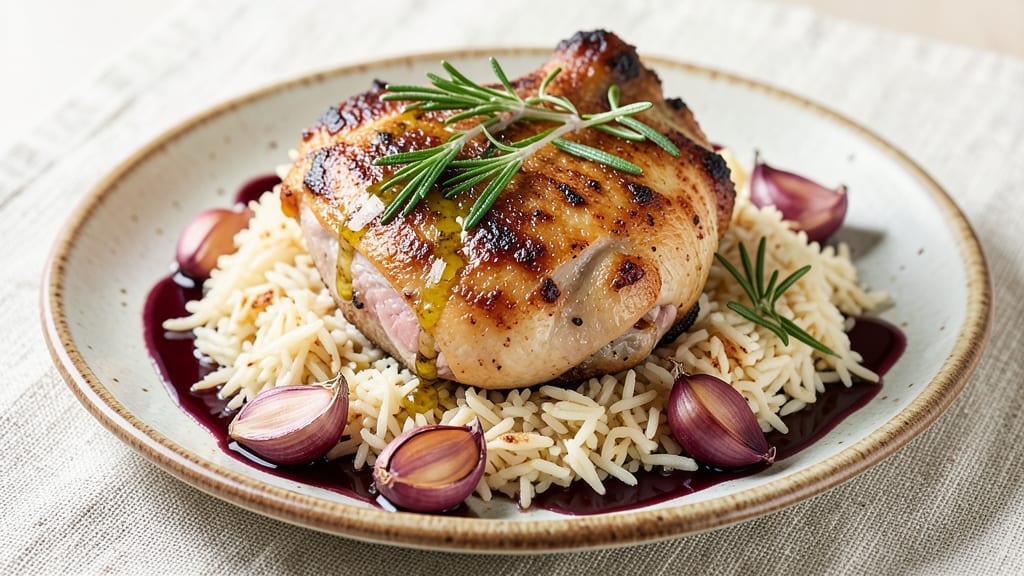
This lamb leg with rice recipe delivers restaurant-quality results with crispy rosemary-kissed skin and juicy, tender meat that falls apart at the touch of a fork. The secret lies in a simple marinade and precise roasting technique that transforms a simple cut into a showstopping centerpiece.
I’ve perfected this dish over years of hosting dinner parties, where it consistently earns rave reviews—and leftovers disappear just as quickly.
The recipe pairs the lamb with a fragrant herbed basmati rice that absorbs the meat’s rich flavors while maintaining its signature fluffiness. No fancy equipment is needed—just a roasting pan, a timer, and patience for the slow cook that ensures perfect doneness every time.
The rosemary and garlic marinade infuses the lamb deeply, while the high-heat finish creates that golden, crackling crust that’s impossible to resist.
By the time you serve this dish, your table will be adorned with a juicy lamb leg resting on a bed of aromatic rice, its surface glistening with caramelized juices. The meat will be so tender it nearly melts, while the rice stays light and fragrant.
This is the kind of meal that makes guests ask for the recipe—and the kind that turns a weeknight into a celebration.
Whether you’re cooking for a crowd or treating yourself to a special dinner, this foolproof method ensures success. The rice cooks alongside the lamb, so you’re not stuck managing two timers. Let’s get started—your taste buds (and dinner guests) will thank you.
Ingredients for lamb leg with rice
Six ingredients transform a simple lamb leg into a showstopping centerpiece with crispy skin and melt-in-your-mouth tenderness.
| Ingredient | Amount | Notes |
|---|---|---|
| Lamb Leg (French-Style) 🐑 | 4 lb | Bone-in, frenched for crispy skin |
| Fresh Rosemary 🌿 | ½ cup | Stems removed, finely chopped |
| Garlic Cloves 🧄 | 8 cloves | Peeled, smashed for marinade |
| Extra-Virgin Olive Oil 🫒 | ⅓ cup | High-quality, fruity variety |
| Kosher Salt 🧂 | 1 ½ tbsp | Diamond Crystal preferred |
| Freshly Ground Black Pepper 🌶️ | 1 tsp | Cracked peppercorns preferred |
| Basmati Rice 🍚 | 2 cups | Uncooked, long-grain preferred |
| Chicken or Vegetable Broth 💧 | 3 cups | Low-sodium preferred |
| Unsalted Butter 🧈 | 2 tbsp | Cold, cubed for rice |
| Lemon Zest 🍋 | 1 tbsp | From 1 large organic lemon |
| Fresh Thyme Leaves 🌿 | ¼ cup | Stripped from stems |
| Red Wine Vinegar 🍷 | 1 tbsp | For rice brightness |
| Yellow Onion 🧅 | 1 whole | Diced, for rice base |
The lamb leg is your star—French-style with the frenched end gives you that perfect crispy skin while keeping the meat juicy. Costco or Whole Foods carry the best cuts, but any butcher will have it if you ask for 'bone-in leg of lamb.' Look for good marbling and a vibrant pink color. Fresh rosemary matters here; dried won't cut it—the aroma is half the magic. I always buy extra because it freezes beautifully for future marinades. The garlic should be freshly smashed, not pre-minced from a jar—it releases more flavor.
No fresh rosemary? Dried at half the amount works in a pinch, but trust me, it's not the same. Short on time? Pre-chopped rosemary from Trader Joe's saves minutes. The rice calls for basmati—jasmine works too, but basmati stays distinct. For the broth, low-sodium is key—you don't want to over-salt the rice. The butter should be cold and cubed when you add it to the rice; don't melt it first. And that lemon zest? Organic lemons have more flavor, but conventional works too—just make sure it's bright yellow, not pale.
Leftover lamb? Reheats beautifully—warm it gently in the oven with a splash of broth. The rice keeps 3-4 days in the fridge, but it's best eaten fresh. For extra flavor, store the lamb and rice separately and reheat together. The marinade leftovers? Freeze for up to 3 months—perfect for quick weeknight dinners. And if you're feeding a crowd, double the rice batch; it disappears faster than the lamb.
Why You'll Love This Recipe
- One-Pan Magic: I swear by this—just sear the lamb leg, toss in the garlic and rosemary, then let it slow-roast while rice simmers nearby. No flipping pans, no stress, just hands-off perfection.
- Rosemary-Kissed Crust: That crispy, golden edge on the lamb? Pure magic from the olive oil and rosemary—it’s like a fragrant hug in every bite, and the garlic? It melts into the meat instead of overpowering.
- Weeknight Crowd Pleaser: Honestly, this feeds six but costs less than takeout for two. My in-laws rave about it, my kids pick the rosemary sprigs off their plates (but still eat it), and it’s the only thing I make when friends drop by unannounced.
- Leftovers That Shine: The meat actually gets better the next day—tender, juicy, and perfect for wraps or salads. I brown a second lamb leg on day two, freeze it, and boom: instant Sunday dinner with zero effort.
Step-by-step instructions for rosemary-kissed lamb leg
Here's how to transform a simple lamb leg into a showstopper with perfectly crisped skin and melt-in-your-mouth tenderness.
Prepare the Lamb for Maximum Flavor and Crisp
Start by patting the 4 lb Lamb Leg (French-Style) completely dry with paper towels—this is non-negotiable for crispy skin. I like to work in stages, first removing any excess fat from the surface while leaving the fat cap intact for natural basting during cooking. The French-style cut with its exposed frenched bone will develop that coveted crust we're after.
In a small bowl, combine the 0.5 cup Fresh Rosemary, 8 cloves Garlic Cloves (smashed), 0.33 cup Extra-Virgin Olive Oil, 1.5 tbsp Kosher Salt, and 1 tsp Freshly Ground Black Pepper. Rub this mixture all over the lamb, pressing it into the meat and working it into the crevices. The rosemary's piney aroma will infuse beautifully, while the garlic and olive oil create a flavorful barrier that prevents drying. Let the lamb sit at room temperature for 30 minutes while you prepare the rice—this ensures even cooking from edge to center.
Roast the Lamb Low and Slow for Perfect Doneness
Preheat your oven to 325°F. Place the seasoned lamb leg fat-side up on a wire rack set in a roasting pan—this allows hot air to circulate underneath for even cooking. Roast for 2 hours until the internal temperature reaches 145°F when measured at the thickest part of the leg (not touching bone). The skin should be golden brown and crisp, while the meat will still have a slight resistance when pierced with a fork.
Here's the thing—don't be tempted to open the oven door during cooking. Every time you peek, you lose 15-20 minutes of cook time as the heat escapes. The lamb will develop its own steam, creating that beautiful bark we want. If you notice the skin browning too quickly after 1 hour 30 minutes, tent loosely with foil to prevent over-browning while maintaining the internal temperature.
Rest and Carve for Juicy Perfection
Remove the lamb from the oven and transfer it to a cutting board. Let it rest for 20-30 minutes before carving—this resting period is crucial for redistributing the juices throughout the meat. The internal temperature will rise another 5-10°F during this time (carryover cooking), so don't worry if it doesn't reach 145°F immediately upon removal.
While the lamb rests, prepare the 2 cups Basmati Rice using the 3 cups Chicken or Vegetable Broth, 2 tbsp Unsalted Butter, 1 tbsp Lemon Zest, 0.25 cup Fresh Thyme Leaves, 1 tbsp Red Wine Vinegar, and 1 whole Yellow Onion (diced). Cook the rice according to package instructions, but save ½ cup of the cooking liquid to adjust consistency if needed. The bright lemon and thyme will complement the rich lamb beautifully.
Carve and Serve with Confidence
After resting, slice the lamb against the grain into ½-inch thick portions. You'll see the grain direction in the meat fibers—cutting perpendicular creates tender, bite-sized pieces. The exterior should be deeply golden and crisp, while the interior remains juicy and pink in the center (though it will continue cooking slightly when sliced). Arrange the slices on a platter and drizzle with any accumulated pan juices for maximum flavor.
Serve the lamb alongside the herbed basmati rice. The combination of crispy skin, tender meat, and aromatic rice creates a harmonious balance of textures and flavors. Each bite should deliver that perfect contrast—crispy exterior giving way to succulent, juicy lamb. Save any leftovers for sandwiches the next day, but honestly, you might not have any left!
Pro Tips For Making Lamb Leg With Rice
- SEAR THE FAT SIDE DOWN: After trimming excess fat to ¼-inch, press the lamb leg hard into a screaming-hot pan with olive oil for 8–10 minutes—don’t move it. I used to rush this, and the crust turned to grease. Let the pan get black spots before adding anything else.
- SMASH GARLIC LIKE IT’S 1950: Crush those cloves with the flat side of your knife before mincing—this releases more flavor. I was skeptical until I tried it: the rice ends up with a deeper, almost nutty garlic punch instead of just a hint. No need to overdo it; 4–5 cloves is plenty for a 4-pound leg.
- DON’T LIFT THE FOIL: Once you’ve seared the lamb and added aromatics, tent it with foil loosely—just enough to let steam escape. I learned this the hard way: sealing it tight turns the meat into a sad, soggy brick. The crust is what makes this dish sing.
- REST IT UNDER FOIL: Pull the lamb off heat and give it a solid 15 minutes under foil before carving—yes, even if you’re starving. I know, I know, but skipping this means juices pool on your plate instead of in the meat. Use a meat thermometer (145°F internal) to avoid guessing.
Regional styles of this dish
Middle Eastern Style
Inspired by Levantine cuisine, this version swaps rosemary for 1 tbsp ground cumin and 1 tbsp coriander in the marinade, plus 2 tbsp harissa paste for heat. Cook the lamb with 1 whole cinnamon stick and 4 cloves cardamom tied in cheesecloth for aromatic depth.
Serve with saffron-infused basmati rice (steep ¼ tsp saffron threads in 2 tbsp warm water before adding to broth). Garnish with toasted pine nuts and fresh mint for a vibrant, spice-forward dish. 🌶️
Mediterranean Greek
For a Greek-inspired twist, marinate the lamb with 1 tbsp dried oregano, 1 tsp ground cinnamon, and 2 tbsp red wine instead of olive oil. Roast it alongside 1 whole lemon and 4 sprigs fresh oregano in the pan.
Cook the rice with 1 tsp dried dill and a splash of lemon juice for brightness. Finish with a drizzle of olive oil and a sprinkle of crumbled feta cheese—this version feels fresh and herbaceous. 🍋
North African Tagine
Transform this into a tagine-style dish by slow-cooking the lamb with 1 cup diced apricots, 1 cup pitted green olives, and 1 tsp ground ginger in the marinade. Cook the rice separately as a side (or use couscous for authenticity).
Serve the lamb with its rich sauce spooned over the rice, topped with toasted almonds and fresh cilantro. The sweet-tangy apricots balance the lamb's richness beautifully. 🍈
British Sunday Roast
Elevate this for a British Sunday dinner by wrapping the lamb in pork-free bacon strips (secured with toothpicks) before roasting. Add 2 tbsp Dijon mustard to the marinade for depth.
Serve with Yorkshire pudding rice (cook rice in broth with 2 tbsp cornstarch for a custardy texture) and horseradish cream. The bacon adds a smoky crunch that pairs perfectly with the crispy skin. 🥓
Indian Lamb Vindaloo
For a bold Indian twist, marinate the lamb with 2 tbsp goa powder, 1 tbsp turmeric, and 1 tbsp vinegar overnight. Roast it at 350°F for 2 hours 30 minutes until tender.
Cook the rice with 1 tsp garam masala and ½ cup coconut milk for a creamy finish. Serve with pickled onions and a side of raita (yogurt with cucumber and mint). The vindaloo spices create a fiery, aromatic experience. 🔥
Nutrition facts
Frequently asked questions
How do I know when the lamb leg is fully cooked?
Use a meat thermometer to check the internal temperature at the thickest part (not touching bone). The lamb is perfectly done at 145°F. It will continue rising 5-10°F while resting, so don't overcook. The skin should be golden and crisp, while the meat should have slight resistance when pierced.
Can I substitute basmati rice with another type?
Jasmine rice works beautifully for a slightly sweeter flavor. For extra fluffiness, try long-grain white rice, but basmati stays distinct and aromatic. Avoid short-grain varieties like sushi rice—they'll turn out sticky rather than light and separate.
What's the best way to reheat leftover lamb leg?
Reheat gently in a 325°F oven for 15-20 minutes with a splash of broth to keep it moist. Never microwave directly—it'll dry out. For rice, warm in a pot with a lid over low heat, stirring occasionally to prevent sticking. Both reheated perfectly will taste almost as good as fresh!
How far ahead can I marinate the lamb?
The marinade works best for 4-12 hours in the fridge. Longer than 12 hours can make the meat mushy. For extra flavor without over-marinating, try a 2-hour room-temperature marinade followed by overnight refrigeration. Just pat dry thoroughly before roasting for crispy skin.
Why did my lamb skin turn rubbery instead of crispy?
This usually happens when the lamb wasn't patted completely dry before roasting or the oven wasn't hot enough. For perfect crispiness, dry the lamb thoroughly with paper towels and roast at 325°F with the fat-side up. If the skin browns too quickly, tent loosely with foil after 1 hour 30 minutes to maintain moisture.