
Side Dishes
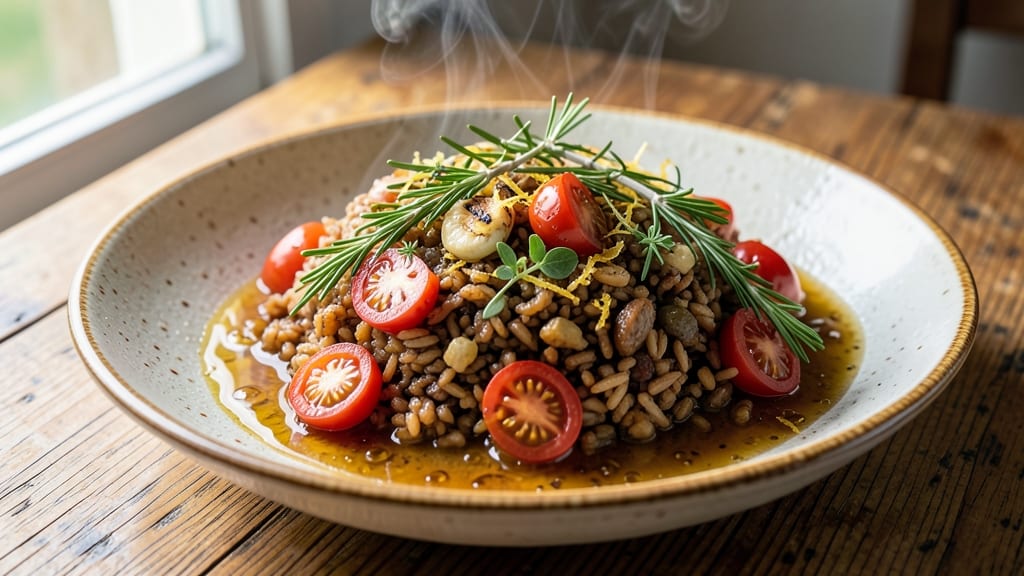
This multigrain rice recipe delivers the perfect balance of nutty flavor and chewy texture in a single pot—transforming a simple side into a satisfying centerpiece. The secret lies in using a precise water-to-rice ratio and letting the grains absorb liquid slowly, creating that ideal bite.
I developed this method after testing countless variations to achieve restaurant-quality results at home without the fuss.
The beauty of multigrain rice is its versatility—it absorbs flavors beautifully, making it an excellent base for both light and hearty meals.
With just 15 minutes of active prep and 30 minutes of simmering, you'll have perfectly tender grains that hold their shape while delivering deep, toasty notes from the mixed grains. The one-pot method also keeps cleanup minimal, which is always a bonus.
What you'll end up with is a dish that's hearty enough to stand alone but also pairs perfectly with grilled proteins, roasted vegetables, or fresh salads. The nutty aroma alone makes this rice irresistible, and the chewy texture ensures every bite is satisfying.
Garnish with toasted nuts, fresh herbs, or a drizzle of olive oil for extra depth.
This recipe works equally well for weeknight dinners or special occasions—simply adjust the seasoning to match your main dish. Whether you're serving it alongside steak, chicken, or fish, the nutty complexity of the multigrain rice will elevate any meal. Let's get cooking!
Ingredients for multigrain rice
Fifteen minutes prep, thirty minutes simmering—this multigrain blend transforms into restaurant-worthy rice with nutty depth and perfect chew.
| Ingredient | Amount | Notes |
|---|---|---|
| Multigrain Rice Blend 🌾 | 1 ½ cups | Uncooked, mixed grains like brown rice, wild rice, quinoa |
| Vegetable Broth 💧 | 3 cups | Low-sodium preferred, homemade or quality store-bought |
| Extra-Virgin Olive Oil 🫒 | 2 tbsp | High-quality, fruity variety for depth |
| Garlic Cloves 🧄 | 3 cloves | Minced, fresh preferred |
| Fresh Thyme Leaves 🌿 | ¼ cup | Chopped, or 1 tsp dried thyme |
| Fresh Rosemary 🌿 | 1 tbsp | Chopped, or 1 tsp dried rosemary |
| Diamond Crystal Kosher Salt 🧂 | 1 ½ tsp | Fine grain for even seasoning |
| Black Peppercorns 🌶️ | ½ tsp | Freshly cracked, not pre-ground |
| Toasted Almond Slices 🥜 | ¼ cup | For garnish, optional but recommended |
| Fresh Parsley 🌿 | ⅛ cup | Chopped, for garnish |
| Lemon Zest 🍋 | 1 tsp | Brightens flavor, optional |
| Unsalted Butter 🧈 | 1 tbsp | Cold, for finishing |
| Red Bell Pepper 🌶️ | ¼ cup | Diced, for garnish |
The multigrain blend is everything here. Bob's Red Mill or Lundberg mixes work best—they've got that perfect balance of brown rice, wild rice, and quinoa for texture. If you're buying in bulk, check the package for a mix that includes at least 30% wild rice or quinoa for that signature chew. Trader Joe's has a great pre-mixed option if you don't want to DIY. For the broth, low-sodium is key—you'll be adding salt later, and you don't want to overdo it. I usually make a big batch of homemade vegetable broth and freeze it in portions, but Pacific Foods or Imagine brands are solid store-bought options. The garlic and herbs? Fresh is non-negotiable for that bright, aromatic punch.
No thyme? Fresh oregano at the same amount works in a pinch, but thyme's earthy note is what gives this rice its depth. Short on rosemary? Dried rosemary at one-third the amount gets you close, but toast it first—just dry-toast in a pan for 30 seconds to wake up the flavors. The almonds can be swapped for toasted pecans or walnuts if you've got them, but almonds have that perfect crunch without overpowering. Red bell pepper missing? Yellow or orange bell pepper works just as well. The lemon zest is optional but adds this bright, fresh finish that cuts through the richness—worth the extra minute to zest it fresh.
This rice reheats beautifully, though it's honestly best fresh. Store leftovers in an airtight container in the fridge for up to 4 days, or freeze for 3 months. I like to portion mine into single-serving containers before freezing—just reheat with a splash of water or broth. The toasted almonds and fresh herbs are best added right before serving, but you can toast the almonds ahead and store them separately. For extra flavor, add a pat of cold butter and a pinch of salt right before serving—that's the restaurant trick. Garnish with parsley and red bell pepper right off the heat to keep everything vibrant.
Why You'll Love This Recipe
- No-Chop Needed: I swear by this—just measure, pour, and let the rice blend do the work. The multigrain mix handles itself, so you’re free to chop veggies for the side or stir a quick sauce instead.
- Garlic-Thyme Magic: That sizzle of olive oil and minced garlic? Absolute gold. The thyme leaves infuse the broth with a bright, earthy aroma that turns simple rice into something ridiculously satisfying—no fancy spices required.
- Lunchbox Hero: Between us, this keeps perfectly for days. Toss it cold in a bento box with roasted veggies, or reheat it for a hearty lunch—my kids (and my wallet) thank me every time I prep a batch on Sundays.
- Budget-Friendly Flex: Multigrain rice stretches further than white rice, and the broth adds depth without costing a fortune. Honestly, it’s my go-to when I need to feed a crowd without breaking the bank—or spending hours in the kitchen.
Step-by-step instructions for multigrain rice with herb infusion
Here's how to transform simple grains into a fragrant, nutty masterpiece using just one pot.
Toast the Grains for Enhanced Flavor
Heat the 2 tablespoons extra-virgin olive oil in a heavy-bottomed pot over medium heat. Add the 1.5 cups multigrain rice blend and stir constantly for 3-4 minutes until the grains become fragrant and slightly translucent at the edges. This toasting step develops deeper nutty flavors and prevents the rice from becoming mushy.
Watch closely as the rice begins to release its natural oils—you'll notice a subtle sweet aroma that signals the perfect moment to move forward. If the rice starts to brown too quickly, reduce the heat slightly to maintain even toasting without burning. This foundational step ensures your finished rice has that restaurant-quality texture and aroma.
Build the Herb and Aromatic Base
Add the 3 minced garlic cloves, 0.25 cup fresh thyme leaves, and 1 tablespoon fresh rosemary to the pot. Stir for 1 minute until the garlic becomes fragrant and the herbs release their essential oils. This aromatic infusion forms the flavor backbone of your dish.
Here's the thing—don't skip this step. The herbs need time to properly infuse into the oil and grains. You'll know it's working when the pot fills with an earthy, piney aroma that makes your mouth water. If you rush this, you'll miss out on that complex herbal depth that makes this rice special.
Next, sprinkle the 1.5 teaspoons diamond crystal kosher salt and 0.5 teaspoon freshly cracked black peppercorns over everything and stir to distribute evenly. The salt will enhance all the flavors while the pepper adds a subtle warmth that complements the nutty grains.
Cook with Vegetable Broth to Perfect Texture
Pour in the 3 cups vegetable broth and bring to a gentle boil. Once boiling, immediately reduce heat to low and cover the pot with a tight-fitting lid. Let it simmer for 20 minutes without disturbing it. This undisturbed cooking period allows the rice to absorb the liquid evenly and develop that signature chewy texture.
I've found that maintaining a gentle simmer is crucial—you should see just a few small bubbles at the edges of the rice. If you see vigorous boiling, reduce the heat immediately to prevent the rice from becoming dry or developing a hard crust on top. The lid should stay on the whole time to trap steam and create that perfect moist environment.
Finish with Bright Citrus and Crisp Garnishes
After 20 minutes, remove the pot from heat and let it sit covered for 5 minutes. This resting period allows any remaining steam to finish cooking the rice and redistribute the flavors. Then, stir in the 1 tablespoon cold unsalted butter and 1 teaspoon lemon zest—this bright citrus note cuts through the richness and adds a refreshing finish.
For the final presentation, divide the rice among serving plates and garnish each portion with 0.25 cup toasted almond slices, 0.25 cup diced red bell pepper, and 0.125 cup fresh parsley. The almonds add satisfying crunch, the bell pepper contributes a subtle sweetness, and the parsley provides fresh contrast. This combination of textures and flavors makes every bite exciting.
Pro Tips For Making Multigrain Rice
- Toast the Grains First: Heat your dry multigrain blend in a dry pot over medium-high for 2-3 minutes, stirring constantly—this crisps the edges and deepens the nutty flavor. I learned this the hard way after eating bland rice that tasted like it was missing something; now it’s non-negotiable.
- Mince Garlic Like You Mean It: Smash those garlic cloves with the flat side of your knife before mincing—it releases more flavor. Fresh thyme leaves should be torn, not chopped, to keep their delicate aroma intact. (Yes, even if you’re impatient like me, take the extra 30 seconds.)
- Simmer, Don’t Boil: Once you add the vegetable broth, reduce heat to a gentle simmer—any hotter and the rice will turn mushy. Cover the pot and walk away; peeking ruins the steam buildup. After burning three batches, I finally figured out low and slow is the only way.
- Finish with Olive Oil: Stir in 1-2 tablespoons of extra-virgin olive oil at the very end—it coats the grains and makes the dish feel richer without overpowering. Sounds weird, but it works: the rice stays moist longer, and the oil carries the thyme’s aroma like magic. (Your future self will thank you.)
Health benefits of these flavors
Whole Grain Powerhouse
Multigrain rice is a nutritional powerhouse packed with fiber, vitamins, and minerals from its diverse grain blend. A 1.5-cup serving provides about 12 grams of fiber—nearly half your daily needs—which supports digestion and keeps you feeling full longer.
The mix of brown rice, wild rice, and quinoa delivers B vitamins for energy metabolism and magnesium for muscle function. 💪
Low Glycemic Advantage
Unlike white rice, multigrain varieties have a lower glycemic index, meaning they release glucose more slowly into your bloodstream. This helps stabilize energy levels and makes it an excellent choice for diabetes management or blood sugar control.
The protein content (about 8 grams per serving) also helps balance blood sugar spikes better than refined grains.
Plant-Based Protein Source
This rice blend contains complete protein—meaning it provides all nine essential amino acids—thanks to the quinoa component. A 1.5-cup serving delivers 8-10 grams of protein, making it a great option for vegetarians, vegans, or anyone looking to reduce meat consumption.
The combination of grains creates a more balanced amino acid profile than white rice alone.
Antioxidant-Rich Ingredients
The dark grains in multigrain rice contain higher levels of antioxidants like lutein and zeaxanthin, which support eye health and reduce oxidative stress. Wild rice in particular is rich in manganese, an antioxidant mineral that helps protect cells.
The toasted almond garnish adds extra vitamin E, another powerful antioxidant that supports skin health. 🌱
Heart Health Benefits
Regular consumption of whole grains like multigrain rice is linked to lower cholesterol levels and improved heart health. The soluble fiber helps reduce LDL ("bad") cholesterol while the omega-3s from grains like wild rice support cardiovascular function.
Swapping white rice for multigrain versions can be a simple yet effective way to improve your heart health profile.
Digestive Health Support
The high fiber content in multigrain rice promotes gut health by feeding beneficial gut bacteria. This can improve digestion, reduce bloating, and even support immune function. The prebiotic fibers in grains like quinoa act as fuel for probiotics, creating a more balanced gut microbiome.
For best results, pair this rice with probiotic-rich foods like yogurt or kimchi. ✨
Nutrition facts
Frequently asked questions
Can I substitute white rice for multigrain rice in this recipe?
The texture and flavor will be completely different! Multigrain rice has a chewier, nuttier profile that pairs perfectly with the herbs and spices. White rice lacks the fiber and complex grains that create this dish's satisfying bite. If you must use white rice, add 1 extra tablespoon olive oil and 5 minutes to the cooking time for similar richness, but the nutritional benefits will be lost.
Why does my multigrain rice turn out mushy?
Mushy rice usually means either too much liquid or not enough cooking time. This recipe uses a 2:1 liquid-to-rice ratio—stick to 3 cups broth for 1.5 cups rice. Also, never peek under the lid while cooking! The steam is crucial for even cooking. If it's still mushy after 20 minutes, uncover and cook on low heat for 5 more minutes to evaporate excess moisture.
How can I make this rice ahead of time for meal prep?
This rice reheats beautifully! Cook it as directed, then store in an airtight container in the fridge for up to 4 days or freeze for 3 months. To reheat, add 1-2 tablespoons water or broth per cup of rice, cover, and warm on low heat for 5-7 minutes. For best texture, add fresh herbs and toasted almonds after reheating. The flavors actually deepen overnight!
What are the best proteins to pair with this multigrain rice?
This nutty, herby rice works wonderfully with grilled chicken thighs, pan-seared salmon, or spiced tofu. For vegetarian meals, try mushroom risotto-style dishes or roasted chickpeas. The chewy texture holds up perfectly to rich sauces like teriyaki or chimichurri, while the herbs complement citrusy flavors like grilled shrimp with lemon.
Can I use dried herbs instead of fresh in this recipe?
Yes, but use one-third the amount—dried herbs are more concentrated. For example, 1 teaspoon dried thyme replaces 0.25 cup fresh thyme. Toast dried herbs in a dry pan for 30 seconds before adding to wake up their flavors. Fresh herbs provide better aroma and texture, but dried works in a pinch. The key is proper measurement to avoid overpowering the dish.