
Side Dishes
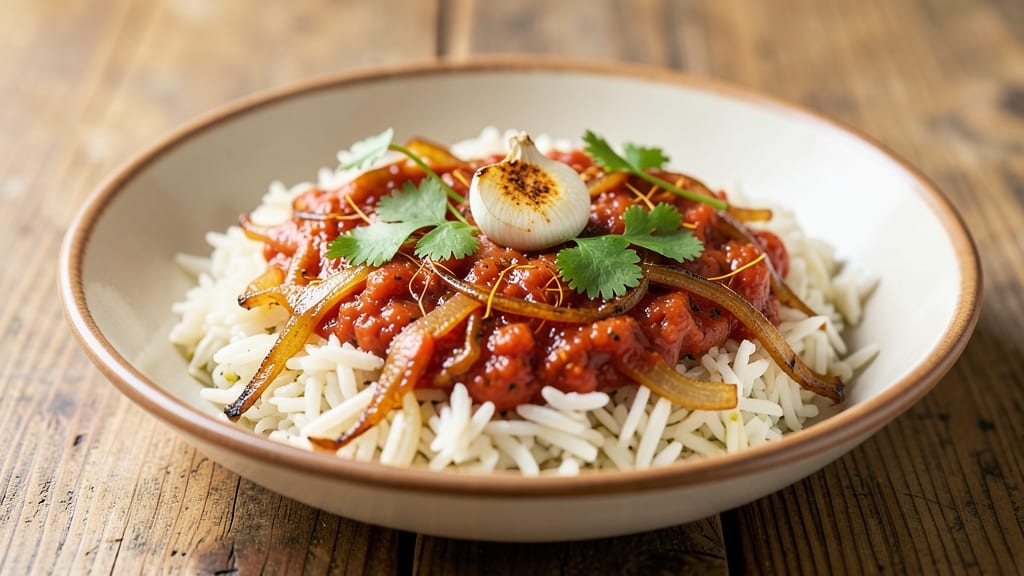
This old-fashioned Spanish rice with tomato sauce transforms simple ingredients into a dish that carries the weight of tradition—rich, aromatic, and deeply satisfying.
The secret lies in the layers: sofrito simmered until the onions melt into sweetness, tomato sauce that deepens into a velvety base, and saffron threads that dissolve into golden threads of magic.
My Nonna used to say real Spanish rice needed patience, and she was right—this isn’t a side dish, it’s the heart of the meal.
The key to success is the three-stage cooking method: first, toasting the rice until it releases its nutty aroma, then absorbing the flavors of the sofrito and tomato sauce before simmering in just enough liquid to create that signature tender, slightly sticky texture.
Traditional recipes call for hours in a cast-iron skillet, but this stovetop version delivers the same depth in under 45 minutes—no shortcuts, just smart timing. The smoky cumin and warm paprika ground the dish, while the saffron adds that unmistakable golden hue and floral notes.
What you end up with is a perfectly balanced dish—each grain distinct yet bound together by the sauce, infused with layers of flavor that build with every bite.
The aroma alone will have your kitchen smelling like a Spanish tapas bar, and the texture? Creamy yet firm, with just enough resistance to hold its shape. This is the kind of rice that disappears from plates before the main course even arrives. Ready to make it?
While this recipe shines as a side for grilled meats or seafood, it’s also hearty enough to serve as a main dish with a fried egg on top or alongside charred vegetables.
The beauty of Spanish rice lies in its versatility—adapt it to your menu, but never skip the saffron. That’s non-negotiable. Let’s get cooking.
Ingredients for old fashioned spanish rice recipe with tomato sauce
Simple ingredients that pack layers of smoky, saffron-kissed flavor—this rice deserves center stage.
| Ingredient | Amount | Notes |
|---|---|---|
| Long-Grain White Rice 🍚 | 1 ½ cups | Uncooked, like Carolina or Mahatma |
| Yellow Onions 🧅 | 1 whole | Diced, about 1.5 cups |
| Garlic Cloves 🧄 | 4 cloves | Minced, fresh preferred |
| Canned Tomato Sauce 🍅 | 1 cup | San Marzano preferred, no sugar added |
| Saffron Threads 🌼 | ¼ tsp | High-quality, crushed |
| Ground Cumin 🌿 | 1 tsp | Toasted for depth |
| Sweet Paprika 🌶️ | 1 tsp | Smoked works too |
| Bay Leaves 🍃 | 2 whole | Fresh if possible |
| Chicken Broth 💧 | 1 ½ cups | Low-sodium, homemade ideal |
| Extra-Virgin Olive Oil 🫒 | ¼ cup | For toasting rice |
| Salt 🧂 | 1 ½ tsp | Kosher or sea salt |
| Black Pepper 🌶️ | ½ tsp | Freshly ground |
| Fresh Parsley 🌿 | ¼ cup | Chopped, for garnish |
The rice is non-negotiable—Carolina or Mahatma grains stay separate and soak up flavors beautifully. Whole Foods or Latin markets usually carry them, but any long-grain will work. Saffron is the star, so splurge on threads, not powder—it’s the only way to get that golden hue and floral aroma. Toast the cumin and paprika in the olive oil first (just until fragrant)—this builds the smoky base. For the tomato sauce, San Marzano cans from Trader Joe's or Whole Foods are worth the trip; they’re sweeter and less acidic. If you can’t find them, any good-quality crushed tomatoes work, but taste first—some brands have weird aftertastes.
No saffron? Turmeric at half the amount gives color, but skip the flavor. Fresh bay leaves make a difference—dried works, but wash and dry them first to remove bitterness. Chicken broth can be swapped for vegetable broth or even water in a pinch, but the flavor will be lighter. Pre-diced onions save time, but cut them yourself if you’ve got 5 minutes—they’ll caramelize better. The parsley is just for garnish, but if you’re feeling fancy, add a pinch of smoked paprika to the finished rice for extra depth. And yes, you can make this vegan—just use vegetable broth and skip the chicken broth.
This rice tastes even better the next day—double the batch and store leftovers for up to 5 days. Reheat gently with a splash of broth to keep it moist. For meal prep, portion into glass containers—they keep flavors fresher. Freeze for up to 3 months if you’ve got extra; thaw overnight in the fridge. Garnish with parsley right before serving, or it’ll wilt into oblivion. The saffron-infused rice pairs perfectly with grilled meats, but it’s hearty enough to stand alone—just crack a fried egg on top for a Spanish-inspired brunch.
Why You'll Love This Recipe
- One-Pot Magic: I swear by this recipe because it’s literally one pan—no extra bowls, no sticky rice mess. Just toast the onions and garlic in olive oil, toss in the rice, pour on the tomato sauce, and let it simmer. The saffron steeps right in, staining the rice that golden hue without extra fuss.
- Saffron Secret Weapon: That tiny pinch of saffron threads? It’s what turns this from good rice to ridiculously good rice. The aroma alone makes my kitchen smell like a Spanish tapas bar, and the flavor? Deep, nutty, and just a little floral—like a hug in every bite. (Yes, even the canned tomato sauce gets an upgrade.)
- Weeknight Workhorse: This rice is my go-to when I’m feeding a crowd or just too tired to fuss. It pairs with grilled chicken, shredded beef, or even just a simple salad—no one ever turns it down. Plus, it’s the kind of dish that tastes better the next day, so I often make a big batch and save half for lunch.
- Budget-Friendly Luxury: Long-grain rice and canned tomato sauce won’t break the bank, but the saffron makes it feel special. I buy threads in bulk, and a little goes a long way—meaning this recipe stretches my grocery dollars without sacrificing flavor. (Between us, it’s my way of eating fancy on a tight budget.)
Step-by-step instructions for saffron Spanish rice
Here's how to make this classic dish—rich, aromatic, and packed with smoky cumin and saffron.
Sauté the Aromatics Until Fragrant
Heat the 0.25 cup extra-virgin olive oil in a heavy-bottomed pot over medium heat. Add the 1 whole yellow onions and cook for 5 minutes until softened and translucent. Here's the thing—don't rush this step. You want the onions to caramelize slightly at the edges.
Add the 4 cloves garlic cloves and cook for 30 seconds until fragrant. I like to stir constantly at this point—garlic burns fast. The moment you smell that sweet, nutty aroma, it's time to move on. This base will carry all the flavors through the cooking process, so take your time getting it right.
Toast the Spices and Rice
Reduce heat to medium-low and stir in the 1 tsp ground cumin, 1 tsp sweet paprika, 1.5 tsp salt, and 0.5 tsp black pepper. Toast for 1 minute until the spices release their aromas—you'll smell that earthy cumin warmth and sweet paprika depth. This is where the magic starts.
Add the 1.5 cups long-grain white rice and stir for 2 minutes until the grains are completely coated and slightly translucent. This toasting step prevents the rice from becoming mushy later. If you see any dry spots, stir them in—every grain needs that flavorful crust.
Add Tomato Sauce and Saffron
Pour in the 1 cup canned tomato sauce and stir well to combine with the rice. The sauce should coat all the grains evenly. Here's where the saffron comes in—crush the 0.25 tsp saffron threads between your fingers and sprinkle them over the rice. Let it sit for 30 seconds to bloom.
Add the 2 whole bay leaves and stir once more. The saffron will give the rice its signature golden hue and delicate floral aroma. Don't worry if it looks like too much—it's potent stuff, but it'll distribute perfectly through the rice. This is the moment that matters: the saffron needs time to infuse before the liquid comes in.
Simmer in Broth Until Tender
Pour in the 1.5 cups chicken broth and bring to a gentle boil. Once boiling, reduce heat to low and cover the pot. The key here is to maintain a gentle simmer—not a rolling boil, which can make the rice mushy. Simmer for 15 minutes without peeking or stirring.
After 15 minutes, check the rice. It should be tender but still have a slight bite. If it's not quite done, add 2-3 tablespoons of water and continue cooking for another 5 minutes. The rice needs to absorb all the liquid, but you don't want it to turn into porridge. Your oven might run hot, so start checking at the 12-minute mark if you're unsure.
Rest and Garnish
Once the rice is tender and all the liquid is absorbed, remove from heat and let it sit covered for 5 minutes. This resting period allows the rice to finish steaming and the flavors to meld. Don't skip this—it makes a huge difference in the final texture.
Fluff the rice gently with a fork and discard the bay leaves. Stir in the 0.25 cup fresh parsley for a bright finish. Serve immediately while still warm, with the parsley scattered on top. Each bite should deliver that perfect balance of smoky cumin, sweet tomato, and delicate saffron aroma. This is the kind of dish that tastes even better the next day, so leftovers are a bonus.
Pro Tips For Making Old Fashioned Spanish Rice Recipe With Tomato Sauce
- SOAK THE SAFFRON: I learned this the hard way—just tossing saffron threads into the pot means you’ll end up with specks of color and no real flavor. Crush the threads between your fingers (or a mortar and pestle) and steep them in 2 tablespoons of warm water for 10 minutes first. That way, the rice absorbs the golden aroma and depth, not just flecks of color.
- COOK THE ONIONS LOW: Spanish rice relies on caramelized onions for that sweet, deep base, but most people rush this step. After the initial sauté, drop the heat to medium-low and let those onions cook for 15–20 minutes—until they’re dark brown and jammy, not just soft. Patience here makes the whole dish taste richer.
- STIR THE RICE EARLY: Skipping the first 5 minutes of stirring after adding the rice to the pot is a mistake I made too many times. Stirring constantly for the first 3–4 minutes ensures every grain gets coated in the tomato-onion mixture, preventing dry spots. After that, you can ease up—just give it a quick stir every few minutes.
- USE STARCHY TOMATO SAUCE: Not all canned tomato sauce is created equal. For Spanish rice, pick one with a thicker consistency (like crushed tomatoes or even a small can of tomato paste mixed with a splash of water). Thinner sauces will turn the rice mushy, and you’ll end up with a watery, sad dish instead of the creamy, flavorful texture you want.
Storing and reheating this recipe
Refrigerator Storage
Spanish rice tastes even better the next day, so I always double the batch. Store leftovers in an airtight glass container—I use Pyrex with snap-on lids—and refrigerate for up to 5 days.
The flavors meld beautifully overnight, with the saffron aroma deepening and the spices settling into harmony. Just be sure to let it cool completely before sealing to prevent condensation. 🌱
Freezer Prep
For longer storage, portion the rice into quart-sized freezer bags or glass containers, leaving 1 inch headspace for expansion. Freeze for up to 3 months, though I find it loses some texture after 2 months.
Thaw overnight in the fridge before reheating—this preserves the grains' integrity. I label my bags with the date to track freshness.
Stovetop Reheating
My preferred method is stovetop reheating to maintain texture. Transfer rice to a skillet over medium-low heat and add 2-3 tablespoons of chicken broth or water. Cover and heat for 5-7 minutes, stirring occasionally, until warmed through.
The broth prevents drying while restoring the creamy consistency. Taste and adjust seasoning—it often needs a pinch of salt after reheating.
Microwave Method
For quick meals, use the microwave with caution. Transfer rice to a microwave-safe dish, sprinkle with 1 tablespoon water or broth, and cover loosely with a damp paper towel. Heat on 50% power for 2-3 minute intervals, stirring between each, until reaching 165°F.
This gentle approach prevents rubbery grains. Garnish with fresh parsley after reheating for that restaurant-quality finish. ⚡
Garnish Refresh
Always add fresh parsley after reheating—it revives the dish's brightness. I also like a sprinkle of smoked paprika or a drizzle of extra-virgin olive oil for extra depth.
The saffron's aroma intensifies after reheating, making each bite feel like a warm embrace from a Spanish kitchen. Trust me, this simple step makes all the difference.
Meal Prep Tips
Prep this rice on Sunday for easy weeknight meals. Store components separately if possible—keep the tomato sauce and rice grains distinct until reheating. This prevents sogginess and lets you customize flavors (add sausage or chicken when reheating).
I also keep a small jar of crushed saffron threads on hand for quick color and aroma boosts when reheating. 💡
Nutrition facts
Frequently asked questions
Can I substitute saffron with something else if I can't find it?
You can use ½ teaspoon turmeric for color, but it won't have the same floral aroma. For flavor, try ½ teaspoon paprika plus a pinch of turmeric—this combo mimics the warmth without the saffron's signature notes. The dish will still taste delicious, just with a slightly different profile.
Why does my Spanish rice turn out mushy instead of creamy?
Mushy rice usually means too much liquid or insufficient toasting. First, toast the rice for 2 full minutes until translucent before adding liquid. Second, use 1.5 cups broth for 1.5 cups rice—never exceed this ratio. Finally, simmer on low heat to prevent boiling, which breaks down the grains.
What's the best way to make this dish ahead of time?
This rice actually tastes better the next day! Cook it fully, let it cool completely, then store in an airtight glass container for up to 5 days. Reheat gently with 2 tablespoons broth to restore moisture. For freezing, portion into quart-sized bags and thaw overnight in the fridge before reheating.
Can I make this Spanish rice without meat?
This recipe is naturally vegetarian. For extra protein, add ½ cup black beans or ½ cup diced bell peppers during the final simmer. The tomato sauce and spices will complement these additions perfectly. The dish remains hearty enough to serve as a main course with a fried egg on top.
How do I know when the rice is perfectly cooked?
The rice should be tender with a slight bite—like al dente pasta. Test by pressing a grain between your fingers: it should yield slightly but still hold shape. If it crumbles, it's overcooked; if it's firm, simmer 5 more minutes with 2 tablespoons water. The sauce should coat the grains but not pool at the bottom.