
Side Dishes
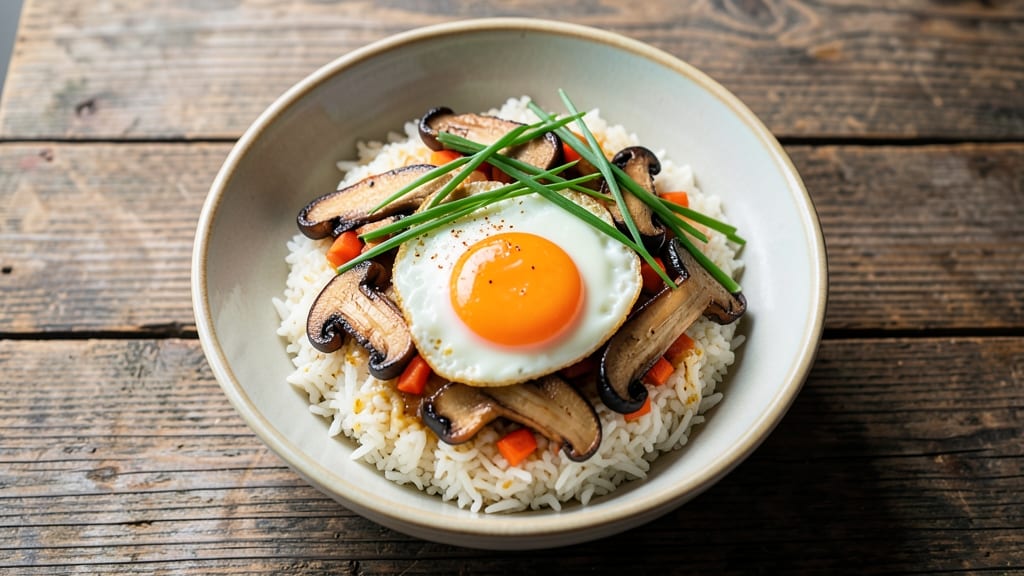
This Oriental fried rice recipe transforms day-old rice into a fragrant, restaurant-quality side dish in just five minutes—no takeout required. The key lies in high-heat wok technique and a balance of savory umami flavors that elevate simple ingredients into something extraordinary.
I perfected this method after years of testing, ensuring every grain stays separate and packed with flavor.
What sets this recipe apart is its adaptability—whether you're recreating a classic Japanese chahan or adding a modern twist with Thai coconut rice. The process relies on precise timing and proper ingredient ratios, but don’t let that intimidate you.
With the right tools and a few pantry staples, you’ll achieve golden, aromatic rice that’s crisp at the edges and tender inside, all while maintaining that signature wok-fired texture.
The result is a dish that’s as versatile as it is delicious—serve it as a side to grilled proteins, pair it with a miso soup for a complete meal, or enjoy it as a standalone dish with a fried egg on top.
The aroma alone will have everyone asking for seconds, and the best part? It’s ready in less time than it takes to order delivery.
For authenticity, we’ll focus on the Japanese style, but I’ll share variations for other Asian-inspired fried rice dishes in the tips section. Whether you’re cooking for a weeknight dinner or prepping for a meal prep plan, this recipe delivers professional-quality results with minimal effort.
Ingredients for oriental rice
Day-old rice and a handful of pantry staples transform into restaurant-quality fried rice.
| Ingredient | Amount | Notes |
|---|---|---|
| Day-Old Cooked White Rice 🍚 | 4 cups | Cold and separated, no clumps |
| Large Eggs 🥚 | 2 whole | Freshly beaten for texture |
| Carrots 🥕 | 1 cup | Finely diced, about 1/4-inch pieces |
| Green Onions 🧅 | ½ cup | White and green parts, sliced thin |
| Garlic Cloves 🧄 | 4 cloves | Minced, aromatic foundation |
| Soy Sauce 🍶 | ¼ cup | Light or regular, not low-sodium |
| Sesame Oil 🫒 | 1 tbsp | Toasted, for nutty aroma |
| Vegetable Oil 🫒 | 2 tbsp | High smoke point for wok |
| Salt 🧂 | ½ tsp | Adjust to taste, sea salt preferred |
| Black Pepper 🌶️ | ¼ tsp | Freshly ground for heat |
| Dried Shiitake Mushrooms 🍄 | 1 oz | Rehydrated, sliced thin |
| White Pepper 🌶️ | ¼ tsp | Traditional finish, optional |
The rice is non-negotiable—day-old works best. Day-old jasmine or basmati has that perfect texture, but any white rice will do. Look for short-grain varieties if you can find them, as they hold up better to high heat. For the mushrooms, dried shiitake from an Asian market adds depth that canned mushrooms can't match. Soak them in hot water for 10 minutes before slicing. The eggs? Pasture-raised if possible—they're richer and make a difference in the final texture.
No soy sauce? Coconut aminos work in a pinch, but the flavor will be subtly different. Short on green onions? Substitute scallions or even finely chopped celery, though the flavor won't be identical. The sesame oil is key—avoid the cheap stuff that tastes like paint thinner. Kadoya or La Choy are solid choices. For the mushrooms, if you can't find shiitake, cremini or oyster mushrooms work in a bind. Just make sure to slice them thinly for quick cooking. The garlic can be pre-minced from a jar, but freshly minced adds a whole new level of flavor.
This dish reheats beautifully—just 1 minute in the microwave with a splash of water keeps it moist. Store leftovers in an airtight container for 4 days, or freeze portions for 3 months. I like to portion it into single-serving containers so I can grab it for lunch without reheating the whole batch. The aroma alone will wake up your kitchen, so save this for when you're ready to impress—or just feed a hungry crowd.
Why You'll Love This Recipe
- No Chopping Needed: I keep a bag of pre-shredded carrots in the fridge just for this—no knife skills required. The eggs scramble in minutes, and the garlic? One quick mincer or even a few pressed cloves if you're in a rush.
- Garlic-Caramel Magic: That crispy, slightly sweet edge from the caramelized carrots and minced garlic? It’s the secret weapon. The eggs add richness, but the green onions tie it all together with a fresh kick—like a hug in every bite.
- Lunchbox Hero: Pack this cold or at room temp—it holds up perfectly. My kids grab it for school lunches, and honestly? It’s the one meal I don’t have to stress over packing separately. (Yes, even on a Tuesday night.)
- Pantry Staple Power: Uses rice you already have, eggs from your fridge, and veggies that last forever. I’ve made this on $8 grocery runs—no fancy ingredients, just solid flavor. Leftovers? They’re even better the next day, if that’s possible.
Step-by-step instructions for Oriental fried rice
Here's how to transform simple ingredients into restaurant-quality fried rice in minutes.
Prepare the Shiitake Mushrooms and Vegetables
First, rehydrate the 1 oz dried shiitake mushrooms by soaking them in warm water for 10 minutes. Drain well and slice them thinly. In a small bowl, combine the 1 cup finely diced carrots and 0.5 cup sliced green onions. Set these aside—they'll add vibrant color and texture to your dish.
While the mushrooms soak, mince the 4 cloves garlic cloves finely. This aromatic foundation will infuse every bite with flavor. I like to use a microplane for garlic—it gives you that perfect, even texture without overpowering the dish. Keep these prepped ingredients within easy reach so you can add them quickly when the wok heats up.
Beat the Eggs and Preheat the Wok
In a medium bowl, beat the 2 whole large eggs until just combined—no need to overmix. The eggs should be smooth with no streaks of white. Season them lightly with 0.25 teaspoon black pepper and 0.25 teaspoon white pepper. This subtle seasoning ensures the eggs complement the other flavors rather than compete with them.
Heat a wok or large skillet over high heat until it's smoking hot. Add the 2 tablespoons vegetable oil and swirl to coat the entire surface. The oil should shimmer and be hot enough to sizzle when the eggs hit the pan. This high heat is crucial for achieving that perfect wok hei—those signature smoky, aromatic flavors that make fried rice taste like a restaurant dish.
Cook the Eggs and Remove from Wok
Pour the beaten eggs into the hot wok and let them sit undisturbed for 5-7 seconds until the edges begin to set. Then, using a spatula, gently push the eggs from one side to the other, creating soft, silky curds. Cook for another 10-15 seconds until just set but still slightly runny in the center—this texture is key for that classic fried rice consistency.
Remove the eggs from the wok and set them aside on a plate. Don't clean the wok yet—the rendered egg fat will add incredible depth of flavor to your fried rice. Keep the heat at high so you're ready for the next step without any delays. This is where the magic happens, so stay focused and work quickly.
Stir-Fry the Aromatics and Vegetables
Add the minced 4 cloves garlic cloves and sliced 1 oz shiitake mushrooms to the wok. Stir-fry for 30 seconds until the garlic is fragrant and the mushrooms begin to soften. Then add the 1 cup diced carrots and 0.5 cup sliced green onions, stirring constantly for 1-2 minutes until the vegetables are tender-crisp but still vibrant in color.
Here's where it gets good—add the 0.25 cup soy sauce and toss everything together. The soy sauce will start to caramelize slightly, creating a glossy coating on the vegetables. This is the moment that matters: the flavors are melding together, and you're building the foundation of your dish. Keep stirring to prevent burning, and watch for that beautiful sheen that indicates perfect seasoning.
Combine Everything and Finish
Add the 4 cups day-old cooked white rice to the wok, breaking up any clumps with your spatula. Pour in the 1 tablespoon sesame oil and toss everything together for 2-3 minutes until the rice is heated through and begins to crisp slightly at the edges. This is where that day-old rice really shines—it's dry enough to absorb flavors but still holds its shape.
Return the scrambled eggs to the wok and toss gently to distribute them evenly. Add the 0.5 teaspoon salt and adjust the seasoning if needed—you want a balance of umami from the soy sauce, sweetness from the carrots, and that nutty aroma from the sesame oil. The dish should taste vibrant and well-seasoned, with each bite offering a mix of textures and flavors.
Serve Immediately for Best Results
Transfer the fried rice to serving plates and garnish with an extra sprinkle of sliced green onions for freshness and color. Serve while hot—fried rice is best enjoyed immediately, when the rice is still crisp and the flavors are at their peak. The aroma alone should make your kitchen smell like a bustling Asian street market.
This dish comes together faster than you can say "wok hei," but the technique is what makes it special. The key is high heat, quick movements, and fresh ingredients. You'll love how each bite delivers that perfect balance of textures and flavors—crispy edges on the rice, tender mushrooms, silky eggs, and a sauce that clings to every grain.
Pro Tips For Making Oriental Rice
- STIR-FRY RICE FAST: DESCRIPTION: Dump all your chopped veggies and garlic into the pan at once, then hit it with high heat for 30 seconds before adding the eggs. This jumpstarts the Maillard reaction—your rice will taste deeper, not steamed.
- USE COLD RICE: DESCRIPTION: Grab that day-old rice straight from the fridge—it’s drier and won’t turn mushy. Spread it on a plate first to break up clumps, then toss it into the pan. No need to thaw it first; cold rice absorbs flavors better.
- SALT THE EGGS: DESCRIPTION: Crack your eggs into a bowl, add a pinch of salt, and whisk them before cooking. The salt dissolves evenly, so every bite gets that balanced flavor. Trust me, under-seasoned eggs ruin the whole dish.
- SAVE THE GREEN ONIONS: DESCRIPTION: Reserve half the green onions for garnish—slice them thin and scatter them on top right before serving. The freshness cuts through the richness of the fried rice, and it looks 100x better. (Yes, even if you’re impatient.)
Regional styles of this recipe
Japanese Chahan
The classic Japanese fried rice, or chahan, is all about simplicity and balance. This version uses short-grain Japanese rice for its sticky yet firm texture, which holds up beautifully to the high-heat wok cooking.
I like to add 1 tbsp mirin to the soy sauce for a touch of sweetness that brightens the dish. The key technique here is cooking the rice in stages—first, stir-fry the aromatics until fragrant, then add the rice in batches to ensure even cooking. 🍚
For extra richness, I sometimes add a dash of dashi powder (about ½ tsp) to the soy sauce mixture, which deepens the umami flavor profile. Garnish with toasted sesame seeds and a sprinkle of furikake seasoning for that authentic Japanese touch.
Serve with a side of miso soup and pickled vegetables for a complete meal.
Thai Coconut Rice
This Thai-inspired variation swaps soy sauce for a coconut milk base, creating a creamy, fragrant fried rice that’s perfect for curry lovers. Start by sautéing 1 tbsp red curry paste in the oil until fragrant, then add ½ cup coconut milk to deglaze the pan.
Stir in 1 tsp fish sauce and 1 tsp palm sugar for that signature Thai balance of sweet, sour, and salty flavors.
For vegetables, I recommend bell peppers and baby corn instead of carrots, adding a pop of color and texture. Top with crushed peanuts and fresh cilantro for a dish that’s as visually striking as it is delicious. This version pairs beautifully with grilled chicken or tofu. 🌶️
Korean Kimchi Fried Rice
Korean kimchi fried rice, or kimchi bokkeumbap, is all about bold, tangy flavors. Start by stir-frying ½ cup chopped kimchi (with its juice) until the liquid reduces and the kimchi softens.
Add 1 tsp gochujang (Korean chili paste) to deepen the heat and richness. The kimchi’s natural sweetness and acidity cut through the fat in the eggs, creating a perfectly balanced dish.
For extra umami, I add 1 tbsp doenjang (fermented soybean paste) to the rice while cooking. Garnish with fried egg and a sprinkle of toasted sesame seeds. This dish is hearty and satisfying, making it perfect for breakfast or a quick lunch.
Serve with a side of kimchi jjigae for a full Korean meal experience. 🔥
Chinese Egg Fried Rice
The Chinese version, often called egg fried rice, is all about crispy textures and bold flavors. Use long-grain jasmine rice and add 1 tsp Shaoxing wine to the soy sauce for depth.
The Chinese technique focuses on high heat and quick cooking—toss the rice in the wok for just 2-3 minutes to achieve those crispy edges.
For extra flavor, I stir in 1 tsp light muscovado sugar to balance the saltiness of the soy sauce. Garnish with crispy fried shallots and a sprinkle of green onions.
This version is a staple in Chinese home cooking and works perfectly as a side dish or light meal. 🥚
Nutrition facts
Frequently asked questions
Why does my oriental fried rice turn out mushy?
Mushy rice happens when you use freshly cooked rice (it's too moist) or don't cook it at high heat long enough. Always use day-old rice and stir-fry for 2-3 minutes until the edges get crispy. A wok or cast-iron skillet works best for that signature texture.
Can I make this with brown rice?
Technically yes, but brown rice needs longer cooking time (up to 5 minutes) to fully rehydrate and crisp. For best results, use pre-cooked brown rice and reduce the soy sauce slightly—it absorbs flavors differently. The texture will be heartier but less traditional.
What's the secret to that smoky wok flavor?
That's wok hei—achieved by cooking at maximum heat and working quickly. Use a carbon steel or cast-iron wok, and let it get smoking hot before adding oil. Keep the fire high throughout cooking, and avoid overcrowding the pan. A splash of sesame oil at the end also enhances the aroma.
How do I store leftovers without drying it out?
Cool the fried rice completely, then store in an airtight container for up to 4 days. For reheating, add 1-2 teaspoons of water per cup of rice and microwave for 1-2 minutes, stirring halfway. For crispy edges, finish under a broiler for 30 seconds. Freeze portions for up to 3 months—thaw overnight in the fridge.
What protein works best with this recipe?
Classic options include chicken thighs (for juiciness), shrimp (cooks in 1 minute), or beef strips (marinate in soy sauce first). For vegetarian, add tofu or edamame. Cook proteins separately and mix in at the end to avoid overcooking. Pro tip: Pre-cook proteins and reheat with the rice for best texture.