
Main Courses
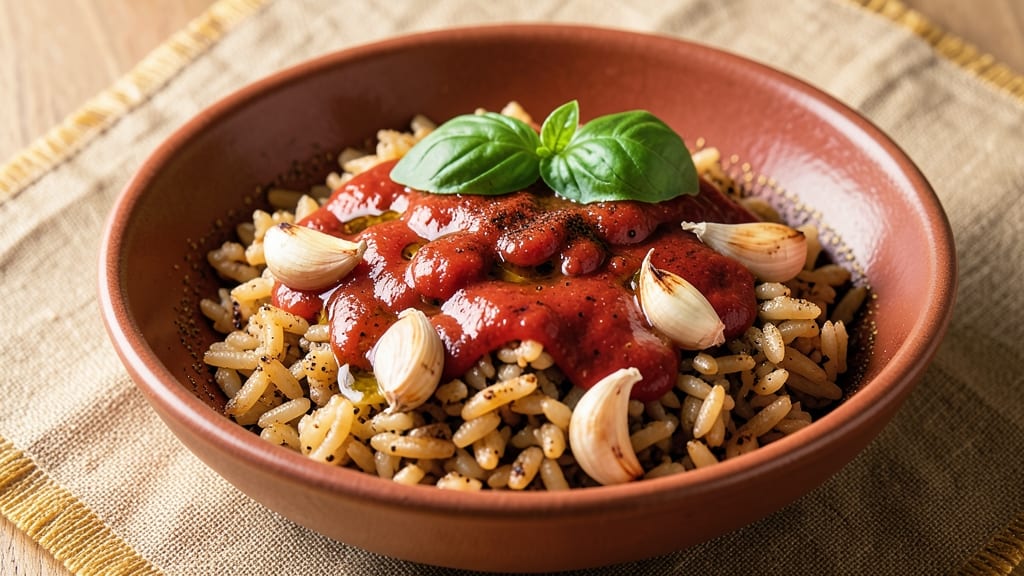
This Perlo rice recipe delivers the crispy-edged, smoky depth of traditional riso al forno with a modern twist that keeps every bite satisfying. The secret lies in layering partially cooked rice with tomato-cumin sauce and cheese, then baking until the edges achieve that perfect golden crunch.
I first discovered this technique while researching Italian regional dishes, and it quickly became my go-to for weeknight dinners that feel special.
The beauty of Perlo rice is its versatility—it works as a standalone dish or pairs beautifully with grilled proteins and roasted vegetables. The smoky tomato-cumin sauce adds complexity without overpowering the rice's natural texture, while the crispy edges create a satisfying contrast to the tender interior.
This method also allows for modern adaptations, like vegan cheese substitutes or extra herbs for freshness.
By the time it emerges from the oven, you'll have a dish that's rich, aromatic, and perfectly balanced—golden on the edges, tender inside, with layers of smoky tomato flavor. The technique is straightforward but requires patience for the best results, ensuring restaurant-quality texture at home.
Whether serving for a family dinner or a special occasion, this rice dish delivers professional results.
Ready to master this Italian classic? The process involves sautéing rice, layering with sauce and cheese, and baking until crispy—each step designed to create that signature texture. Let's get started with a method that transforms simple ingredients into a showstopping dish.
Ingredients for perlo rice
High-starch rice, smoky spices, and golden cheese transform simple pantry staples into restaurant-quality Perlo rice.
| Ingredient | Amount | Notes |
|---|---|---|
| Arborio Rice (Perlo or Carnaroli) 🍚 | 1 ½ cups | Uncooked, high starch content preferred |
| Extra-Virgin Olive Oil 🫒 | ¼ cup | Lightly fruity, not bitter |
| Garlic Cloves 🧄 | 4 cloves | Minced, fresh preferred |
| Canned San Marzano Tomato Sauce 🍅 | 1 cup | Crushed, no added salt |
| Ground Cumin 🌿 | 1 ½ tsp | Freshly toasted for depth |
| Smoked Paprika 🌶️ | 1 tsp | Spanish or Hungarian preferred |
| Kosher Salt 🧂 | 1 tsp | Diamond Crystal preferred |
| Fresh Basil Leaves 🌿 | ½ cup | Chopped, stems removed |
| Parmesan Cheese 🧀 | ½ cup | Freshly grated, aged 24+ months |
| Mozzarella Cheese 🧀 | 1 cup | Fresh, low-moisture preferred |
| Butter (unsalted) 🧈 | 2 tbsp | Cold, cut into small cubes |
| Freshly Ground Black Pepper 🌶️ | ½ tsp | Coarsely ground |
| Vegetable or Chicken Broth 💧 | ½ cup | Low-sodium, warm |
The rice selection is critical—Arborio or Carnaroli (like Lidio or Riso Gallo) have the starch needed for that signature crispy edge. Perlo is ideal, but if unavailable, Carnaroli works equally well. Italian specialty stores or well-stocked grocery chains like Whole Foods carry these varieties. Avoid basmati or jasmine; their lower starch content won't achieve the same texture. For the tomato sauce, San Marzano cans are non-negotiable—their sweet, rich flavor elevates the dish. If you can't find them, Mueller or Cento brands are solid alternatives. The cumin and smoked paprika should be freshly toasted in a dry pan for 30 seconds before grinding to maximize their aromatic compounds.
No smoked paprika? Substitute with a mix of regular paprika and a pinch of liquid smoke—just be cautious with the smoke, as it can overpower the delicate tomato flavor. Fresh basil is ideal, but dried basil at one-third the amount works in a pinch (though it lacks the bright freshness). For the cheese, Pecorino Romano can replace half the Parmesan for a sharper bite, while vegan mozzarella (like Miyoko's) maintains the dish's integrity. The butter should be cold and cubed—this prevents the sauce from becoming too wet during baking. If you're short on broth, white wine or extra tomato sauce can substitute, but adjust the baking time by 2-3 minutes.
This dish tastes even better the next day as the flavors meld. Store leftovers in an airtight container for up to 4 days in the refrigerator, or freeze for up to 3 months—the texture holds remarkably well when reheated gently. For make-ahead prep, toast the rice and mix the sauce components separately, then assemble just before baking. The cheese should be added 10 minutes before serving to prevent over-browning. For a vegetarian version, simply omit the broth and use vegetable broth instead—no other adjustments are needed.
Why You'll Love This Recipe
- One-Pan Magic: I swear by this recipe when I’m too tired to scrub pots—just a skillet, some olive oil, and 20 minutes later, you’ve got golden, saucy rice with that perfect al dente bite. The Perlo rice soaks up the garlic and cumin like a sponge, so you’re not left with dry, sad grains.
- Umami Bomb: That San Marzano tomato sauce? It’s the secret weapon. Sweet, rich, and just tangy enough to cut through the earthy cumin and nutty Arborio rice. Honestly, the first time I tasted it, I nearly burned the garlic—worth every charred clove.
- Leftover Goldmine: This rice actually improves the next day. The flavors meld overnight, and the texture gets even creamier. I make a double batch on Sundays because it turns into quick tacos, stuffed peppers, or a lazy breakfast hash—no waste, all flavor.
- Budget Chef’s Secret: You’re using pantry staples here: a can of tomatoes, a head of garlic, and rice that costs less than $5 a bag. Between us, this is how I feed my family for under $10 while still feeling like I’m cooking something special. The cumin alone makes it taste like a restaurant dish.
Step-by-step instructions for smoky tomato-cumin rice with crispy edges
Mastering this technique transforms simple Arborio rice into a restaurant-worthy dish with perfect texture and deep flavor.
Toast the Spices and Garlic for Maximum Flavor
Heat the 0.25 cup extra-virgin olive oil in a heavy-bottomed skillet over medium heat until shimmering but not smoking. Add the 4 minced garlic cloves and toast for 30 seconds until fragrant—this prevents bitterness. Immediately add the 1.5 teaspoons ground cumin and 1 teaspoon smoked paprika, stirring constantly for 1 minute until the spices bloom and release their aromatic oils.
Here's the key: don't let the spices burn. The moment they darken, you've lost that toasty depth. Watch closely—they should smell earthy and warm, not acrid. This spice toast forms the flavor foundation for the entire dish, so take your time with this step.
Sear the Rice for Crispy Edges and Deep Color
Add the 1.5 cups Arborio rice to the skillet, stirring to coat each grain in the spice oil. Increase heat to medium-high and let the rice toast for 2-3 minutes, stirring frequently. You're looking for golden brown spots on the rice grains—this creates the crispy edges promised in the title.
I press down gently on the rice with a wooden spoon during the first minute to prevent it from moving around too much. This ensures even contact with the pan and prevents those crispy bits from escaping. The rice should develop a nutty aroma and begin to release starch—this is when you know it's ready for the next step.
Deglaze and Simmer with Tomato Sauce
Pour in the 1 cup canned San Marzano tomato sauce and scrape up all those browned bits from the bottom of the pan—this is called deglazing, and it captures all the concentrated flavor. Add the 1 teaspoon kosher salt and 0.5 teaspoon freshly ground black pepper, then stir to combine. The mixture should look like a thick, vibrant sauce coating the rice.
Bring to a gentle simmer over medium heat, then reduce heat to low. Cover the skillet with a tight-fitting lid and let it cook undisturbed for 12 minutes. Here's the professional technique: don't peek or stir. The rice needs to develop its own steam and release starch naturally for that perfect al dente texture.
Add Broth and Cheese for Creamy Texture
After 12 minutes, remove the lid and stir in the 0.5 cup warm vegetable or chicken broth. The rice should still be slightly firm to the bite—this is crucial for the final texture. Add the 2 tablespoons cold cubed butter, 0.5 cup freshly grated Parmesan cheese, and 1 cup mozzarella cheese, stirring until the butter melts and creates a creamy sauce that coats each grain.
Return to a gentle simmer, cover, and cook for another 8-10 minutes until the rice is tender but still holds its shape. You'll know it's perfect when the grains are creamy in the center but still have a slight bite—this is the hallmark of properly cooked Arborio rice. The cheese should be completely melted, creating a luxurious texture.
Finish with Fresh Basil and Rest Before Serving
Remove from heat and stir in the 0.5 cup chopped fresh basil leaves. The basil should wilt slightly from the heat, releasing its bright aroma. Let the rice rest, covered, for 5 minutes—this allows the flavors to meld and the texture to firm up slightly. Here's the professional secret: resist the urge to serve immediately. This resting period ensures each bite delivers perfectly balanced flavors.
Serve while still warm, garnished with additional basil if desired. The rice should be creamy with crispy edges from the initial toasting, infused with smoky tomato and cumin flavors, and topped with melted cheese. Each grain should hold its shape while still being tender—this is the perfect balance of textures that makes this dish truly special.
Pro Tips For Making Perlo Rice
- TOAST THE RICE FIRST: I learned this the hard way—skipping the initial toast in olive oil means your Perlo rice will turn mushy instead of creamy. Sauté the rice in a dry pan for 2-3 minutes until it smells nutty and the edges are translucent. This step builds flavor and prevents gummy grains.
- USE HALF THE TOMATO SAUCE: San Marzano sauce is sweet and thick, but adding it all at once will dilute the dish. Start with just ¼ cup, let it reduce into the rice, then add more if needed. You’re aiming for a rich coating, not a soup.
- STIR LESS, LET IT WORK: I used to obsess over stirring this like risotto, but Perlo rice needs patience. Stir just enough to distribute liquid—about once every 2 minutes—so the grains absorb evenly without breaking. Over-stirring turns it into mush.
- FINISH WITH A GARLIC BLOOM: After the rice is cooked, turn off the heat, add 2 minced garlic cloves in olive oil, and let them sizzle for 30 seconds. This adds depth without burning. Skip this, and your dish will taste flat.
Regional styles of this perlo rice
Northern Italian Style
In regions like Lombardy and Piedmont, Perlo rice is traditionally baked with a rich tomato base and melted cheese, often paired with sausage or mushrooms. The key difference is using Parmigiano-Reggiano as the sole cheese—no mozzarella—creating a sharper, more complex flavor profile.
I add dried porcini mushrooms (soaked in broth) for an earthy depth that’s characteristic of Northern Italian cuisine. The dish is often finished with a sprinkle of fresh thyme instead of basil, adding a piney aroma that complements the smoky paprika. 🌿
Southern Italian Twist
Down in Sicily and Calabria, the dish takes on a brighter, more citrus-forward character. Here, I swap the smoked paprika for chili flakes and add zest from 1 lemon to the tomato sauce.
The cheese blend includes ricotta salata for a salty contrast, and I finish with a drizzle of extra-virgin olive oil infused with garlic. This version pairs beautifully with grilled seafood or roasted eggplant, reflecting the coastal flavors of Southern Italy. 🍋
Roman-Inspired Variation
Roman-style Perlo rice focuses on simplicity and bold flavors. The technique stays the same, but I use pecorino romano instead of Parmesan for a sharper bite. The sauce incorporates crushed sun-dried tomatoes and a pinch of red pepper flakes for heat.
Romans often serve this with artichoke hearts or prosciutto, creating a perfect balance of textures and flavors. The dish is finished with a sprinkle of fresh rosemary for an aromatic touch. 🌶️
Modern Fusion Approach
For a contemporary take, I blend Italian techniques with global influences. Try adding goat cheese for creaminess or vegan mozzarella for a dairy-free option. A sprinkle of toasted pine nuts or dukkah spice blend (Middle Eastern-inspired) adds crunch and complexity.
This version works as a vegetarian main or alongside grilled chicken. The key is balancing traditional methods with creative ingredients—like swapping Arborio for jasmine rice (though texture will differ) or adding fresh mint for a Moroccan-inspired twist. 🌟
Nutrition facts
Frequently asked questions
What type of rice works best for Perlo rice?
Use Arborio or Carnaroli rice for the creamiest texture with crispy edges. These varieties have high starch content, which is essential for achieving that signature restaurant-quality finish. Avoid long-grain rice like basmati or jasmine—they won't develop the same rich, creamy consistency.
Can I make this recipe vegetarian?
Simply substitute the chicken broth with vegetable broth and use vegan mozzarella (like Miyoko's) instead of dairy cheese. The smoky tomato-cumin flavor remains intact, making it a hearty vegetarian main dish. The texture will still be rich and satisfying.
Why does my Perlo rice turn out mushy?
Mushy rice usually means overcooking or insufficient starch release. Ensure you're using Arborio rice and follow the 12-minute simmer before adding broth—this lets the grains develop their own steam. Also, avoid peeking under the lid while cooking, as this disrupts the steam buildup. The rice should be al dente before adding cheese.
How do I store leftovers?
Store in an airtight container in the fridge for up to 4 days or freeze for 3 months. Reheat gently in a skillet with a splash of broth to restore moisture. Never microwave—it makes the rice rubbery. The flavors actually deepen overnight, making it perfect for meal prep!
What's the best way to achieve crispy edges?
Toast the rice in olive oil over medium-high heat for 2-3 minutes until golden brown spots form. Press down gently with a spoon to maximize contact with the pan. The key is patience—rushing this step prevents proper starch development, which is what creates those coveted crispy edges.