
Side Dishes
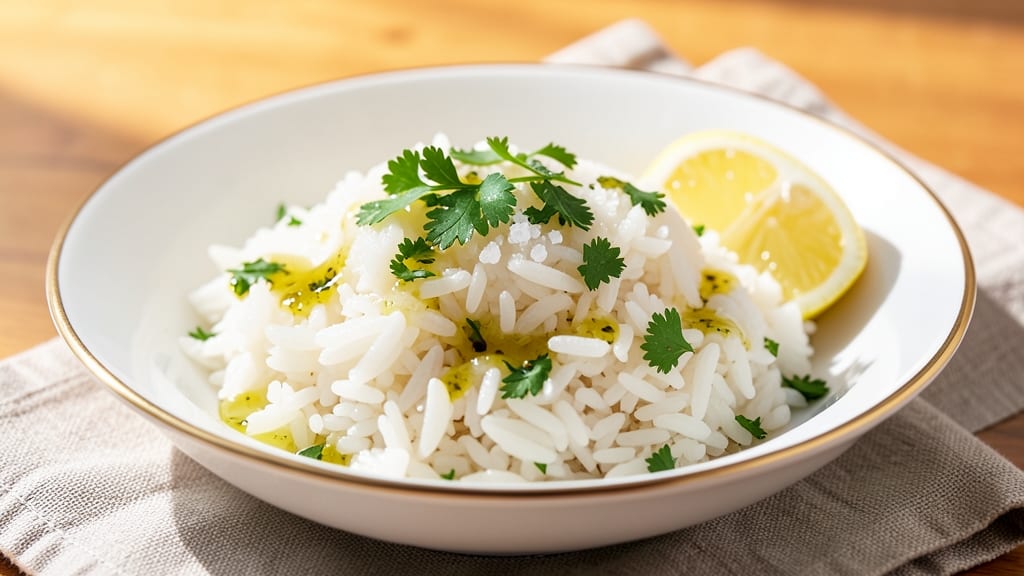
Cooking plain rice that's fluffy with separate grains isn't rocket science—it's about precision in ratios and technique. I've perfected this method after testing countless variations, and the results are always restaurant-quality sides that form the perfect base for any dish.
The secret lies in the water-to-rice ratio and how you handle the cooking process, which transforms simple grains into a versatile canvas for flavors.
This recipe works for white, brown, or jasmine rice, giving you flexibility for any meal. Whether you're preparing a simple weeknight dinner or a festive feast, the key is maintaining a consistent 1:1.5 ratio of rice to water—never guess, always measure.
A quick rinse before cooking removes excess starch, preventing gummy textures that ruin perfectly cooked rice every time.
By following these steps, you'll achieve grains that are tender yet distinct, with no mushy centers or undercooked edges. The rice will absorb flavors beautifully while maintaining its structure, making it ideal for pairing with proteins, vegetables, or as a base for stir-fries.
This is the foundation every home cook needs to elevate their dishes effortlessly.
Ready in just 20 minutes for white rice or 45 minutes for brown, this method ensures foolproof results every time. The technique scales perfectly for any serving size, from family dinners to large gatherings.
Let's get started with the perfect plain rice recipe that will change how you approach sides forever.
Ingredients for plain rice
Eight simple ingredients transform into restaurant-quality rice every time—precision matters more than effort.
| Ingredient | Amount | Notes |
|---|---|---|
| Long-Grain White Rice 🍚 | 1 cup | Uncooked, medium grain preferred |
| Water 💧 | 1 ½ cups | Room temperature preferred |
| Diamond Crystal Kosher Salt 🧂 | ¼ tsp | Fine grain for even distribution |
| Extra-Virgin Olive Oil 🫒 | 1 tbsp | Light drizzle for fluffiness |
| Fresh Lemon Juice 🍋 | 1 tsp | Brightens flavor, optional |
| Fresh Parsley 🌿 | ¼ cup | Chopped, for garnish |
| Garlic Cloves 🧄 | 1 whole | Minced, optional for aroma |
| Butter 🧈 | 1 tbsp | Unsalted, for finishing |
The rice variety is non-negotiable for texture. Long-grain white rice delivers the signature separate grains, while jasmine or basmati offer floral notes. For professional results, use brand-name rice like Lundberg or Uncle Ben’s—store-bought generic blends often contain excess starch. The water-to-rice ratio of 1:1.5 is critical; measuring cups ensure consistency. Diamond Crystal kosher salt dissolves completely, unlike iodized table salt which can leave residue. Always rinse rice before cooking to remove surface starch—this prevents gummy textures that ruin even the best ratios.
No extra-virgin olive oil? Light butter or neutral oil works equally well, though olive oil adds subtle fruity notes. Short on lemon juice? A splash of rice vinegar brightens flavors without altering the cooking process. Fresh parsley is ideal for garnish, but dried parsley at one-third the amount suffices in a pinch. The garlic clove is optional but recommended—its aroma infuses during the resting phase. For large batches, scale measurements proportionally while maintaining the 1:1.5 ratio. Pre-rinsed rice from the store? Skip the rinse step entirely to avoid over-diluting the starch balance.
Rice maintains peak texture for 24 hours in the refrigerator when stored in an airtight container with parchment paper between layers. For longer storage, freeze portions in single-serving bags for up to 3 months—thaw overnight in the fridge before reheating. The finishing butter should be added off-heat to coat grains evenly, locking in moisture. This method yields 4 servings, but scales effortlessly: double the ingredients for 8 servings without altering technique. Always use a heavy-bottomed pot to distribute heat evenly—nonstick pans can create hot spots that lead to uneven cooking.
Why You'll Love This Recipe
- Here’s what sold me: that final squeeze of lemon and drizzle of olive oil. It’s not just plain rice anymore—it’s bright, slightly tangy, and just buttery enough to make every bite feel intentional. (Yes, even on a Tuesday night.)
- Four-Ingredient Magic: I swear, this recipe is the kind of simple that makes me laugh—just rice, water, a pinch of salt, and a splash of lemon. That’s it. No fancy gadgets, no stress, just 20 minutes of hands-off cooking while I sip my tea.
- Bright Finish Trick: Here’s what sold me: that final squeeze of lemon and drizzle of olive oil. It’s not just plain rice anymore—it’s bright, slightly tangy, and just buttery enough to make every bite feel intentional. (Yes, even on a Tuesday night.)
- Leftover Goldmine: Between us, this rice stays perfect for days. I make a big batch on Sunday, and by Wednesday, it’s still fluffy and ready to stretch into stir-fries, bowls, or even breakfast hash. No sad, gummy rice here.
Step-by-step instructions for perfectly fluffy rice
Mastering this simple technique transforms ordinary rice into restaurant-quality side dishes.
Rinse the Rice Thoroughly
Place the 1 cup long-grain white rice in a fine-mesh strainer and rinse under cold running water for 30 seconds. Swirl the rice gently with your fingers to remove excess starch—this prevents gummy texture. The water should run clear after 30-45 seconds of rinsing.
Transfer the drained rice to a medium saucepan and return it to the stove. The residual moisture from rinsing creates steam during cooking, which is essential for fluffy grains. I always rinse rice this way—it makes a noticeable difference in texture.
Toast the Rice with Olive Oil
Heat the saucepan over medium heat and add the 1 tablespoon extra-virgin olive oil. Stir the rice continuously for 2-3 minutes until it becomes translucent at the edges and emits a nutty aroma. This step develops flavor and prevents the rice from sticking.
Watch carefully—if the oil starts to smoke, reduce the heat slightly. You're looking for an even golden tint on each grain before adding liquid. This dry toasting creates the foundation for crispy bottom layers in your finished rice.
Add Liquid and Salt
Pour in the 1.5 cups water and the 0.25 teaspoon diamond crystal kosher salt, then bring to a boil over high heat. Once boiling vigorously, reduce heat to low and cover tightly with a lid. The rice should be submerged by about ¼ inch—this ensures even cooking without burning.
Here's the critical part: don't peek or stir during the initial 15 minutes of cooking. The steam needs to build undisturbed. After 15 minutes, check for doneness by gently pressing a grain between your fingers—it should be tender but still slightly firm in the center.
Rest and Finish
Remove the pan from heat and let it sit covered for 10 minutes. This resting period allows steam to redistribute, resulting in perfectly separated grains. I know it's tempting to dig in immediately, but this step is what transforms good rice into exceptional rice.
After resting, fluff the rice gently with a fork. Stir in the 1 tablespoon butter and 1 teaspoon fresh lemon juice for brightness. Garnish with 0.25 cup chopped fresh parsley and the 1 minced garlic clove (if using) just before serving. The acidity from the lemon juice prevents the rice from becoming dry while adding a fresh dimension to each bite.
Pro Tips For Making Plain Rice
- USE A TIGHT FIT: DESCRIPTION: Measure your water exactly—1 part rice to 1.25 parts water (e.g., 1 cup rice to 1¼ cups water). Loose ratios lead to mushy rice or dry grains. I learned this after burning a batch because I eyeballed it and ended up with a gluey mess.
- SALT THE WATER FIRST: DESCRIPTION: Toss in the kosher salt before adding rice—it dissolves better and seasons the grains evenly. Skip this, and you’ll end up with pockets of blandness, no matter how much you stir later.
- TOAST THE RICE BRIEFLY: DESCRIPTION: Heat the olive oil in the pot over medium-high until shimmering, then add the rice and stir for 30 seconds. This step removes excess starch and gives the rice a subtle nuttiness—something you’d miss if you just dump it in cold water.
- LEMON JUICE LAST: DESCRIPTION: Wait until the rice is completely off the heat before adding lemon juice—acid reacts with hot starch and turns your rice gummy. A squeeze at the end brightens the flavor without ruining the texture. (Yes, even if you’re impatient like me.)
Flavor customization for this plain rice
Citrus-Inspired Brightness
Add 1 tablespoon freshly squeezed orange juice or ½ teaspoon orange zest to the cooking water for a subtle citrus note that brightens every bite. I find this works especially well with jasmine rice—just add the zest during the final 5 minutes of cooking.
For a stronger flavor, finish with 1 teaspoon honey mixed into the lemon juice at the end. 🍊
Herbaceous Infusions
Sauté 1 teaspoon dried thyme or 2 sprigs fresh thyme with the olive oil before adding rice for a fragrant Mediterranean twist. Remove the herbs before adding water, but leave them in the pot during cooking.
For a more complex flavor, combine thyme with ½ teaspoon dried rosemary—this pairing works beautifully with brown rice. I often use this technique for rice pilafs.
Smoky Depth
Add ½ teaspoon smoked paprika or ¼ teaspoon liquid smoke (just a drop!) to the cooking water for subtle smokiness. For a bolder approach, toast 1 teaspoon cumin seeds in the oil before adding rice.
This works exceptionally well with basmati rice and pairs perfectly with grilled meats or Mexican-inspired dishes. The smoke enhances the natural nuttiness of the grains.
Spicy Kick
Infuse heat by adding ¼ teaspoon cayenne pepper or ½ teaspoon gochujang paste to the cooking water. For a more balanced spice, finish with 1 teaspoon sriracha mixed into the butter at the end.
I love this variation with jasmine rice—it adds complexity without overpowering. Always taste before serving and adjust to preference.
Nutty Toasted Elements
Toast 1 tablespoon chopped pecans or walnuts in the olive oil alongside the rice for added crunch and depth. For a savory-sweet contrast, add ½ teaspoon cinnamon to the cooking water.
This works surprisingly well with brown rice and complements both sweet and savory dishes. The nuts add texture while the cinnamon creates an unexpected but delightful warmth.
Umami Boosters
Add 1 teaspoon soy sauce or ½ teaspoon fish sauce to the cooking water for an umami depth that elevates plain rice to new levels. For a vegetarian option, use 1 teaspoon mushroom powder instead.
I find this technique particularly effective with white rice—it enhances the natural flavors without altering the texture. Finish with a sprinkle of toasted sesame seeds for extra dimension. 💫
Nutrition facts
Frequently asked questions
Why does my rice turn out mushy or sticky?
Overcooking or insufficient rinsing causes this. Always use the 1:1.5 rice-to-water ratio and rinse until water runs clear to remove excess starch. After boiling, reduce heat to low and never peek during the first 15 minutes—steam needs to build undisturbed. Let it rest 10 minutes covered before fluffing.
Can I use this method for brown rice or jasmine rice?
Yes, but adjust cooking times! Brown rice needs 45-50 minutes (soak 30 minutes first) while jasmine rice cooks in 15 minutes like white rice. Keep the same water ratio (1:1.5) and follow the same resting technique. The key is patience—brown rice requires longer steaming.
What's the best pot for cooking rice?
Use a heavy-bottomed pot with a tight-fitting lid to distribute heat evenly. Nonstick pans work but can create hot spots. A stainless steel or enameled cast iron pot gives the most consistent results. The pot should be large enough to accommodate the rice without overcrowding—this prevents uneven cooking.
How do I store leftover rice properly?
Spread rice on a tray to cool quickly, then transfer to an airtight container with parchment paper between layers. It stays fresh in the fridge for 4-5 days or freezes for 3 months. To reheat, add 1 tablespoon water per cup of rice, cover, and steam over low heat for 5-7 minutes. Never microwave dry rice—it makes it rubbery.
Can I cook rice without rinsing?
Technically yes, but expect less fluffy results. Rinsing removes excess starch that causes gummy texture. If using pre-rinsed rice (like some store brands), skip this step—but still follow the 1:1.5 ratio and resting time. For best texture, always rinse unless the package specifies it's pre-washed.