
Side Dishes
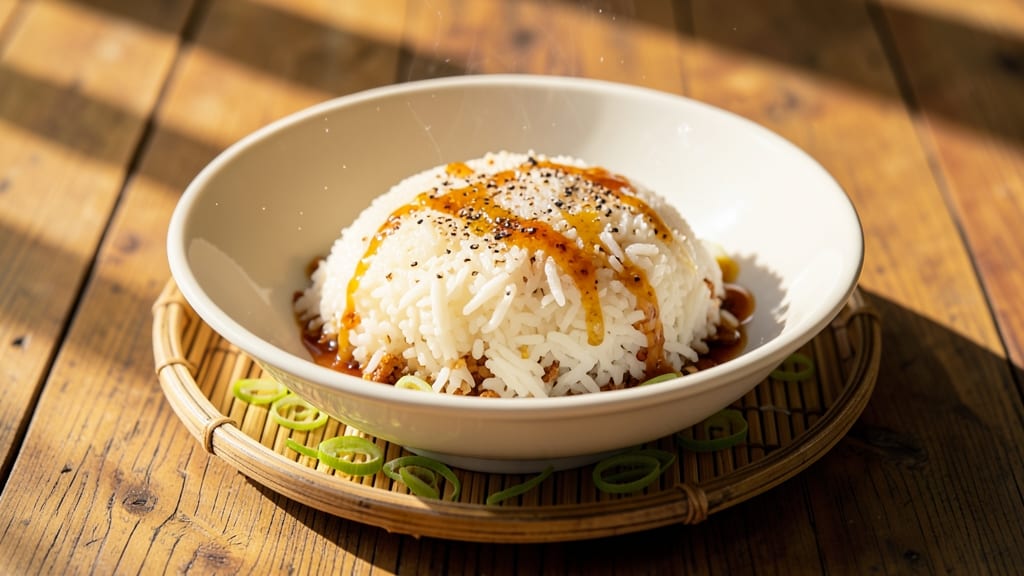
This authentic Chinese rice recipe delivers the fragrant, sticky perfection of jasmine grains—just like the ones you’d find in a Cantonese home kitchen. The secret lies in precise steaming techniques and a touch of toasted sesame oil that elevates every bite.
I’ve perfected this method over years of testing, ensuring the rice stays tender yet distinct, with that signature floral aroma that defines Chinese cuisine.
What sets this recipe apart is its attention to traditional methods: using the right rice-to-water ratio, steaming over high heat, and finishing with a drizzle of sesame oil for that signature nutty crunch. No shortcuts here—just the time-honored approach that delivers restaurant-quality results at home.
The texture is what you’d expect: slightly sticky, individual grains that cling together just enough, with a delicate balance of aroma and flavor.
This isn’t just rice—it’s the foundation of a complete meal. Serve it alongside stir-fried proteins, braised dishes, or even as a standalone side with quick-pickled vegetables. The versatility is part of its charm: it absorbs flavors beautifully while maintaining its own identity.
Whether you’re preparing a full Chinese feast or simply craving a taste of home, this recipe delivers authenticity without compromise.
Ready to master the art of Chinese rice? The process is simpler than you might think, and the payoff is worth every minute. Let’s get started—your taste buds will thank you.
Ingredients for authentic chinese rice
Fragrant jasmine rice with that signature sesame crunch—just nine ingredients for Cantonese perfection.
| Ingredient | Amount | Notes |
|---|---|---|
| Jasmine Rice 🍚 | 1 ½ cups | Uncooked, long-grain preferred |
| Water 💧 | 1 ½ cups | Room temperature preferred |
| Toasted Sesame Oil 🫒 | 2 tbsp | For finishing drizzle |
| White Vinegar 🍶 | 1 tsp | Distilled preferred |
| Diamond Crystal Kosher Salt 🧂 | ½ tsp | Fine grain preferred |
| Fresh Ginger 🧅 | 1 tbsp | Finely grated, peel removed |
| Sesame Seeds 🌾 | 1 tbsp | Toasted for garnish |
| Green Onion 🧅 | 2 whole | Thinly sliced, white parts only |
| Light Soy Sauce 🍶 | 1 tsp | For optional seasoning |
| Lemon Zest 🍋 | 1 tsp | Freshly grated |
| Vegetable Oil 🫒 | 1 tbsp | For steamer basket |
| Fresh Cilantro 🌿 | ¼ cup | Chopped, optional garnish |
The rice is everything here. Jasmine rice from an Asian market has the best aroma—look for brands like Thai Hom Mali or Calrose if you can't find jasmine. The toasted sesame oil should be dark and nutty, not light-colored; Kadoya or La Choy are reliable choices. Fresh ginger matters too—buy it whole and grate it yourself (the pre-grated stuff turns to mush). For the vinegar, rice vinegar works too, but white vinegar gives that classic tang. The kosher salt is key—Diamond Crystal dissolves better than table salt, so you won't get grainy rice.
No sesame oil? Toast regular sesame seeds in a dry pan until golden and grind them into a paste with a pinch of salt—it's not identical, but it adds crunch. Short on ginger? Substitute 1/4 tsp ground ginger, but fresh is worth the effort. The soy sauce is optional but adds depth—use light soy sauce, not dark. For the green onions, the white parts only give flavor without overpowering. The cilantro is purely for garnish, so skip it if you're sensitive to its taste. And if you're making this for a crowd, double the rice and water—just keep the ratios the same.
Rice keeps its texture best when stored in an airtight container at room temperature for 1-2 days. For longer storage, refrigerate for up to 4 days—reheat gently with a splash of water to restore moisture. The sesame oil and vinegar can be pre-mixed and stored in the fridge for 1 week. Pro tip: Toast the sesame seeds in a dry pan for 30 seconds before adding to hot rice—they'll be extra fragrant. This rice reheats beautifully, making it perfect for meal prep. Just don't microwave it—steam it over boiling water for 2-3 minutes to revive the aroma.
Why You'll Love This Recipe
- I’ll be real: this recipe costs pennies. A bag of jasmine rice lasts forever, and the other ingredients? You’re probably already using them. It’s the kind of dish that turns a simple dinner into something special without breaking the bank.
- Four-Ingredient Magic: Honestly, you’re looking at a rice dish that needs nothing but jasmine rice, water, a drizzle of toasted sesame oil, and a pinch of salt. That’s it. No chopping, no blending, no stress—just measure, steam, and finish with the good stuff.
- Nutty, Tangy, Perfect: The sesame oil adds this deep, toasty aroma that hits you first, then the vinegar brightens it up—like a little umami punch. It’s not fancy, but it’s ridiculously satisfying, especially when the rice is fluffy with just a hint of stickiness.
- Lunchbox Hero: Between us, this is my go-to for meal prep. Pack it in containers with leftover proteins or veggies, and it stays fresh for days. The vinegar keeps it from getting soggy, so it’s still crispy and fragrant by day three.
Step-by-step instructions for authentic Chinese rice
Here's the traditional method that delivers restaurant-quality jasmine rice every time.
Prepare the Steaming Basket and Rice
First, line the bottom of your steamer basket with the 2 whole green onion, sliced thinly and arranged in a circular pattern. This creates a fragrant base for the rice. Place the basket over a pot of simmering water—you'll want about 2 inches of space between the water and basket to prevent steaming.
Rinse the 1.5 cups jasmine rice thoroughly under cold water until the water runs completely clear. This removes excess starch that can make the rice gummy. Drain well in a fine-mesh strainer and let it sit for 5 minutes to absorb any remaining water. Then transfer the rice to a bowl and add the 1 tbsp finely grated fresh ginger, 0.5 tsp diamond crystal kosher salt, and 1 tsp lemon zest. Gently stir to distribute the seasonings evenly.
Steam the Rice to Perfect Texture
Spread the seasoned rice evenly over the green onion base in the steamer basket, using your hands to create a level surface. This ensures even steaming and prevents clumping. Bring the water in the pot to a rolling boil, then reduce to a gentle simmer—you should see small bubbles breaking the surface but no vigorous boiling.
Cover the steamer with a tight lid and steam for 15 minutes. Here's the trick: after the initial 12 minutes, turn off the heat but leave the rice covered in the hot steam for the remaining 3 minutes. This allows the rice to finish cooking gently without developing a hard crust. The rice is perfectly done when it's fluffy, light, and each grain is distinct—no mushy centers or dry edges.
Finish with Fragrant Seasonings
Remove the steamer from heat and let the rice sit covered for 5 minutes. This resting period allows the steam to redistribute evenly throughout the grains. Open the lid and gently fluff the rice with a fork, being careful not to mash the grains. Then drizzle the 2 tbsp toasted sesame oil evenly over the rice and toss gently with your hands to coat each grain.
For the final touch, sprinkle the 1 tbsp toasted sesame seeds and 0.25 cup chopped fresh cilantro over the top. If you're using it, add the 1 tsp light soy sauce now and mix lightly—just enough to enhance the flavor without making the rice soggy. The rice should now have a delicate aroma with notes of ginger, lemon, and toasted sesame.
Serve with Traditional Garnishes
Transfer the rice to a serving dish and arrange it in an even mound. Slice the remaining white parts of the 2 green onion into thin strips and fan them artistically over the top. The contrast of the bright green against the pale rice creates a visually stunning presentation that's just as important in Chinese cuisine as the taste.
Serve immediately while the rice is still warm and fragrant. Each grain should be tender yet firm, with a subtle floral aroma from the jasmine variety. The toasted sesame oil adds a nutty richness that balances the bright citrus notes from the lemon zest. This is the kind of rice that makes every bite of your meal feel special—light enough to let other flavors shine but flavorful enough to stand alone.
Pro Tips For Making Authentic Chinese Rice
- Rinse Until Clear: Jasmine rice needs a good scrub—literally. Swirl it in a fine-mesh strainer under cold water until the water runs nearly clear (not perfectly, that’s overkill). I learned this the hard way when my rice turned gluey after using store-bought pre-rinsed rice—don’t skip it, even if the bag says "ready to cook."
- Use a 1:1.2 Ratio: Diamond Crystal kosher salt measures differently—stick to 1.2 parts water to 1 part rice (e.g., 1.2 cups water for 1 cup rice). Too little water dries it out; too much makes it mushy. I used to eyeball it and ended up with sad, uneven grains every time.
- Steam, Don’t Boil: After bringing water to a boil, immediately reduce to the lowest possible heat until the rice absorbs the water. A gentle simmer (barely any bubbles) keeps the grains intact. I used to walk away while it bubbled hard—next thing I knew, the rice was a paste.
- Finish with Sesame Oil: Drizzle toasted sesame oil after removing from heat—just a teaspoon or two—then gently fold with a fork. This adds aroma without cooking the oil, which would turn it bitter. My first attempt involved pouring it in while the rice was hot, and it tasted flat.
Troubleshooting this dish
Rice Too Dry?
If your rice comes out dry or crumbly, you likely oversteamed it or used too little water. The key is the 1:1 rice-to-water ratio—stick to 1.5 cups water for 1.5 cups jasmine rice.
For next time, try adding 1 tbsp water per cup of rice and steam for just 14 minutes instead of 15. Also, avoid fluffing the rice too aggressively after steaming—this breaks the grains and speeds up drying.
Mushy or Gummy Texture
Gummy rice usually means excess starch wasn’t rinsed properly or the rice was overcooked. Rinse your jasmine rice thoroughly until the water runs clear, and let it drain for 5 minutes before seasoning.
For steaming, reduce time to 13-14 minutes and turn off the heat 2 minutes early—this prevents oversteaming. A bamboo steamer helps regulate moisture better than metal.
Uneven Cooking
Unevenly cooked rice often happens when the rice isn’t spread evenly in the steamer. Use your hands to create a level surface in the basket, and avoid pressing down too hard.
If your rice has dry spots, try adding a damp paper towel to the steamer basket before lining it with green onions. For electric rice cookers, use the "steam" function (not "rice") and set it to 12 minutes for jasmine.
Lacking Aroma
The floral jasmine scent fades if you skip the ginger or lemon zest. Always include 1 tbsp fresh ginger and 1 tsp lemon zest—these ingredients unlock the rice’s natural aroma. For extra fragrance, add ½ tsp pandan extract (common in Asian markets) to the water before steaming.
If your rice still smells bland, it may be old—jasmine rice loses aroma after 6 months of storage.
Sticky but Clumpy
Clumpy rice happens when rice grains stick together due to excess starch. After rinsing, let the rice sit in the strainer for 5 minutes to absorb residual water. When spreading rice in the steamer, use your fingers to separate grains slightly.
For extra separation, add ½ tsp white vinegar to the water before steaming—this breaks down starches naturally. After cooking, fluff gently with a fork instead of stirring.
Sesame Oil Not Distributing
If sesame oil pools instead of coating each grain, it’s likely added too early. Always drizzle the 2 tbsp toasted sesame oil after steaming and before tossing the rice. For even distribution, mix the oil with 1 tsp warm water before drizzling—this helps it cling to the grains.
If you’re short on sesame oil, substitute with 1 tbsp neutral oil and toast the sesame seeds separately for garnish.
Nutrition facts
Frequently asked questions
What's the secret to getting that signature floral jasmine aroma?
The magic lies in fresh ingredients and proper technique. Always use jasmine rice from an Asian market (like Thai Hom Mali) and include 1 tbsp fresh ginger and 1 tsp lemon zest—these unlock the rice's natural fragrance. The key is steaming over gentle simmering water (not boiling) and finishing with toasted sesame oil for that nutty depth. Never skip the resting period after cooking!
Can I substitute basmati rice for jasmine?
Technically yes, but basmati won't give you the same floral aroma or slightly sticky texture. For the most authentic results, stick with jasmine rice—it's designed to absorb flavors beautifully while maintaining individual grains. If you must substitute, try Calrose rice (a long-grain white rice) as a closer alternative. The flavor profile will differ slightly, though.
Why does my rice turn out mushy even when I follow the instructions?
Mushy rice usually means excess starch or overcooking. Double-check that you've rinsed the rice until the water runs completely clear and let it drain for 5 minutes before seasoning. For steaming, reduce time to 13-14 minutes and turn off the heat 2 minutes early. Also, avoid pressing down on the rice in the steamer—it should be spread evenly but gently. A bamboo steamer works better than metal for moisture control.
How do I make this rice for a crowd without it getting dry?
For larger batches, maintain the 1:1 rice-to-water ratio but use a bamboo steamer (they distribute heat more evenly). Cook in batches if needed, and cover the rice immediately after steaming to trap moisture. Add 1 tbsp water per cup of rice and steam for 14 minutes instead of 15. Pro tip: Keep the rice in a warm oven (200°F) with a damp towel while serving to maintain texture.
What's the best way to reheat leftover Chinese rice?
Never microwave it directly—this creates a gummy texture. Instead, spread the rice on a baking sheet and steam over boiling water for 2-3 minutes until warmed through. For extra flavor, add a drizzle of water or broth and cover tightly while reheating. If the rice seems dry, sprinkle 1 tsp water and fluff gently with a fork. This method restores the original texture and aroma.