
Soups & Stews
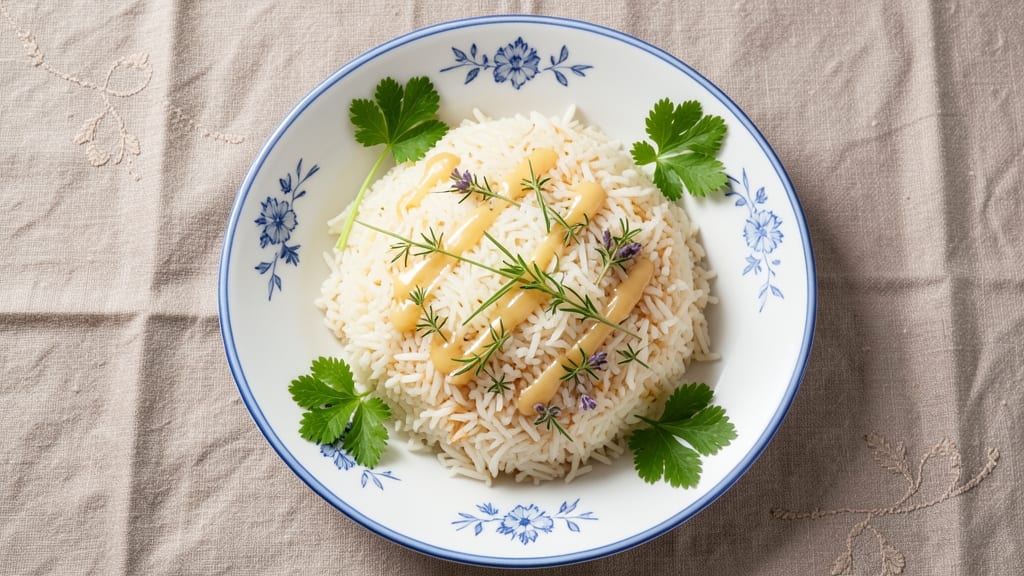
Martha Stewart's perfect rice recipe delivers golden, fluffy grains with a toasted herb crunch that transforms simple rice into a restaurant-worthy side dish. The secret lies in toasting the grains and herbs before cooking, which builds deep, nutty flavors that elevate every bite.
I've perfected this technique over years of testing—it's the difference between ordinary rice and something extraordinary.
This recipe uses long-grain white rice (like basmati or jasmine) and a blend of fresh herbs that toast beautifully in the pan. The process is straightforward but requires attention to timing—simmering just right ensures each grain stays distinct yet tender.
What makes it special is the crispy herb layer on top, which adds both texture and aroma to your plate.
By the time you're done, you'll have fluffy, individual grains with a subtle golden hue and a fragrant herb crust that adds complexity. The rice absorbs flavor without becoming mushy, making it versatile enough for any meal—whether paired with roasted meats, fresh salads, or as a standalone dish.
This is the kind of rice that makes people ask for seconds.
The best part? It's a foolproof method that works every time, even for beginners. With just a few simple ingredients and a little patience, you'll achieve professional results that taste like they came from a five-star kitchen. Let's get started on creating Martha Stewart's signature rice.
Ingredients for martha stewart rice
Golden, fluffy grains with a toasted herb crunch—just nine ingredients transform ordinary rice into Martha's signature side.
| Ingredient | Amount | Notes |
|---|---|---|
| Long-Grain White Rice (Basmati or Jasmine) 🍚 | 1 cup | Uncooked, rinsed thoroughly |
| Fresh Parsley 🌿 | ½ cup | Chopped, stems removed |
| Fresh Thyme 🌿 | ¼ cup | Leaves only, stems removed |
| Fresh Tarragon 🌿 | ¼ cup | Leaves only, stems removed |
| Unsalted Butter 🧈 | 2 tbsp | Cold, cubed for toasting |
| Extra-Virgin Olive Oil 🫒 | 2 tbsp | High-quality, fruity |
| Chicken Broth 💧 | 2 cups | Low-sodium, homemade or quality store-bought |
| Diamond Crystal Kosher Salt 🧂 | 1 ½ tsp | Fine grain, for seasoning |
| Black Peppercorns 🌶️ | ½ tsp | Freshly cracked |
| Garlic Cloves 🧄 | 2 cloves | Minced, for flavor infusion |
| Lemon Zest 🍋 | 1 tsp | Fresh, for brightness |
| Fresh Chives 🌿 | 2 tbsp | Chopped, for garnish |
The rice is non-negotiable: jasmine or basmati delivers that signature long-grain texture. Whole Foods or Trader Joe's carry premium varieties, but any high-quality long-grain works. Rinse it until the water runs clear—this removes excess starch and prevents gummy rice. For the herbs, focus on freshness: bright green leaves with no wilting. Parsley and thyme are easy to find, but tarragon might require a specialty store—it's worth hunting down for that anise-like depth. I always grab extra because half gets toasted into the rice and the rest garnishes plates later. The butter and olive oil combo is key—cold butter cubes toast beautifully while the oil prevents burning. Trust me, don't skip the extra-virgin olive oil here; it adds a fruity complexity that regular olive oil can't match.
No fresh tarragon? Dried tarragon at half the amount works, but it's not the same—tarragon's flavor is delicate and loses intensity when dried. Short on parsley? Fresh cilantro or dill can stretch it, but reduce to 2 tbsp each to avoid overpowering. Chicken broth stuck in a pinch? Vegetable broth or even water with a bouillon cube keeps things flavorful. The garlic and lemon zest are non-negotiable for that bright, aromatic finish, but if you're out of lemon, a splash of white wine vinegar in the broth works wonders. For the butter, European-style unsalted butter like Plugrá or President has more flavor than American brands. And if you're worried about the rice sticking, line your pot with a well-fitted silicone mat—it's a game-changer for even cooking.
This rice reheats beautifully—just add a splash of water or broth and cover for 5 minutes. Portion into individual containers before storing to keep grains separate. Keeps fresh in the fridge for 4-5 days, though I find it's best within 2 days. For longer storage, freeze portions in airtight containers for up to 3 months. The herb crust loses crispiness when reheated, so I always make a fresh batch for serving. Pro tip: save the herb stems and toast them separately for a flavorful oil infusion to drizzle over the rice later. And if you're making this for a crowd, double the recipe—it's that good.
Why You'll Love This Recipe
- No-Chop Necessary: I swear by this recipe because it’s one of those rare dishes where the prep is basically just measuring. Fresh herbs? Toss them in whole—no chopping, no fuss. The tarragon and thyme infuse the rice with their magic while you’re actually cooking, so you’re not left with a sink full of tiny herb scraps.
- Butter-Kissed Perfection: That rich, golden butter swirled into the rice? It’s where this dish becomes ridiculously good. The combination of jasmine’s floral notes and the herbs’ bright, earthy punch—plus that velvety butter finish—tastes like someone went to effort (but you didn’t). Honestly, I’ve made plain rice before, and this? It’s a whole different game.
- Weeknight to Dinner Party: This rice is my secret weapon for when I’m feeding a crowd but don’t want to stress. Double the batch, reheat it, and suddenly you’ve got a side that feels fancy (thanks, tarragon) without the work. My in-laws ate it at a holiday meal and asked for the recipe—now it’s my go-to for any occasion where I want to look like I tried.
- Leftovers That Don’t Suck: Between us, most rice turns into sad, dry glue after day two. Not this. The butter keeps it moist, and the herbs stay fragrant—so the next-day lunch or packed lunch tastes just as good as the first serving. I’ll be real: I’ve reheated this rice three times, and it’s still the star of the meal. Budget-friendly? Absolutely. Waste-free? Even better.
Step-by-step instructions for golden, fluffy herb-toasted rice
Here's the foolproof method for restaurant-quality rice with aromatic herb crunch and perfect texture.
🍳 Step 1: Toast the Herb Butter for Maximum Flavor
In a medium saucepan over medium heat, melt the 2 tablespoons unsalted butter until it foams. Add the 2 cloves minced garlic and cook for 30 seconds until fragrant but not browned. This is where the magic begins—those garlic notes will infuse into the rice.
Next, add the 0.25 cup fresh thyme leaves and 0.25 cup fresh tarragon leaves, stirring constantly for 1 minute until the herbs begin to release their essential oils and turn vibrant green. Remove from heat immediately to prevent burning—this is the moment that matters. The toasted herbs will create that signature herb crunch while adding layers of flavor.
👨🍳 Step 2: Sauté the Rice Until Translucent
Return the pan to medium heat and add the 2 tablespoons extra-virgin olive oil. Stir in the 1 cup rinsed long-grain white rice, coating each grain evenly. Cook for 2-3 minutes, stirring frequently, until the rice becomes translucent at the edges—this ensures each grain develops proper texture.
Here's the thing—don't rush this step. You'll see the rice begin to look slightly glossy and separate. This process, called "toasting," prevents the rice from becoming mushy. If it starts to brown too quickly, reduce the heat slightly. The goal is even color without burning.
🥘 Step 3: Deglaze and Combine with Broth
Pour in the 2 cups chicken broth, scraping up any browned bits from the bottom of the pan. Add the 1.5 teaspoons diamond crystal kosher salt, 0.5 teaspoon freshly cracked black peppercorns, and 1 teaspoon lemon zest. Stir once to combine—this single stir is crucial for even distribution of seasonings.
Bring to a gentle simmer, then reduce heat to low. Cover tightly with a lid and cook for 15 minutes without disturbing. The rice will absorb the liquid gradually, creating those signature fluffy grains. Real talk: Resist the urge to peek. Every time you lift the lid, you release steam and disrupt the cooking process.
⏰ Step 4: Rest and Finish with Fresh Herbs
After 15 minutes, turn off the heat and let the rice sit covered for 10 minutes. This resting period allows the steam to redistribute, resulting in perfectly separate grains. Don't skip this—it's what transforms good rice into exceptional rice.
Once rested, fluff the rice gently with a fork and stir in the 0.5 cup chopped fresh parsley and 2 tablespoons chopped fresh chives. The herbs should be evenly distributed throughout, adding both color and that signature herbaceous crunch. Serve immediately while the grains are still warm and the aromatics are at their peak.
Pro Tips For Making Martha Stewart Rice
- Rinse the Rice: Skip the soak, but give it a thorough cold-water rinse until the water runs clear—this removes excess starch so your Basmati or Jasmine doesn’t turn gluey. I learned this the hard way after serving a batch that stuck together like sad wallpaper.
- Toast the Herbs: Lightly fry the thyme and tarragon in butter for 30 seconds before adding the rice—this wakes up their flavor and prevents them from turning to mush. Sounds weird, but it works: the leaves stay bright green and aromatic instead of wilting into oblivion.
- Salt the Water: Season the cooking water with a full teaspoon of salt (yes, even if using unsalted butter later)—the rice absorbs it like a sponge, and you’ll avoid bland, flavorless grains. I used to skip this, and the dish always tasted underseasoned.
- Cover Tightly: Press the lid down firmly on the pot while the rice simmers—this traps steam and guarantees even cooking without drying out the edges. No, it won’t steam your kitchen, but it will keep your rice perfectly tender. (Your future self will thank you.)
Serving suggestions for this dish
Elegant Plating Techniques
For a restaurant-worthy presentation, use a white oval platter to create contrast with the rice's golden color. I like to mound the rice slightly in the center, then create a gentle slope toward the edges—this makes it look more abundant.
Add a handful of toasted almonds or crispy fried shallots around the base for extra texture and visual appeal. 💫
Perfect Pairings
This herb-infused rice pairs beautifully with grilled lemon-herb chicken or pan-seared scallops. The bright citrus notes in the rice complement the richness of seafood perfectly. For a vegetarian option, serve alongside a roasted vegetable medley with cherry tomatoes, zucchini, and bell peppers.
The herbs in the rice will elevate the dish's overall flavor profile.
Sauce Complements
Drizzle with brown butter sauce or a light lemon-beurre blanc> for added richness. I recommend whisking 2 tablespoons melted butter> with 1 tablespoon lemon juice>, ½ teaspoon Dijon mustard>, and a pinch of salt.
This sauce adds a luxurious finish that guests will love. 🍋
Garnish Like a Pro
Freshly cracked black pepper and an extra sprinkle of chopped chives> right before serving adds a pop of color and freshness. For a sophisticated touch, add edible flowers> like nasturtiums or pansies—their delicate petals contrast beautifully with the rice's golden hue.
Trust me, this small detail takes your dish to the next level.
Family-Style Serving
For gatherings, serve this rice in a large ceramic bowl> at the center of the table. The communal presentation encourages sharing and makes the meal feel more special. Add a small bowl of extra broth> on the side so guests can drizzle it over their portions if needed.
This keeps the rice moist and flavorful even after sitting for a while.
Leftovers Reinvented
Transform leftover rice into rice pudding> by stirring in 1 cup heavy cream>, ¼ cup sugar>, and 1 teaspoon vanilla extract>. Simmer for 10 minutes>, then top with caramelized nuts.
Or make rice croquettes> by mixing rice with 1 egg>, 2 tablespoons breadcrumbs>, and 1 tablespoon grated Parmesan>, then pan-fry until golden. These creative twists turn leftovers into new meals! 💡
Nutrition facts
Frequently asked questions
Can I substitute basmati rice for jasmine?
Both basmati and jasmine are excellent choices for this recipe. Basmati has a more aromatic, nutty flavor while jasmine offers a delicate floral note. Use whichever you prefer—they both achieve that signature fluffy texture when cooked properly. Just ensure you rinse thoroughly before starting to remove excess starch.
Why does the herb butter need toasting?
Toasting the herb butter unlocks maximum flavor! When you cook the herbs in butter until fragrant, their essential oils release, creating a deep, aromatic base. This step transforms ordinary rice into something extraordinary by building layers of flavor that infuse throughout the grains. Skipping this would leave your rice tasting flat and one-dimensional.
What if my rice turns out mushy?
Mushy rice usually means either too much liquid or insufficient toasting time. First, make sure you're using the right rice-to-liquid ratio (1:2 for long-grain). Second, always toast the rice until translucent before adding liquid—this creates a protective barrier around each grain. If it's already cooked, try spreading it on a baking sheet and baking at 350°F for 10 minutes to crisp it up.
Can I make this ahead of time?
Yes, but with a few key adjustments. Prepare the rice up to 2 days in advance and store it in an airtight container in the fridge. When reheating, add 1-2 tablespoons broth or water per cup of rice, cover, and warm on low heat or in the microwave. The herb crunch will soften, so add fresh herbs when serving. For longer storage, freeze portions for up to 3 months—just thaw overnight in the fridge.
What's the best way to use leftover herb butter?
Don't waste that flavor-packed butter! Spread it on warm bread for garlic-herb toast, stir it into scrambled eggs, or use it to sauté vegetables. You can also freeze it in an ice cube tray for future recipes—just thaw and melt as needed. The toasted herbs add incredible depth to any dish, so keep it handy for quick flavor boosts.