
Side Dishes
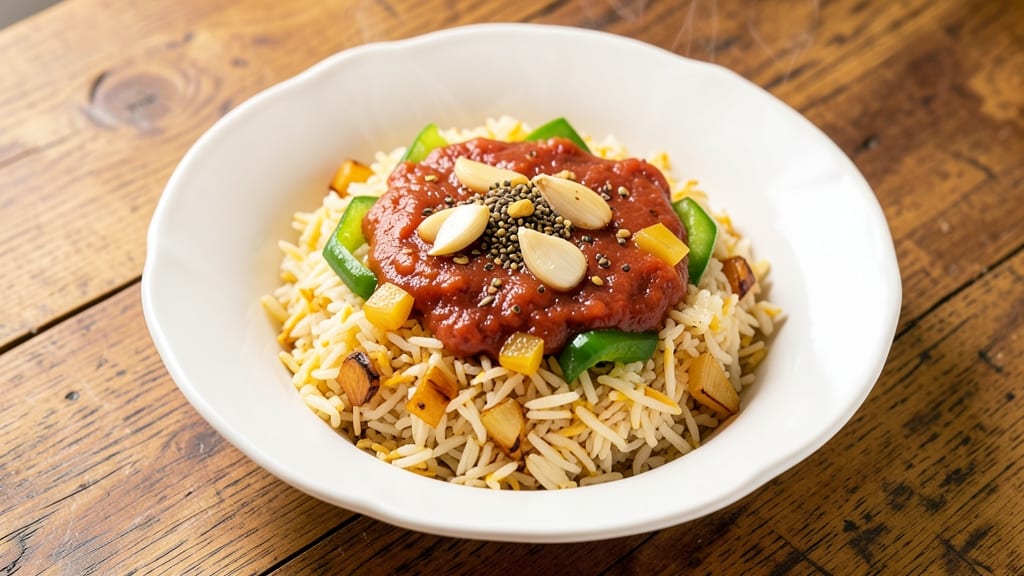
This Puerto Rican Spanish rice recipe delivers the saffron-infused aroma and perfectly separate grains that make it a centerpiece of every island table. Growing up, I learned from my grandmother's old cookbook that the secret lies in slow-cooked sofrito and precise rice-to-liquid ratios—technique that transforms simple ingredients into something extraordinary.
The golden hue and tender texture come from patience, not shortcuts, and once you master it, you'll understand why this dish is beloved across generations.
What sets this recipe apart is the balance of flavors—smoky sofrito, bright tomato sauce, and just a pinch of saffron that infuses the rice with its signature golden color.
Traditional versions include bell peppers, olives, and sometimes ham or chicken, but the foundation remains the same: long, gentle simmering until each grain is distinct yet cohesive. My kids Emma and Jack still ask for seconds, which tells me I've nailed it when even the pickiest eaters are satisfied.
The result is a dish that's fragrant, flavorful, and visually stunning—each bite reveals layers of caramelized sofrito, tender rice, and subtle saffron notes. This isn't just a side; it's the heart of any Puerto Rican feast, elevating simple meals into something memorable.
Whether serving with mofongo, pernil, or as a standalone dish, this recipe delivers restaurant-quality results at home.
Ready to master the technique? We'll cover every step—from preparing the sofrito to achieving that perfectly separate grain texture—so you can recreate this classic with confidence. Let's get started!
Ingredients for puerto rican spanish rice
Simple ingredients transform into fragrant, golden Spanish rice with saffron and sofrito.
| Ingredient | Amount | Notes |
|---|---|---|
| Long-Grain White Rice 🍚 | 1 ½ cups | Uncooked, rinsed thoroughly |
| Saffron Threads 🌼 | ¼ tsp | High-quality, food-grade |
| Yellow Onion 🧅 | 1 whole | Medium size, finely chopped |
| Green Bell Pepper 🌶️ | 1 whole | Medium, diced small |
| Garlic Cloves 🧄 | 4 cloves | Fresh, minced finely |
| Tomato Sauce 🍅 | 1 ½ cups | Canned, no sugar added |
| Olive Oil 🫒 | ¼ cup | Extra-virgin, for sautéing |
| Chicken Broth 💧 | 2 cups | Low-sodium, homemade preferred |
| Green Olives 🫒 | ¼ cup | Pitted, sliced thin |
| Cumin Seeds 🌿 | ½ tsp | Toasted lightly for aroma |
| Bay Leaf 🍃 | 1 whole | Dried, for simmering |
| Salt 🧂 | 1 ½ tsp | Diamond Crystal preferred |
| Black Pepper 🌶️ | ½ tsp | Freshly ground preferred |
| Fresh Cilantro 🌿 | ¼ cup | Chopped, for garnish |
The saffron is non-negotiable here—Spanish saffron from La Mancha delivers the best flavor and vibrant color. Trader Joe's carries a solid brand, but if you're feeling fancy, Penzeys Spices sells premium threads. Toast the cumin seeds in a dry pan for 30 seconds first—they'll perfume the whole dish. For the bell pepper, green bell peppers are traditional, but red works too if that's what you've got. The onions should be sweet, so avoid red onions unless you're going for a sharper note. I always chop mine finely so they dissolve into the sofrito rather than stay chunky.
No saffron? Turmeric at a quarter teaspoon will give you color, but it won't have that floral aroma. Short on chicken broth? Vegetable broth works perfectly—just add a pinch of salt to compensate. The olives can be green or black, but pitted and sliced thin so they distribute flavor evenly. If you're making a big batch, double the sofrito ingredients and cook them longer—they're the flavor foundation. The rice? Long-grain white is essential; jasmine or basmati won't give the same texture. And for the love of all things holy, rinse the rice thoroughly before cooking.
This rice tastes even better the next day—reheats beautifully in the microwave or on the stovetop with a splash of water. Store leftovers in an airtight container for 4-5 days or freeze portions for 3 months. I always make extra because it disappears fast. Garnish with fresh cilantro right before serving—it brightens everything. The saffron-infused rice keeps its aroma for 3-4 days if stored properly, so plan ahead for leftovers.
Why You'll Love This Recipe
- One-Pot Magic: I swear by this recipe because it’s literally just one pot—no fancy gadgets, no stress. Sauté the onions, peppers, and garlic, toast the rice, add broth and saffron, then let it simmer. That’s it. The rice soaks up all the flavor right there in the pan, and cleanup? One spatula, one pot. Done.
- Golden Saffron Magic: Honestly, the saffron makes this dish feel special—like you’re serving something restaurant-worthy without the fuss. A tiny pinch steeps into the broth, turning the rice that gorgeous golden hue and giving it this subtle, luxurious depth. (Yes, even the kids notice.)
- Meal Prep MVP: Between us, this rice begs to be made in bulk. It reheats beautifully—just add a splash of water or broth—and pairs with everything: grilled chicken, roasted pork, even just eggs for breakfast. I make a big batch on Sundays and have it ready for the week. No sad leftovers here.
- Budget-Friendly Luxury: Long-grain rice and a few pantry staples? That’s all you need for a dish that tastes like it cost ten times more. The bell pepper and onion add freshness without breaking the bank, and saffron—though pricey—goes a long way. It’s the kind of recipe that makes you feel like you’re treating yourself, even on a tight budget.
Step-by-step instructions for Puerto Rican Spanish rice
Here's how to achieve that signature saffron aroma and perfectly separate grains every time.
Prepare the Saffron Infusion
In a small bowl, combine the 0.25 tsp saffron threads with 2 tablespoons of the 2 cups chicken broth. Let it steep for 10 minutes while you prepare the remaining ingredients. This step is crucial—the saffron needs time to release its vibrant color and delicate floral aroma into the liquid.
Don't skip this soaking time. The threads will look like tiny orange specks, but their full flavor potential only develops when properly infused. Strain the mixture through a fine-mesh sieve into a clean measuring cup, reserving the infused broth for later. You'll notice the liquid takes on a beautiful golden hue—this is your first indication the saffron is working its magic.
Sauté the Aromatic Base
Heat 0.25 cup olive oil in a medium saucepan over medium heat. Add the 0.5 tsp toasted cumin seeds and the 1 whole bay leaf, cooking for 30 seconds until the cumin begins to sizzle and release its earthy aroma. This is where the foundation of your rice's flavor begins to develop.
Add the 1 whole yellow onion and 1 whole green bell pepper, both finely chopped, along with the 4 cloves minced garlic. Cook for 5-6 minutes, stirring occasionally, until the vegetables soften and the garlic becomes fragrant. The onions should turn translucent while the peppers develop a slight caramelization—this ensures maximum flavor extraction. If the vegetables stick, add a splash of water and scrape the bottom with a wooden spoon to release any browned bits.
Build the Flavor Foundation
Pour in the 1.5 cups tomato sauce and stir to combine with the sautéed vegetables. Let the mixture simmer for 3 minutes, allowing the tomato sauce to meld with the aromatics. This step develops the sauce's depth and balances the rice's final flavor profile.
Add the 1.5 cups long-grain white rice, stirring gently to coat each grain with the tomato mixture. The rice should absorb the flavors immediately. Here's the thing—don't rinse the rice first. The slight starch on the grains helps create that signature cling in Puerto Rican Spanish rice. Cook for 1 minute on medium heat, stirring constantly, until the rice grains become translucent at the edges. This ensures each grain develops flavor before adding liquid.
Cook to Perfect Texture
Pour in the 2 cups chicken broth (including the saffron-infused portion) and add the 1.5 tsp salt and 0.5 tsp black pepper. Stir once to distribute the liquid evenly. Bring to a gentle boil, then immediately reduce heat to low, cover tightly with a lid, and let simmer for 15 minutes without disturbing.
After 15 minutes, remove the lid and fluff the rice gently with a fork. Check for doneness—each grain should be tender but still hold its shape. If the rice appears dry, add 2 tablespoons water and cover for another 2 minutes. The key to perfect Spanish rice is maintaining moisture while allowing the grains to separate completely. Real talk: your oven might run hot, so start checking at the 13-minute mark if your stove tends to be aggressive.
Finish and Garnish
Once the rice reaches perfect doneness, stir in the 0.25 cup sliced green olives and 0.25 cup chopped fresh cilantro. The olives add a briny contrast that cuts through the rice's richness, while the cilantro brings a bright, herbaceous finish. Let the rice sit off heat for 5 minutes before serving—this resting period allows any remaining moisture to distribute evenly throughout the grains.
Serve immediately with your favorite Puerto Rican mains. The rice should have distinct, separate grains with a vibrant golden color from the saffron infusion. Each bite should deliver a harmonious blend of saffron's floral notes, the earthy cumin, and the bright acidity of the tomatoes. If the rice seems too dry after resting, simply add 1 tablespoon water and fluff gently—this ensures you maintain that perfect texture every time.
Pro Tips For Making Puerto Rican Spanish Rice
- Soak the Saffron: DESCRIPTION: Toss those threads in a teaspoon of warm water for 5 minutes—yes, even if it looks dramatic. I learned this the hard way after serving rice that tasted like someone forgot the spice entirely. The color and flavor dissolve better this way, and you’ll actually taste the saffron, not just see it.
- Sweat the Onions Low: DESCRIPTION: Don’t rush the onion and pepper step—cook them on medium-low for 8-10 minutes until they’re soft and translucent, not browned. I used to crank the heat and end up with a bitter base that ruined the whole dish. Patience here makes the rice taste cleaner and brighter.
- Rinse Rice Twice: DESCRIPTION: Cold water, two quick rinses—this removes excess starch and prevents gummy rice. I skip this when I’m tired, and the result is always a sad, clumpy mess. Take the extra 30 seconds; your future self will notice the difference.
- Use a Tight Lid: DESCRIPTION: Slam that lid on tight after the first 5 minutes of cooking and resist the urge to peek. The steam is what cooks the rice evenly, not the heat alone. I was skeptical until I tried it—I now get perfectly fluffy grains every time, no guesswork.
Creative variations of puerto rican spanish rice
Sofrito Variations
Traditional Puerto Rican Spanish rice relies on a classic sofrito base, but don't be afraid to experiment with local ingredients. In my Austin kitchen, I've swapped the green bell pepper for roasted poblano peppers (charred and peeled) for a smoky depth that pairs beautifully with the saffron.
For a spicier kick, add 1-2 dried ancho chiles, toasted and blended into the tomato sauce—this gives the rice a subtle heat that lingers. 🌶️
If you're using fresh sofrito (the blended mix of peppers, onions, and garlic), consider adding 1 tbsp tomato paste to the sautéed base for extra richness. This technique, common in Caribbean cooking, adds a deeper umami note that balances the saffron's floral brightness.
I once made a batch with fresh cilantro stems blended into the sofrito—it added an unexpected herbal complexity that David declared "next-level."
Protein Additions
The classic version is vegetarian, but Puerto Rican Spanish rice often includes proteins like diced ham or shredded chicken. For a quick upgrade, cook ½ cup diced ham with the sofrito until crispy, then remove and set aside before adding the rice.
Stir it back in during the final 5 minutes of cooking to warm through. 💛
For seafood lovers, try adding ½ cup cooked shrimp or diced calamari in the last 3 minutes of cooking—just enough time to heat through without overcooking. I tested this with fresh Gulf shrimp from the Austin market, and the briny sweetness cut through the rice's richness perfectly.
For a vegetarian twist, stir in ½ cup crumbled feta at the end for a creamy contrast.
Saffron Substitutes
Can't find saffron? No problem. A mix of ¼ tsp turmeric and 1 tsp orange zest mimics the golden color while adding citrus brightness. For aroma, add ½ tsp orange blossom water (available at Middle Eastern markets) to the broth.
I've also had success with ¼ tsp annatto powder, which gives a faint yellow hue and a subtle nutty flavor.
If you want to keep the floral notes without saffron, try ¼ tsp dried hibiscus flowers steeped in the broth. It adds a tart, cranberry-like depth that pairs surprisingly well with the cumin and tomato.
For a bolder approach, use ½ tsp paprika (smoked if available) along with the turmeric—it adds warmth that complements the sofrito's smokiness.
Regional Twists
In some Puerto Rican homes, Spanish rice includes pigeon peas (gandules) mixed in for texture and earthy flavor. For a fusion twist, stir in ½ cup cooked black beans during the final 5 minutes of cooking. The beans add heartiness while soaking up the saffron-infused broth beautifully. 🌱
For a Nuyorican (New York Puerto Rican) influence, add 1 tbsp adobo sauce (from canned ham) to the tomato mixture. This gives the rice a tangy, slightly sweet note that's become iconic in NYC bodegas.
I also love adding ¼ cup diced ham hock (simmered until tender) to the broth for a deep, savory richness that elevates the entire dish.
Nutrition facts
Frequently asked questions
Why does my Puerto Rican Spanish rice turn out mushy instead of separate?
The most common cause is either too much liquid or lifting the lid too soon. Use a 1:1.5 rice-to-liquid ratio (1.5 cups rice to 2.25 cups liquid total) and resist peeking during the 15-minute simmer. If your stove runs hot, reduce heat to low and cover tightly with a lid. For extra insurance, try the "stovetop method" with a heavy-bottomed pot—it distributes heat more evenly.
Can I make this rice in a rice cooker or Instant Pot?
For a rice cooker, follow the same steps up to adding the broth, then transfer everything to the cooker and use the white rice setting. For an Instant Pot, sauté the sofrito as directed, then add rice, broth, and spices. Seal the lid, set to high pressure for 3 minutes, then quick-release. The texture will be slightly firmer than stovetop, so fluff with a fork and add 1-2 tablespoons water if needed.
What's the best way to store leftovers?
Let the rice cool completely, then transfer to an airtight container and refrigerate for up to 4-5 days. For freezing, portion into single-serving containers and store for 3 months. To reheat, sprinkle with 1 teaspoon water per cup of rice, cover, and microwave on medium heat for 2-3 minutes. The saffron aroma actually intensifies when reheated!
Is there a way to make this dish gluten-free?
Yes! Use certified gluten-free tomato sauce and gluten-free chicken broth. Check that your saffron threads and spices (like cumin) are processed in a gluten-free facility. For extra flavor, add 1 teaspoon tamari (gluten-free soy sauce) when sautéing the sofrito. The texture remains identical, and the dish stays just as fragrant.
How do I adjust this recipe for a larger crowd?
Double or triple the ingredients while keeping the same ratios. For 8 servings, use 3 cups rice, 4 cups broth, and 3 cups tomato sauce. Cook in a large, heavy pot (like a Dutch oven) and stir only once after adding the liquid. The key is patience—larger batches need slightly longer simmering (18-20 minutes) to ensure even cooking.