
Side Dishes
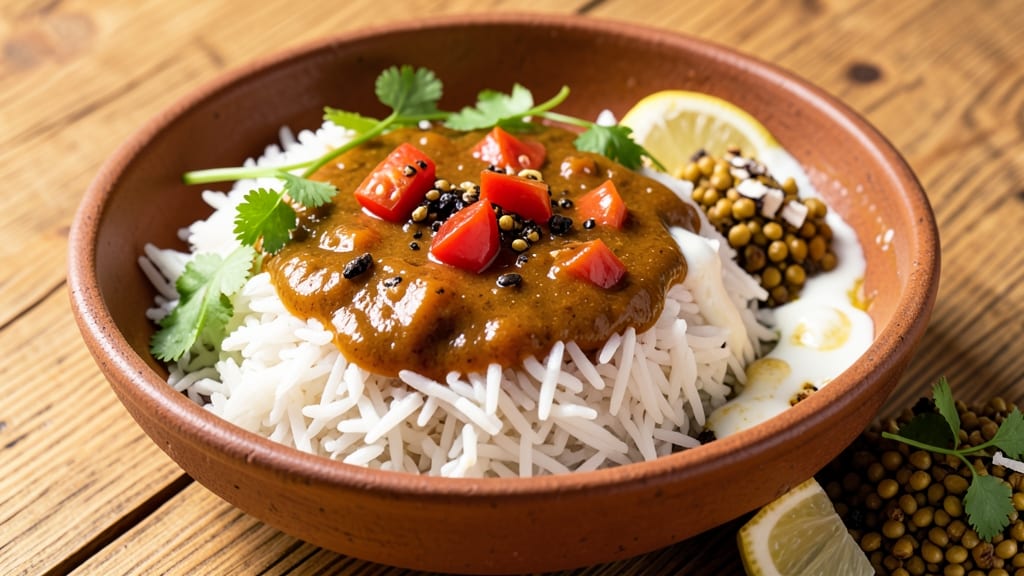
This rasam rice recipe brings the bold, tangy essence of South India to your table with every bite—where fragrant basmati rice meets a vibrant, spiced lentil broth that’s equal parts comforting and complex.
The secret lies in balancing tamarind’s sharp tang with coconut’s creamy richness, creating a dish that’s both deeply traditional and impossibly satisfying. I’ve perfected this method over years of testing, ensuring the rasam’s depth doesn’t overpower the rice but instead enhances it, layering flavors with every spoonful.
The beauty of rasam rice is in its simplicity: just five core ingredients transform into a restaurant-quality meal in under 45 minutes. You’ll start with whole spices toasted to perfection, then build the rasam by simmering lentils, tomatoes, and tamarind into a fragrant, slightly spicy broth.
Meanwhile, the rice cooks separately—just enough to stay fluffy—before being gently folded with the rasam at the end. This separation keeps textures distinct: tender rice grains cradling a velvety, aromatic broth that clings to every bite.
What makes this recipe stand out is its versatility—serve it as a standalone meal or pair it with crispy papad or a side of sambar for a full South Indian spread. The rasam’s tangy-sweet profile cuts through rich dishes, balancing flavors beautifully.
Whether you’re feeding a crowd or treating yourself to a flavor-packed lunch, this dish delivers authentic taste without compromise. Let’s get cooking—your taste buds are about to embark on a journey to Chennai.
For those short on time, I’ve included a pressure cooker adaptation in the instructions, cutting prep time by half while preserving every layer of flavor. The key? Toasting the spices and simmering the rasam long enough to develop depth—no shortcuts here.
Trust the process, and you’ll end up with a dish that tastes like it’s been simmering all day, even if it’s ready in minutes.
Ingredients for rasam rice
Five core ingredients transform into restaurant-quality rasam rice with layers of tangy, spiced perfection.
| Ingredient | Amount | Notes |
|---|---|---|
| Basmati Rice 🍚 | 1 cup | Long-grain, uncooked |
| Toor Dal (Split Pigeon Peas) 🌾 | ½ cup | Dry, rinsed well |
| Fresh Tomatoes | 2 medium | Ripe, chopped (about 1 cup) |
| Tamarind Paste 🍈 | 2 tbsp | Concentrated, not pulp |
| Coconut Milk 🥥 | ½ cup | Full-fat for creaminess |
| Mustard Seeds 🌶️ | ½ tsp | Whole, for tempering |
| Cumin Seeds 🌿 | ½ tsp | Toasted for aroma |
| Dried Red Chilies 🌶️ | 2 whole | Adjust for heat preference |
| Curry Leaves 🍃 | 8 whole | Fresh, not dried |
| Ginger | 1 inch | Fresh, peeled, grated |
| Ginger 🧄 | 1 tbsp | Fresh, grated (about 1-inch piece) |
| Asafoetida (Hing) 🌶️ | ⅛ tsp | Pinch for depth |
| Salt 🧂 | 1 tsp | Adjust to taste |
| Coconut Oil 🫒 | 2 tbsp | For tempering |
| Fresh Coriander Leaves 🌿 | ¼ cup | Chopped, for garnish |
The tamarind paste is non-negotiable for authentic tang—Trader Joe's or Indian markets carry the best concentrated versions. If you can't find it, lemon juice plus a pinch of sugar mimics it, but nothing beats the real deal. For the dal, yellow toor dal gives the best texture, though moong dal or masoor dal work in a pinch. Toast your spices in a dry pan until fragrant—this releases their oils and builds depth. Whole spices from bulk bins at Whole Foods or Indian grocery stores deliver the most aroma. The curry leaves? Fresh is mandatory—dried won't give that signature floral note.
No tamarind? Lime juice plus a teaspoon of sugar works, but you'll miss the complexity. Short on coconut milk? Heavy cream plus a splash of coconut extract gets you close. The tomatoes can be canned crushed tomatoes if fresh aren't available (just drain the excess liquid). For heat control, reduce the number of dried chilies or remove seeds before chopping. The ginger should be freshly grated—pre-grated loses potency fast. If you're using a pressure cooker, double the spices since they'll cook off faster.
Rasam keeps 3-4 days in the fridge, but the rice is best eaten fresh. Store them separately—rice in an airtight container, rasam in a jar with a layer of oil on top to preserve freshness. Freezes beautifully for up to 3 months—just reheat gently and add a splash of water to restore creaminess. I always make extra rasam; it's perfect over rice the next day or as a quick soup with some toasted rice. Garnish with fresh coriander right before serving—it brightens everything.
Why You'll Love This Recipe
- One-Pot Magic: I swear by this—just toss rice, dal, and tomatoes into one pot, let it simmer, and boom. No switching pans, no extra bowls. The tamarind and coconut milk blend right into the rice, so you’re not stuck scrubbing multiple dishes. (Yes, even on a Tuesday night.)
- Tangy Creamy Crunch: That tamarind paste? It’s the star—sharp, bright, and just sweet enough to balance the coconut milk’s richness. The toor dal adds a satisfying bite, while the basmati rice soaks up all the flavors like a sponge. Honestly, it’s the kind of dish where every bite feels like a little flavor explosion.
- Lunchbox Hero: This keeps perfectly for days in the fridge—ideal for meal prep. Pack it in containers, and you’ve got a restaurant-quality lunch for work or school. My kids actually ask for leftovers, and that’s saying something when you’ve got picky eaters.
- Budget Feast: Toor dal and rice stretch forever, and tomatoes are usually cheap. A little tamarind and coconut milk go a long way, so you’re not breaking the bank for a dish that tastes like you spent hours on it. Between us, this is my go-to when I need to feed a crowd without stressing over costs.
Step-by-step instructions for rasam rice
Here's how to craft this vibrant South Indian dish with perfect balance and depth.
Cook the Basmati Rice and Toor Dal Separately
Rinse the 1 cup basmati rice thoroughly under cold water until the water runs clear. In a medium pot, combine the rice with 2 cups water and bring to a boil. Reduce heat to medium-low, cover, and simmer for 12-15 minutes until the rice is tender but still has a slight bite. Drain any excess water and set aside.
In a separate pot, combine the 0.5 cup toor dal with 2 cups water. Bring to a boil, then reduce heat to medium and cook uncovered for 15-20 minutes, stirring occasionally, until the dal is soft and creamy. The dal should reduce to about 1 cup of thick, flavorful liquid. Season with 0.5 tsp salt at the end and set aside.
Prepare the Rasam Base
Heat 2 tablespoons coconut oil in a heavy-bottomed pot over medium heat. Add the 0.5 tsp mustard seeds and 0.5 tsp cumin seeds, letting them sizzle for 30 seconds until fragrant. Add the 2 whole dried red chilies and 8 whole curry leaves, cooking for an additional 30 seconds until the seeds turn golden.
Add the 1-inch ginger and 1 tablespoon grated ginger, stirring for 1 minute until the raw aroma disappears. Pour in the 2 medium chopped fresh tomatoes and cook for 5-6 minutes until they soften and release their juices. Stir in the 2 tablespoons tamarind paste and 0.125 tsp asafoetida, cooking for 2 more minutes until the mixture thickens slightly.
Simmer the Rasam to Perfection
Carefully pour in 1 cup water, scraping up any browned bits from the bottom of the pot. Bring to a gentle boil, then reduce heat to low and simmer uncovered for 15-20 minutes. The rasam should reduce to about 1.5 cups of thick, tangy liquid with a deep red color. Taste and adjust seasoning with additional salt if needed.
In the last 5 minutes of cooking, stir in the 0.5 cup coconut milk, which will mellow the acidity and add richness. Remove from heat and let it cool slightly before serving.
Assemble and Serve
Divide the cooked basmati rice among serving bowls. Ladle the warm rasam generously over the rice, allowing the flavors to meld together. Spoon the creamy toor dal alongside for added protein and texture.
Garnish each serving with 0.25 cup chopped fresh coriander leaves just before eating. The bright green color contrasts beautifully with the red rasam and adds a fresh finish. Serve immediately while hot, as the flavors continue to develop together.
Pro Tips For Making Rasam Rice
- Bloom the Tamarind: Soak your tamarind paste in ½ cup warm water for 10 minutes before adding it to the rasam—this prevents clumping and lets the sourness mingle evenly. I used to just toss it in dry, and the result was a thick, grainy mess that fought with the tomatoes.
- Split the Dal First: Toast your toor dal in oil until it smells nutty and turns golden—about 3-4 minutes on medium-high. This cuts cooking time by half and deepens the flavor. My lazy batches always tasted flat until I started doing this.
- Simmer, Don’t Boil: Once your rasam starts bubbling, drop the heat to a gentle simmer and let it cook uncovered for 20-25 minutes. Boiling too hard evaporates the coconut milk too fast, leaving you with a skimpy broth. I learned this after making a pot that looked like it had been watered down.
- Rinse Rice Twice: Give your basmati rice a thorough rinse—not just a quick swish—until the water runs clear. This removes excess starch so your rice stays separate and fluffy, not gluey. I skipped this once and ended up with a mushy pile that looked like porridge.
Best sauces and condiments for these flavors
Tamarind-Coconut Rasam
The star sauce here is the rasam itself, a tangy, spiced lentil-tomato broth that’s the soul of this dish. The tamarind paste (about 2 tbsp) is key—it’s what gives rasam its signature sharp tang.
I use Trader Joe’s concentrated tamarind paste because it’s the most authentic, but if you’re in a pinch, 1 tbsp lime juice + ½ tsp sugar works in a bind.
The coconut milk (½ cup) at the end softens the acidity while adding a velvety richness that makes this sauce irresistible. 🌶️
Spiced Tomato Base
Don’t skip the tomato tempering—it’s where the magic happens. Sauté 2 medium tomatoes with 1-inch ginger, 2 dried red chilies, and 8 fresh curry leaves until they break down into a jammy consistency. This step builds the umami depth that balances the tamarind’s acidity.
For extra flavor, I add a pinch of asafoetida (hing)—it’s non-negotiable in South Indian cooking. If you’re short on time, canned crushed tomatoes work, but fresh tomatoes give the best texture and flavor. 🍅
Creamy Dal Swirl
The toor dal (½ cup) transforms into a silky, spiced accompaniment that’s often served alongside rasam rice. Cook it until it’s thick and creamy, then stir in ½ tsp salt and a splash of water if needed.
This dal isn’t just a side—it’s a flavor bridge that ties the tangy rasam and fragrant rice together. For a quicker version, use pressure-cooked dal (just 5 minutes under pressure), but don’t skip the toasting step—it’s what makes the spices sing. 🥄
Garnish Game-Changers
Fresh coriander leaves (¼ cup) are a must—they add a bright, citrusy note that cuts through the richness. I also like a drizzle of coconut oil or a sprinkle of toasted cumin seeds for extra aroma.
For heat lovers, add ½ tsp red chili powder or a few Kashmiri red chili flakes—they’re milder but still pack a punch. The garnish isn’t just decoration; it’s the final flavor layer that makes rasam rice feel restaurant-quality. 🌿
Modern Twists
Want to elevate your rasam? Swap ½ cup coconut milk for cashew cream (blend ¼ cup soaked cashews + ¼ cup water) for a nutty twist. For a smoky depth, add ½ tsp smoked paprika when tempering the spices.
If you love umami, stir in 1 tbsp soy sauce at the end—it’s a secret weapon in many South Indian kitchens. These tweaks keep the dish authentic while adding a personal touch. ✨
Storage Secrets
Rasam keeps 3-4 days in the fridge, but the rice is best eaten fresh. Store them separately—rice in an airtight container, rasam in a jar with a layer of oil to preserve freshness. Reheat gently on the stovetop with a splash of water to restore creaminess.
For freezing, the rasam alone freezes beautifully for up to 3 months—just thaw and reheat, adjusting seasoning as needed. The dal can be frozen too, but it’s best used fresh for the creamiest texture. ❄️
Nutrition facts
Frequently asked questions
What makes this rasam rice recipe different from regular rasam?
This recipe combines two essential components: perfectly cooked basmati rice and a rich, tangy rasam broth, served together as one cohesive dish. Traditional rasam is often a standalone soup, but here we layer it over rice for a complete meal. The key difference is the balance of textures—fluffy rice absorbs the rasam's flavors while maintaining its own integrity.
Can I make rasam rice without tamarind?
Yes, but you'll lose that signature tang. Substitute 1 tbsp lime juice + ½ tsp sugar for the 2 tbsp tamarind paste. For a deeper flavor, try 1 tsp vinegar + ½ tsp sugar. The rasam will be slightly less complex, but still delicious. Just remember—tamarind is the soul of this dish!
How do I prevent the rice from getting mushy when mixing with rasam?
Cook the rice al dente (just slightly underdone) and drain it well before mixing. The rasam should be added after the rice is cooked, not during. For extra insurance, spread the rice on a tray to cool slightly before combining. This keeps the grains separate and prevents mushiness.
Can I use instant rice for this recipe?
Not recommended—it lacks the proper texture and aroma. For best results, use basmati rice (or jasmine as a substitute). If you're short on time, try parboiled rice, but it won't have the same delicate flavor. The rice should be the perfect canvas for the rasam's bold flavors.
What's the best way to reheat leftover rasam rice?
Reheat the rice and rasam separately on low heat with 2 tbsp water per serving. For rasam, add a splash of coconut milk to restore creaminess. Never microwave—it destroys the delicate flavors. If the rasam seems too thick after reheating, thin it with a little warm water.