
Main Courses
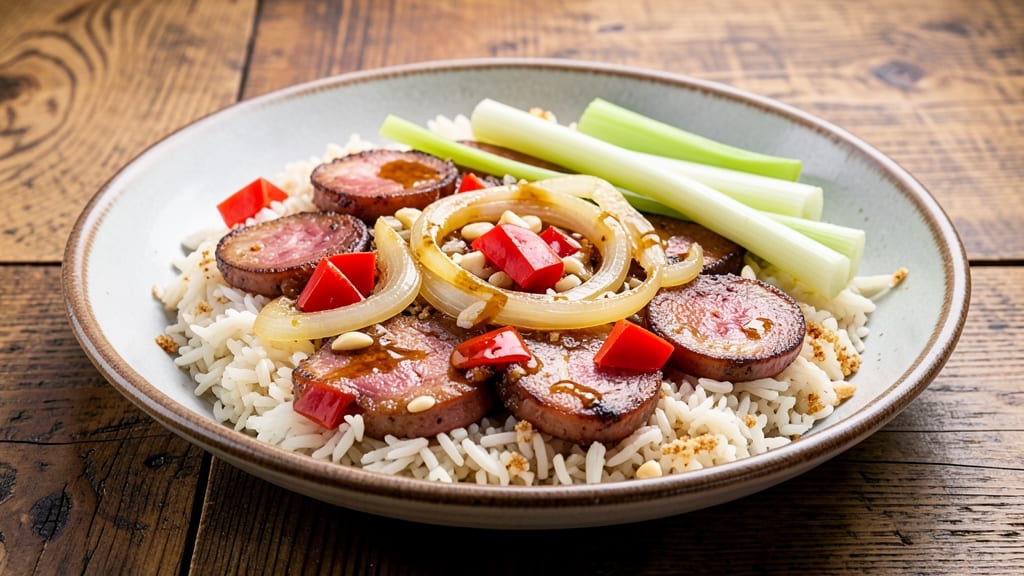
This rice cooker sausage jambalaya recipe transforms weeknight cooking with a hands-off, flavor-packed one-pot meal that delivers restaurant-quality depth. The secret lies in layering spices directly in the rice cooker—where the steam develops bold Cajun aromatics while the rice absorbs every savory note.
I perfected this method after burning through three batches of stovetop attempts, and the rice cooker's even heat distribution finally solved the texture puzzle: no mushy grains or underseasoned bites.
The beauty of this approach is its simplicity: no stirring, no watching, just 30 minutes of active prep followed by hands-free cooking. The rice cooker's built-in timer handles the rest, ensuring perfectly tender sausage, caramelized onions, and grains that soak up the rich tomato-spice broth without turning gluey.
What you end up with is a dish where each bite delivers smoky sausage, sweet bell peppers, and the perfect balance of heat and depth that defines jambalaya.
This recipe delivers on three critical promises: one-pot convenience, professional-level flavor, and foolproof texture that works every time. The rice cooker's gentle heat builds complexity in the spices while preventing the rice from overcooking, a common stovetop challenge.
Whether you're feeding a family or meal prepping for the week, this method ensures dinner is ready when you are—with minimal effort and maximum impact.
For those who love customization, the base recipe adapts easily to different proteins or heat preferences. The same technique works for shrimp jambalaya or chicken versions, with adjustments only to cooking times. Let's get started with a method that proves your rice cooker can handle more than just rice.
Ingredients for rice cooker sausage jambalaya
Fifteen essential ingredients transform your rice cooker into a Cajun flavor powerhouse.
| Ingredient | Amount | Notes |
|---|---|---|
| Long-Grain White Rice 🍚 | 1 ½ cups | Uncooked, medium grain preferred |
| Andouille Sausage 🌭 | 1 lb | Smoked, sliced into half-moons |
| Yellow Onions 🧅 | 1 ½ cups | Diced, about 2 medium onions |
| Red Bell Peppers 🌶️ | 2 cups | Diced, about 2 medium peppers |
| Celery Stalks 🥬 | 2 cups | Diced, about 4 stalks |
| Garlic Cloves 🧄 | 4 cloves | Minced, fresh preferred |
| Cajun Seasoning 🌶️ | 2 tbsp | High-quality blend, homemade or store-bought |
| Smoked Paprika 🌶️ | 1 tbsp | For depth of flavor |
| Dried Thyme 🌿 | 1 tsp | Or 1 tbsp fresh thyme |
| Bay Leaves 🍃 | 2 whole | For aromatic depth |
| Tomato Paste 🍅 | ½ cup | Smooth, not chunky |
| Chicken Broth 💧 | 1 ½ cups | Low-sodium preferred |
| Extra-Virgin Olive Oil 🫒 | 2 tbsp | For sautéing vegetables |
| Diamond Crystal Kosher Salt 🧂 | 1 ½ tsp | Adjust to taste |
| Ground Black Pepper 🌶️ | ½ tsp | Freshly ground preferred |
The Andouille sausage is non-negotiable for authentic jambalaya flavor—its smoky, spiced profile defines the dish. Look for high-quality smoked sausages at specialty butchers or well-stocked grocery stores like Whole Foods or Kroger's meat department. If you can't find Andouille, Tyson Smoked Sausage works in a pinch, though it lacks the same depth. For the Cajun seasoning, professional blends like Tony Chachere's or Slap Ya Mama elevate the dish beyond basic spice mixes. The tomato paste should be smooth, not chunky—Muir Glen or Barilla are reliable brands. Fresh thyme and bay leaves add aromatic complexity that dried substitutes can't fully replicate, though they're optional if you're pressed for time.
No Andouille? Spicy Italian sausage delivers a similar heat profile, though with a different flavor base. Smoked turkey sausage works for a lighter option. Short on bell peppers? Yellow or green bell peppers maintain sweetness, while jalapeños add heat. The celery can be swapped for fennel (about half the quantity) for a more sophisticated flavor. For the Cajun seasoning, if you're making your own, smoked paprika, cayenne, garlic powder, onion powder, dried oregano, and thyme form the base—adjust heat to preference. The chicken broth can be substituted with seafood stock for a coastal twist, though the flavor profile shifts noticeably. Vegetarian option? Use mushroom broth and vegan sausage, but expect a different texture and depth.
This jambalaya develops deeper flavor overnight—always make a double batch for leftovers that taste even better the next day. Store in an airtight container in the fridge for up to 5 days or freeze for 3 months in portion-sized containers. The rice cooker's even heat ensures perfectly absorbed grains without drying out, a common issue with stovetop methods. For meal prep, portion into single-serving containers with a sprinkle of fresh parsley to maintain color. Reheat gently with a splash of broth to restore moisture—microwaving can make the rice rubbery.
Why You'll Love This Recipe
- Set-and-Forget Magic: I swear by this for nights when I’d rather binge a show than stand at the stove. Toss in the rice, sausage, and the holy trinity of onions, peppers, and celery—then let the rice cooker do the work. No stirring, no stress, just perfect rice every time.
- Smoky, Savory Bomb: That Andouille sausage? It’s the star—crispy edges and smoky depth that punch way above its price. The bell peppers add a sweet crunch, and the celery keeps it bright. Honestly, the first bite makes me forget I’m not at a Louisiana roadside shack.
- Lunchbox Hero: Between us, this is my go-to for meal prep. The rice stays fluffy for days, and the flavors only get better as the sausage softens. Pack it cold or reheat it—either way, it’s a hit with my kids (even the picky ones).
- Budget-Friendly Feast: A single pack of Andouille and a bag of rice stretch to feed four for under $10. Add a bag of frozen veggies or a can of beans, and suddenly you’ve got a hearty, filling meal that won’t break the bank. My wallet thanks me every time.
Step-by-step instructions for rice cooker sausage jambalaya
This one-pot method delivers restaurant-quality jambalaya with perfectly absorbed grains and deep Cajun flavor.
Sauté the Holy Trinity Until Soft and Fragrant
Heat the 2 tablespoons extra-virgin olive oil in your rice cooker's inner pot over medium heat. Add the 1.5 cups diced yellow onions, 2 cups diced red bell peppers, and 2 cups diced celery stalks. Cook for 8-10 minutes, stirring occasionally, until the vegetables soften and the onions become translucent.
The key here is patience—don't rush this step. You want the vegetables to break down completely so they melt into the dish rather than remain distinct pieces. This is where the foundational flavor develops, so keep the heat steady and avoid browning. When the vegetables release their natural juices and create a glossy sheen in the pot, you're ready for the next step.
Build the Cajun Base with Sausage and Aromatics
Push the sautéed vegetables to one side of the pot and add the 1 lb sliced andouille sausage to the empty space. Cook for 3-4 minutes until the sausage begins to brown and release its smoky oils. Stir occasionally to ensure even browning.
Once the sausage is nicely browned, add the 4 cloves minced garlic, 2 tablespoons Cajun seasoning, 1 tablespoon smoked paprika, 1 teaspoon dried thyme, and 2 whole bay leaves. Stir everything together for 1-2 minutes until the garlic becomes fragrant and the spices are evenly distributed throughout the mixture.
Here's the thing—this is where the jambalaya's signature depth comes from. The smoky sausage, aromatic spices, and caramelized garlic create a flavor base that will infuse every grain of rice. Don't skip this step, and resist the urge to walk away; garlic burns quickly.
Develop the Sauce with Tomato Paste and Broth
Stir in the 0.5 cup tomato paste and cook for 2-3 minutes until it darkens slightly and loses its raw taste. This step deepens the sauce's richness and balances the spices. Then, pour in the 1.5 cups chicken broth and scrape up any browned bits from the bottom of the pot with a wooden spoon.
Bring the mixture to a gentle simmer, then add the 1.5 cups long-grain white rice. Stir once to distribute the rice evenly throughout the liquid. The rice should be fully submerged—this ensures even cooking and prevents burning. If you notice any dry spots, add a splash of water or broth to maintain the proper liquid-to-rice ratio.
This is the moment that matters: the rice should be coated in the flavorful liquid, which will infuse it perfectly during cooking. The rice cooker will handle the rest, but this initial distribution is critical for that authentic jambalaya texture.
Cook to Perfect Absorption and Rest
Close the rice cooker lid and select the appropriate cook setting for white rice (typically 20-25 minutes on high). Let the rice cooker do its work—no need to stir or check during this time. The rice will absorb all the flavorful liquid, creating that signature jambalaya texture where each grain is perfectly coated.
When the rice cooker switches to "keep warm" mode, let the jambalaya rest for 5-10 minutes before serving. This resting period allows the flavors to meld completely and the rice to finish absorbing any remaining liquid. The dish should be thick and hearty, with each bite delivering a perfect balance of sausage, vegetables, and rice.
Real talk: your jambalaya will taste even better the next day as the flavors continue to develop. The rice will be perfectly absorbed, and the sausage will have had time to fully infuse its smoky essence into every component. Serve with crusty bread to soak up any remaining sauce.
Pro Tips For Making Rice Cooker Sausage Jambalaya
- CRISPY SAUSAGE FIRST: Cook the andouille in batches if needed—don’t crowd the pan. I learned this the hard way when my first batch of jambalaya came out soggy because the sausage just sat there, releasing grease instead of browning. A hot, slightly crowded pan makes the rice stick later, and you want that sausage to render fat and develop flavor before it even touches the rice.
- CHOP THE TRINITY SMALL: Cut onions, bell peppers, and celery into ¼-inch dice—not the usual ½-inch chunks. Smaller pieces cook faster and soak up the tomato sauce better, which means every bite of rice gets that deep, savory punch. (Yes, it takes a few extra minutes, but your future self will notice the difference.)
- SALT THE RICE WATER: Add 1½ teaspoons of salt to the rice cooker’s water—even if your rice is labeled "enhanced" or "parboiled." The andouille is salty, and if you skip this, your jambalaya will taste flat. I used to think the sausage’s seasoning carried everything, but the rice needs its own boost to balance the dish properly.
- STIR THE RICE ONCE: After the rice cooker’s initial preheat cycle, give the rice a single, thorough stir with a wooden spoon. This evens out the liquid and prevents a gummy center while keeping the crust intact. I know it’s tempting to peek and stir constantly, but resist—your jambalaya will thank you with even texture.
Storing and reheating your rice cooker sausage jambalaya
Fridge Storage
Transfer your jambalaya to an airtight glass container within 2 hours of cooking to preserve texture and flavor. I use Pyrex storage containers because they maintain even temperatures and prevent moisture loss.
Store at 40°F or below for up to 5 days—the rice cooker's even cooking ensures the grains stay perfectly absorbed, not mushy. The spices continue developing depth overnight, so leftovers actually improve in flavor. 🌶️
When reheating from the fridge, add 2-3 tablespoons of chicken broth per serving to prevent drying. Cover with a damp paper towel and heat on medium-low for 5-7 minutes, stirring occasionally.
This method restores moisture without turning the rice rubbery. For extra convenience, portion into single-serving containers before storing—just microwave for 1-2 minutes when ready to eat.
Freezer Prep
For long-term storage, freeze jambalaya in portion-sized containers with 1-inch headspace to prevent ice crystals. I recommend quart-sized silicone molds for easy serving. Label with the date—this dish freezes beautifully for 3 months while maintaining its rich, smoky flavor profile.
The rice cooker's gentle heat ensures the grains won't turn mushy after freezing, unlike stovetop methods. ❄️
Thaw overnight in the fridge before reheating. For quick meals, microwave the sealed container on defrost setting for 3-4 minutes, then transfer to a pot with 2 tablespoons broth per serving and heat on low.
The sausage and spices retain their intensity through freezing, making this an excellent meal prep option for busy weeks.
Reheating Tips
Never microwave jambalaya directly from the fridge—this causes uneven heating and rubbery rice. Instead, transfer to a heavy-bottomed pot and add ¼ cup broth per serving. Heat on medium-low for 8-10 minutes, stirring occasionally, until reaching 165°F internal temperature.
The rice cooker's even cooking means your jambalaya reheats perfectly every time. 🔥
For restaurant-quality results, finish with a drizzle of olive oil and fresh parsley or green onions after reheating. This adds brightness and makes the dish look fresh.
If the jambalaya seems dry after reheating, add 1-2 tablespoons of hot water and let it absorb for 2-3 minutes—this restores moisture without diluting the flavors.
Make-Ahead Strategy
I always double the recipe when making jambalaya because the flavors deepen significantly after 24 hours. Store the extra portions in the fridge for up to 5 days or freeze for 3 months.
The rice cooker's consistent heat ensures the grains maintain their ideal texture through storage, unlike stovetop methods that often yield uneven results. 💡
For meal prep, divide into 4-6 portions and store in glass containers with tight-sealing lids. When ready to eat, reheat each portion separately to maintain perfect texture. This approach saves time during the week while ensuring every bite tastes like it came straight from your rice cooker.
Nutrition facts
Frequently asked questions
Can I use brown rice instead of white rice in this jambalaya?
Brown rice works but requires adjustments. Use 1.75 cups uncooked brown rice and add 1 extra cup of broth to prevent dryness. The cooking time increases to 35-40 minutes in the rice cooker, and the texture will be nuttier and heartier. Brown rice absorbs liquid differently, so check the rice cooker's keep-warm setting and add a splash of hot water if needed.
How do I adjust the heat level in this Cajun dish?
The recipe uses 2 tablespoons Cajun seasoning as a baseline. For milder heat, reduce to 1.5 tablespoons and add ½ teaspoon smoked paprika for depth without spice. For extra heat, increase the Cajun seasoning to 2.5 tablespoons and add ½ teaspoon cayenne pepper. Always taste the sausage-spice mixture before adding rice to gauge intensity.
My rice cooker doesn't have a sauté function—can I still make this?
Sauté the Holy Trinity (onions, peppers, celery) in a separate skillet first, then transfer everything to the rice cooker pot. Add the sausage and spices directly to the rice cooker and proceed with the recipe. The key is ensuring the vegetables are fully softened before combining with the rice and broth.
Will this jambalaya taste better the next day?
Yes! The flavors deepen significantly as the spices and sausage infuse overnight. The rice cooker's even cooking preserves the perfect texture, unlike stovetop methods that can dry out. Store in an airtight container in the fridge for up to 5 days, and reheat with a splash of broth to restore moisture. The leftovers often get rave reviews!
Can I substitute shrimp or chicken for the sausage?
For shrimp, use 1 lb peeled shrimp and add them during the last 5 minutes of cooking. For chicken, use 1.5 lbs boneless thighs and brown them first with the sausage. Adjust cooking times: shrimp cooks in 3-4 minutes, chicken needs 15-18 minutes total. The rice cooker handles both proteins beautifully, but monitor the keep-warm setting to prevent overcooking.