
Snacks
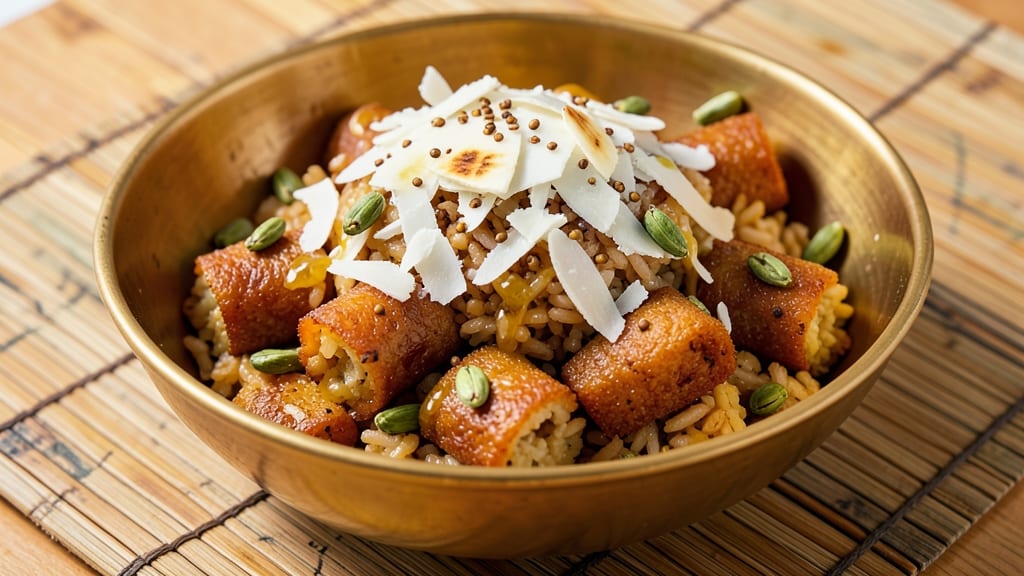
This rice muthia recipe brings the comforting aroma of coconut and cardamom into your kitchen, transforming simple rice into fragrant, bite-sized delights with a satisfying crunch.
The secret lies in perfectly toasting the coconut and blending spices just right—every bite delivers a harmonious mix of nutty, aromatic flavors that make these bites irresistible.
I first discovered this recipe while exploring South Indian snack traditions, and it quickly became a staple in my household, especially during festive gatherings.
The process is straightforward yet rewarding, requiring just a few key ingredients: short-grain rice, coconut, cardamom, and a touch of turmeric for that signature golden hue. The rice is soaked, steamed, and then mixed with freshly grated coconut and spices, creating a dough that’s rolled into small, round bites.
What sets this recipe apart is the tempering step—heating coconut oil with mustard seeds and curry leaves to infuse each bite with an extra layer of flavor before baking until golden and crisp.
What you’ll end up with are fragrant coconut-cardamom bites that are crisp on the outside and soft within, with a delicate crunch from the toasted coconut. These bites pair beautifully with spiced tea or chutneys, making them perfect for snacking or offering guests.
The aroma alone will fill your kitchen with warmth, while the texture and flavor deliver a snack that’s both nostalgic and refined.
Whether you’re preparing for a celebration or simply craving a taste of tradition, this recipe delivers restaurant-quality results with minimal effort. The key is patience—letting the rice soak properly and toasting the coconut until fragrant ensures the best outcome.
Once you try these, they’ll become a regular feature in your snack repertoire.
Ingredients for rice muthia
Just 10 ingredients transform simple rice into fragrant, crunchy coconut-cardamom bites—perfect for festive gatherings.
| Ingredient | Amount | Notes |
|---|---|---|
| Short-Grain Rice 🍚 | 1 cup | Uncooked, like jasmine or basmati |
| Unsweetened Coconut Flakes 🥥 | 1 ½ cups | Toasted until golden brown |
| Green Cardamom Pods 🌿 | 10 whole | Seeds removed, lightly crushed |
| Turmeric Powder 🌶️ | ½ tsp | For signature golden color |
| Coconut Oil 🫒 | 4 tbsp | For tempering and baking |
| Mustard Seeds 🌱 | 1 tsp | Lightly toasted for aroma |
| Curry Leaves 🌿 | 8 whole | Fresh, for authentic flavor |
| Salt 🧂 | ¼ tsp | Adjust to taste |
| Water 💧 | 1 ½ cups | For soaking rice |
| Ghee 🧈 | 2 tbsp | For extra richness (optional) |
The rice is everything here. Short-grain varieties like jasmine or basmati work best—they stay tender after baking. Soak it for at least 4 hours (overnight is ideal) so it absorbs water completely. For the coconut, unsweetened flakes are a must—sweetened will make these taste cloying. Toast them in a dry pan until golden and fragrant (about 5 minutes), then let them cool completely before mixing. Cardamom should be green pods, not the black variety—crack them open and scrape out the seeds. If you can't find fresh curry leaves, dried work at half the amount, but the flavor won't be the same.
No toasted coconut flakes? Grated coconut works in a pinch, but it won't give the same crunch. Short on cardamom? Cinnamon at half the amount adds warmth, though it's not traditional. The ghee is optional but worth it—it adds that rich, buttery depth you'd expect from a South Indian snack. For the tempering, mustard seeds and curry leaves are non-negotiable for that authentic pop of flavor. If you're missing curry leaves, fennel seeds can mimic some of the aroma, but it won't be identical. And whatever you do, don't skip the turmeric—it's what gives these bites their signature golden hue and subtle earthy note.
These bites keep beautifully—store them in an airtight container for up to 1 week at room temperature. They reheat wonderfully in the oven at 300°F for 5-7 minutes to restore the crunch. I like to portion them into small paper bags for easy snacking or gifting. The aroma alone will fill your kitchen with warmth, making these perfect for holiday gatherings or just when you need a taste of tradition. Freeze extras for up to 3 months—just thaw at room temperature before serving.
Why You'll Love This Recipe
- One-Pot Magic: I swear by this recipe—just rice, coconut, and a few spices tossed in one pot. No measuring cups to lose, no separate pans to scrub. The grains toast in coconut oil until golden, then steam with cardamom and turmeric until fragrant. Honestly, the simplicity is what keeps me coming back.
- Nutty-Creamy Crunch: That toasted coconut on top? It’s the star. The flakes stay slightly crisp while the rice soaks up their buttery richness, and the cardamom adds this warm, earthy kick. Between us, it’s the kind of flavor that makes me forget about takeout menus.
- Weeknight & Potluck Hero: I make this when I’m too tired for fancy meals, but it also impresses at gatherings. Serve it warm with curry for a hearty meal, or pack it cold for lunch—it’s just as good. My roommates even asked for seconds at a Sunday brunch, and that’s saying something.
- Budget-Friendly Pantry Staple: Short-grain rice and coconut flakes are cheap, and a little turmeric and cardamom go a long way. I’ve fed four people for under $5 with this, and it reheats perfectly for days. Not the prettiest dish, but the taste makes up for it—and my wallet thanks me.
Step-by-step instructions for rice muthia recipe
Here's how to create these fragrant, coconut-infused rice bites with perfect texture every time.
Soak and Cook the Short-Grain Rice
Rinse the 1 cup short-grain rice thoroughly under cold water until the water runs clear. This removes excess starch that would make your muthia gummy. Soak the rice in 1.5 cups water for 20 minutes—just enough to soften slightly but not fully cook.
Transfer the soaked rice to a small pot with fresh 1.5 cups water. Add the 0.5 teaspoon turmeric powder and 0.25 teaspoon salt, then bring to a boil over medium-high heat. Once boiling, immediately reduce to low heat, cover, and simmer for 12-15 minutes until the rice is tender but still slightly firm to the bite. You want it to hold its shape when pressed—overcooking will make your muthia mushy.
Prepare the Coconut-Tempering Mixture
While the rice cooks, heat 2 tablespoons ghee and 4 tablespoons coconut oil in a small saucepan over low heat. Add the 1 teaspoon mustard seeds and let them sizzle for 30 seconds until they pop and turn golden. Add the 8 whole curry leaves and cook for another 30 seconds until fragrant.
Remove the pan from heat and stir in the 10 lightly crushed green cardamom pods. Let the mixture cool slightly—this infused oil will carry the aromatic flavors into your muthia. The cardamom should release its warm, citrusy notes into the oil, creating the signature fragrance of these coconut bites.
Mix Rice with Coconut and Tempering
Once the rice is cooked, drain any remaining water and spread it on a plate to cool slightly. In a large bowl, gently mix the warm rice with the 1.5 cups unsweetened coconut flakes—just combine until evenly distributed. The coconut should coat each rice grain, creating those signature crunchy pockets.
Pour the cooled coconut oil-tempering mixture over the rice-coconut mixture and toss gently with your hands or a spatula. The rice should be lightly coated but not soggy. If it feels too dry, add 1 teaspoon water to help bind everything together. The texture should be moist but not sticky—this is crucial for those perfect bite-sized muthia.
Shape and Bake to Golden Perfection
Using slightly wet hands (dip in water if needed), roll the mixture into 1-inch balls—about 16 total for 4 servings. Place them on a parchment-lined baking sheet, spacing them about 1 inch apart for even baking. The balls should hold their shape but still feel slightly soft to the touch.
Preheat your oven to 350°F. Bake the muthia for 15-18 minutes until they're golden brown on all sides and firm to the touch. The coconut should be toasted and slightly crispy while the rice inside remains tender. If they brown too quickly, tent with foil to prevent burning. Let them cool for 5 minutes before serving—they'll firm up as they cool.
Pro Tips For Making Rice Muthia
- Toast the coconut flakes: I used to skip this, but toasting the unsweetened coconut flakes for 2-3 minutes in coconut oil until golden—yes, even if you’re impatient—adds a nutty depth that plain raw flakes can’t match. The oil also makes them crispier, which balances the soft rice.
- Split the cardamom pods: Whole green cardamom pods won’t infuse flavor evenly. Crack them open and scrape out the seeds, then lightly crush them with the flat of your knife—just enough to release the aroma without turning it into paste. This guarantees every bite gets that warm, floral kick.
- Simmer the rice low and slow: After the initial boil, drop the heat to the lowest setting that keeps a gentle simmer. I learned this the hard way—rushing it turns the rice mushy, and no amount of coconut flakes can save it. Twenty minutes on low gives you perfectly separate grains every time.
- Use slightly more turmeric: The recipe might call for ½ teaspoon, but trust me: bump it to ¾ or even 1 teaspoon if you’re using good-quality turmeric. The yellow hue isn’t just for looks—it signals the rice is properly cooked and adds a subtle earthiness that rounds out the coconut flavor.
Wine and beer pairings for these flavors
Coconut Milk Pairing
Rice muthia's nutty, toasted coconut flavors shine when paired with chilled coconut milk—the creamy richness balances the crunch beautifully. I like to serve it with coconut milk chilled to 40°F in a coconut shell cup for an authentic touch.
The slight sweetness of the milk complements the cardamom's warmth, while its cooling temperature contrasts the warm muthia. For extra indulgence, float a few toasted coconut flakes on top. 🥥
Spiced Chai Tea
A masala chai made with black tea, cardamom, cinnamon, and ginger is the classic partner for rice muthia. The tea's spiced warmth mirrors the cardamom in the bites, while its tannins cut through the coconut's richness.
I steep 2 bags of Assam tea with 1 tsp each of cardamom pods and cinnamon for 5 minutes, then add 1 tsp honey to balance the flavors. Serve warm for a cozy pairing. 🍵
Mango Lassi
For a refreshing twist, try pairing with a mango lassi—the fruity sweetness contrasts the savory muthia perfectly. Blend 1 cup yogurt, ½ cup ripe mango puree, ½ cup cold milk, and 1 tsp sugar until smooth.
The cool, creamy texture and tropical sweetness make this an ideal summer pairing. Garnish with a sprinkle of cardamom powder for a flavor bridge to the muthia. 🥭
Lightly Sweetened Lemonade
A lemonade with just a touch of sweetness—2 tbsp honey per cup—cleanses the palate between bites. The acidity brightens the coconut's richness, while the honey enhances the cardamom's aromatic notes.
I like to add a pinch of salt to balance the flavors, creating a refreshing contrast. Serve chilled in a copper mug for an elevated presentation. 🍋
Regional Beer Pairing
For beer lovers, a light lager like Kingfisher (popular in South Asia) pairs surprisingly well. The crisp, clean profile lets the muthia's flavors stand out without competing. Alternatively, try a wheat beer with citrus notes—Allagash White works beautifully.
The beer's effervescence contrasts the muthia's dense texture, while its mild sweetness complements the coconut. 🍺
Tempering Oil Drizzle
If you want to elevate the muthia itself, serve it with a small bowl of the leftover tempering oil (from Step 2). Drizzle 1 tsp over a few bites just before eating—the warm, spiced oil enhances the coconut and cardamom flavors.
This technique is inspired by traditional South Indian snack presentations, where oil is often served on the side for dipping. 🫒
Nutrition facts
Frequently asked questions
Can I use long-grain rice instead of short-grain?
Short-grain rice is ideal because it stays tender and holds its shape better after baking. Long-grain rice will become too dry and crumbly. If you must use long-grain, try jasmine rice and reduce the baking time by 2-3 minutes to prevent over-drying. The texture won't be identical, but it'll still be edible.
Why does my rice muthia turn out mushy?
Overcooking the rice is the most common cause. The rice should be tender but still firm to the bite after cooking. If it feels too soft, spread it on a plate to cool slightly before shaping. Also, ensure your oven isn't too hot—350°F is perfect for even baking without overcooking.
Can I make this recipe without coconut oil?
Yes! Use neutral oils like vegetable or canola oil for the tempering, but coconut oil adds the authentic flavor. For the baking step, you can substitute with butter or ghee for richness, though the coconut aroma will be less pronounced. Toast the coconut separately for extra flavor if needed.
How do I store rice muthia for maximum freshness?
Store in an airtight container at room temperature for up to 1 week. For longer storage, freeze for 3 months. To restore crispiness, reheat at 300°F for 5-7 minutes until golden. Avoid refrigerating—it makes the coconut soggy.
What’s the secret to the perfect crunch?
Toast the coconut flakes until golden and let them cool completely before mixing. Also, bake at 350°F until golden brown—don’t underbake! For extra crunch, sprinkle a little more toasted coconut on top before baking. The key is patience—rushing leads to softness.