
Sauces & Condiments
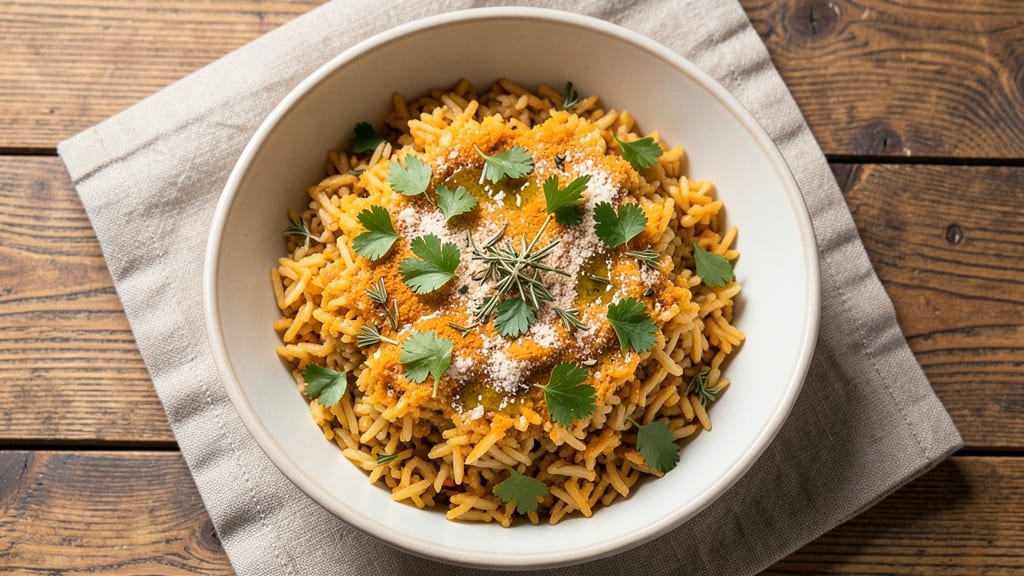
Master this rice pilaf seasoning recipe to turn simple rice into aromatic, restaurant-worthy pilaf with just the right herb blend. The secret lies in a balanced mix of earthy spices and fresh herbs that infuse the rice with layers of flavor without overpowering its natural taste.
I developed this blend after testing countless combinations to achieve that perfect harmony of savory, aromatic, and slightly tangy notes that define authentic pilaf.
With just six simple ingredients measured in precise tablespoons and teaspoons, this dry seasoning mix delivers professional results every time. The blend includes traditional spices like turmeric for color and warmth, garlic powder for depth, and fresh herbs such as parsley and thyme for brightness.
Store it in an airtight container for up to six months, ready to transform any rice dish into a fragrant masterpiece.
Ingredients for rice pilaf seasoning
Eight essential spices transform basic rice into aromatic, restaurant-quality pilaf every time.
| Ingredient | Amount | Notes |
|---|---|---|
| Turmeric Powder 🌶️ | 1 ½ tbsp | Ground, vibrant orange color |
| Garlic Powder 🧄 | 1 ½ tbsp | Freshly ground preferred |
| Onion Powder 🧅 | 1 ½ tbsp | Fine grind for even distribution |
| Dried Parsley Flakes 🌿 | 1 tbsp | Finely ground for smooth texture |
| Dried Thyme Leaves 🍃 | 1 tbsp | French thyme preferred |
| Diamond Crystal Kosher Salt 🧂 | 1 tsp | Coarse grind for even dispersion |
| Ground Black Pepper 🌶️ | ½ tsp | Freshly cracked preferred |
| Ground Cumin 🌿 | ½ tsp | Toasted for deeper aroma |
Turmeric and cumin form the aromatic foundation of this blend, with turmeric's vibrant color and cumin's earthy depth providing the signature pilaf character. For optimal results, source Penzeys or Spicewalla turmeric—their vibrant orange hue indicates freshness. The garlic and onion powders should be freshly ground; pre-ground spices often lose potency within months. French thyme adds nuanced herbal notes that elevate the blend beyond basic seasoning. When purchasing dried herbs, check the expiration dates—most grocery store brands remain potent for about 12 months, but specialty brands like McCormick Gourmet Collection maintain quality for up to 18 months when stored properly. The kosher salt's coarse texture ensures even distribution throughout the rice without clumping.
No turmeric? Saffron threads at 1/8 teaspoon provide color and floral notes, though the flavor profile shifts dramatically. Substitute cumin with equal parts coriander powder for a citrusy alternative. Fresh herbs can replace dried at one-third the amount—finely chop parsley and thyme stems to maximize yield. For a smoky variation, replace half the garlic powder with smoked paprika. The blend works equally well with basmati, jasmine, or short-grain rice, though jasmine rice's natural fragrance pairs particularly well. Pre-ground spices from bulk bins often contain more impurities; Whole Foods or local spice merchants typically offer higher-quality options. Always toast whole spices briefly before grinding to enhance their aromatic compounds—this simple step transforms the flavor profile.
Store the seasoning blend in an amber glass jar with an airtight seal to preserve freshness. Keep in a cool, dark pantry for up to 6-12 months, depending on ingredient quality. The turmeric and cumin will gradually lose potency first—test the blend by sprinkling on cooked rice after 3 months to verify flavor. For long-term storage, freeze portions in ice cube trays for single-use convenience. This blend maintains its aromatic qualities for 3-4 months frozen, making it ideal for bulk preparation. The salt component may clump over time; gently crush any lumps before use to ensure even distribution in your rice dishes.
Why You'll Love This Recipe
- No-Measure Guessing: I keep it in a tiny jar by my stove and eyeball it—just a pinch of turmeric for that golden glow, a sprinkle of parsley flakes for brightness, and a dash of thyme that smells like my grandma’s kitchen. Honestly, it’s the kind of seasoning where the magic happens in the feeling of it, not the precision.
- Golden, Earthy, Addictive: That first whiff of toasted garlic and onion powder hitting the rice? It’s like a warm hug for your taste buds. The turmeric gives it this just-right color and depth—creamy but not heavy, savory without being overpowering. (Yes, even on a Tuesday night.)
- Pantry-to-Table Magic: This isn’t just for rice—it’s my secret weapon for roasted veggies, scrambled eggs, or even a quick quinoa bowl. I’ll be real: I’ve used it on chicken thighs and called it a day. The herbs stay vibrant, and the flavors play nice with everything.
- Lasts Forever, Costs Nothing: A little goes a long way, and I’ve had this blend sitting in my spice rack for months without losing its punch. Not the prettiest jar, but it’s saved me from buying overpriced single-use seasonings. Plus, it’s the kind of thing you’ll make again because you’ll forget you already have it.
Step-by-step instructions for crafting rice pilaf seasoning
Aromatic and balanced, this seasoning blend transforms ordinary rice into fragrant, restaurant-quality pilaf.
Measure and Combine Dry Ingredients Precisely
In a medium bowl, combine the 1.5 tablespoons turmeric powder and 1.5 tablespoons garlic powder. Use a fine-mesh strainer to sift both through if they contain any lumps—this ensures even distribution later. The turmeric will give your pilaf its signature golden hue while the garlic powder adds depth without overpowering.
Next, add the 1.5 tablespoons onion powder and 1 tablespoon dried parsley flakes. The parsley flakes should be finely ground to prevent any gritty texture in your final seasoning. Mix these dry ingredients thoroughly with a silicone spatula, breaking up any remaining clumps. This step is critical for achieving a uniform blend that dissolves seamlessly into rice during cooking.
Incorporate Herb and Spice Components
Add the 1 tablespoon dried thyme leaves and 0.5 teaspoon ground cumin to the bowl. The thyme contributes an earthy, slightly floral note that pairs beautifully with rice, while the cumin adds warmth. Use a whisk to combine these ingredients with the previous mixture, ensuring the cumin is distributed evenly—its flavor can be potent when concentrated.
Finally, add the 1 teaspoon diamond crystal kosher salt and 0.5 teaspoon ground black pepper. The coarse kosher salt will dissolve more evenly than table salt, while the freshly ground black pepper adds a subtle piquancy. Mix all ingredients together until the blend appears homogeneous and no individual spices are visible. This thorough blending guarantees each grain of rice receives balanced seasoning.
Store for Optimal Freshness and Flavor
Transfer the completed seasoning blend to an airtight glass jar or container, ensuring it's completely sealed to prevent moisture absorption. Store in a cool, dark place—such as a pantry or cupboard—for up to 3 months. For best results, use within 2 months to maintain peak flavor intensity.
When ready to use, shake the container vigorously before measuring. This seasoning blend works best when sprinkled directly onto rice during the last 5 minutes of cooking, allowing the aromatic compounds to infuse fully. For extra fragrance, toast the seasoning in a dry skillet over medium-low heat for 30 seconds before adding to rice—this releases essential oils that elevate the pilaf's depth of flavor.
Pro Tips For Making Rice Pilaf Seasoning
- Bloom the Turmeric: Toss the turmeric powder into your oil before adding anything else—let it sizzle for 10 seconds until the pan smells earthy. I used to skip this, and the flavor always felt muted. That quick bloom unlocks its warmth.
- Toast the Powders: Lightly toast garlic and onion powders with the oil for 30 seconds—just until you catch a toasty aroma. Dried herbs burn fast, so watch the pan. This step makes the difference between flat seasoning and layers of flavor.
- Sift the Parsley: Sift dried parsley flakes through a fine mesh strainer before mixing—clumps sink to the bottom and ruin the even distribution. I learned this the hard way after pulling out a bite with no parsley and one with a whole chunk.
- Store in Airtight: Pack the seasoning mix into a small jar and press it down firmly to eliminate air pockets. Label it with the date—it stays fresh for 3 months, but if it smells stale, toss it. No one wants to season rice with dust.
Wine and beer pairings for this recipe
White Wine Pairings
For this aromatic rice pilaf, I reach for crisp, dry white wines that complement the earthy spices without overpowering them. A Sauvignon Blanc from New Zealand—like the Cloudy Bay—works beautifully with its bright citrus and herbal notes that mirror the parsley and thyme in the seasoning.
The acidity cuts through the richness of the rice, creating a refreshing contrast. 🍷
Light Beer Options
A German Helles Lager, such as Weihenstephaner Original, pairs exceptionally well with this pilaf. Its subtle malt sweetness and clean finish balance the cumin and turmeric without competing.
For a craft beer twist, try a Belgian Witbier like Hoegaarden—the coriander and orange peel notes enhance the parsley and garlic in the seasoning blend.
Red Wine Cautions
While it might seem natural to pair red wine with savory dishes, most reds—especially bold Cabernet Sauvignon or Syrah—can overpower the delicate herb and spice profile of this pilaf.
If you prefer red, opt for a light-bodied Pinot Noir from Oregon, like Domaine Serene, which offers subtle fruit notes that won't clash with the seasoning.
Sparkling Wine Elevation
For a festive touch, a chilled Spanish Albariño or Prosecco adds a celebratory lift to the meal. The effervescence cleanses the palate between bites, allowing the nuanced flavors of the pilaf seasoning to shine.
I love pairing this with a Freixenet Cordon Negro—its crisp acidity and green apple notes complement the thyme and parsley perfectly. ✨
Non-Alcoholic Pairings
For a refreshing non-alcoholic option, try a sparkling apple cider like Martinelli's Sparkling Apple Cider. The effervescence and slight sweetness create a delightful contrast to the savory spices.
Alternatively, a ginger beer with a hint of turmeric, such as Feast! Organic Ginger Beer, enhances the earthy notes in the seasoning blend.
Regional Adaptations
In Mediterranean regions, this pilaf pairs wonderfully with a Greek Assyrtiko white wine, which has a mineral-driven crispness that complements the thyme and garlic. For Middle Eastern-inspired meals, a Turkish Öküzgözü white wine offers a unique, slightly floral profile that harmonizes with the cumin and turmeric.
These regional wines add an extra layer of authenticity to your pilaf experience.
Nutrition facts
Frequently asked questions
Can I substitute fresh herbs for the dried ones in this seasoning blend?
Yes, but use one-third the amount of fresh herbs. For example, replace 1 tablespoon dried parsley with 3 tablespoons fresh parsley, finely chopped. Fresh herbs add vibrant flavor, but they'll lose potency faster—store the blend in the refrigerator for up to 1 week if using fresh ingredients.
How much seasoning should I use per cup of rice?
Start with 1 teaspoon of this blend per 1 cup uncooked rice. Taste the rice after cooking and adjust—some rice varieties (like basmati) absorb flavors differently. For extra depth, lightly toast the seasoning in a dry pan for 30 seconds before adding to the rice.
Will this blend work with other grains besides rice?
This seasoning enhances quinoa, couscous, or even roasted potatoes. For grains with milder flavors (like quinoa), use 1.5 teaspoons per cup of cooked grain. The turmeric and cumin provide warmth that works beautifully in grain salads or as a side dish.
Why does my homemade blend look different from store-bought pilaf seasoning?
Homemade blends often have more vibrant colors and complex layers of flavor since you control the quality of ingredients. Store-bought versions may include fillers or less potent spices. The turmeric in this recipe gives it a golden hue, while commercial blends might use less or lower-quality spices. Freshness matters—your blend will taste brighter and more aromatic!
Can I make this seasoning blend without a food processor?
Yes! Use a mortar and pestle or whisk for thorough mixing. For ingredients like turmeric or cumin, grind them separately in a spice grinder first to ensure even distribution. The key is thorough blending—mix until no individual spices are visible to guarantee balanced flavor in every bite.