
Sauces & Condiments
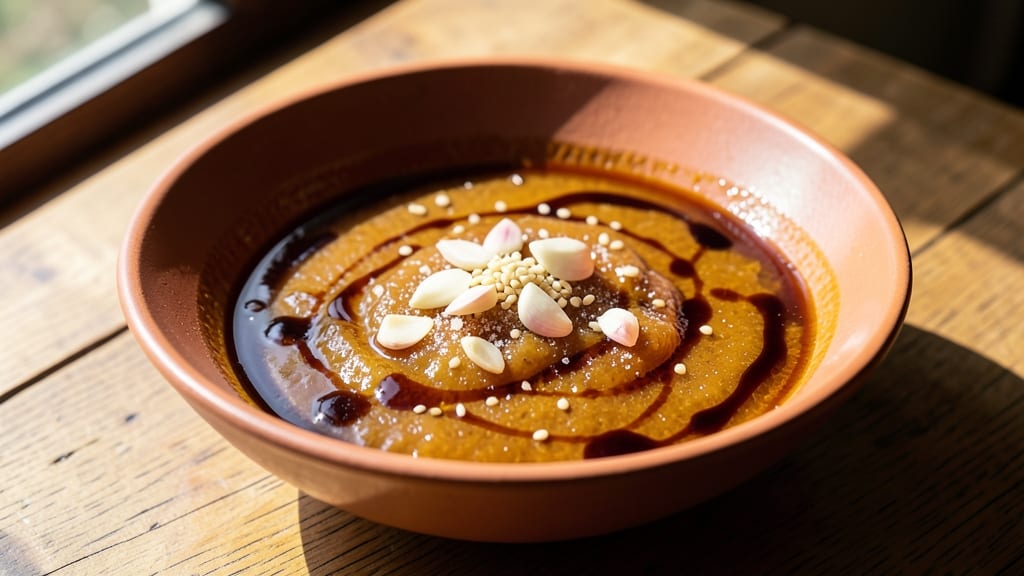
This rice sauce recipe transforms simple pantry staples into a versatile, umami-rich glaze that elevates stir-fries, noodle bowls, and grilled proteins with restaurant-quality depth.
The balance of fermented rice vinegar, dark soy sauce, and brown sugar creates a sauce that’s both tangy and subtly sweet—ideal for adding complexity to dishes without overwhelming their natural flavors.
I developed this version after testing countless variations, and it consistently delivers that perfect harmony of savory, sweet, and slightly funky notes.
The beauty of this sauce lies in its foolproof simplicity: just five core ingredients combine to create a glaze that’s rich enough to stand alone or thin enough to drizzle.
The key is simmering the mixture until it thickens just enough to cling to ingredients, creating a glossy finish that’s both visually appealing and packed with flavor. Unlike store-bought versions, this recipe avoids artificial additives, making it a healthier choice that still delivers bold results.
What makes this sauce truly special is its adaptability—it works as a marinade, a stir-fry sauce, or even a dipping sauce for spring rolls. The fermented rice vinegar adds a depth of flavor that’s hard to replicate, while the dark soy sauce contributes that signature umami richness.
Once you taste the difference, you’ll never go back to bottled versions again.
Store any leftovers in an airtight container in the refrigerator for up to two weeks, or freeze for extended use. The flavors actually deepen over time, making it perfect for meal prep. Let’s get started on creating this game-changing sauce!
Ingredients for rice sauce
Five core ingredients create this restaurant-quality rice sauce that transforms stir-fries and bowls into umami-packed masterpieces.
| Ingredient | Amount | Notes |
|---|---|---|
| Fermented Rice Vinegar 🍶 | ½ cup | High acidity, 5% acidity preferred |
| Dark Soy Sauce 🥄 | ½ cup | Rich umami flavor, not light soy |
| Light Brown Sugar 🍚 | ¼ cup | Packed firmly, not granulated |
| Low-Sodium Soy Sauce 🥄 | ¼ cup | Balances flavor without excess salt |
| Sesame Oil 🥜 | 2 tbsp | Toasted, not flavored or bottled |
| Garlic Cloves 🧄 | 3 cloves | Freshly minced, not pre-minced jar |
| Fresh Ginger 🌿 | 1 tbsp | Finely grated, not powdered |
| Water 💧 | ½ cup | Filtered preferred for purity |
The fermented rice vinegar is non-negotiable—it provides that signature tangy depth that separates this sauce from ordinary soy-based versions. Mushroom vinegar from Asian markets adds even more complexity, but standard rice vinegar works perfectly. For the soy sauces, Lee Kum Kee dark soy sauce is my go-to for that rich, molasses-like color, while Kikkoman low-sodium soy sauce keeps the balance right. The brown sugar should be packed firmly; if using granulated, reduce to 0.2 cup to prevent excessive thinning. Fresh ginger and garlic are where the magic happens—organic ginger from Trader Joe's has the best zing, and I always buy extra since it keeps for months in the freezer.
No fermented rice vinegar? Substitute apple cider vinegar at the same amount, though the flavor profile will be slightly different. Dark soy sauce unavailable? Miso paste thinned with water creates a similar umami depth, though you'll need to add 0.5 tsp sugar to compensate. Sesame oil can be swapped for neutral vegetable oil plus 1 tsp toasted sesame seeds, but the aroma is completely different. For a quicker version, pre-minced garlic and ginger from the refrigerated section work in a pinch, though fresh is always superior. The water is simply a thinning agent—adjust to desired consistency during simmering.
This sauce thickens as it cools, so simmer until slightly reduced before testing consistency. Store in a clean glass jar with an airtight seal in the refrigerator for up to two weeks, though the flavors actually improve over time. For longer storage, freeze in 1-tbsp portions—perfect for single-use applications like drizzling over noodles. The sauce reheats beautifully; simply warm in a small saucepan over medium heat with a splash of water to restore glossiness. Any leftovers in the jar can be thinned with water or broth as needed for immediate use.
Why You'll Love This Recipe
- Five-Ingredient Magic: I swear, this sauce comes together while you’re waiting for the rice to cook. Just toss those pantry staples—fermented rice vinegar, dark soy for depth, a touch of brown sugar—into a bowl, stir, and boom. No peeling, no chopping, no stress.
- Umami Bomb: That combo of low-sodium soy and dark soy? It’s like a flavor grenade. The sesame oil ties it all together with a nutty warmth, and the brown sugar cuts through the saltiness—sweet, salty, tangy, all at once. (Yes, even my picky husband dips extra.)
- Pantry-to-Table Hero: Need a quick glaze for stir-fries? A drizzle over grilled chicken? A fancy touch for takeout noodles? This sauce does it all. I keep a jar in the fridge because it’s my go-to for lazy nights or last-minute dinner upgrades.
- Budget-Friendly Staple: Honestly, this recipe costs me pennies per serving. Dark soy and rice vinegar stretch forever, and I’ve been using the same batch for weeks. Plus, it’s one of those sauces that tastes better the next day—so leftovers? Never a problem.
Step-by-step instructions for umami-packed rice sauce
A balanced blend of acidity, sweetness, and umami creates this versatile glaze—perfect for stir-fries, bowls, or drizzling.
Bloom the Aromatics in Toasted Sesame Oil
Heat a small saucepan over medium-low heat and add the 2 tablespoons sesame oil. Let it warm for 30 seconds until fragrant—you should smell toasted nuts, not burning. This step develops the oil's nutty depth before adding the other ingredients.
Add the 3 minced garlic cloves and 1 tablespoon finely grated fresh ginger. Cook for 1 minute, stirring constantly, until the garlic turns golden and the ginger loses its raw bite. Watch closely—ginger burns faster than garlic. Remove from heat immediately after the garlic colors, as it will continue cooking from residual heat.
Combine Wet Ingredients for Balanced Flavor
Return the pan to medium heat and add the 0.5 cup fermented rice vinegar and 0.5 cup dark soy sauce. Stir to deglaze the pan, scraping up any browned bits that contain concentrated flavor. Let the mixture simmer for 2 minutes until slightly reduced—this concentrates the umami and acidity.
Add the 0.25 cup light brown sugar and 0.25 cup low-sodium soy sauce, stirring until the sugar dissolves completely. The sauce should look glossy and well-mixed. Taste at this stage—you'll notice a balance of sweet, salty, and tangy notes, but it needs depth from the aromatics you already developed.
Simmer and Reduce for Glossy Texture
Pour in the 0.5 cup water and bring the mixture to a gentle simmer. Reduce heat to low and let it cook uncovered for 8-10 minutes, stirring occasionally. The sauce should reduce by about one-third, thickening slightly while maintaining a glossy sheen. You're aiming for a consistency between syrup and light gravy—thick enough to coat the back of a spoon but still pourable.
Here's the thing—if the sauce reduces too quickly, add 1 tablespoon water at a time until you reach the desired consistency. The key is patience; rushing this step creates a sticky, uneven glaze. The final texture should cling to proteins or vegetables without dripping excessively.
Finish with Final Adjustments
Remove the sauce from heat and let it cool for 5 minutes. Taste again and adjust the balance: Add a splash of fermented rice vinegar if it needs more acidity, a pinch of light brown sugar for sweetness, or a drizzle of sesame oil for richness. The sauce should harmonize all flavors without any single note overpowering.
Strain through a fine-mesh sieve if you prefer a silky texture, pressing gently with a spoon to extract maximum flavor. Transfer to a clean jar and let it cool completely before storing. This sauce keeps for up to 2 weeks refrigerated, with flavors deepening over time—ideal for batch cooking.
Pro Tips For Making Rice Sauce
- STIR CONSTANTLY AT FIRST: The first 30 seconds after adding the brown sugar are where you’ll either end up with a smooth sauce or a grainy mess. Keep that spoon moving—no lazy circles—until the sugar fully dissolves, or you’ll regret it later.
- USE COLD SESAME OIL: I learned this the hard way—adding sesame oil straight to a hot sauce kills its aroma. Chill a small bowl of oil first, then drizzle it in last, right before serving. The flavor hits harder and smells like a proper Asian kitchen.
- SWEETEN WITH WARM VINEGAR: Brown sugar clumps like crazy in cold vinegar. Warm the fermented rice vinegar slightly (just enough to dissolve a spoonful of sugar) before mixing everything—no straining required, and the sauce stays silky.
- TAMP THE SUGAR DOWN: If your sauce looks too thick, resist the urge to add water. Instead, press the brown sugar into the bottom of the saucepan with a spoon for 10 seconds—it releases more syrup than you’d think, and you won’t dilute the flavor.
Serving suggestions for rice sauce
Stir-Fry Elevation
This rice sauce transforms simple stir-fries into restaurant-worthy dishes. Toss 1 tbsp sauce with 2 cups protein (chicken, shrimp, or tofu) and 3 cups mixed veggies like bell peppers, snap peas, and carrots.
Cook over high heat in a wok with 1 tbsp neutral oil> for 3-4 minutes>—the sauce will caramelize beautifully. Finish with 1 tsp toasted sesame seeds> for texture. 🔥
Noodle Bowl Glaze
Drizzle 2 tbsp sauce> over 8 oz cooked noodles> (ramen, udon, or rice noodles) with ½ cup shredded rotisserie chicken> and ¼ cup quick-pickled veggies>. The sauce’s balance of sweet and umami complements the noodles perfectly.
For extra richness, add 1 tbsp peanut butter> to the sauce before drizzling—it creates a creamy, nutty depth.
Grilled Protein Marinade
Use this sauce as a marinade for salmon, chicken thighs, or pork chops>. Coat 1 lb protein> with ¼ cup sauce> and marinate for 30-60 minutes> in the fridge.
Grill over medium-high heat> for 4-6 minutes per side>, basting with extra sauce. The marinade creates a sticky, caramelized crust that’s irresistible. 🌟
Spring Roll Dip
Thin the sauce with 2 tbsp warm water> for a dipping sauce that’s perfect with spring rolls or dumplings. The tangy-sweet balance cuts through fried foods beautifully.
For extra flair, add 1 tsp chili crisp> to the thinned sauce—it adds a spicy kick that pairs perfectly with the umami richness.
Rice Bowl Enhancer
Stir 1 tbsp sauce> into 1 cup cooked jasmine rice> with ½ cup black beans>, ¼ cup corn>, and 2 tbsp crumbled feta>. The sauce’s depth elevates simple rice bowls into hearty meals.
For a vegan option, swap feta for avocado slices> and add 1 tsp lime juice> to brighten the flavors.
Breakfast Twist
Drizzle 1 tbsp sauce> over scrambled eggs or a breakfast burrito for an Asian-inspired morning boost. The umami richness pairs surprisingly well with breakfast flavors. For extra protein, add 2 tbsp crumbled bacon> or sautéed mushrooms> to your eggs before drizzling with sauce. 💫
Nutrition facts
Frequently asked questions
What’s the difference between this rice sauce and hoisin sauce?
This recipe creates a glossy, tangy-sweet glaze with bright acidity from fermented rice vinegar, while hoisin is thicker, molasses-like, and often includes fermented bean paste. Our version works better as a stir-fry sauce or marinade, while hoisin is ideal for dipping or glazing. Think of this as a lighter, more versatile cousin!
Can I make this sauce without fermented rice vinegar?
Yes! Substitute with apple cider vinegar or white vinegar (same amount), though the flavor will be slightly less complex. For deeper umami, add 1 tsp fish sauce or ½ tsp miso paste to compensate. The sauce will still taste delicious—just less tangy.
How do I adjust the thickness for different uses?
For a glaze (stir-fries), reduce the sauce until it coats the back of a spoon. For a drizzle (bowls), thin with 1 tbsp water per ¼ cup sauce. If too thick after cooling, reheat gently with 1 tsp water and stir until smooth. The sauce thickens as it cools, so always adjust before storing.
Why did my sauce turn gritty or separate?
Grittiness usually means undissolved sugar or over-reduced sauce. Stir in 1 tsp warm water to smooth it out. Separation happens if you didn’t stir enough during simmering—whisk vigorously to recombine. For prevention, simmer on low heat and stir every 2 minutes.
Can I use this sauce in cold dishes like salads?
The sauce works beautifully in cold dishes—try drizzling over cucumber salads, cold noodle salads, or even chilled soups. For extra brightness, add 1 tsp lime juice or ½ tsp rice wine vinegar to balance the richness. The flavors actually shine in cold applications!