
Side Dishes
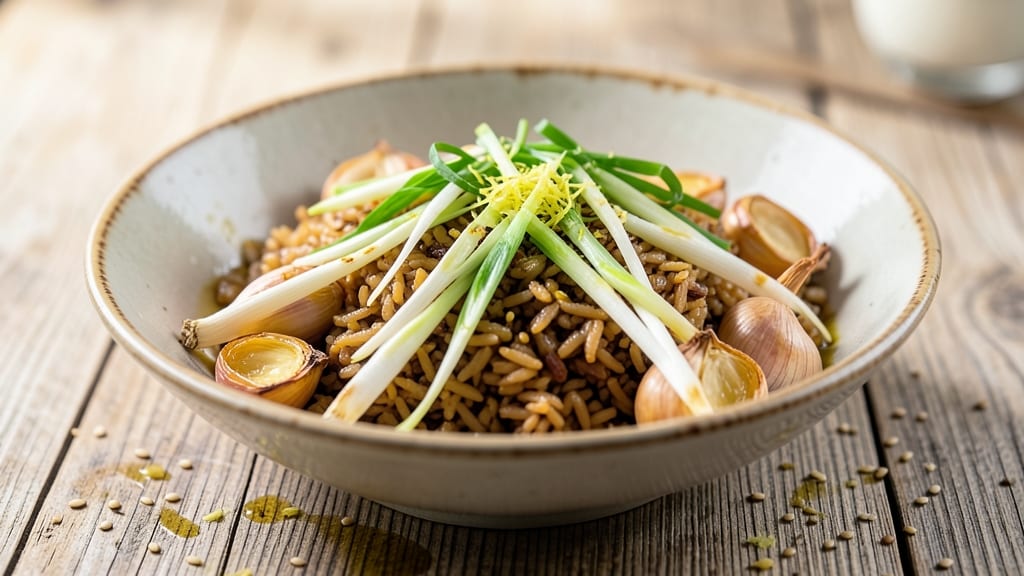
This scallion rice recipe transforms simple jasmine rice into a fragrant, crispy-edged side dish that steals every meal. The secret lies in stir-frying day-old rice with scallions until the edges turn golden and the aroma fills your kitchen—15 minutes from start to finish.
I developed this after realizing how often I needed a quick, flavorful side that could elevate any main dish.
What makes this recipe special is its simplicity: just rice, scallions, oil, and a pinch of salt, yet the result is restaurant-quality texture and flavor. The key technique is high-heat stir-frying, which creates those coveted crispy edges while keeping the centers tender.
Perfect for weeknight dinners or potlucks, this dish delivers professional results with minimal effort.
Ingredients for scallion rice
Four cups of day-old jasmine rice and seven simple ingredients transform into restaurant-quality scallion rice in minutes.
| Ingredient | Amount | Notes |
|---|---|---|
| Day-Old Jasmine Rice 🍚 | 4 cups | Cooled and separated for crispy edges |
| Scallions (Green Onions) 🧅 | 1 ½ cups | Thinly sliced, white and green parts |
| Vegetable Oil 🫒 | ¼ cup | High smoke point preferred |
| Diamond Crystal Kosher Salt 🧂 | ½ tsp | Fine grain for even distribution |
| Toasted Sesame Oil 🫒 | 1 tbsp | For aromatic finishing |
| Roasted Garlic Cloves 🧄 | 2 cloves | Optional for deeper flavor |
| Toasted Sesame Seeds 🌾 | 1 tbsp | For visual contrast |
| Fresh Ginger Root 🌿 | ½ tsp | Finely grated, optional |
The rice must be day-old—freshly cooked rice releases too much moisture, resulting in steamed rice instead of crispy edges. Jasmine rice is ideal for its delicate fragrance and slightly sticky texture, but basmati works equally well. For the scallions, long green onions with white bulbs provide the best crunch and flavor—avoid the pre-sliced bags from the salad section. Whole Foods or local Asian markets often carry the freshest bunches. If you can't find scallions, substitute with 1 cup thinly sliced regular green onions, but the flavor won't be identical. Toast the sesame seeds and oil separately in a dry pan for 30 seconds each to enhance their aroma before adding to the rice.
No sesame oil? Light olive oil or avocado oil works in a pinch, though it lacks the distinct nutty aroma. Running short on scallions? Thinly sliced leeks or shallots provide a similar texture but milder flavor. The roasted garlic cloves can be swapped for 1/2 tsp garlic powder, though fresh roasted adds depth. For a vegetarian-friendly version, omit the optional ginger and roasted garlic, but the dish will lose some complexity. If you're short on time, pre-sliced scallions from the salad bar are better than nothing, though they won't have the same freshness. The key is high heat—use a wok or large skillet for optimal crispy edges, and don't overcrowd the pan.
This dish reheats beautifully—5 minutes in a dry skillet over medium heat restores the crispy edges. Store leftovers in an airtight container for up to 4 days in the refrigerator, though the texture degrades after 2 days. For longer storage, freeze portions for up to 3 months. The scallions can be prepped ahead and stored in the fridge for 3 days wrapped in a damp paper towel. When serving, sprinkle with toasted sesame seeds and a drizzle of toasted sesame oil just before eating to maintain the restaurant-quality presentation. The rice is best served alongside grilled proteins or in Asian-inspired bowls.
Why You'll Love This Recipe
- No-Chop Nightmare: I swear by this trick—just slice those scallions roughly, no fancy dicing. The day-old rice soaks up the oil and sesame like a sponge, so you’re basically stirring in flavor without any fuss. My kids think I’m a magician because it’s ready while they’re still arguing over who gets the last slice of pizza.
- Umami Bomb: That first hit of toasted sesame oil hitting the pan? Instantly addictive. The scallions add a sharp, bright punch, while the kosher salt—just a pinch—lets the rice’s natural nuttiness shine. It’s the kind of dish where you take the first bite and immediately want to make it again, even though you just ate.
- Leftover Hero: This rice actually improves the next day. Cold or reheated, it’s still crispy in spots and tender in others, like a perfect textural contrast. I keep a batch in the fridge for lazy mornings or when I need to throw together a quick lunch—no one will guess it’s just rice until they taste it.
- Pantry Staple Power: Honestly, this recipe costs me pennies. You’re using rice you already have, scallions from the back of the fridge, and oil that’s been sitting in your cupboard for months. It’s the ultimate “I forgot to meal prep” fix, and it still feels like you put in effort. My roommates call it my “emergency gourmet” dish.
Step-by-step instructions for scallion rice
Here's the method to transform day-old jasmine rice into crispy-edged, aromatic scallion rice.
Prepare the Scallions and Ginger
Begin by thinly slicing the 1.5 cups scallions (green onions) into 1-inch lengths, separating the white and green parts. I like to keep them distinct for better visual presentation and flavor balance. Finely grate the 0.5 tsp fresh ginger root using a microplane—this ensures an even distribution of its bright, citrusy notes throughout the dish.
The white parts will provide a milder, slightly sweet flavor, while the green tops add a sharp, fresh crunch. If you're using the 2 cloves roasted garlic cloves, crush them lightly with the flat side of your knife to release their mellow, caramelized sweetness. Set these components aside until ready to combine.
Heat the Oil and Toast the Aromatics
In a large, non-stick skillet or wok, heat the 0.25 cup vegetable oil over medium-high heat until it shimmers but doesn't smoke—this should take about 2 minutes. Add the 1 tbsp toasted sesame seeds and toast them for 30 seconds, stirring constantly, until they turn a deeper golden color and release their nutty aroma.
Remove the sesame seeds with a slotted spoon and set them aside. Immediately add the sliced scallions and grated ginger to the skillet, stirring vigorously for 1-2 minutes until the scallions soften slightly but retain their vibrant color. If using the roasted garlic cloves, add them now and stir for an additional 30 seconds to infuse their flavor into the oil.
Combine with Rice and Season
Add the 4 cups day-old jasmine rice to the skillet, breaking up any clumps with a spatula. Stir-fry for 2-3 minutes until the rice is evenly coated with the oil and aromatics, and you can smell the fragrant blend of scallions, ginger, and garlic. Sprinkle the 0.5 tsp diamond crystal kosher salt evenly over the rice, tossing gently to distribute it.
Here's the thing—this step ensures every grain of rice absorbs the flavors without becoming soggy. The residual heat from the skillet will help crisp the edges of the rice while keeping the centers tender. If the rice appears dry, add 1-2 tablespoons of water and toss gently to moisten without steaming.
Finish with Toasted Sesame Oil
Remove the skillet from heat and drizzle in the 1 tbsp toasted sesame oil, tossing the rice vigorously to coat each grain evenly. The oil will add a rich, nutty depth and help bind the flavors together. Return the skillet to low heat for 1 minute, stirring constantly, to ensure the sesame oil is fully incorporated and the rice reaches the perfect temperature.
Taste a grain of rice and adjust the seasoning if needed—you may want to add a pinch more salt or a splash of water for the ideal texture. The rice should be crispy around the edges with a tender, fragrant center. If the sesame seeds weren't fully toasted earlier, sprinkle them back over the rice now for added texture and visual appeal.
Serve Immediately for Maximum Crunch
Transfer the scallion rice to a serving dish and garnish with any reserved toasted sesame seeds or additional sliced scallions for a pop of color. Serve immediately while the edges are still crisp and the aromatics are at their peak. This dish is best enjoyed fresh—waiting too long will cause the edges to soften.
The result should be a harmonious blend of textures: crispy rice edges, tender centers, and the bright, oniony crunch of the scallions. The toasted sesame oil and seeds add a nutty contrast, while the ginger and garlic provide depth. Pair it with a simple protein like grilled shrimp or a hearty bowl of miso soup for a complete meal.
Pro Tips For Making Scallion Rice
- Heat the Pan First: I used to toss cold rice straight into the pan and wonder why it never got crispy. Warm the wok or skillet over medium-high heat for 30 seconds before adding oil—this jumpstarts the sear and ensures the rice develops that golden crust instead of steaming into mush.
- Chop Scallions Coarse: Thin slices of scallions burn faster and turn bitter. Cut them into ½-inch chunks—white parts stay crisp, green parts caramelize, and you avoid that sad, overcooked onion sludge at the bottom. (Yes, even the greens matter.)
- Salt the Rice Twice: Day-old rice is dry, so don’t skimp. Sprinkle half the salt before frying and the rest after the rice is sizzling—this balances the flavor as the oil works its magic. I learned this the hard way after making bland, sad scallion rice that tasted like nothing.
- Use High Heat, Then Pause: Crank the heat to max for the first 30 seconds to get the rice sizzling, then drop to medium. Walking away while it cooks is fine—just resist the urge to stir constantly. Letting it develop a crust (even if it looks uneven) makes all the difference when you toss in the scallions.
Wine and beer pairings for scallion rice
Crisp White Wine Pairing
A dry Riesling from Germany or Alsace is my go-to choice for scallion rice—its bright acidity and subtle floral notes cut through the dish's richness while complementing the scallions' sharpness.
Look for a Kabinett-level Riesling with 12-13% ABV to balance the dish without overwhelming it. The wine's crisp finish mirrors the rice's crispy edges, creating a perfect harmony. 🍷
Light Lager Complement
A Japanese lager like Asahi Super Dry or Sapporo works beautifully with scallion rice, thanks to its clean, crisp profile and 4.5% ABV. The lager's subtle malt sweetness enhances the dish's savory notes without competing with the scallions' freshness.
For a local option, try a light American lager like Bud Light or Coors Banquet—just avoid heavy, hoppy beers that could clash with the delicate flavors.
Dry Sake Elevation
For an authentic pairing, serve dry junmai sake chilled at 45-50°F. Brands like Dassai or Gekkeikan offer excellent quality at an affordable price. The sake's umami depth and clean finish elevate the dish's natural flavors without overpowering them.
Pour it in small 2-ounce servings to maintain its crispness throughout the meal.
Avoid These Pairings
Skip bold red wines like Cabernet Sauvignon—their tannins will clash with the dish's delicate textures. Heavy IPAs or stouts also overpower the scallions' freshness. Instead, stick to light, crisp options that enhance rather than compete with the dish's bright, aromatic profile.
The goal is to let the scallion rice shine, not the beverage.
Nutrition facts
Frequently asked questions
Why does the recipe call for day-old rice instead of freshly cooked rice?
Day-old rice has dried out slightly, which creates the perfect texture for crispy edges when stir-fried. Freshly cooked rice releases too much moisture, turning the dish into steamed rice instead of achieving that coveted crunch. The slight dryness also helps the rice absorb the scallion and sesame oil flavors more evenly.
Can I make this recipe with regular green onions instead of scallions?
Yes, but there will be some differences. Scallions have longer white bulbs that add a milder, slightly sweet flavor, while regular green onions are more concentrated in the green tops. For best results, use 1 cup thinly sliced green onions (white and green parts) and add an extra 0.25 tsp salt to compensate for the sharper flavor. The texture will be similar, but the taste won't be identical.
What if my scallion rice turns out too dry or too moist?
If it's too dry, simply add 1-2 tablespoons of water and toss gently over low heat for 30 seconds to restore moisture. For overly moist rice, spread it on a baking sheet and bake at 350°F for 5-10 minutes, stirring occasionally, until the edges crisp up again. The key is high heat—use a wok or large skillet for optimal results.
How can I add protein to this recipe without changing the texture?
For a quick protein boost, stir-fry 1 cup chopped shrimp or 2 cups diced chicken breast in the same skillet before adding the rice. Cook until fully done (3-4 minutes for shrimp, 5-6 minutes for chicken), then remove and set aside. Add the rice to the pan, cook as directed, and fold the protein back in at the end. This keeps the dish's signature crispy edges intact while adding heartiness.
Can I make this recipe ahead of time?
Yes, but with a few adjustments. Prepare the scallion rice up to 2 days in advance and store it in an airtight container. To restore crispy edges, reheat in a dry skillet over medium heat for 5 minutes, stirring occasionally. For longer storage, freeze portions for up to 3 months. Just avoid reheating in the microwave—it will make the rice soggy.