
Side Dishes
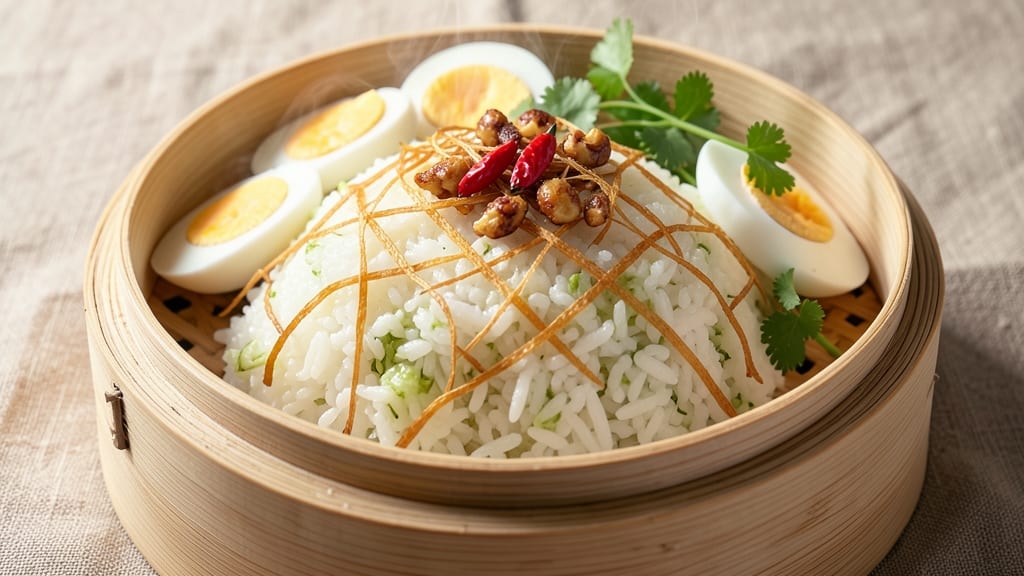
This dim sum break steamed rice recipe transforms your morning into a flavorful journey with fragrant jasmine rice and bite-sized dumpling pairings that bring Cantonese café charm to your kitchen.
The secret lies in perfectly steamed rice—light, fluffy, and infused with aromatic pandan or jasmine essence—paired with crispy, savory, or sweet dumpling bites that balance textures and flavors. I developed this recipe after years of experimenting with dim sum techniques, ensuring every element delivers restaurant-quality results at home.
What makes this recipe stand out is its versatility—whether you're making classic har gow (shrimp dumplings), cheong fun (rice noodle rolls), or modern twists like sesame balls, the steamed rice base remains the foundation.
The rice is cooked to a just-right consistency, neither sticky nor dry, so it absorbs the flavors of your dumplings without overpowering them. For an authentic touch, I recommend serving the rice in small bamboo steamers or individual bowls with a side of soy-vinegar dip and chili oil for dipping.
Ingredients for dimsum break steamed rice
Jasmine rice, pandan essence, and bamboo steamers—simple tools for restaurant-quality dim sum bites.
| Ingredient | Amount | Notes |
|---|---|---|
| Jasmine Rice 🍚 | 2 cups | Uncooked, long-grain preferred |
| Pandan Leaves 🌿 | 2 whole | Fresh, tied in cheesecloth |
| Water 💧 | 3 cups | Room temperature preferred |
| Salt 🧂 | ½ tsp | Diamond Crystal kosher preferred |
| Bamboo Steamers 🌿 | 2 whole | 10-inch diameter, with lid |
| Steamer Basket 🍳 | 1 whole | Fits standard pot |
| Heavy Pot 🍲 | 1 whole | 3-4 quart capacity |
| Soy Sauce 🍶 | 2 tbsp | For dipping sauce |
| Rice Vinegar 🍋 | 1 tbsp | For dipping sauce |
| Sesame Oil 🫒 | 1 tsp | Toasted, for finishing |
| Red Chili Oil 🌶️ | 1 tbsp | For serving |
| Scallions 🧅 | 3 whole | Thinly sliced, for garnish |
| Green Onions 🧅 | 2 whole | Same as scallions |
| Toasted Sesame Seeds 🌰 | 1 tsp | For garnish |
Jasmine rice is the star here—look for Thai or Vietnamese brands at Asian markets for the most fragrant grains. Pandan leaves are key for that authentic aroma; if you can't find them fresh, dried works but use half the amount. The rice should be unwashed—just rinse it once to remove debris. For the best texture, use bamboo steamers from a specialty store (not the flimsy plastic ones), and make sure your pot has a tight lid to trap steam. I always grab mine from H Mart—they're durable and last for years.
No bamboo steamers? A fine-mesh colander over a pot works in a pinch, but the rice won't be as even. Short on pandan? Vanilla bean or lemongrass can add a floral note, though it won't be traditional. For the dipping sauce, low-sodium soy sauce keeps the flavors from overpowering. The sesame oil should be toasted, not raw—look for it in the Asian foods aisle. If you're making this for a crowd, double the dipping sauce ingredients; it disappears fast. The scallions and green onions are interchangeable—just slice them thinly for that classic dim sum garnish.
Steamed rice stays best at room temperature for 2-3 hours after cooking, so plan ahead if you're serving immediately. Store leftovers in an airtight container for up to 3 days—reheat gently in a steamer or microwave with a damp paper towel. For extra fluffiness, sprinkle a generous pinch of salt over the rice before serving. The bamboo steamers can be washed and reused; just let them dry completely to prevent warping. I always make extra rice for lunches—it reheats beautifully and pairs perfectly with leftover dumplings.
Why You'll Love This Recipe
- No Steamers? No Problem: I’ve made this with a colander over a pot—same fluffy result. The bamboo steamers are just the easiest way, but honestly? A tight lid on a rice cooker works too. Flexibility like that keeps me coming back.
- Pandan Perfection: That faintly sweet, floral aroma from the pandan leaves? It’s the secret weapon. No need to overthink it—just tie a leaf in a little bundle, drop it in the water, and let it infuse. The rice tastes like a dim sum breakfast every time, even if I’m eating it solo at 2 PM.
- Lunchbox Hero: Between us, this rice stays fresh for days in the fridge. I pack it cold for work lunches or reheat it—still light and fragrant. My kids actually eat their veggies when it’s wrapped in their bento boxes. (Yes, even the picky ones.)
- Budget Breakfast Win: Jasmine rice is cheap, pandan leaves last forever, and you’re not drowning in ingredients. I’ve fed four people for under $5 with this—plus, the leftovers turn into fried rice the next night. Minimal cost, maximum satisfaction.
Step-by-step instructions for fragrant steamed jasmine rice
Here's how to achieve restaurant-quality steamed rice with perfect aroma and texture.
Prepare the Steaming Setup
Fill the heavy pot with about 2 inches of water and bring it to a rolling boil over medium-high heat. While waiting, place the steamer basket inside one of the bamboo steamers and position it over the pot. The water should never touch the basket—this prevents soggy rice. I like to use a trivet or folded towel at the bottom of the steamer to ensure even heat distribution.
Tie the 2 whole pandan leaves together with kitchen twine and place them in the center of the steamer basket. This creates that signature fragrant aroma that pairs perfectly with dumplings. The leaves will infuse their flavor into the rice as it steams, giving it a delicate floral note without overpowering the jasmine's natural scent.
Rinse and Combine the Rice
In a large bowl, combine the 2 cups jasmine rice with the 3 cups room-temperature water. Gently swirl the mixture with your hands, rubbing the rice between your fingers to remove excess starch. You'll see the water turn cloudy—this is normal. Drain the rice in a fine-mesh strainer and shake gently to remove all excess water. The rice should feel slightly damp but not wet when squeezed.
Return the drained rice to the bowl and sprinkle the 0.5 teaspoon salt evenly over the surface. Use your fingers to distribute it completely, ensuring every grain is lightly coated. This step enhances the rice's natural flavor while preventing blandness. I find that jasmine rice benefits from this light salting—it makes the grains more distinct and aromatic when steamed.
Steam to Perfect Texture
Carefully transfer the seasoned rice to the prepared steamer basket, spreading it evenly in a single layer. Cover the steamer with its lid and place it over the boiling water. The steam should rise immediately—this is your signal that the setup is correct. Reduce the heat to medium-low to maintain a gentle simmer, which prevents the rice from drying out.
Steam for exactly 15 minutes without lifting the lid. The rice is done when the water has evaporated and the grains look plump and separate. Here's the thing—don't peek! Every time you lift the lid, you release steam and potentially alter the cooking process. Trust the timer and the visual cues: the rice should look moist but not wet, with a slight sheen indicating perfect doneness.
Prepare the Dipping Sauce
While the rice steams, combine the 2 tablespoons soy sauce and 1 tablespoon rice vinegar in a small bowl. Whisk until fully blended. This simple sauce cuts through the richness of dumplings while complementing the fragrant rice. The balance of salty soy and tangy vinegar creates the perfect contrast for each bite.
In a separate small dish, drizzle the 1 tablespoon red chili oil over the 1 teaspoon toasted sesame seeds. Toss gently to coat the seeds evenly. This spicy-sesame topping adds a delightful crunch and heat that elevates the humble rice into a star component of your dim sum spread. Keep both sauces at room temperature until ready to serve.
Garnish and Serve Immediately
After steaming, remove the rice from the heat and let it sit covered for 5 minutes. This resting period allows the grains to fully absorb any remaining steam and develop their maximum aroma. Use a rice paddle or clean spoon to gently fluff the rice, separating the grains without mashing them.
Transfer the rice to a serving platter and arrange the thinly sliced 3 whole scallions and 2 whole green onions evenly over the surface. Drizzle the sesame oil mixture lightly over the top, allowing the toasted sesame seeds to sprinkle naturally. Serve the rice immediately with the prepared dipping sauces on the side. The combination of fragrant rice, aromatic garnishes, and complementary sauces creates the perfect dim sum pairing that will have your guests reaching for seconds.
Pro Tips For Making Dimsum Break Steamed Rice
- Soak Rice Overnight: I learned this the hard way—rushing the soak means uneven grains and a gummy texture. Use 3 parts water to 1 part rice and let it sit covered for at least 8 hours (or overnight if you can). The longer it soaks, the fluffier the final result, especially for jasmine rice which loves hydration.
- Tear Pandan Leaves: Whole pandan leaves just won’t infuse enough flavor. Tear them into 2-inch strips before adding to the water—this releases the aromatic oils faster. Skip the blender; you don’t want pandan pulp in your rice.
- Preheat Steamers Dry: Cold steamers create uneven cooking. Stack your bamboo steamers in a pot and bring water to a full boil before adding the rice. This ensures the bottom layer doesn’t sit in condensation, which turns soggy. (Yes, even if you’re impatient like me.)
- Salt the Water Light: Too much salt makes the rice taste flat. Use just ½ teaspoon per 2 cups of water—enough to season but not overpower the pandan’s natural sweetness. Taste the water before adding rice; it should be slightly salty, not briny.
Regional styles of this dish
Cantonese Café Style
In Hong Kong and Guangzhou, dim sum breakfasts often feature steamed rice served in small bamboo baskets alongside crispy char siu bao (BBQ pork buns) and siu mai (pan-fried pork dumplings). The rice is typically lightly scented with pandan and served with a soy-vinegar dip—just like my recipe.
I noticed that adding a pinch of sugar (about ¼ teaspoon) to the rice while steaming enhances its natural sweetness, which pairs beautifully with the savory dumplings. 🥟
Taiwanese Breakfast Twist
Taiwanese dim sum often includes sticky rice instead of jasmine, but for this recipe, I recommend keeping it fluffy to contrast with crispy egg tarts or mooncakes. The Taiwanese version might include pickled mustard greens or radish on the side, adding a tangy crunch.
For a fusion approach, try topping the rice with crispy fried shallots and a drizzle of black vinegar—a popular combo in Taipei cafés. 🌱
Modern Singaporean Fusion
Singapore blends dim sum with bold flavors, so I suggest adding sambal chili paste (about 1 teaspoon) to the dipping sauce for a spicy kick. Pair the steamed rice with fried kaya (coconut jam) for breakfast or salted egg yolk dumplings for lunch.
The Singaporean style often includes chili-lime dressing on the side—just mix 1 tablespoon lime juice, 1 teaspoon chili flakes, and 1 teaspoon sugar for a zesty contrast. 🌶️
Japanese-Inspired Bento Box
For a lighter take, infuse the rice with a strip of kombu seaweed instead of pandan for an umami depth. Serve it in a bento box with steamed gyoza (Japanese dumplings) and pickled vegetables.
The Japanese version often includes mirin-glazed carrots or edamame for extra texture. I love adding a sprinkle of furikake seasoning (about ½ teaspoon) to the rice before serving for a savory-salty finish. 🍱
Malaysian Nasi Lemak Fusion
Malaysian nasi lemak (coconut rice) can inspire a tropical twist on dim sum rice. Stir 2 tablespoons coconut milk into the rice before steaming and top with fried anchovies (ikan bilis) and cucumber slices.
The creamy coconut pairs surprisingly well with sweet chili sauce instead of soy dipping sauce. For extra richness, drizzle toasted coconut flakes over the top before serving. 🥥
Korean Kimchi Rice Adaptation
For a Korean-inspired dim sum spread, mix 1 tablespoon finely chopped kimchi into the rice after steaming. Serve with kimchi fried rice on the side and spicy tteokbokki (rice cakes) for a bold flavor combo.
The tangy kimchi cuts through the richness of fried dumplings, creating a balanced meal. I recommend using gochujang (Korean chili paste) in the dipping sauce instead of soy for a deeper umami kick. 🌶️
Nutrition facts
Frequently asked questions
Can I make this steamed rice without bamboo steamers?
A fine-mesh colander or metal strainer works in a pinch, but the rice won't be as even. For best results, use a heavy pot with a tight-fitting lid and place the colander about 2 inches above the water. The key is maintaining steady steam—never let the rice touch the water!
How do I store leftover dim sum rice?
Let the rice cool completely, then transfer to an airtight container. It stays fresh for 3 days at room temperature or 5 days in the fridge. Reheat gently in a steamer or microwave with a damp paper towel to restore moisture. Never reheat in the microwave uncovered—it dries out!
What if I can't find pandan leaves?
Use ½ teaspoon dried pandan powder or substitute with 1 vanilla bean (split and scraped) for a floral note. For umami depth, try ½ teaspoon kombu powder instead. The aroma will differ but still complement the jasmine rice beautifully.
Can I make this rice in a rice cooker?
Yes! Use the steamer basket that comes with many rice cookers. Add 1 cup water to the pot, place the basket inside, and cook on the "steam" setting for 12 minutes. The rice cooker's even heat distribution works perfectly for this method. Just skip the pandan leaves—use vanilla or lemongrass instead.
What are the best dim sum pairings for this rice?
Classic choices include har gow (shrimp dumplings), char siu bao (BBQ pork buns), or cheong fun (rice noodle rolls). For a fusion twist, try spicy tteokbokki (Korean rice cakes) or fried kaya (Singaporean coconut jam). The key is balancing textures—crispy, chewy, and soft elements work best together.