
Side Dishes
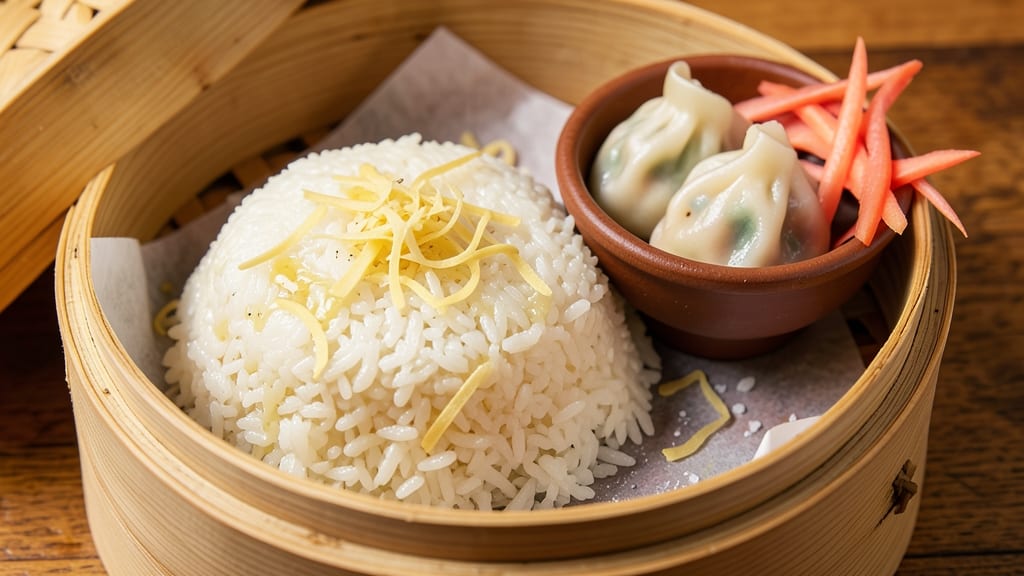
This dim sum steamed rice recipe transforms simple jasmine grains into the fragrant, tender base that makes every bite of bao buns and dumplings unforgettable. The secret lies in precise steaming techniques that preserve each grain's delicate aroma while achieving that signature dim sum texture—light, fluffy, and just slightly sticky.
I first mastered this method during a family gathering when my aunt insisted "authentic dim sum starts with the rice," and she wasn't wrong.
What sets this recipe apart is the balance between tradition and practicality: we use a standard rice-to-water ratio with a splash of jasmine vinegar for that unmistakable floral note, then steam to perfection in a bamboo steamer for even heat distribution.
The result is rice that stays separate yet clings just enough to soak up every drop of sauce from your har gow or siu mai.
Serve it in a large communal bowl at room temperature—this is how dim sum was meant to be enjoyed, shared directly from the steamer to the table.
Ingredients for dim sum steamed rice
Simple jasmine rice, fragrant vinegar, and precise steaming create the perfect dim sum base.
| Ingredient | Amount | Notes |
|---|---|---|
| Jasmine Rice 🍚 | 2 cups | Uncooked, long-grain preferred |
| Water 💧 | 2 ¼ cups | Room temperature preferred |
| Jasmine Vinegar 🍶 | 1 tbsp | For authentic floral aroma |
| Salt 🧂 | ½ tsp | Fine sea salt preferred |
| Fresh Ginger 🌿 | 1 tbsp | Finely grated, aromatic |
| Bamboo Steamer 🍶 | 1 whole | 14-inch diameter preferred |
| Steaming Basket 🍲 | 1 whole | Fits wok or pot |
| Large Wok or Pot 🍲 | 1 whole | For steaming setup |
| Lid or Aluminum Foil 📄 | 1 whole | For sealing steamer |
| Sesame Oil 🫒 | ½ tsp | Toasted, for finishing |
| Scallions 🧅 | 2 whole | Thinly sliced, for garnish |
Jasmine rice is the star here—Thai or Vietnamese brands have the best aroma, but any jasmine works. The vinegar is non-negotiable for that floral note; Asian markets carry it in small bottles. Fresh ginger should smell bright, not musty. If you can't find jasmine vinegar, white vinegar plus a pinch of sugar works in a pinch. For the steamer, bamboo is traditional, but a metal colander with a tight lid does the job too. Just make sure your pot has at least 2 inches of water for even steaming.
No bamboo steamer? A large metal bowl with a tight lid works—just place it over boiling water. Out of sesame oil? Toasted peanut oil has a similar nutty finish. The scallions can be swapped for green onions or chives, but they add a fresh bite that balances the rice's richness. If your rice turns out too dry, next time use 2.5 cups water instead of 2.25. Too sticky? Reduce water by 0.25 cups next batch. The key is patience—let it steam undisturbed for the full 20 minutes.
This rice keeps beautifully for 3 days in the fridge, covered tightly. Reheat gently in a steamer or microwave with a damp paper towel. For extra authenticity, serve in a large ceramic bowl at room temperature. The aroma alone will have everyone reaching for seconds. If you're making dim sum, double the batch—leftovers make amazing fried rice the next day.
Why You'll Love This Recipe
- Five-Ingredient Magic: I swear by this—just rice, water, a splash of vinegar, ginger, and salt. That’s it. No fancy techniques, no hidden pantry staples. Honestly, if you can boil water, you can nail this.
- Fragrant Cloud in Minutes: The jasmine vinegar and ginger steam up the rice like a little dim sum dream—light, fragrant, and just slightly tangy. It’s not just rice; it’s a whole aroma experience that takes zero effort.
- Leftover Goldmine: This rice stays fluffy for days, so I make a big batch on Sundays. Reheat it with a fried egg and veggies for lunch, or toss it into stir-fries—it’s my go-to for lazy weeknights.
- Budget Bright Spot: Jasmine rice is cheap, and these ingredients won’t break the bank. Between us, it’s the kind of dish that makes frugal eating feel special without trying too hard.
Step-by-step instructions for dim sum steamed rice
Here's how to make perfectly fragrant jasmine rice that's light, fluffy, and ready for bao buns.
Prepare the Steaming Setup
First, fill the large wok or pot with about 2 inches of water and bring it to a gentle boil over medium heat. While it's heating, place the steaming basket inside the bamboo steamer. This creates a stable base for even steaming. I like to use a bamboo steamer because it distributes heat more evenly than metal ones.
Once the water is boiling, reduce the heat to medium-low so it maintains a steady simmer. The water should never come to a full boil during steaming—just keep it at a gentle bubble. This ensures your rice steams properly without getting soggy. Keep the lid or aluminum foil handy for sealing the steamer later.
Soak and Season the Rice
In a large bowl, combine the 2 cups of jasmine rice with the 2.25 cups of water. Stir gently once to distribute the water evenly. Let the rice soak for at least 30 minutes, but I prefer 1 hour for better texture. This soaking step is crucial—it helps the rice absorb moisture evenly and prevents hard grains.
After soaking, drain any excess water through a fine-mesh strainer. In the same bowl, add the 1 tablespoon of jasmine vinegar, 0.5 teaspoon of salt, and 1 tablespoon of finely grated fresh ginger. Gently fold everything together with your hands or a spatula until the rice is evenly coated. The vinegar adds that signature floral aroma, while the ginger gives a subtle warmth.
Steam the Rice to Perfection
Transfer the seasoned rice to the steaming basket and spread it out evenly in a single layer. The goal is to create a flat, even surface so the steam circulates properly. Place the basket into the bamboo steamer and cover everything tightly with the lid or aluminum foil. This seal traps the steam and ensures your rice cooks uniformly.
Steam over the simmering water for 15 minutes. Here's the thing—don't peek or open the lid during this time. Every time you lift the lid, you release steam and extend the cooking time. After 15 minutes, turn off the heat but leave the rice steaming in the warm pot for another 10 minutes. This resting period allows the grains to absorb any remaining moisture and develop that signature fluffy texture.
Finish and Serve
Carefully remove the steamer from the pot and let it cool for 5 minutes. Then, gently fluff the rice with a fork, being careful not to mash the grains. This step is all about creating air pockets for that signature dim sum texture. In a small bowl, mix the 0.5 teaspoon of toasted sesame oil with the 2 whole thinly sliced scallions. Drizzle this mixture lightly over the rice and toss gently to combine.
The rice should be light, fragrant, and slightly sticky—just enough to hold together when used for bao buns. If you're making bao, now's the time to use it while it's still warm. For storage, keep it covered in the steamer to maintain moisture. This rice makes the perfect base for your dim sum creations, with that authentic floral aroma that sets it apart from regular steamed rice.
Pro Tips For Making Dim Sum Steamed Rice
- Rinse Until Clear: Don’t just splash the jasmine rice—hold it in a fine-mesh strainer under cold water for 30 seconds, swirling it like you’re washing a salad. I used to skip this, and my rice turned out gummy; now it’s light and fluffy every time.
- Ginger, Then Vinegar: Toss in the fresh ginger before the jasmine vinegar—let it steep in the hot water for 2 minutes first. The heat unlocks its aroma, and the vinegar’s tang cuts through the rice’s sweetness without overpowering it.
- Salt the Water: Yes, even for rice. Dissolve ½ teaspoon salt in the water before adding the rice—it seasons the grains evenly and prevents blandness. I learned this the hard way after making a batch that tasted like nothing.
- Steam, Don’t Boil: Use a bamboo steamer or a colander over a pot of simmering water (not boiling). If the water’s too aggressive, the rice will turn mushy. Keep the heat at a gentle simmer—think "barely bubbling," not "rolling boil."
Make-ahead tips for this dish
Prep Ahead for Dim Sum
Make this rice 2 days in advance—it actually tastes better as flavors deepen. Store in an airtight container at room temperature, covered with a damp towel to prevent drying. The jasmine vinegar aroma intensifies overnight, making every bite more fragrant.
I always prep this the night before big gatherings so I can focus on assembling dumplings the next day. 💫
Dim Sum Party Prep
For a full dim sum spread, double the recipe and pair with har gow and siu mai made ahead. Steam dumplings in batches, then store in a single layer on parchment paper in the fridge.
Reheat in a steamer for 5-7 minutes before serving. Keep rice and dumplings in separate containers—this prevents soggy textures when reheating. 🍜
Freezer-Friendly Storage
Freeze portions in 1-cup servings using silicone molds for easy reheating. Thaw overnight in the fridge, then steam for 10 minutes to restore moisture. The texture remains light if you avoid microwaving—steaming is key.
I label containers with dates since frozen dim sum rice keeps for 3 months without quality loss. 🧊
Reheating for Bao Buns
For bao buns, warm rice in a steamer with 1 cup hot water on the bottom for 8-10 minutes. The residual heat from the steamer maintains that perfect dim sum texture.
Never microwave—it turns rice gummy. Add a splash of water if it looks dry during reheating. This method works for both leftover rice and freshly made batches. 🔥
Fusion Twist: Cold Rice Salad
Chill leftover rice and toss with 1 tbsp soy sauce, 1 tsp sesame oil, and ½ cup diced cucumber. Top with crispy fried shallots for a refreshing summer side.
This modern adaptation keeps the rice's floral notes while adding crunch. Perfect for potlucks when you want a lighter option. ✨
Equipment Shortcuts
No bamboo steamer? Use a microwave-safe bowl with a tight lid. Add ½ cup water to the bottom of a larger pot, place the bowl inside, and cover. Microwave on high for 12 minutes, then let rest 5 minutes.
The texture won't be identical, but it's a great backup. I've tested this method with Pyrex bowls for consistent results. 💡
Nutrition facts
Frequently asked questions
Can I use regular white rice instead of jasmine?
While you can substitute white rice, jasmine's floral aroma and slightly sticky texture are essential for authentic dim sum. If using white rice, increase the water ratio by 0.25 cups and add an extra ½ teaspoon of jasmine vinegar to mimic the fragrance. For best results, use medium-grain white rice like Calrose.
Why does my dim sum rice turn out mushy?
Mushy rice usually means overcooking or improper steaming. Always use a tight seal on your steamer and avoid opening it during the 15-minute steaming phase. If your rice is too wet, spread it in a thinner layer next time or reduce water by 0.25 cups. Let it rest 10 minutes off heat—this helps absorb excess moisture.
How do I make this rice for bao buns?
For bao buns, use the rice while still warm after steaming. The slight stickiness helps the buns hold together. If making ahead, store rice in an airtight container and reheat in a steamer with 1 cup hot water for 8-10 minutes before using. Never microwave—it destroys the texture.
What's the best way to store leftover dim sum rice?
Store in an airtight container at room temperature for up to 3 days, covered with a damp towel to prevent drying. For longer storage, freeze in 1-cup portions for up to 3 months. Thaw overnight in the fridge and steam for 10 minutes to restore texture.
Can I add other ingredients like mushrooms or peas?
While traditional dim sum rice is plain, you can add mixed vegetables for a fusion twist. Try ½ cup frozen peas and carrots mixed in after steaming. For umami depth, add 1 teaspoon soy sauce with the vinegar. Just reduce water by 0.25 cups since vegetables release moisture.